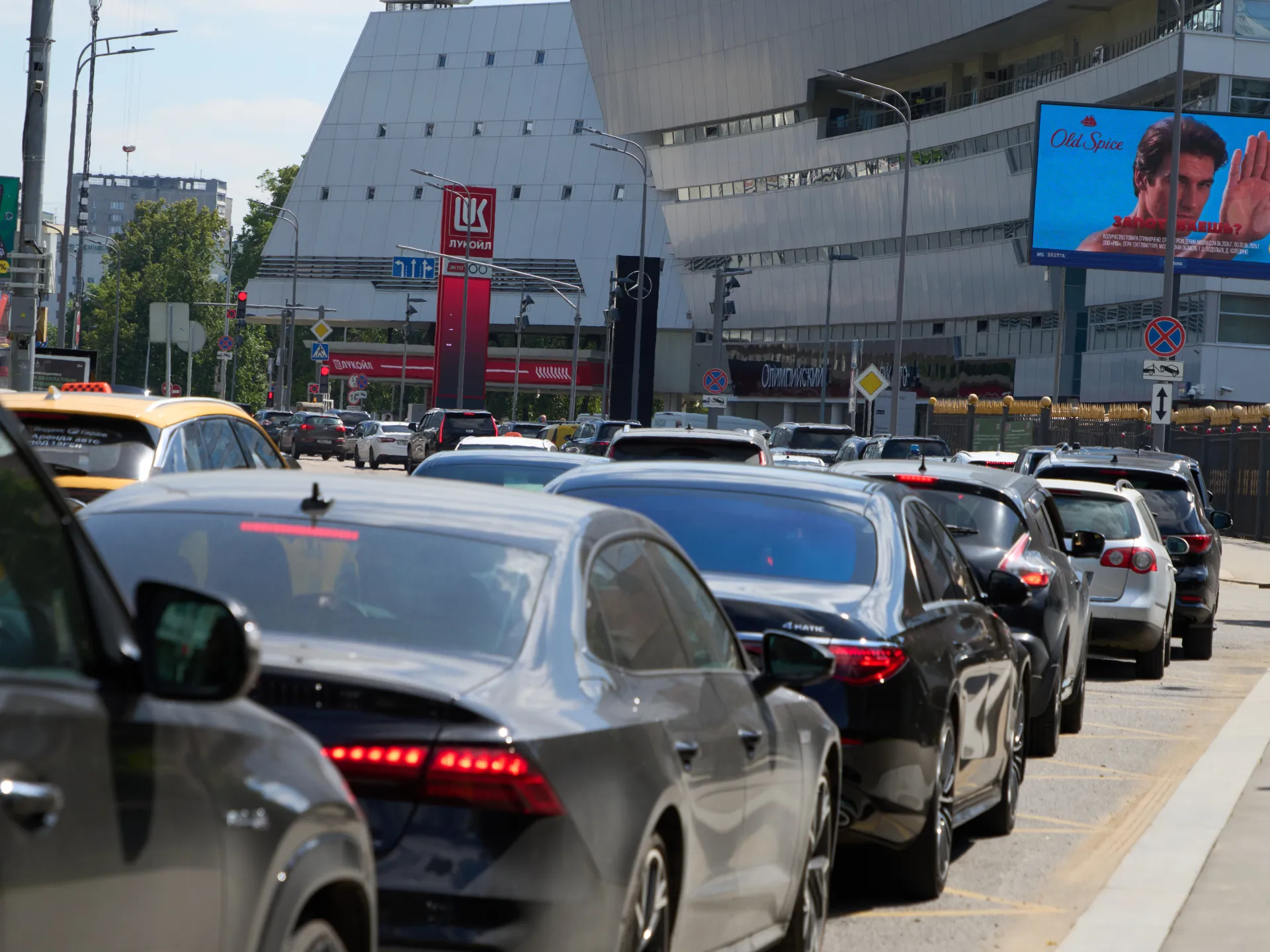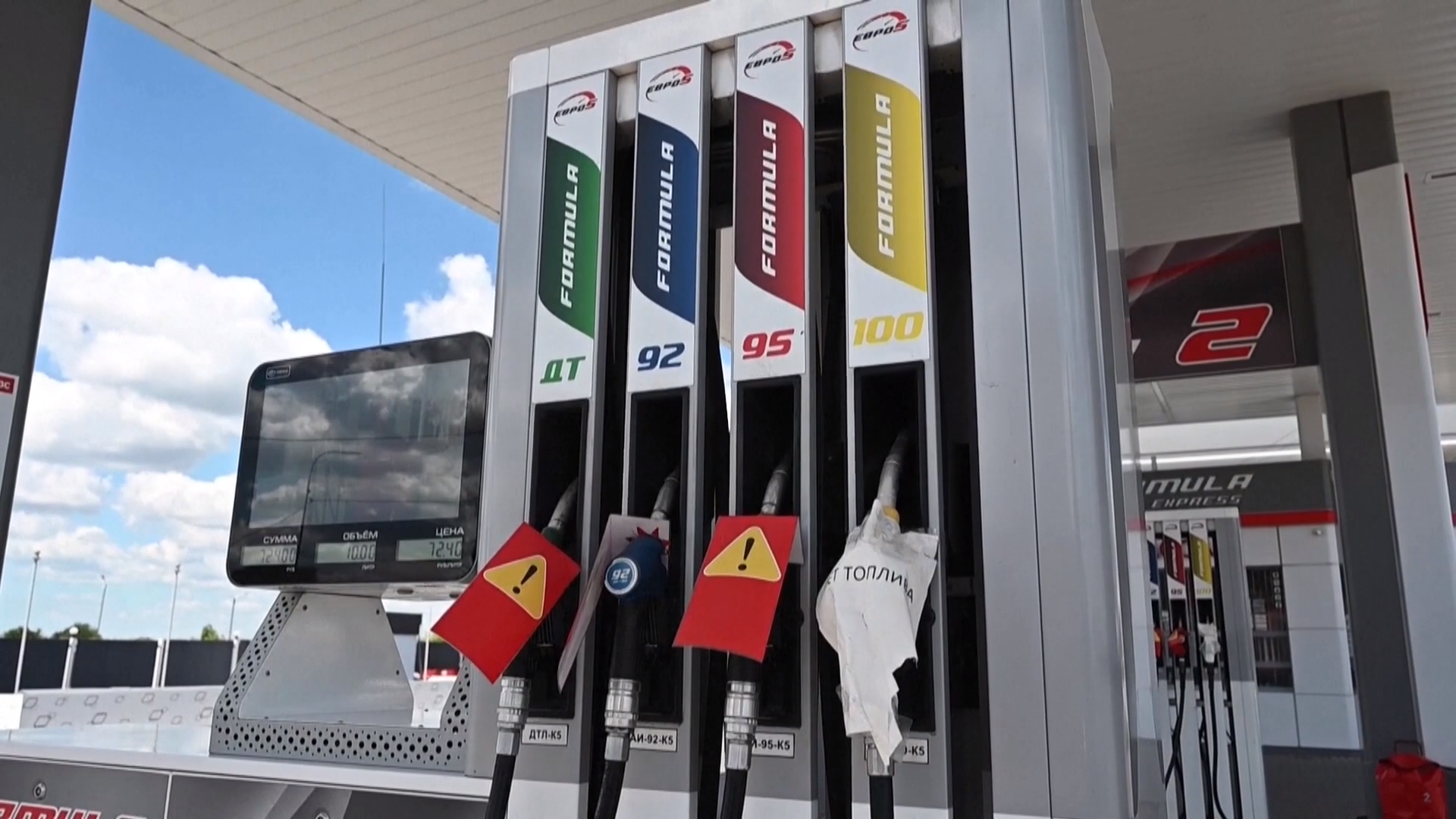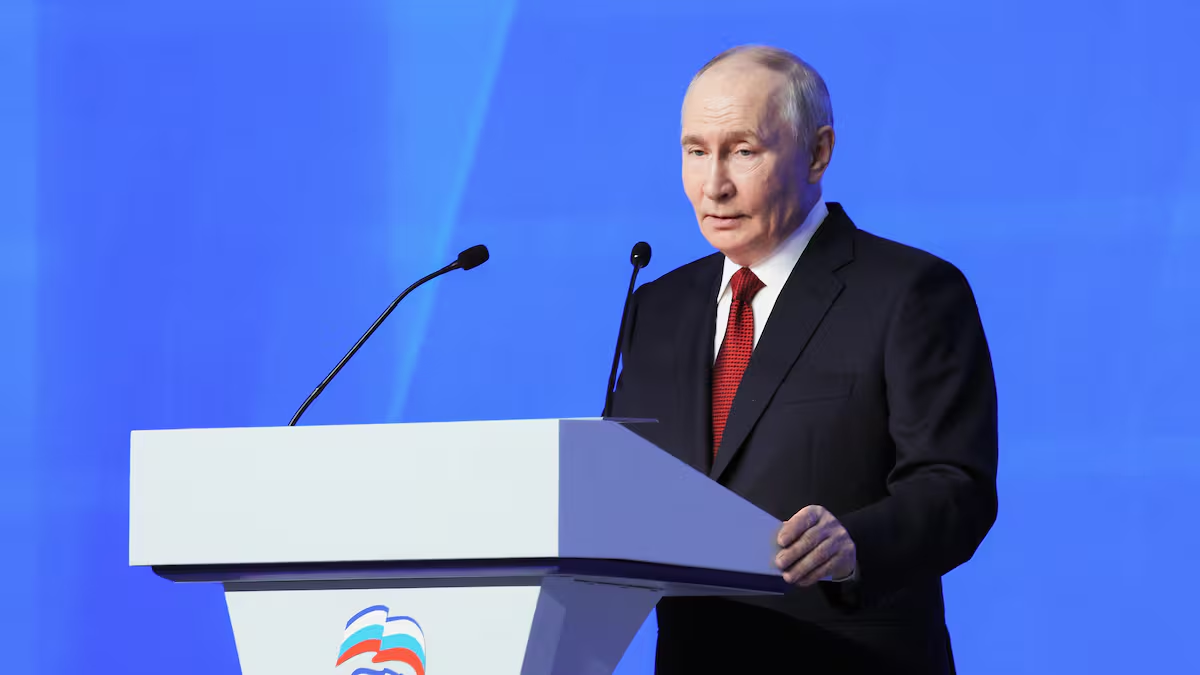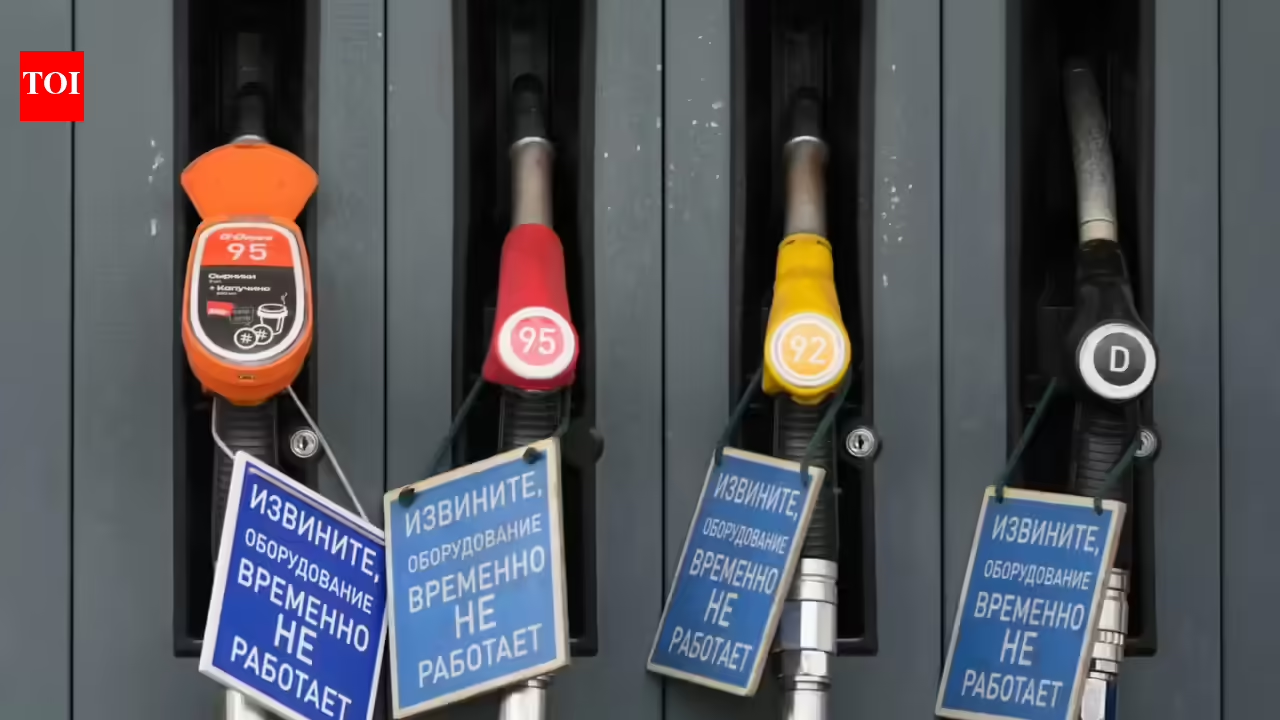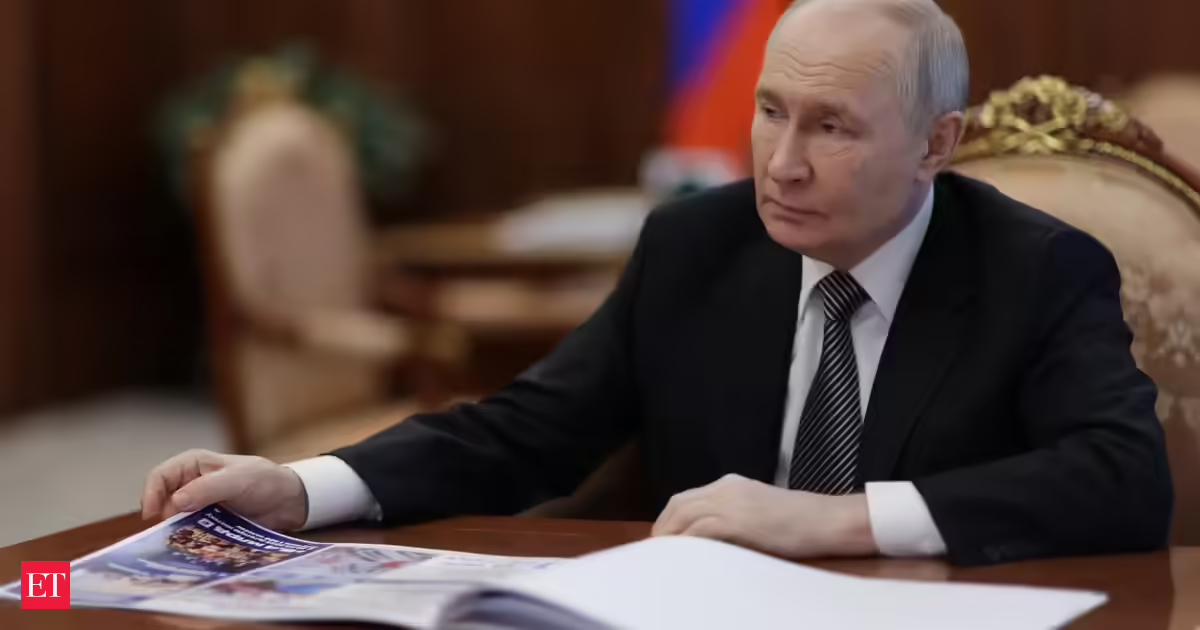
Ukrainian attacks have caused fuel shortages to spread from Russian-annexed Crimea to nearby parts of southern Russia, and even to the capital Moscow, which has previously been spared, residents say. Motorists in nearly all of Russia are limited in the amount of fuel they can now buy, with particularly severe restrictions imposed in all of Russian occupied Ukraine, much of southern Russia and Siberia.Only Moscow and a handful of mainly remote regions have no formal restrictions, although even in the capital some filling stations are shut and others have long queues.President Vladimir Putin acknowledged on Sunday at a meeting with government ministers and other officials that Ukrainian drone strikes had triggered fuel shortages in some regions, but said that Russia was dealing with them.In Crimea, which Russia captured from Ukraine and annexed in 2014, Ukraine has been attacking supply lines in recent weeks in what it says is a campaign to hit Russia's military effort.Authorities there have suspended fuel sales to private motorists, shortened working hours and reduced the time that public transport and cafes operate.When authorities offered limited sales of gasoline to the public in Crimea's largest city Sevastopol on Monday, motorists queued to buy it at prices of 189 roubles a litre, almost triple the normal price.The shortages have spread to Rostov-on-Don, a southern Russian city close to the border with southeasetern Ukraine.Some pump hoses there were wrapped in paper with "no fuel" written on them. One petrol station had a sign saying "Fuel sales have been temporarily suspended".Vladimir, who gave only his first name, had brought his motorbike to fill up with no success."I worked as a courier. I stopped working. Thanks, everybody!" he said.In Moscow, where a refinery was blown up during a Ukrainian drone attack a week ago, prices have been held mainly unchanged at major filling stations operated by large, state-run oil companies, according to Moscow's Fuel Association.But there have been queues for fuel in parts of the city, and at some privately owned filling stations, prices have jumped by more than 10 per cent to around 80 roubles a litre.
Vladimir Putin reveals shocking truth: Russia is suffering fuel crisis due to Ukrainian drone strikes, filling stations are shut, no sales to private motorists
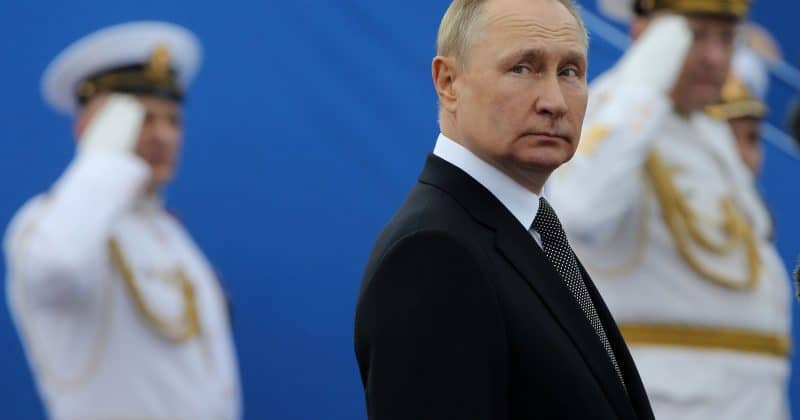
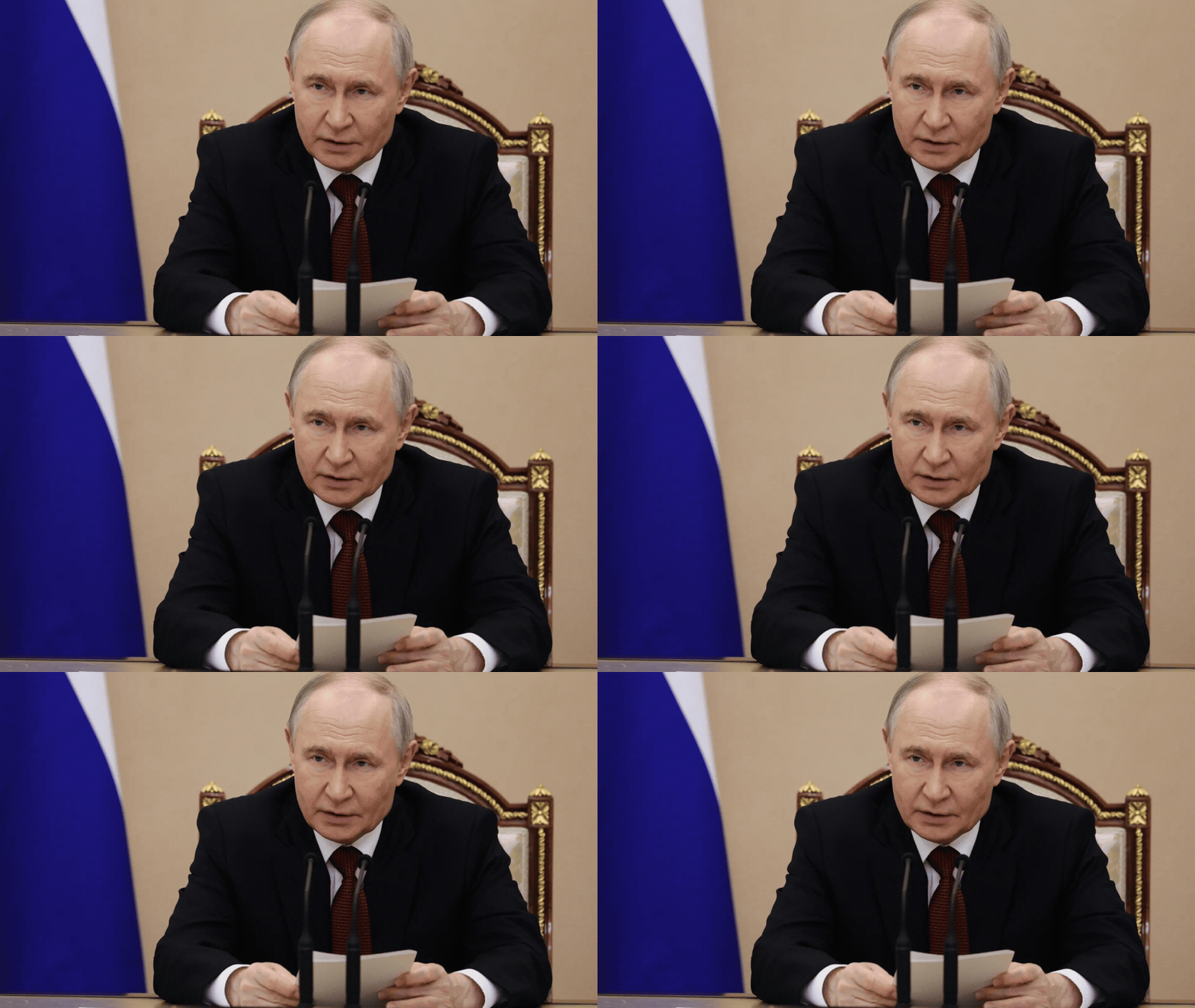
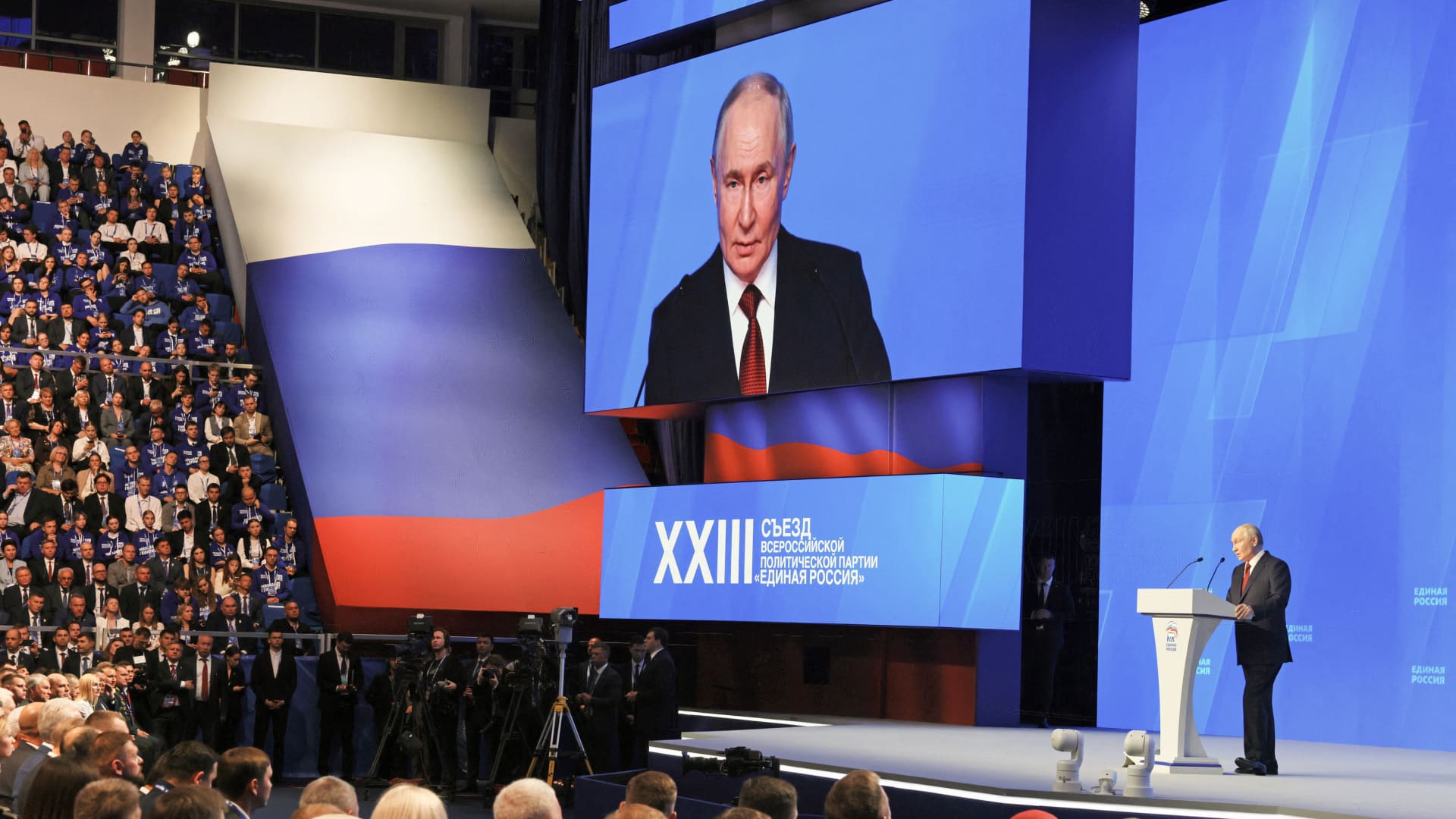
Vladimir Putin acknowledged on Sunday at a meeting with government ministers and other officials that Ukrainian drone strikes had triggered fuel shortages in some regions, but said that Russia was dealing with them.
347 words~2 min read