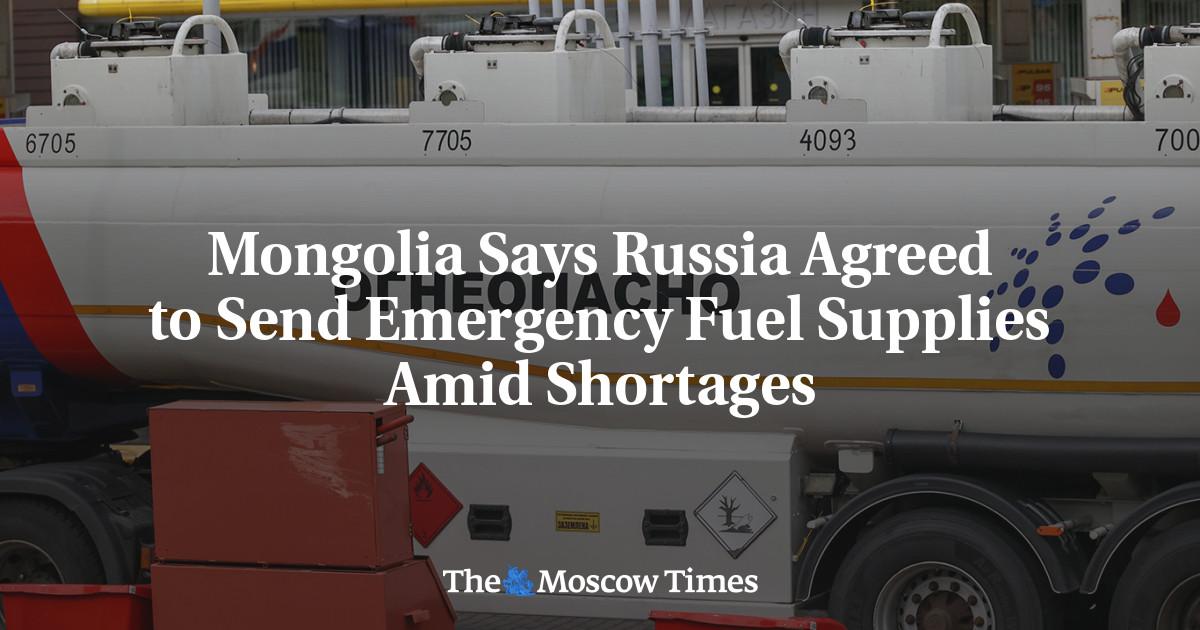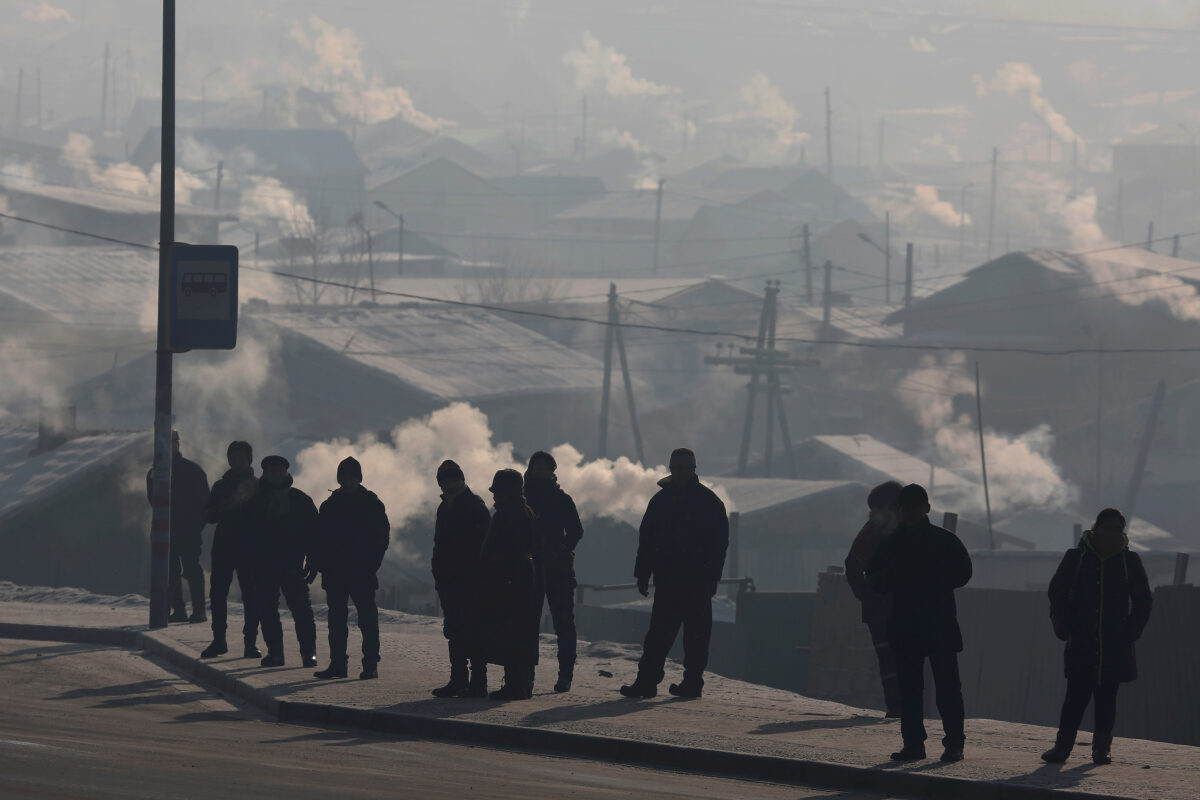
As Mongolians prepare for the back-to-school season while tourists prepare for long road trips, the transportation sector is in limbo. Long lines of cars wait for hours for fuel, sometimes to find no fuel at all. The government was forced to impose restrictions on fuel sales by limiting the maximum amount that can be purchased on select days.
The cause of the crisis can be attributed to both external geopolitical factors and internal country dynamics, highlighting Mongolia’s ongoing energy insecurity. The cure might be a path toward transportation electrification.
While Mongolia has proven crude oil deposits, the country is solely dependent on imported fuel, with 97 percent of it coming from Russia. The war in Ukraine and the conflict in the Middle East are creating instability in global energy systems, which could impact the supply side. However, despite the popular notion of delays in Russian fuel shipments to Mongolia, sources have not cited any “major” delays from Russia, which makes it harder to pinpoint the cause of the current situation.
Internally, urbanization and a mining boom in Mongolia have pushed demand higher, by up to 14 percent annually. For instance, Mongolia imported roughly 500,000 tonnes of petrol and diesel fuel in 2005; however, this number jumped five times higher within 20 years, reaching close to 2.7 million tonnes in 2025.