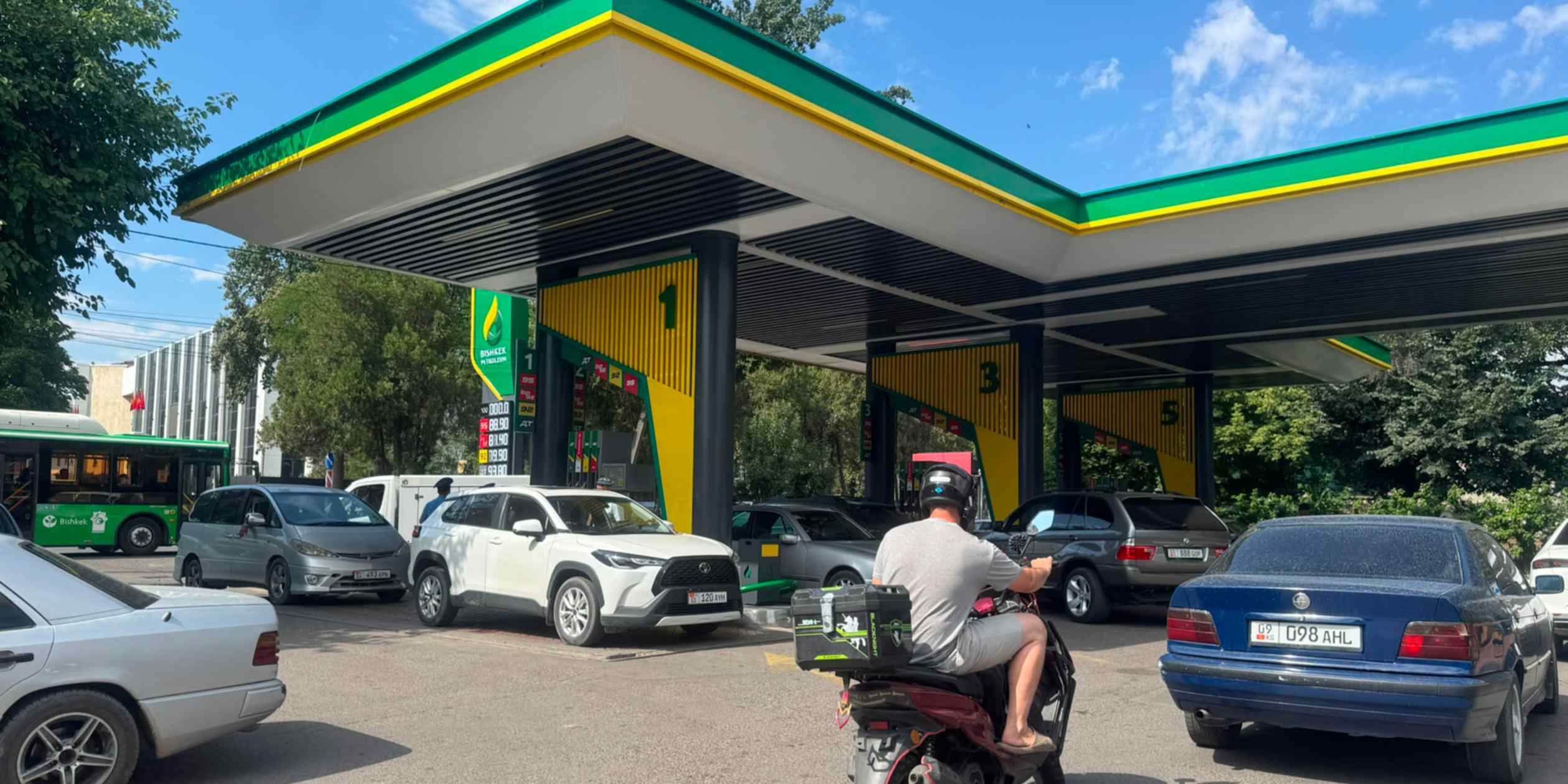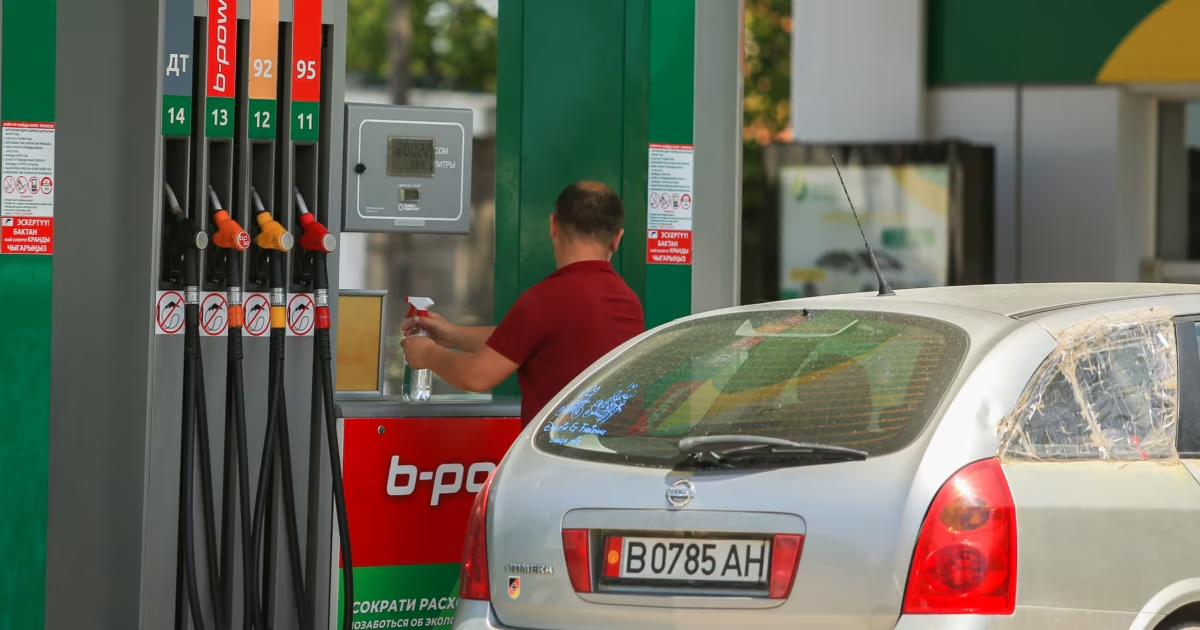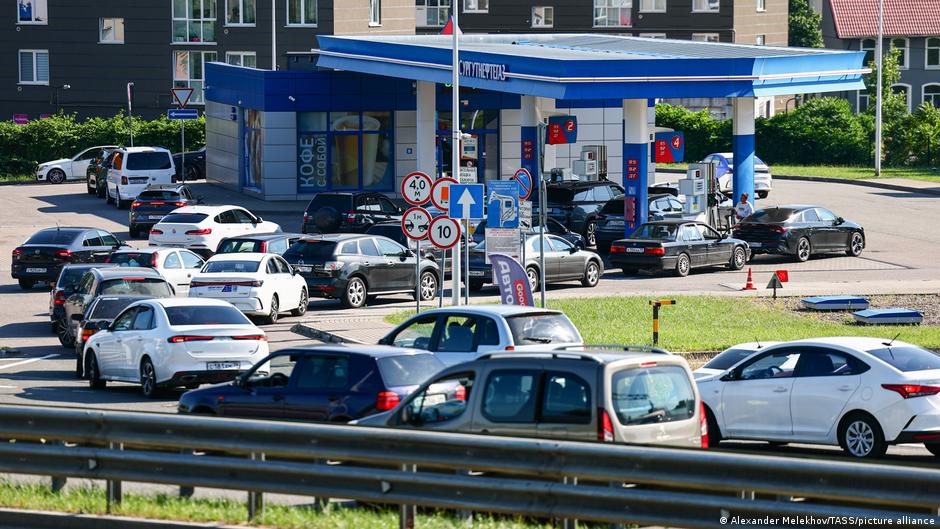
Several Central Asian governments have had to implement emergency fuel management measures in recent days amid a worsening regional fuel crisis prompted by Russia’s July 8 ban on diesel exports, and ongoing disruptions to its refining sector caused by Ukraine’s escalating drone campaign. Kyrgyzstan and Tajikistan are facing an especially bad supply crunch due to their near-total dependence on petroleum product imports from Russia, but other Central Asian governments are also being affected, with fuel prices rising across the entire region in recent weeks.
Moscow typically exempts petroleum product deliveries made to Central Asia from export restrictions under intergovernmental agreements within the auspices of the Eurasian Economic Union (EAEU), allowing fuel supplies to continue reaching the region even during domestic shortages or refining disruptions. Kazakhstan and Kyrgyzstan are both members of the EAEU, alongside Armenia, Belarus, and Russia.
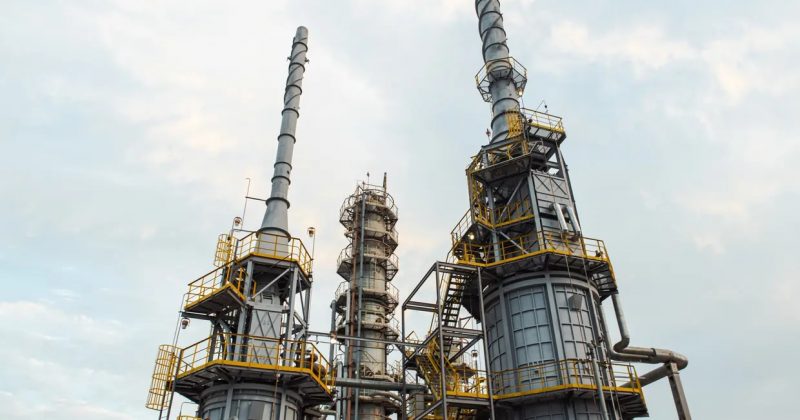
But due to Ukraine’s incessant attacks on both Black Sea energy infrastructure and harder-to-reach refining facilities as far inland as the Urals, the sheer amount of damage caused has raised serious questions about Russia’s ability to continue to honor these agreements.