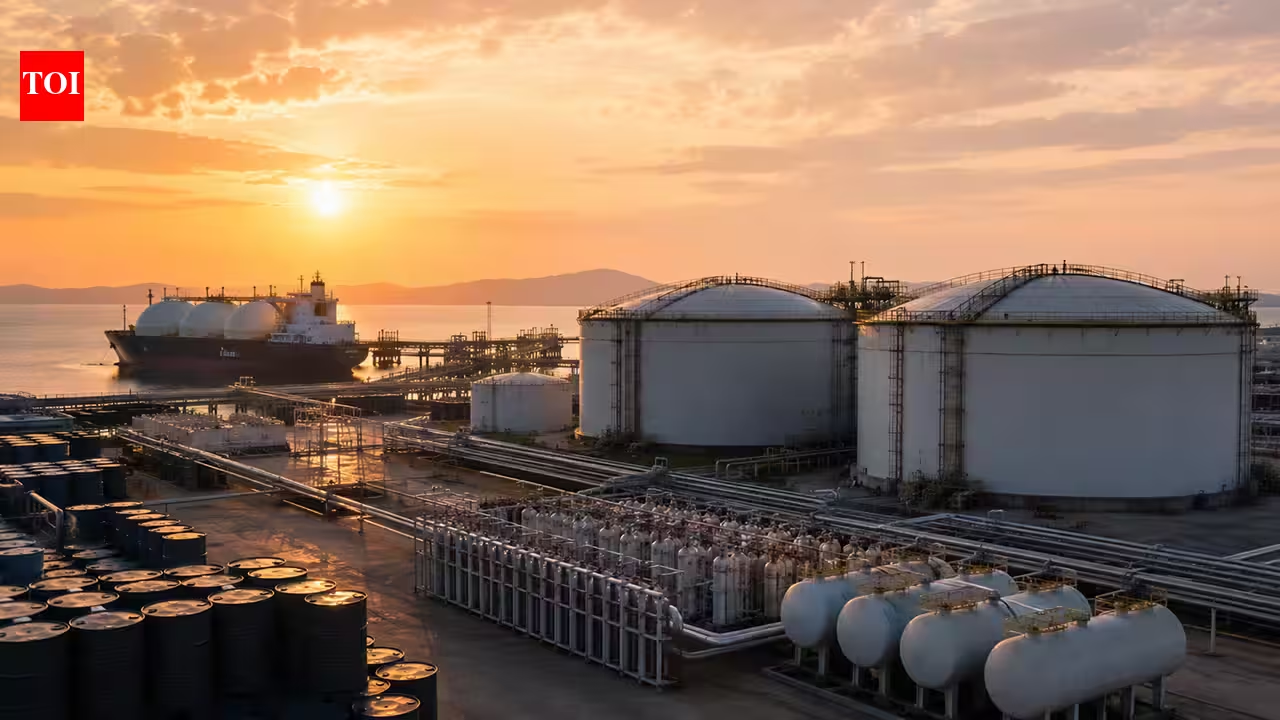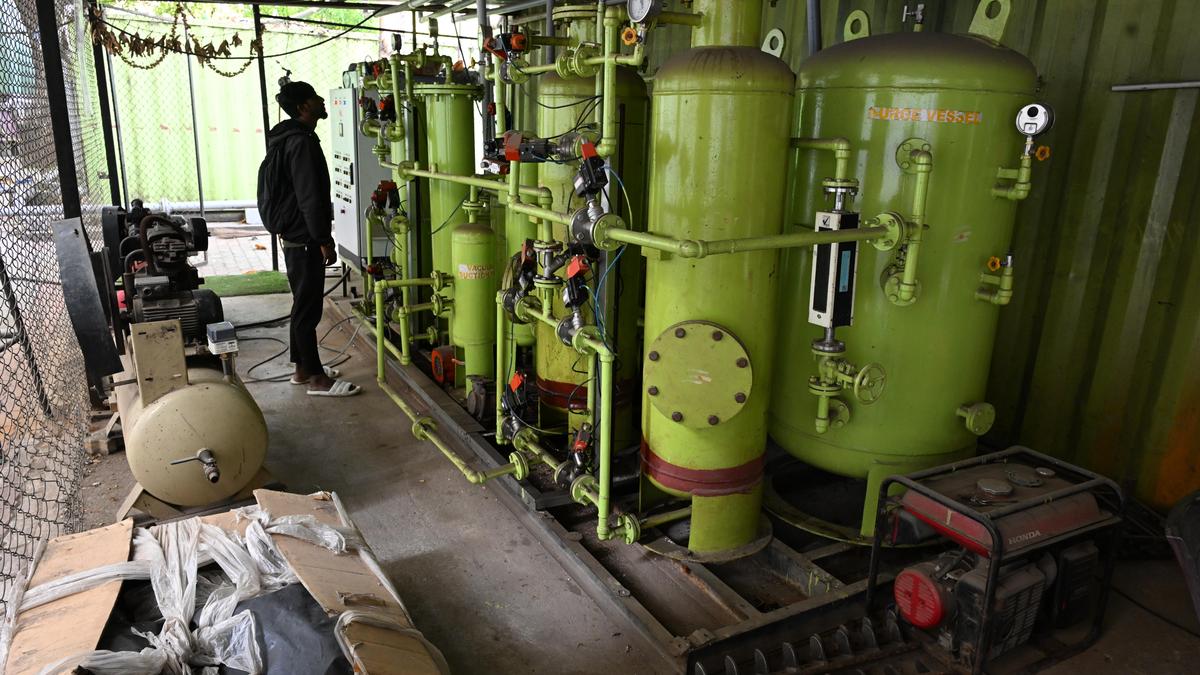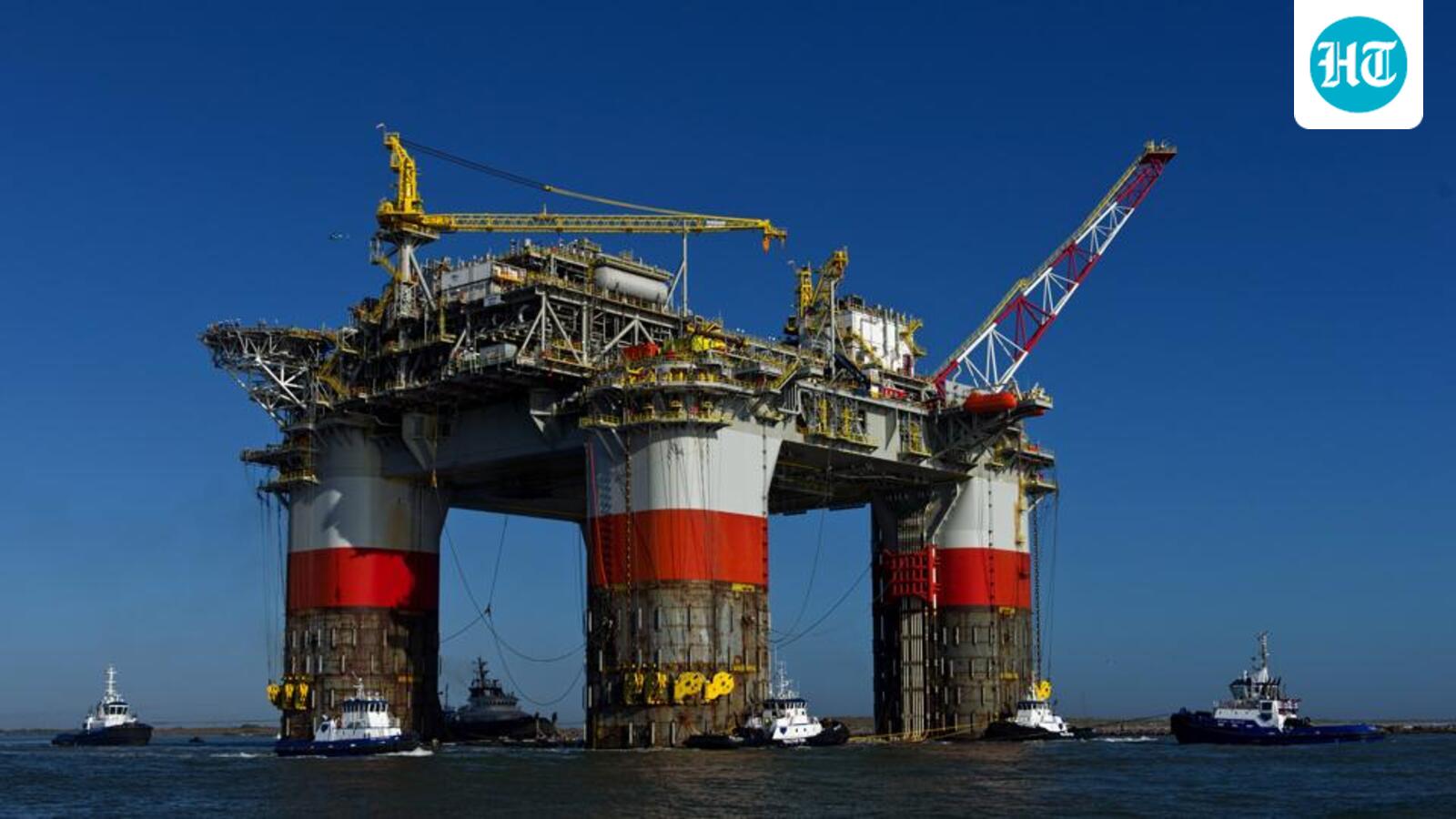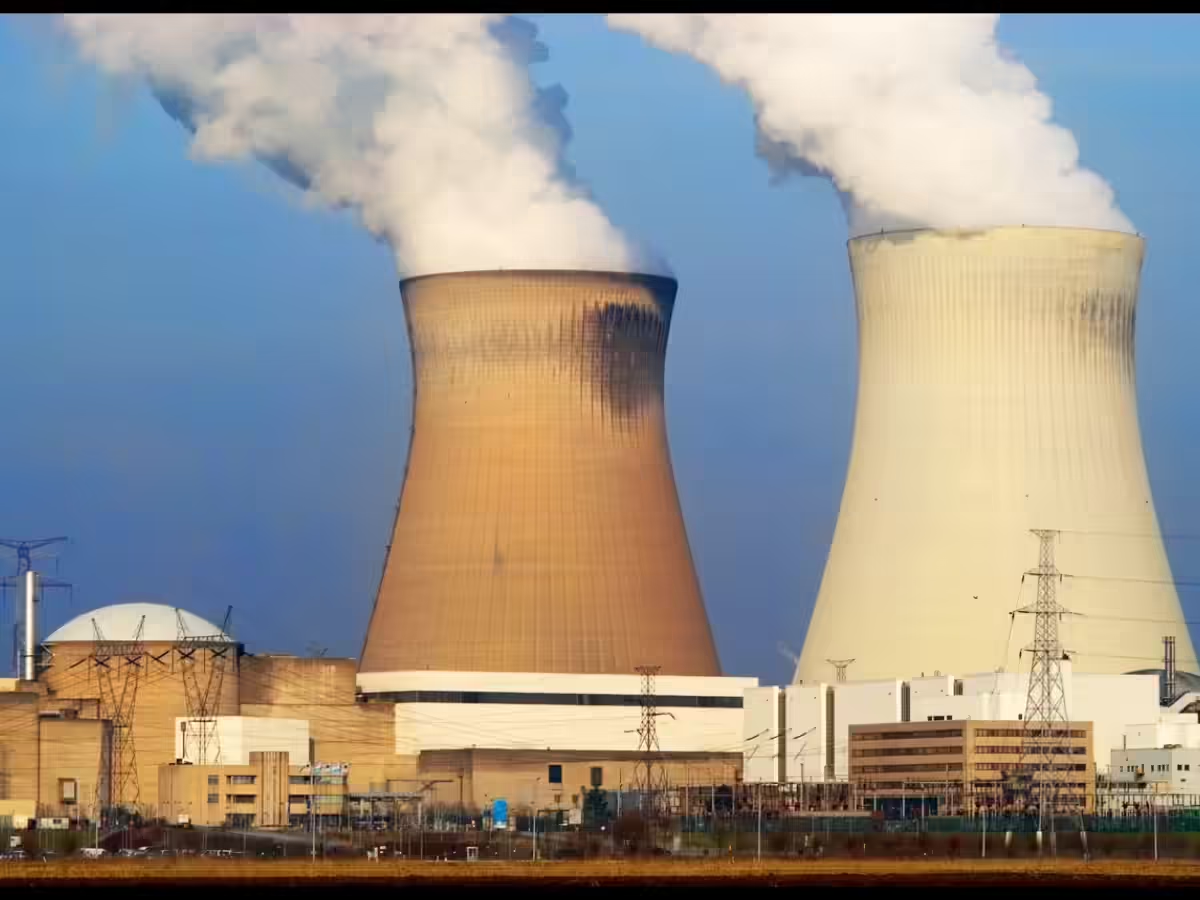
The Gulf war has highlighted India’s Achilles heel — a growing reliance on imported crude, Liquified Natural Gas (LNG) and Liquified Petroleum Gas (LPG). For India, moving away from petroleum fuels to renewable energy —solar, wind, nuclear or biofuel and to clean coal technologies — has a dual purpose.
It strengthens India’s strategic autonomy by reducing our import dependence for 85 per cent of crude, 45 per cent of LNG and 65 per cent of LPG consumption. Enhanced renewable capacity also contains our future carbon emissions which would otherwise increase in line with income growth. Pleading the Kyoto principle of “differentiated responsibilities” India’s Nationally Determined Contributions (NDC) propose net zero by 2070. China has opted for 2060 and most developed economies for 2050 — though US commitment is uncertain.
India’s NDC for the period 2031 to 2035, under the Paris Agreement 2015, were formalised in March. The secretariat of the United Nations Framework Convention on Climate Change uses this quinquennial submission to collate global energy transition plans. Does India’s NDC reflect a new resolve to accelerate our transition from petroleum consumption to, either non fossil fuels like compressed biogas or electrical vehicles in transport or induction stoves for cooking?