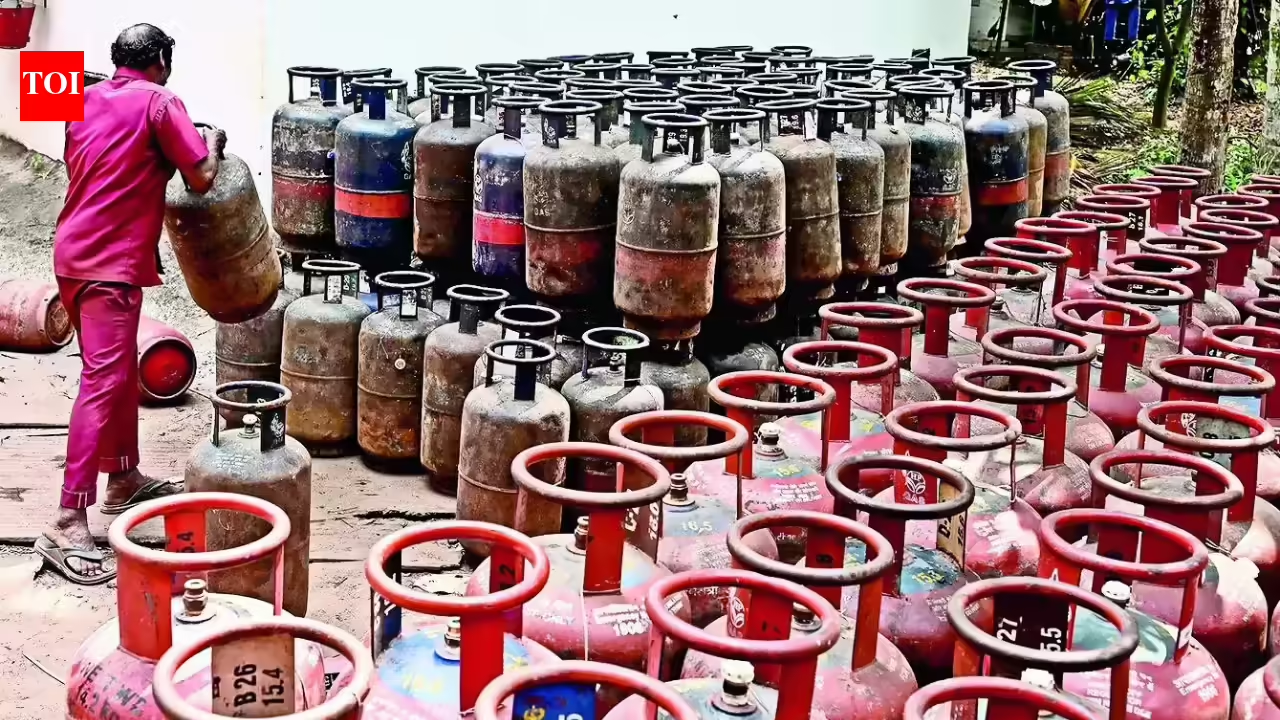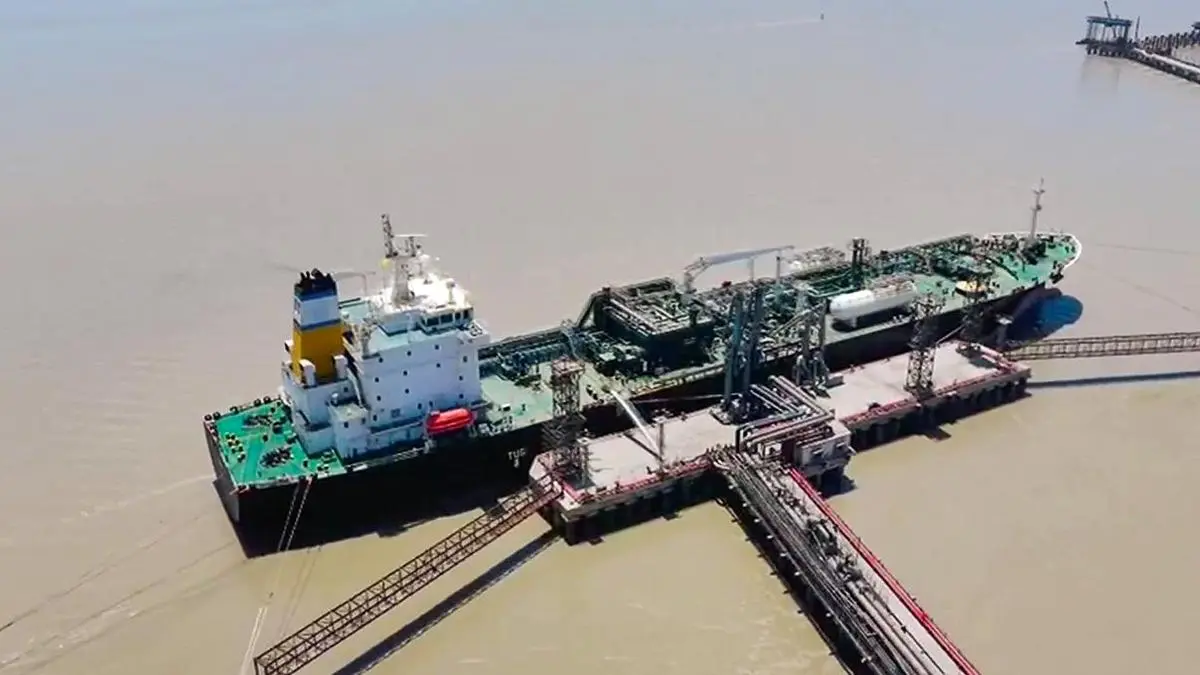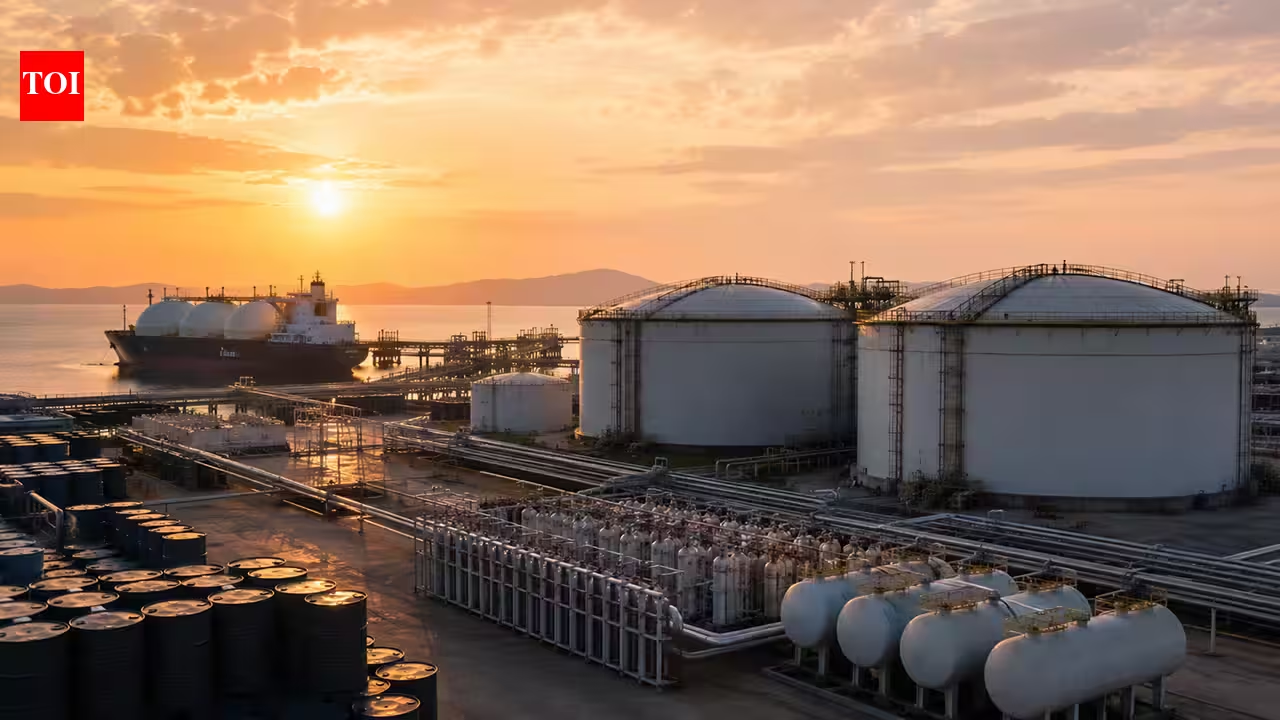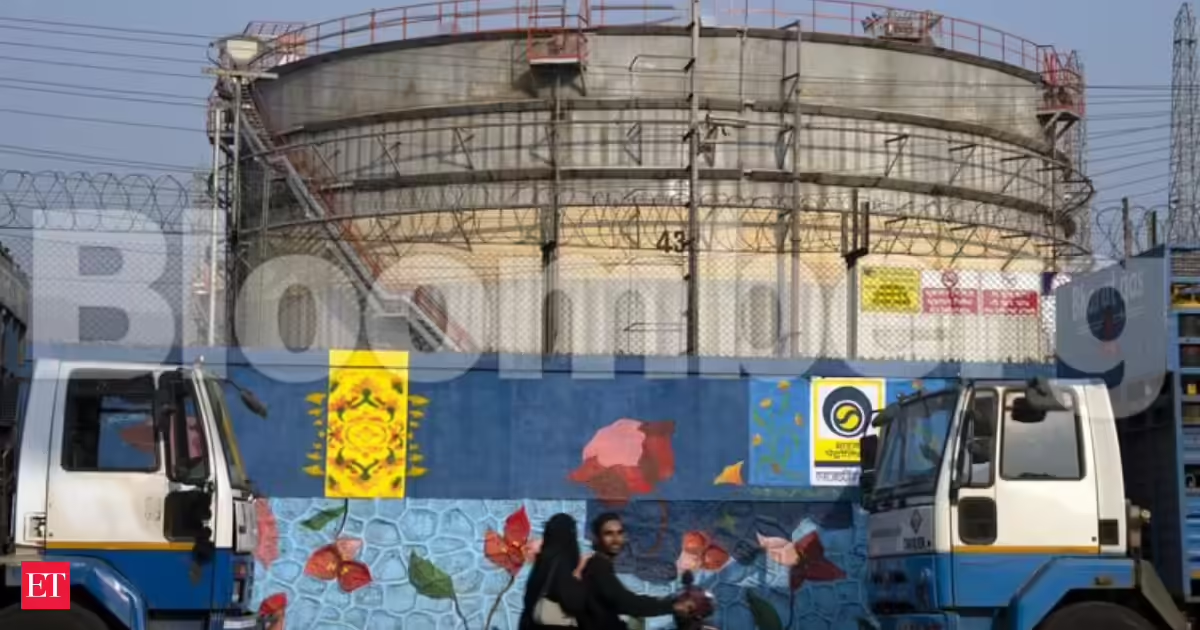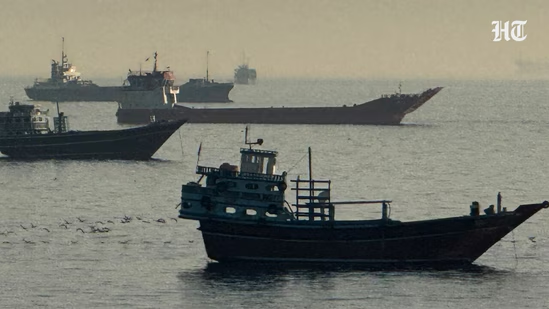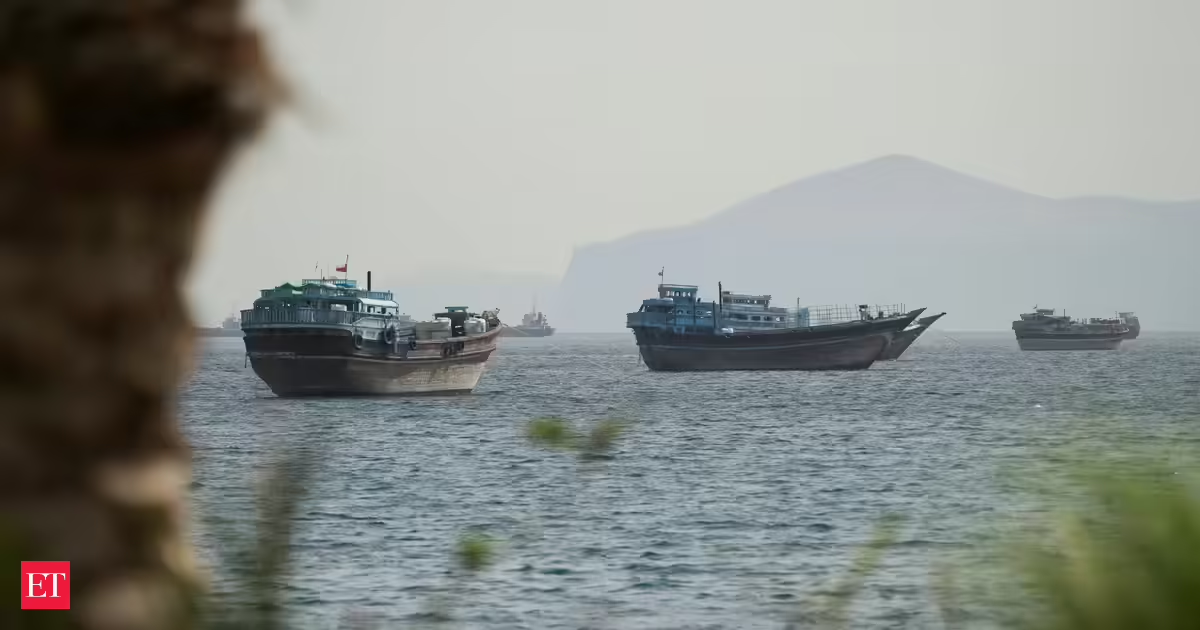
SynopsisIndia is bolstering its energy security by planning strategic reserves of crude oil, LPG, and LNG to cover up to a month's demand, aiming to prevent supply disruptions like those seen during the Persian Gulf crisis. This ambitious move follows a review of existing, limited stockpiles and includes expanding underground crude storage and addressing the challenges of storing gas.ReutersVessels sail through the Strait of HormuzIndia plans to build strategic reserves of crude, liquefied petroleum gas and liquefied natural gas large enough meet as much as a month of domestic demand, as the country seeks to avoid a repeat of the supply shock created by the war in the Persian Gulf.The oil ministry has set up a committee to study details including potential locations, operating models and the split between overground and underground storage, according to people familiar with the matter, who asked not to be named as the discussions are not public.The world’s most populous nation has been one of the most impacted by the aftermath of US and Israeli strikes on Iran, including the near-total closure of the Strait of Hormuz. The crisis exposed a heavy dependence on energy imports from the Middle East, but also laid bare the limits of stockpiles that should have acted as a buffer.India’s oil ministry did not immediately respond to queries on the plan.New Delhi currently has strategic crude reserves of about 39 million barrels, enough to cover around eight days of imports. That’s a fraction of the amount held by Asia’s other energy-consuming powerhouse — China — though inventories held by refiners and fuel retailers can together meet more than 70 days of oil demand. Strategic crude storage capacity is already being expanded with underground caverns on the country’s east and west coasts that will add more than double existing reserves, the people said, citing a plan that is expected to be achieved in about five years. The aim is to eventually have at least 120 million barrels, they added.Reserves of LPG and LNG, however, are almost non-existent, due to the difficulties with storing both — LPG is stored under pressure as a liquid, while LNG has to be kept in super-cooled temperatures. Both require rigorous safety protocols to avoid leaks or explosions.Read More: Taiwan is Open to Joining Potential Global LNG Strategic ReserveIndia’s long-term LPG storage capacity is just about 140,000 tons, primarily in underground rock caverns on its east and and west coasts and enough to meet roughly two days of national consumption, according to Bengaluru-based think tank Takshashila Institution. Although refineries and import terminals maintain additional inventories, the complexity and cost of storage means India has relied instead on continuous imports and distribution.The oil ministry has already asked state-run oil refiners to work on boosting LPG stockpiles for emergency use, the people said. For gas, the picture is even more challenging, as there are currently no strategic reserves. Last year, the government had floated a draft policy that would push terminal operators to maintain an LNG storage capacity equivalent to 10% more than their normal operational requirement — volumes which would be requisitioned by the government as needed.The LNG importers such as Petronet LNG Ltd. are already adding up new storage tanks. At the height of the Iran crisis, India was forced to ration supplies of diesel, LPG and gas, and reached out to other Asian buyers such as Japan and South Korea, which have reserves of LPG and LNG, for help managing shortfalls.Its efforts to build a safety net — the most ambitious effort to date to shield the country from future shocks — follows others in the region, including Singapore, Taiwan and Pakistan, all planning to boost storage to bolster energy security.Japan and India are also considering cooperating on LNG stockpiles, The Japan Times reported Sunday, citing unidentified sources. Japanese Prime Minister Sanae Takaichi and Indian Prime Minister Narendra Modi could reach an agreement during talks in New Delhi this week, the newspaper said.Read More News on...moreless
India plans to add strategic fuel reserves after Iran war shock
India is bolstering its energy security by planning strategic reserves of crude oil, LPG, and LNG to cover up to a month's demand, aiming to prevent supply disruptions like those seen during the Persian Gulf crisis. This ambitious move follows a review of existing, limited stockpiles and includes expanding underground crude storage and addressing the challenges of storing gas.
660 words~3 min read