“As long as the same passions and interests subsist among mankind, the questions of war and peace, of justice and policy, which were debated in the councils of antiquity, will frequently present themselves as the subject of modern deliberation” — Edward Gibbon
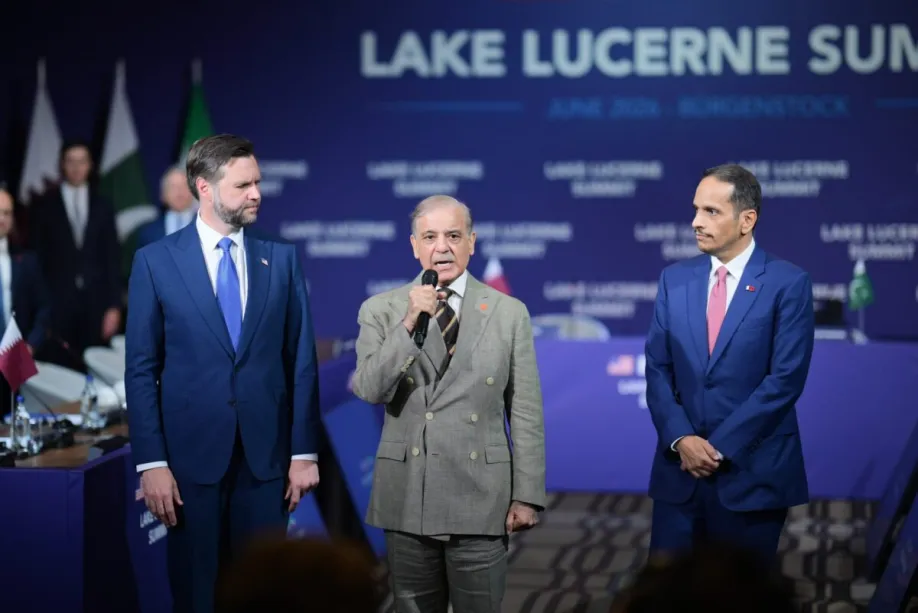
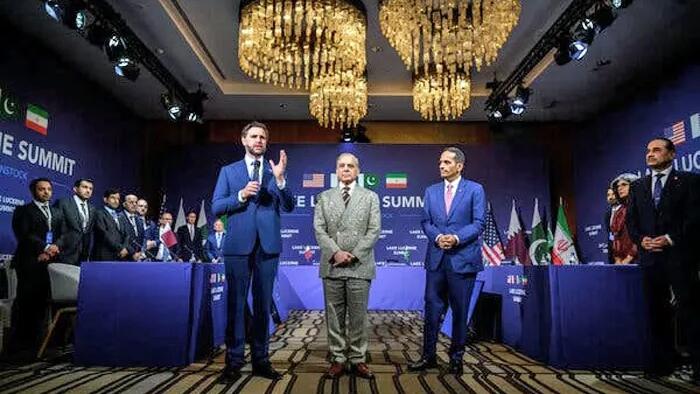
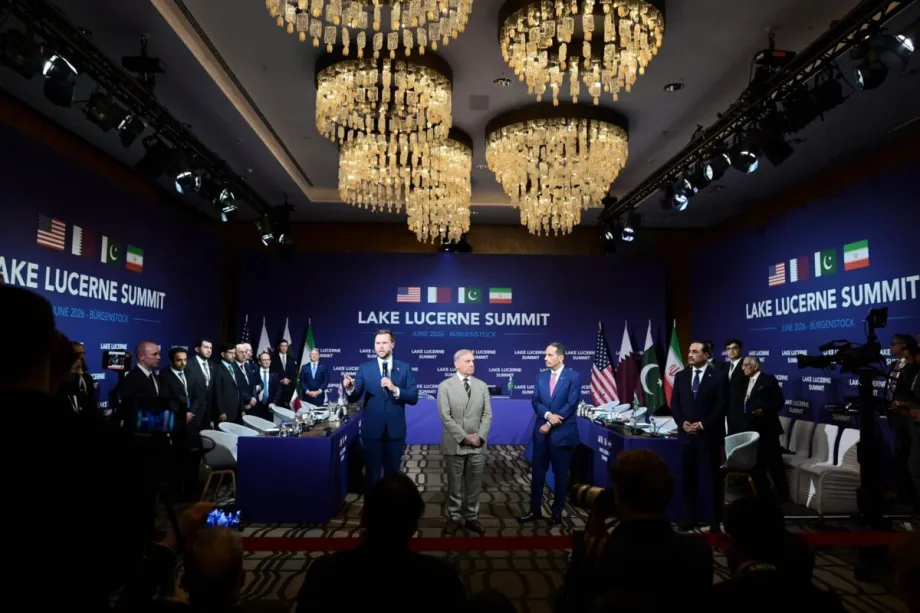
Edward Gibbon’s words ought to resound in the meeting rooms of Switzerland today, like bells tolling for all humanity. No man, woman or child is untouched by war, even when far removed from the theatre in which it is fought. Gibbon described war as the folly of mankind and a disgrace and calamity of human nature. Nothing could be more relevant to the present moment.
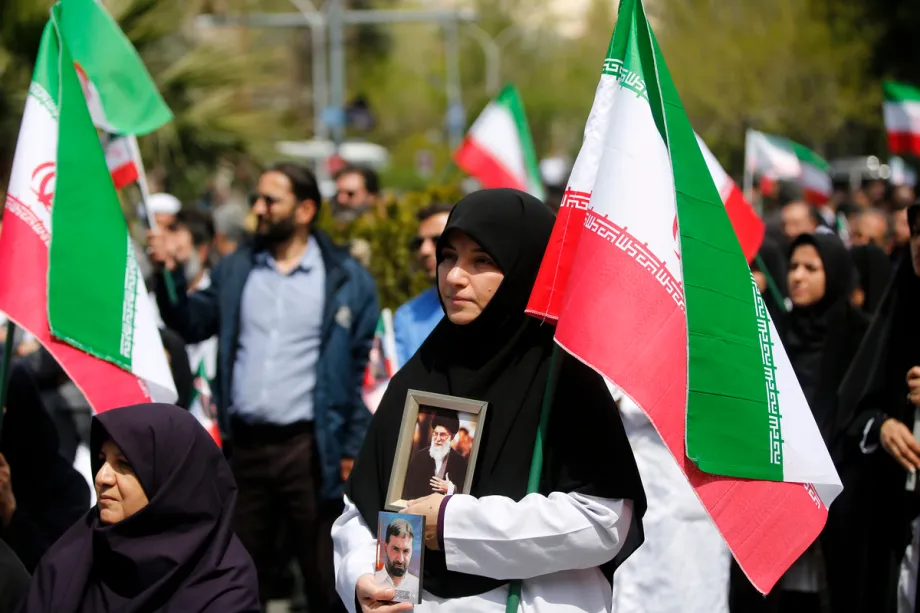
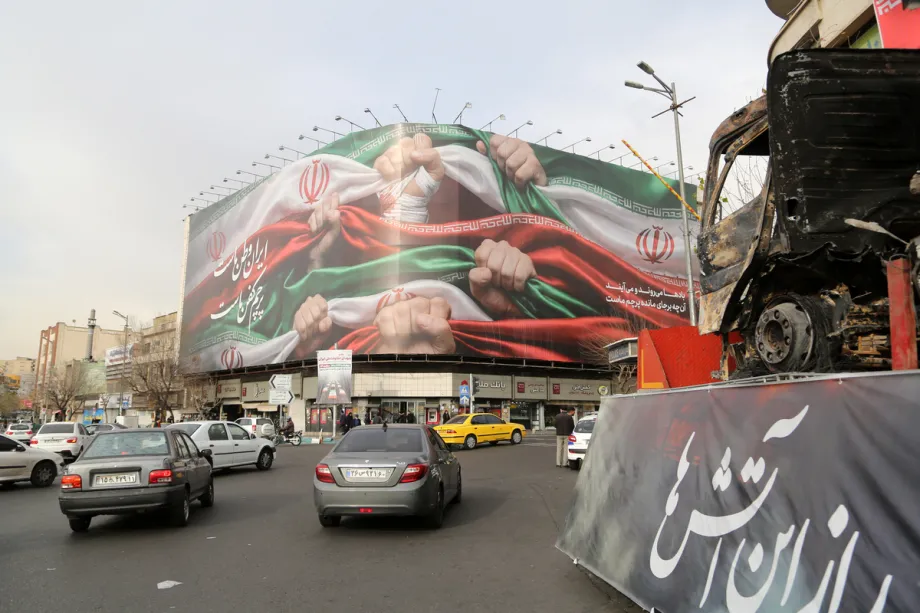
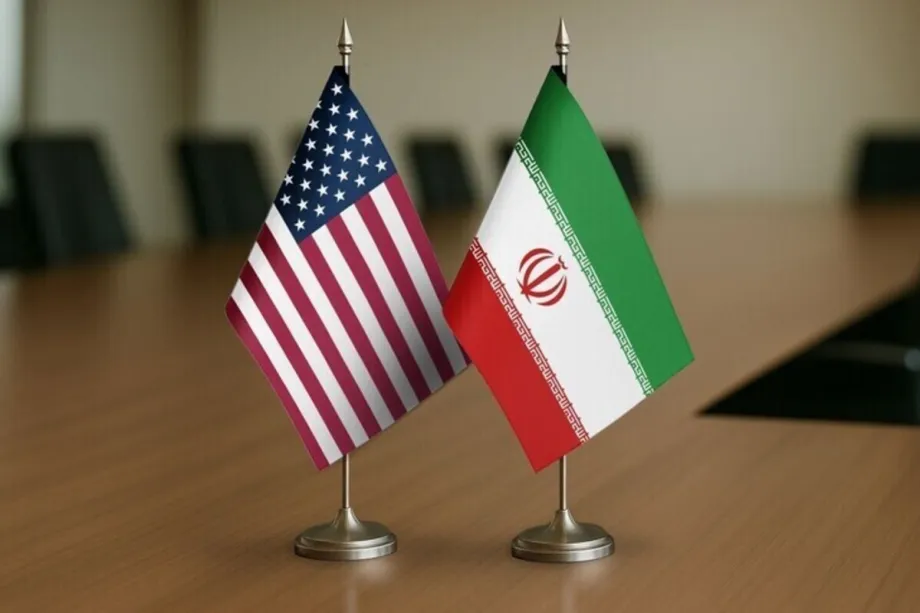
The United States and Israel entered their conflict with Iran in the belief that military superiority would yield swift political success; that a country burdened by internal tensions, sanctions and external pressure would collapse under sustained force. Such calculations have often proved dangerous.
Eighty-five years ago, another Western leader, Adolf Hitler, imagined that a single decisive blow would bring down the Soviet Union. Instead, the Red Army resisted at Moscow, Stalingrad, Leningrad, Sevastopol, Ukraine and the Caucasus, before driving German forces all the way back to Berlin.