Listen
/
1.0x
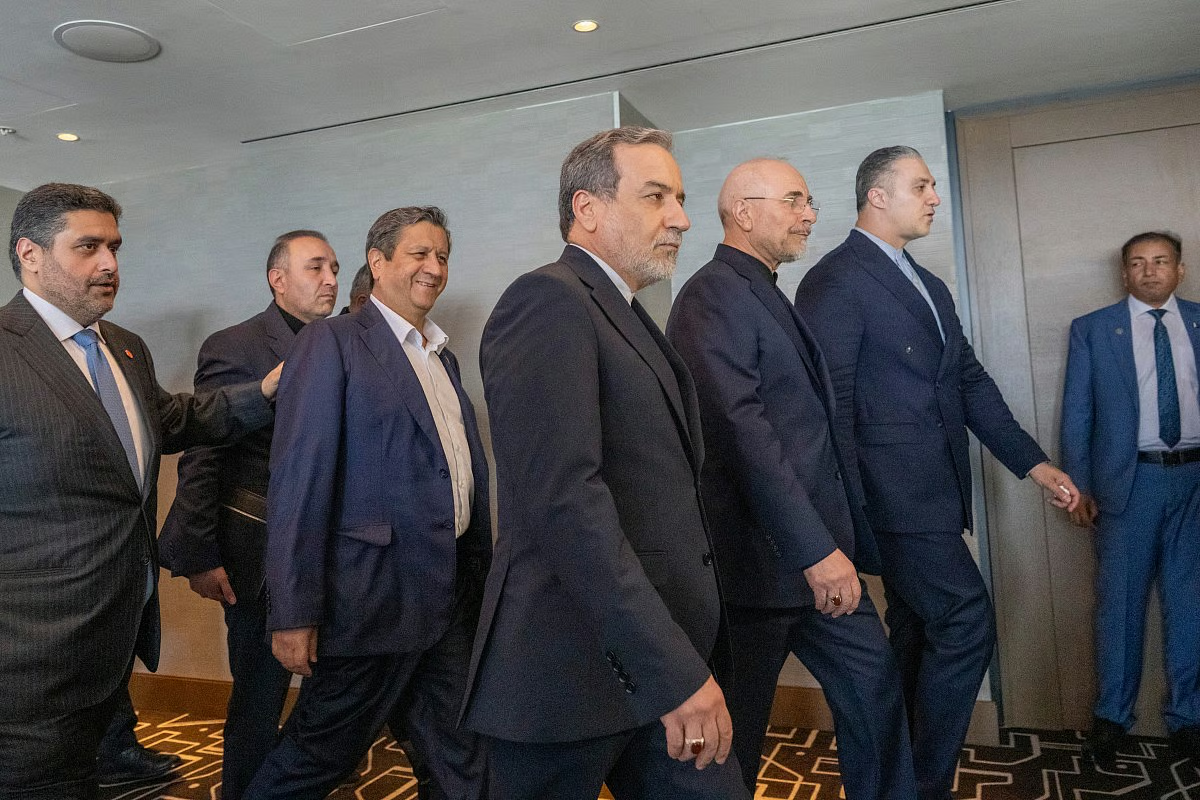
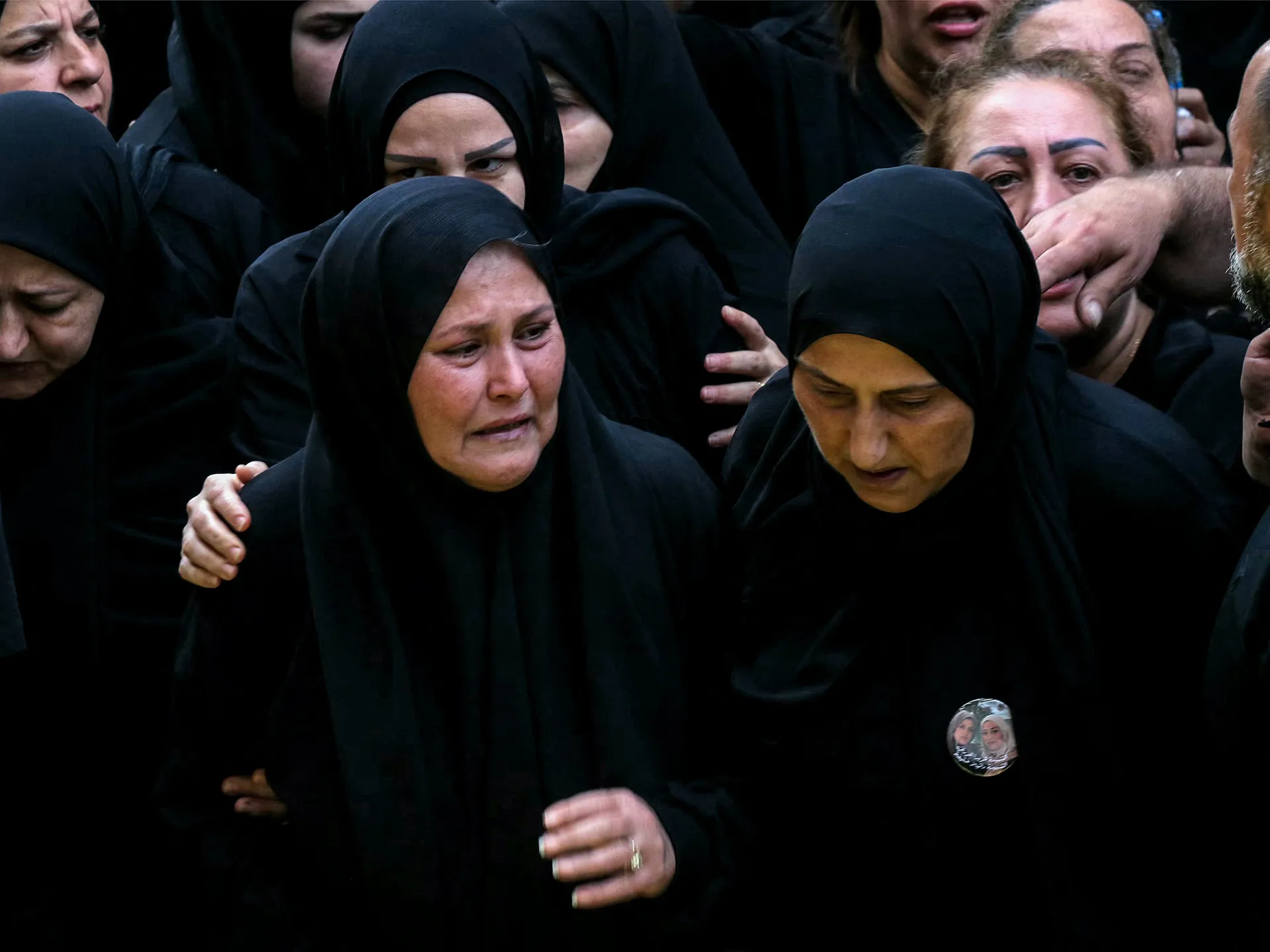
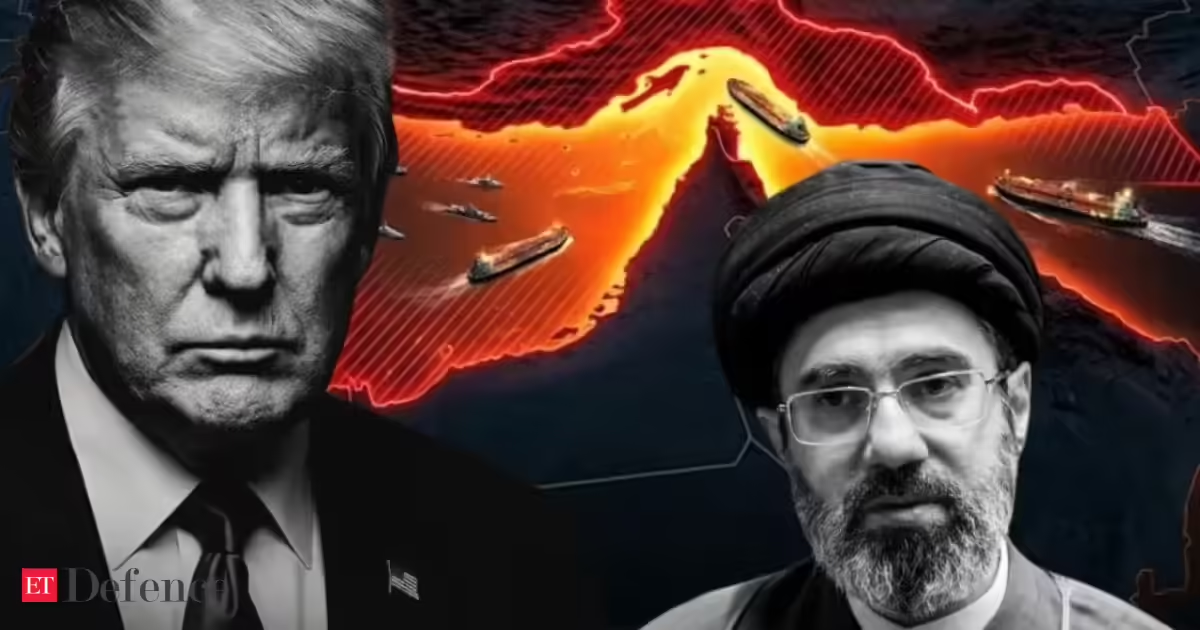
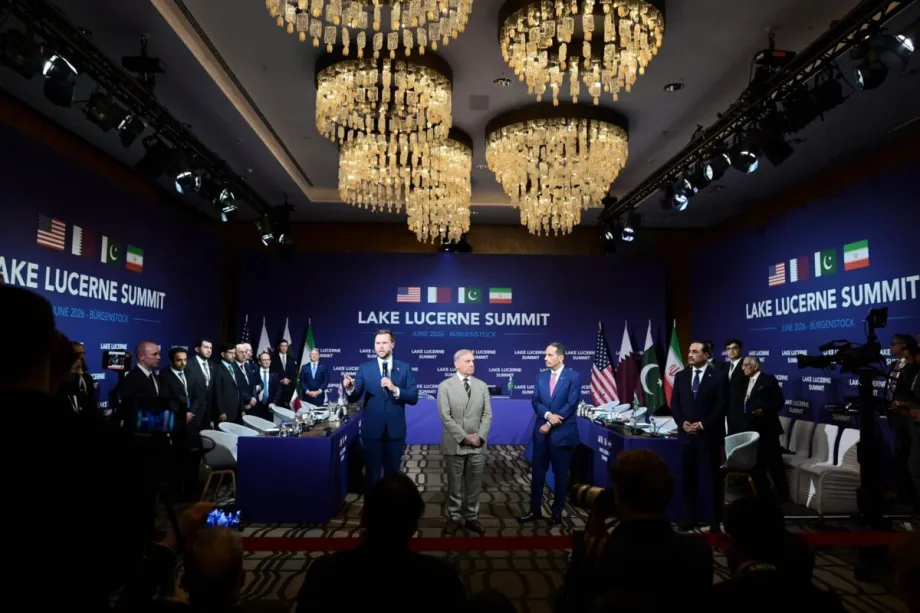
When U.S. and Iranian negotiators left Switzerland on June 22, the important result was not a final peace treaty. Mediators said the two sides had made “encouraging progress” toward a 60-day roadmap, established political oversight, and begun further technical talks. That matters. But it does not erase the fact that the path from a ceasefire to a durable settlement remains crowded with unresolved questions: Iran’s nuclear program, sanctions relief, the future of shipping through Hormuz, and the fighting in Lebanon.
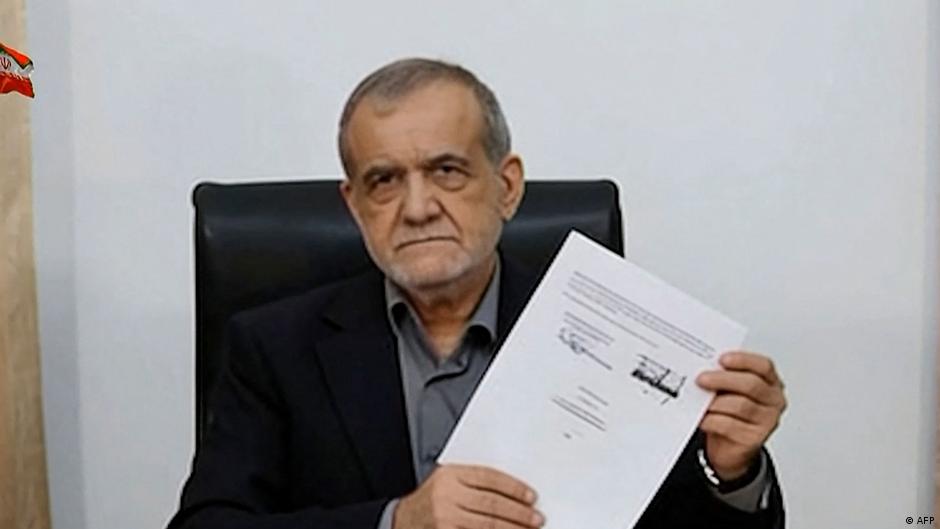
The Islamabad Memorandum of Understanding should therefore not be read as a clean victory for either Tehran or Washington, much less as proof that both have already won. It is better understood as a provisional mutual exit from a war in which neither side could reach its maximum objectives at an acceptable cost. The agreement’s real value is not that it ends every dispute. It is that it gives both governments a chance to stop turning limited gains into a much larger regional disaster.