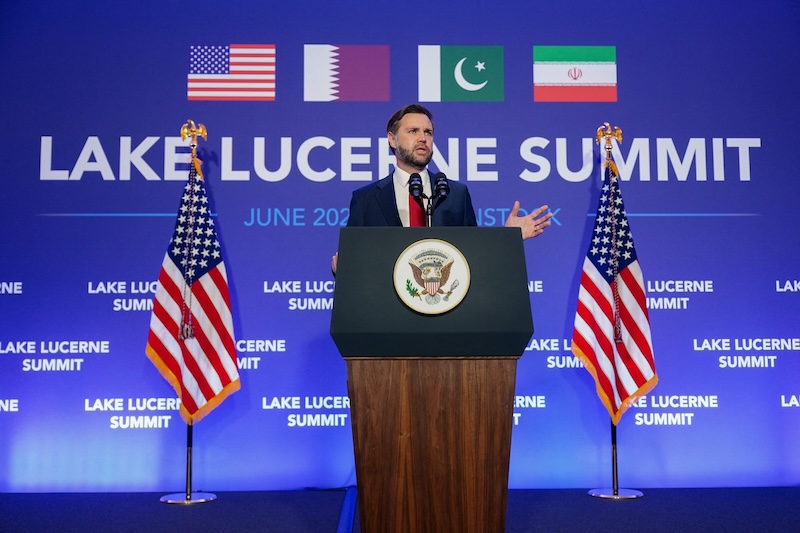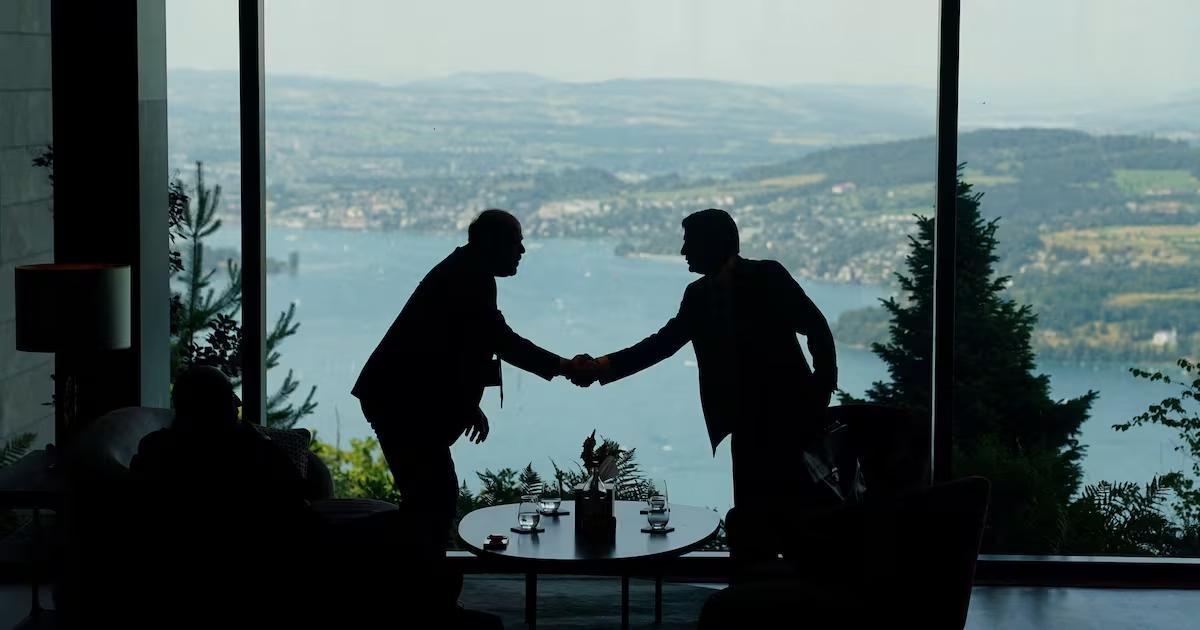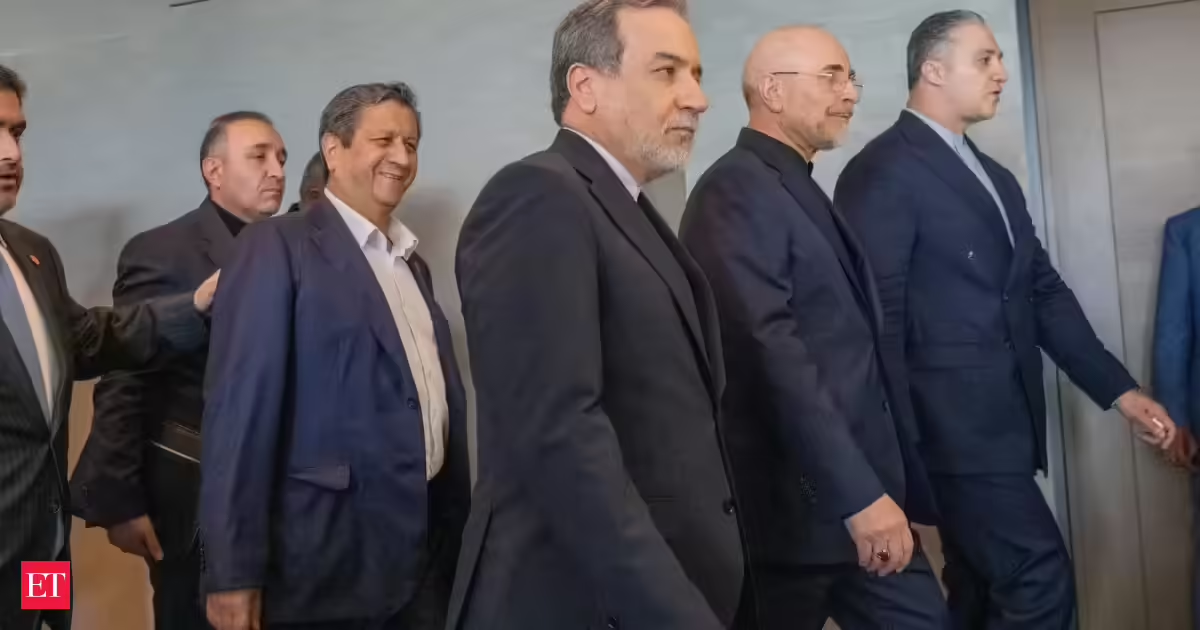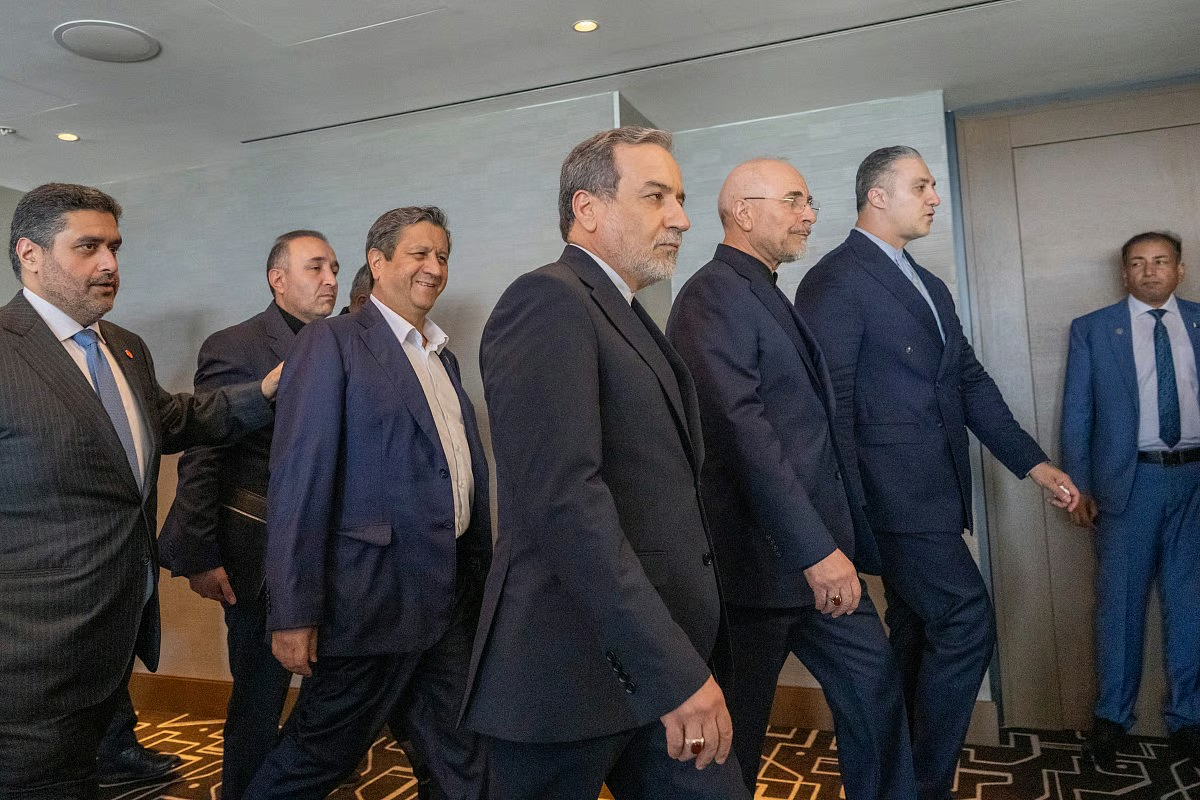
Fragile ceasefire talks advance as US and Iran map 60-day peace roadmapLast updated: June 22, 2026 | 10:562 MIN READIran's delegation including Minister of Foreign Affairs of Iran Abbas Araghchi (C) and Speaker of the Islamic Parliament of Iran, Mohammed Bagher Ghalibaf (3rdR) arrive for a quadrilateral meeting between the United States, Iran, Pakistan and Qatar at the Burgenstock luxury hotel complex near Lake Lucerne, Switzerland, on June 21, 2026, as part of talks aimed at advancing a deal to end the Middle East conflict.AFPUS and Iranian negotiators made what mediators described as "encouraging progress" in high-level talks aimed at turning a fragile ceasefire into a broader peace agreement, despite a rocky start triggered by President Donald Trump's renewed threats against Iran.After the first day of negotiations at the Bürgenstock resort in Switzerland, mediators Pakistan and Qatar said the discussions were held in a "positive and constructive atmosphere" and resulted in a roadmap for continued negotiations over the next 60 days. Get updated faster and for FREE: Download the Gulf News app now - simply click here.Iranian Foreign Minister Abbas Araghchi said the talks achieved "major progress" with the help of the two mediators, while US officials said discussions covered Iran's nuclear programme, maritime security in the Strait of Hormuz and efforts to prevent renewed fighting in Lebanon.DiplomacyThe negotiations are the latest phase of diplomacy following last week's US-Iran memorandum of understanding, which halted months of conflict and established a 60-day window to negotiate a permanent agreement. While the interim accord reduced immediate military tensions, key issues — including the future of Iran's uranium enrichment programme, sanctions relief, the release of frozen Iranian assets and long-term security guarantees — remain unresolved.Talks stalled briefly after Trump warningIran's delegation temporarily stepped away from the negotiations before returning following mediation by Pakistan and Qatar.The episode highlighted differing public messages from Washington. While Trump issued fresh military threats, Vice President JD Vance, who is leading the US delegation, described the negotiations as productive and emphasised diplomacy as the best path toward a lasting settlement.One of the tangible outcomes announced Sunday was an agreement to establish a direct communication mechanism and a joint deconfliction cell intended to reduce the risk of military incidents in Lebanon and improve maritime coordination in the Strait of Hormuz, a critical global oil shipping route.Optimistic toneDespite the optimistic tone, officials cautioned that the most difficult negotiations still lie ahead. Any final agreement must bridge longstanding differences over Iran's nuclear activities, the scope of sanctions relief, regional security arrangements and verification measures — issues that have repeatedly derailed previous diplomatic efforts.For now, mediators said both sides remain committed to dialogue, raising cautious hopes that the most significant US-Iran diplomatic engagement in decades could eventually produce a comprehensive agreement.Get Updates on Topics You ChooseUp Next
US, Iran make 'encouraging progress' in high-stakes peace talks despite tensions sparked by Trump remarks
Fragile ceasefire talks advance as US and Iran map 60-day peace roadmap
463 words~2 min read