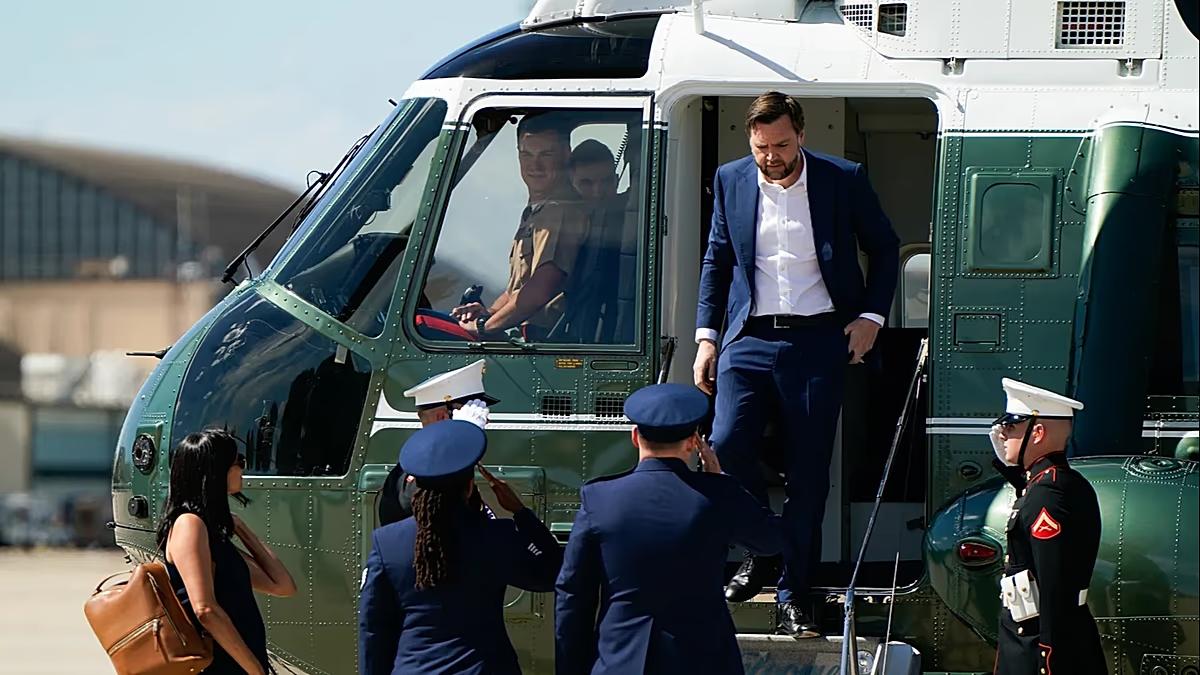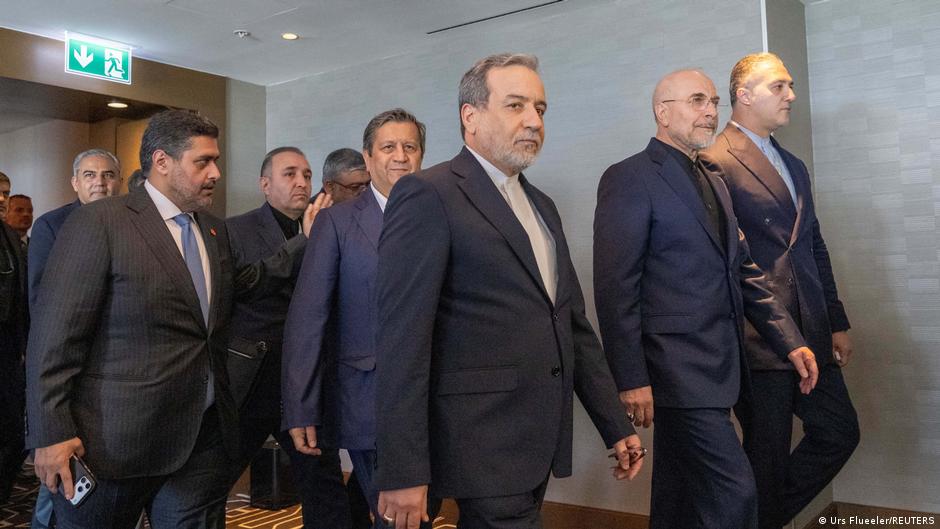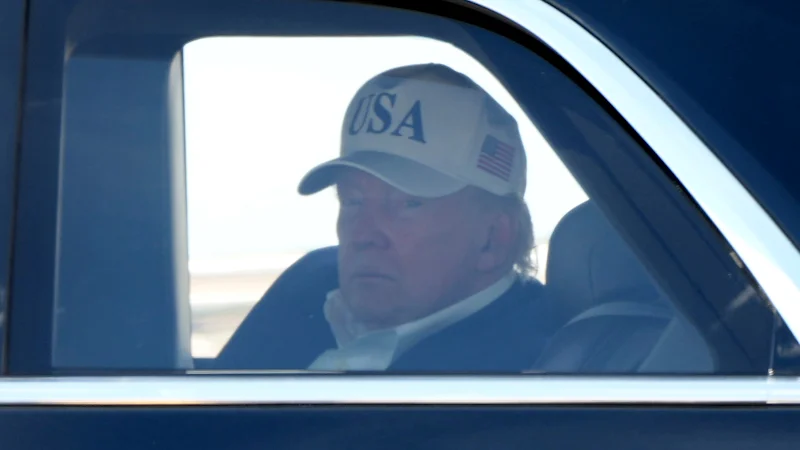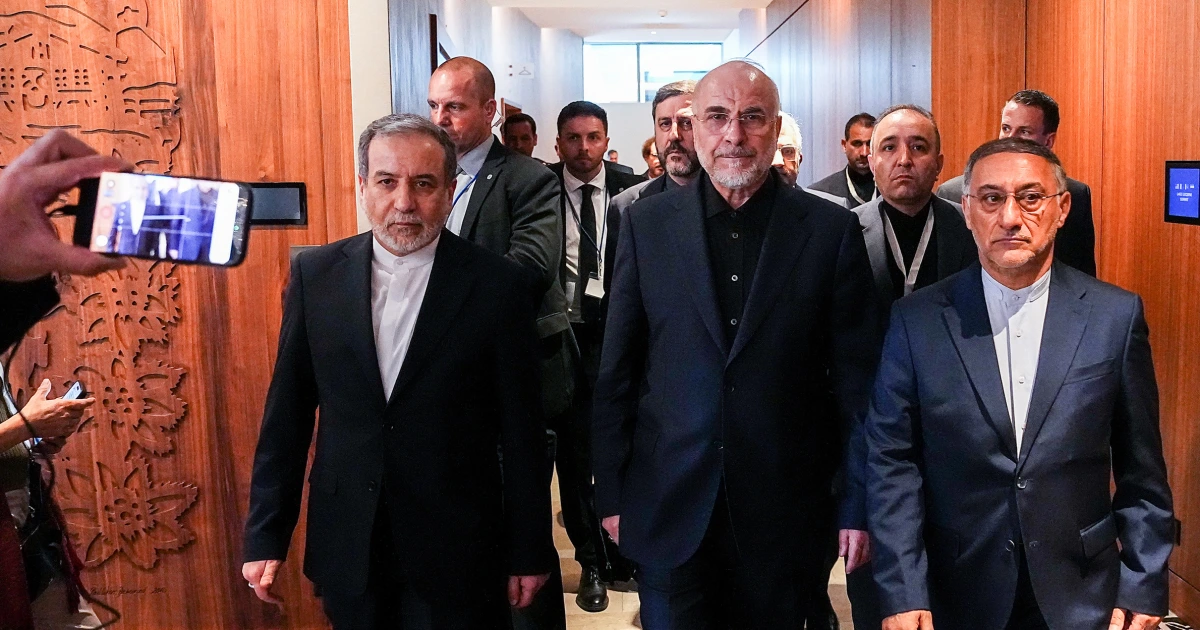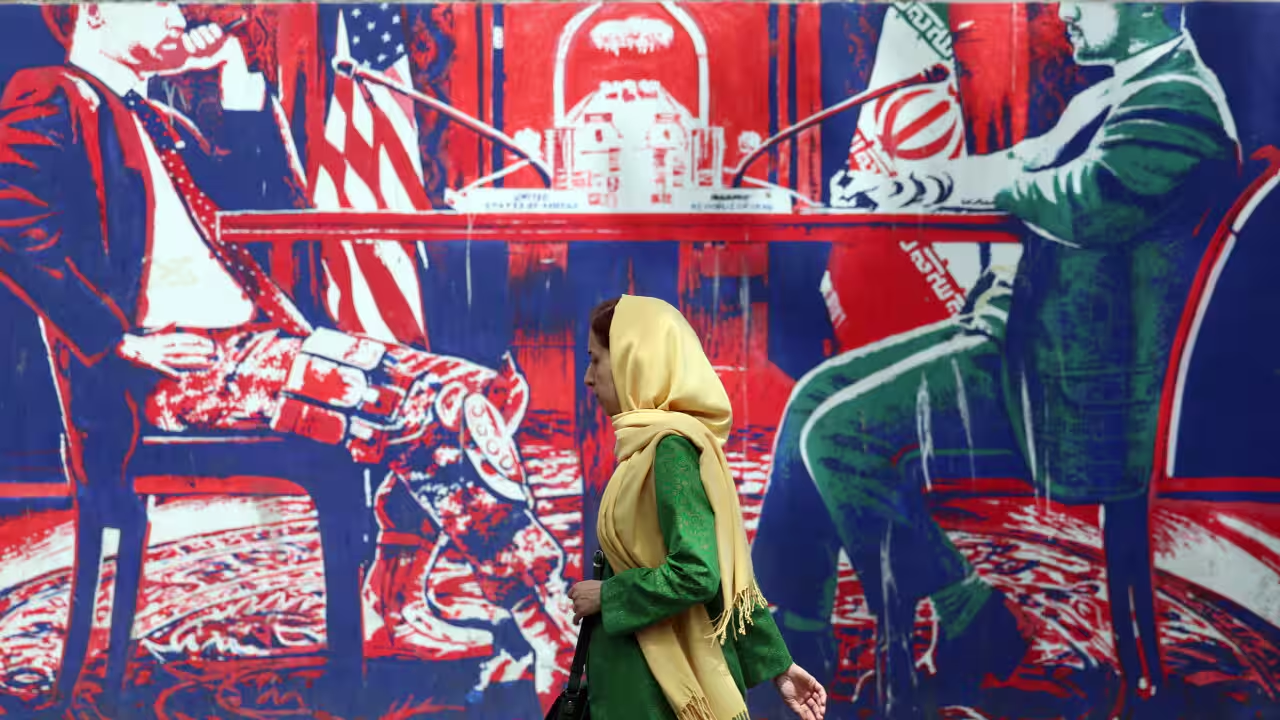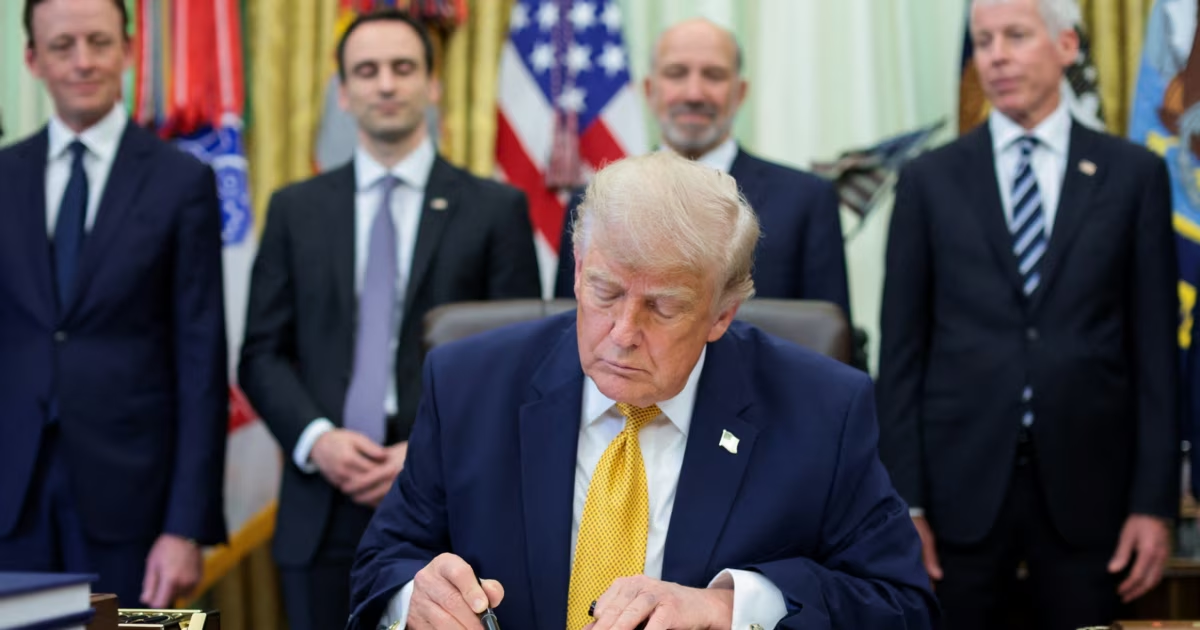
Iran and the United States cited progress in talks toward reaching a final peace deal, though comments from both sides highlighted the fragile state of negotiations.Hours after US Vice President JD Vance left Switzerland on June 22 after a round of talks over the weekend that he said made "good progress," President Donald Trump issued a warning to Tehran that "I will do what I have to do" if it does not stick to its agreement with Washington."If Iran doesn't live up to their agreement, or if they're not behaving, I will do what I have to do," Trump told reporters in Washington. He did not elaborate.
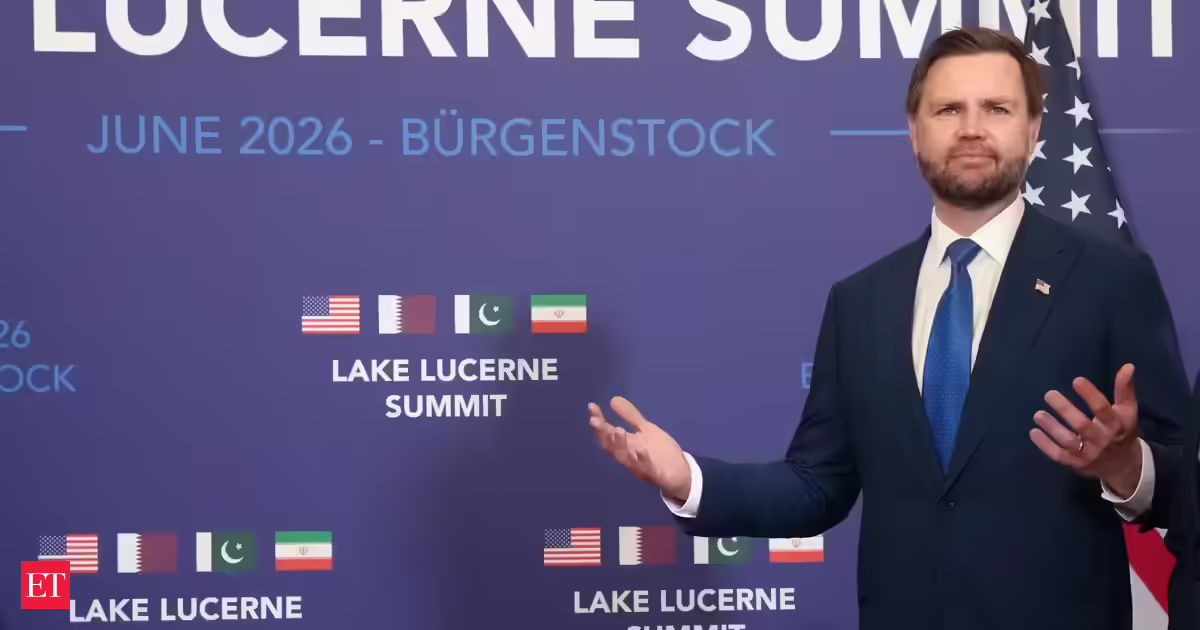
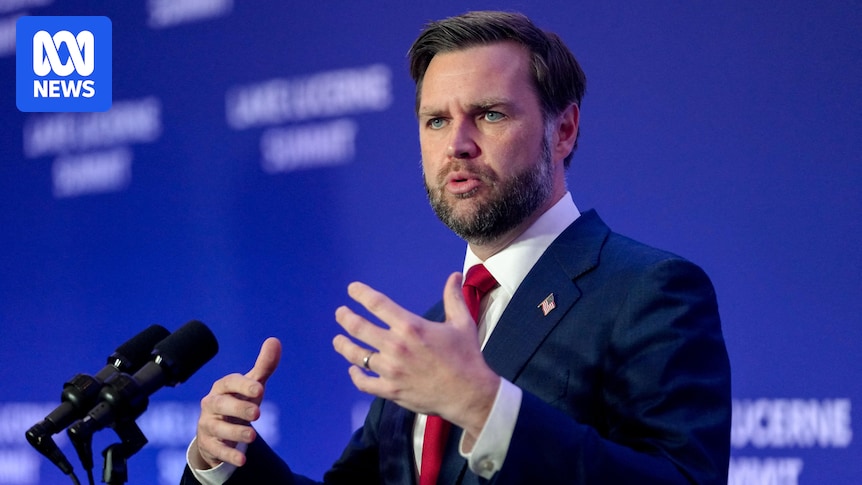
Vance had noted movement on a framework toward reaching a final peace deal within 60 days, including the guarantee of safe passage through the Strait of Hormuz, an end to fighting in Lebanon, and Tehran's acceptance of visits by international nuclear inspectors."We laid a very good foundation for a successful final deal," Vance told reporters on June 22 at the Burgenstock resort in central Switzerland after talks between the two sides went through the night."The final deal is the house. We set the foundation; we haven't built the house, but we've laid a successful foundation to get to a good place for the American people."That foundation appeared solid enough for Washington to announced that it has allowed Iran to produce, deliver, and sell its oil on international markets as part of a framework agreement for peace talks reached between the two countries last week."In line with the ongoing productive talks in Switzerland, Iran has committed to free and open transit in the Strait of Hormuz and to permit International Atomic Energy Agency (IAEA) inspectors into their country," Treasury Secretary Scott Bessent said in a post on X on June 22."As part of the framework, Treasury has issued a temporary 60-day general license authorizing the production, delivery, and sale of Iranian oil."Meanwhile, US Secretary of State Marco Rubio is headed to the United Arab Emirates, Kuwait, and Bahrain this week on his first official visit to the Gulf since the outbreak of the Iran war on February 28.The diplomatic mission will also look to reassure regional allies of the Trump administration's strategic trajectory with Tehran.Iran also gave a positive assessment of the talks, with its top negotiator, parliamentary Speaker Mohammad Baqer Qalibaf telling Iranian state television that Tehran has agreed to have a communication line regarding the passage of vessels through the Strait of Hormuz.He added that a signing for the release of $12 billion in frozen Iranian assets has been finalized during the talks as well. He did not give any further details on the release of the funds.