June 10, 2026
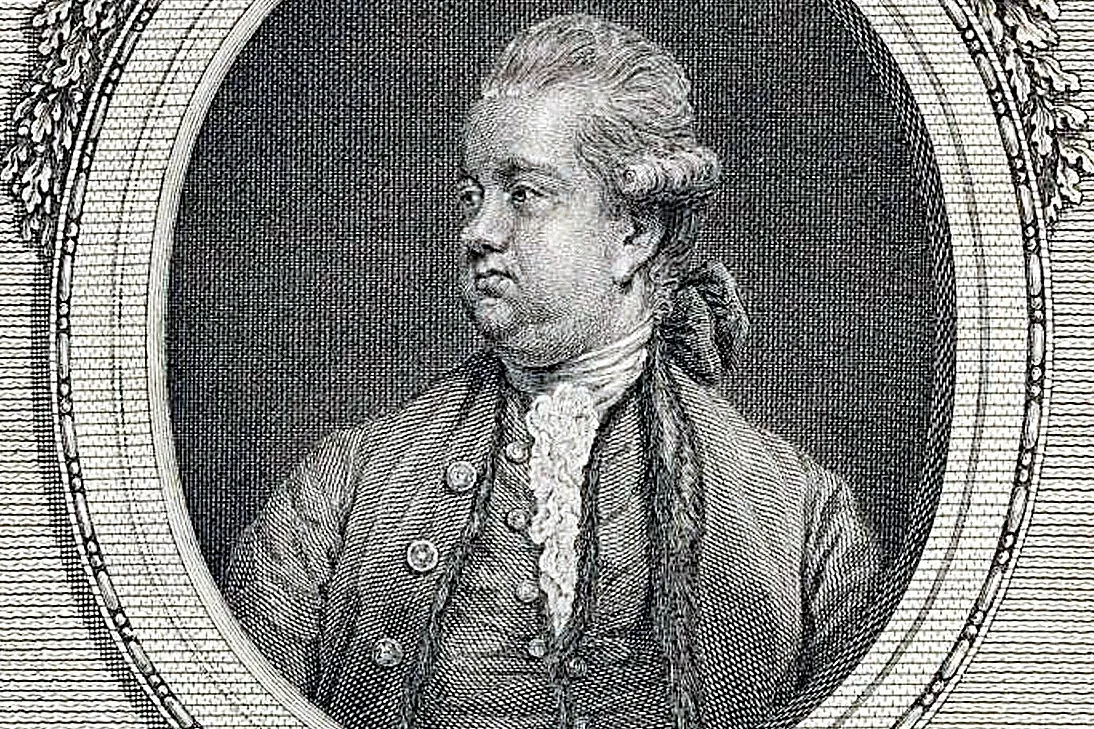
“The power of Rome was attended with some beneficial consequences to mankind; and the same freedom of intercourse which extended the vices, diffused likewise the improvements of social life,” Edward Gibbon
Let me begin by stating that for the last forty years or so I have kept close to me the stupendous work of the great historian Edward Gibbon, The History of the Decline and Fall of the Roman Empire, whether here at home in Nigeria or during my years abroad. It has remained, in many respects, one of my constant companions in thought and reflection. Over the years I have drawn deep insights from this voluminous work and applied its lessons to many situations in my life, career and writings.
Gibbon’s account of Rome is not merely a history of emperors, wars, intrigues, cruelties, foibles, conquests and institutions. It is, above all, a profound meditation on power, order, discipline, civic virtue, institutional resilience, moral decay and the consequences of administrative decline. To read Gibbon seriously is to understand that great states do not collapse suddenly. They first lose their standards, their habits of discipline, their respect for institutions, and their confidence in the rules that once held them together.