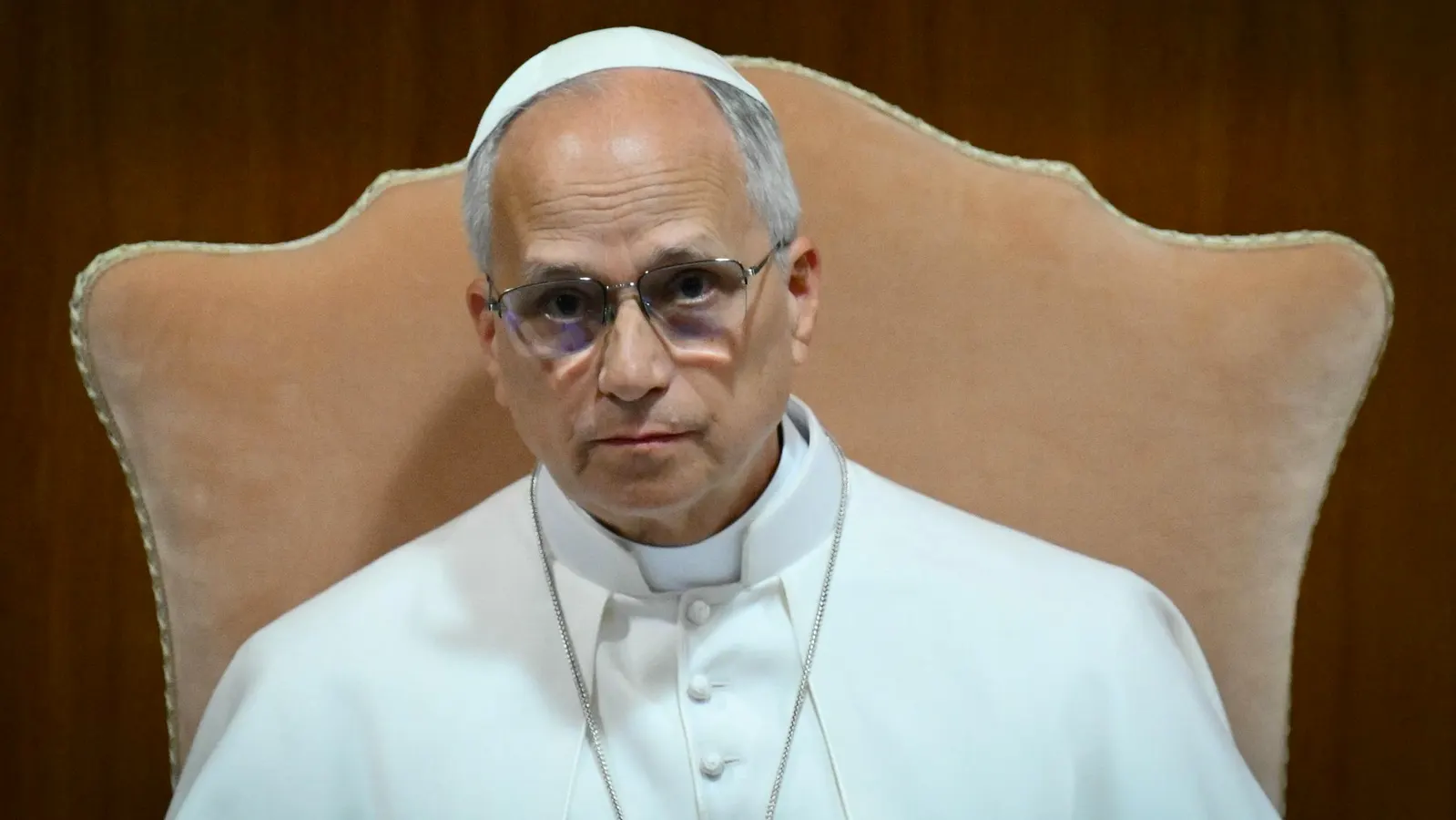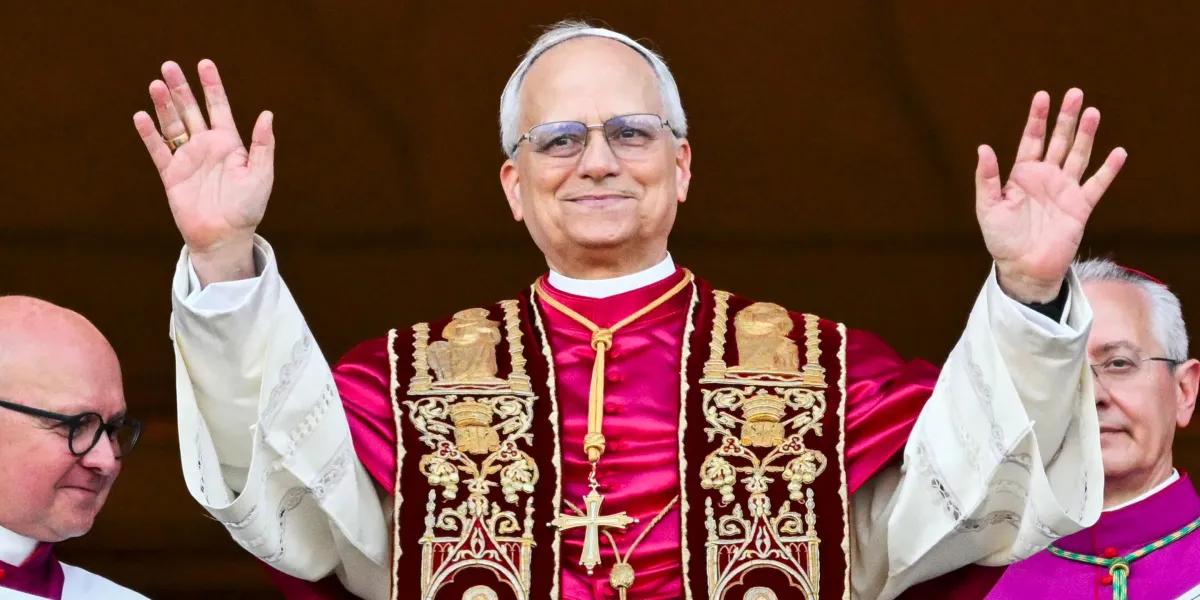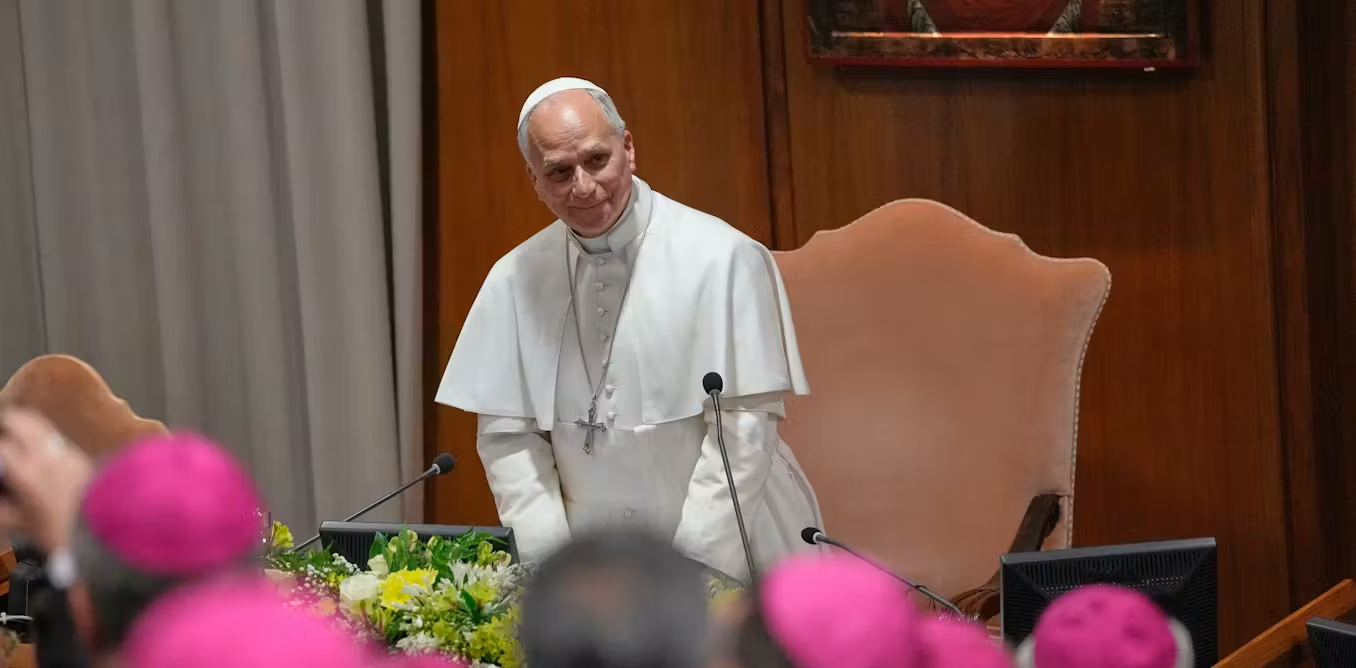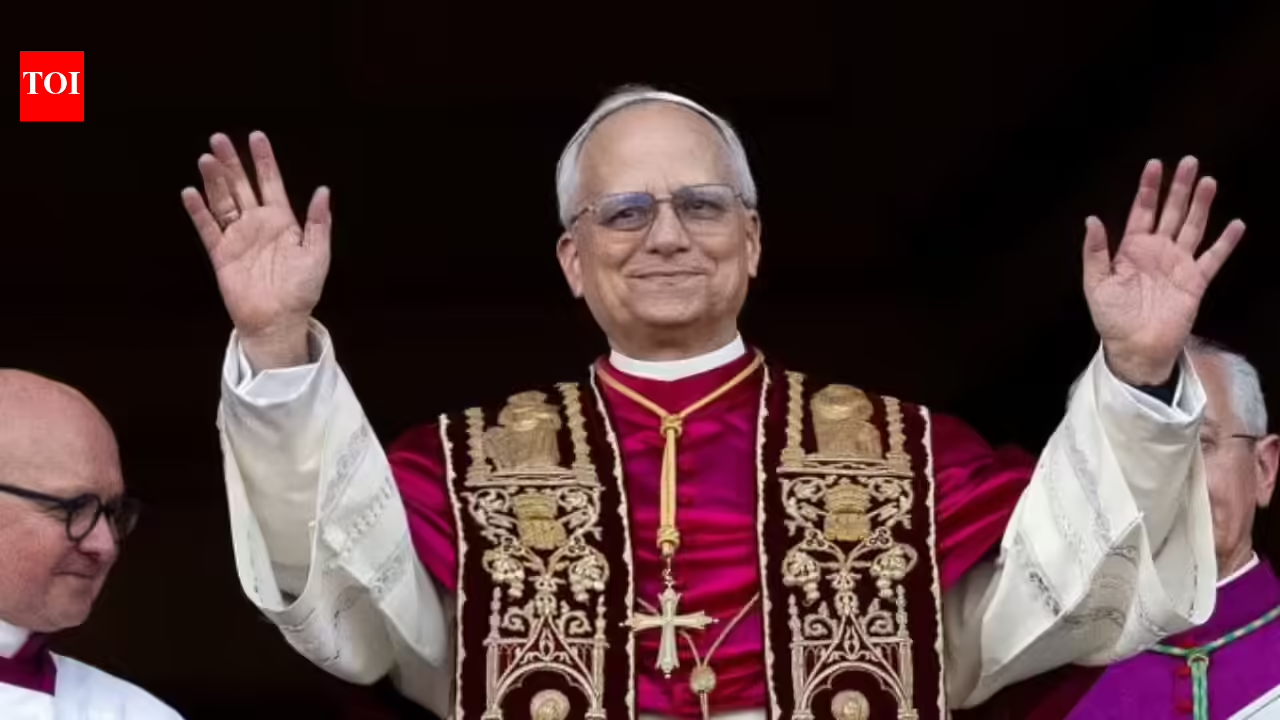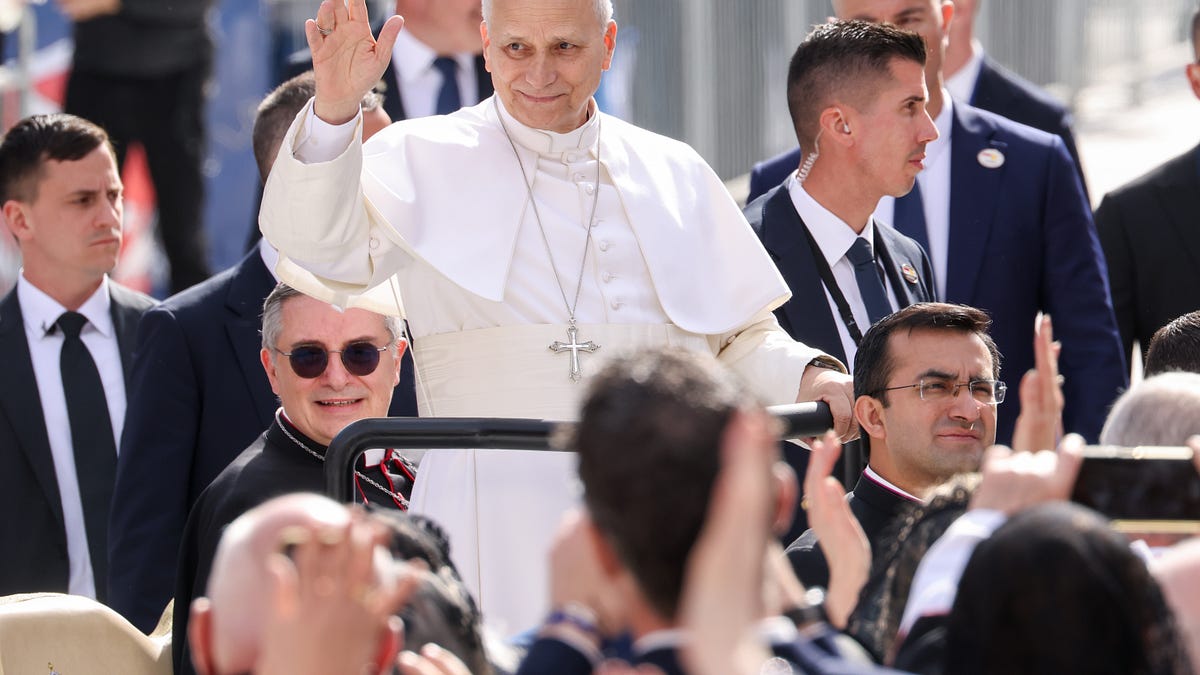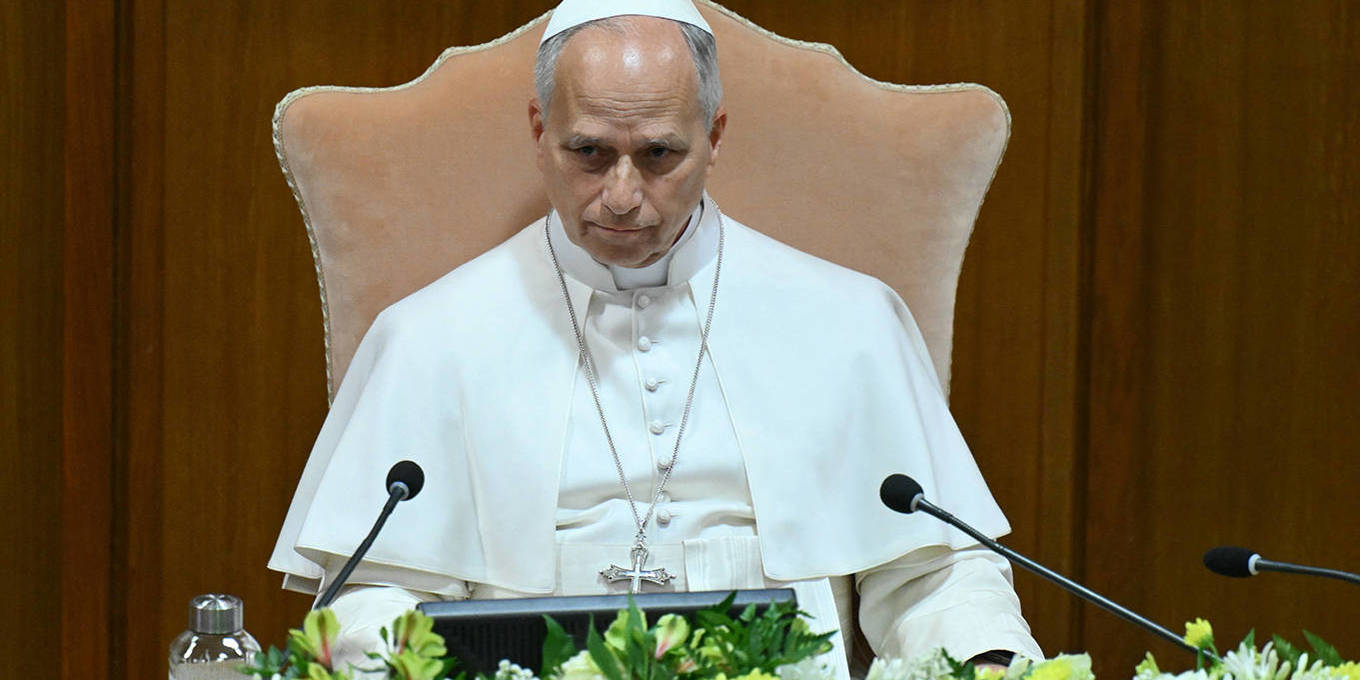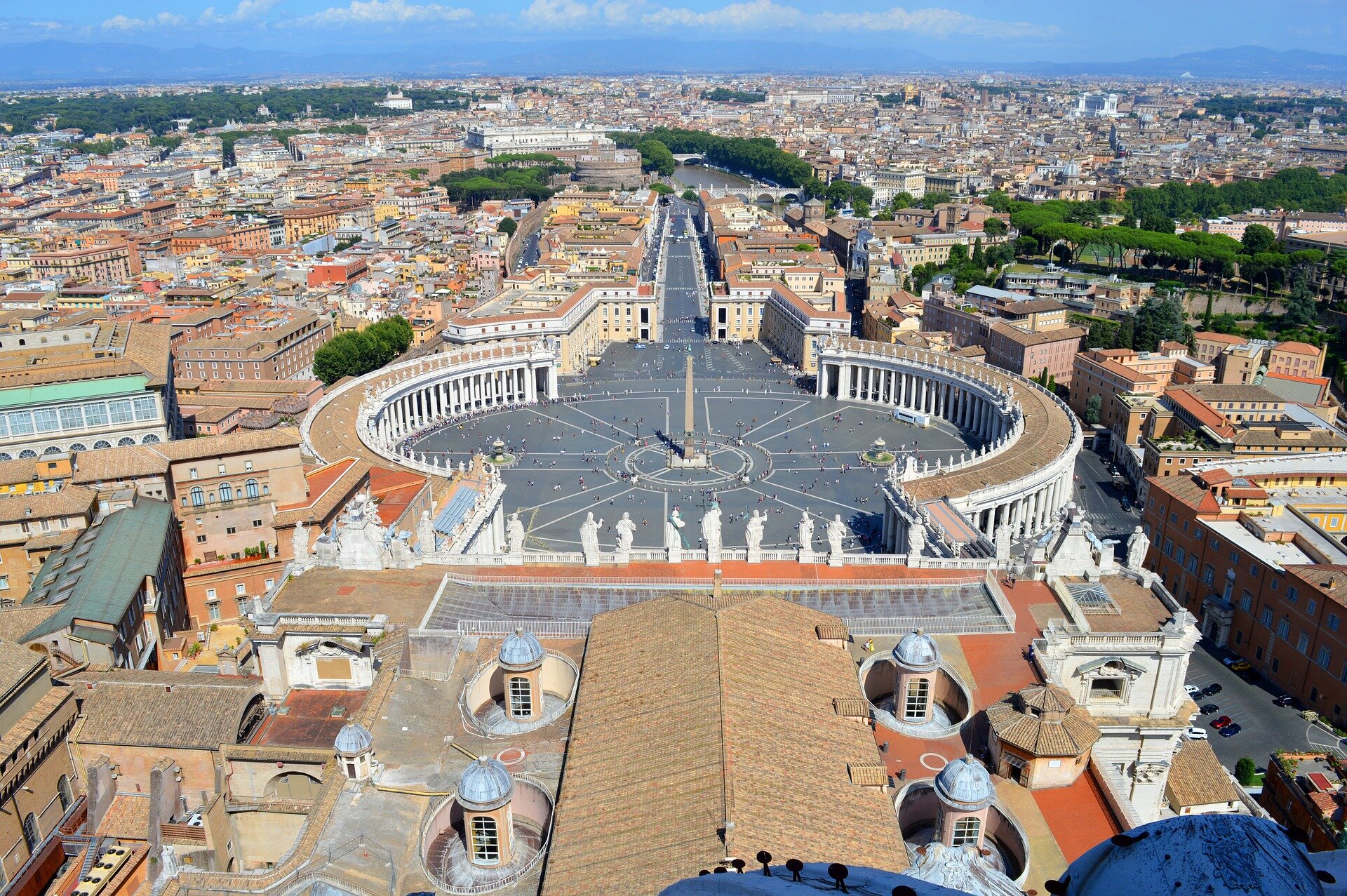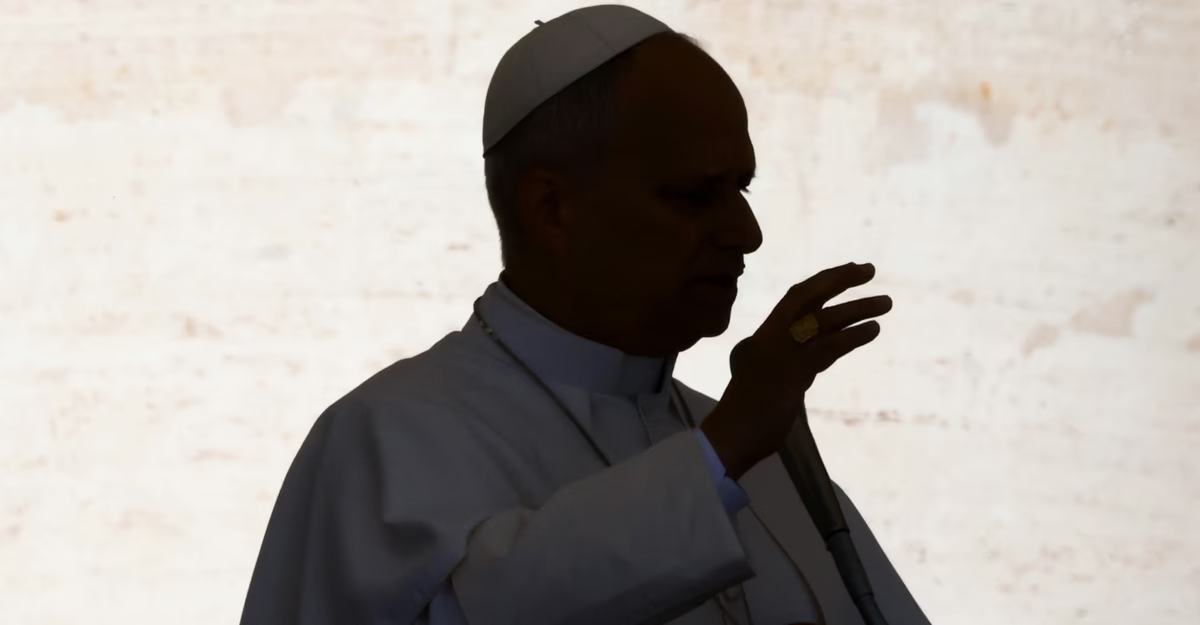
Pope Leo XIV’s first encyclical, Magnifica Humanitas, stands explicitly in the tradition of Leo XIII’s Rerum Novarum 135 years ago. Both seek to uphold the dignity of human work in the age of the machine. The present Leo warns eloquently against building the Tower of Babel rather than, like Nehemiah, rebuilding the walls of Jerusalem by cooperation. He does not, however, engage fully with the discussion of what AI – and particularly AGI (Artificial General Intelligence) – might be. The Pope proposes his ‘civilisation of love’, but the promoters of AGI themselves claim to be conducting ‘a civilisation experiment’. If AGI can discern patterns in an infinity of data which the human mind cannot, will it produce a new understanding of nature, a theory of everything? If so, is humanity itself redundant? ‘Why God man?’ asked Anselm. AGI might reply: ‘Why either?’
People want devolution because it brings power nearer to them. That is hard to argue with. But the Peter Murrell case shows that devolution makes corruption likelier. In Westminster, it would have been impossible to get away with so much for so long. MPs are not ethically superior to Scottish MSPs. It is just that, in Westminster’s intensely competitive political and media atmosphere, Murrell-like behaviour could not escape notice. Think of the relatively minor corruption of Sir Keir Starmer and colleagues by Lord Alli’s suits and wellington boots. This was exposed almost immediately after Labour’s massive 2024 election victory. Public support was at its peak, yet Labour lacked the power to suppress the story. In Scotland, which the SNP have governed for 19 continuous years, few dared challenge the husband-and-wife combination which ran both party and country. Devolution confers political prizes on the leader who screws the most money out of the UK government. Voters are reluctant to notice it sticking to some of the politicians’ fingers in the process.