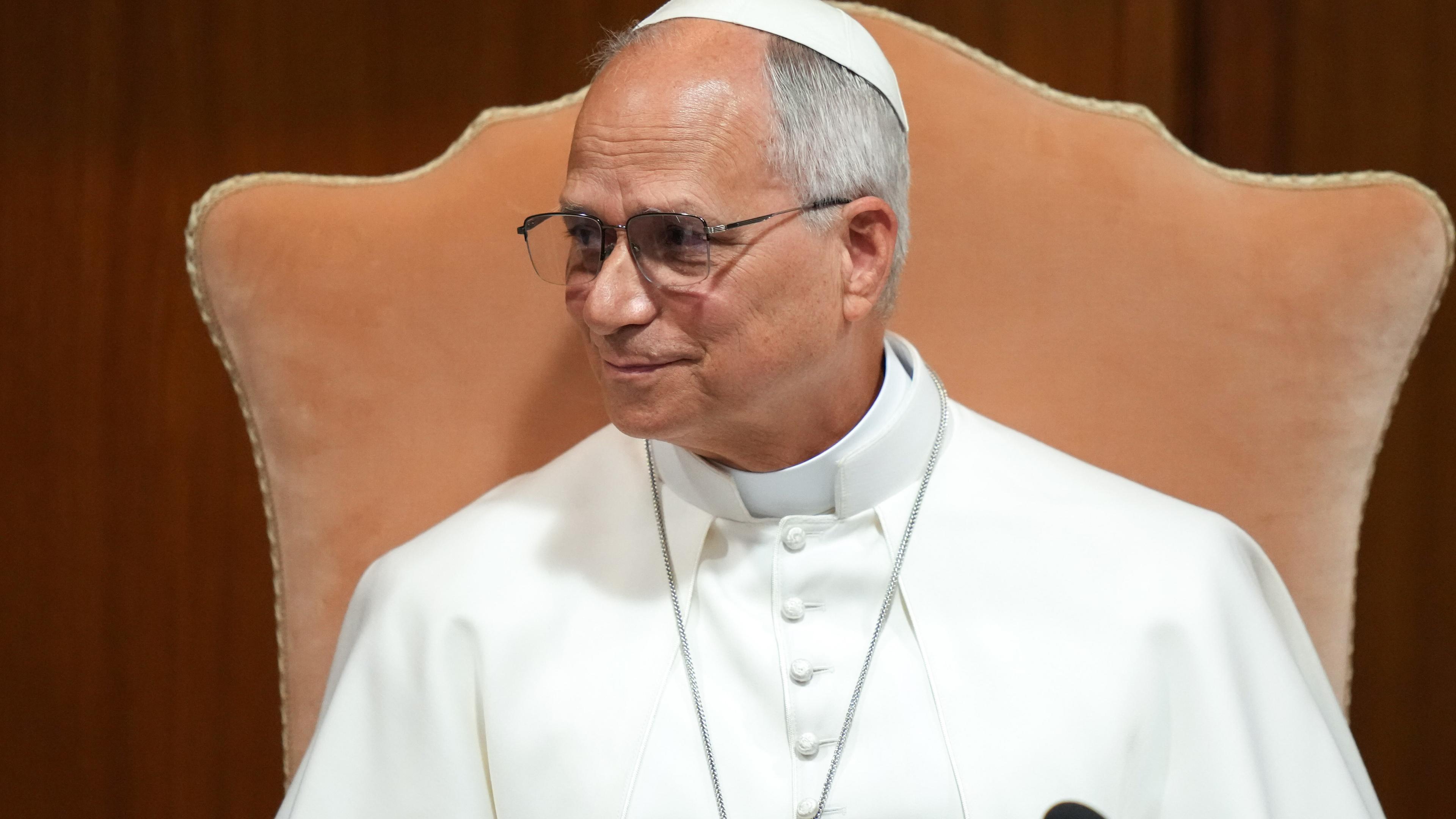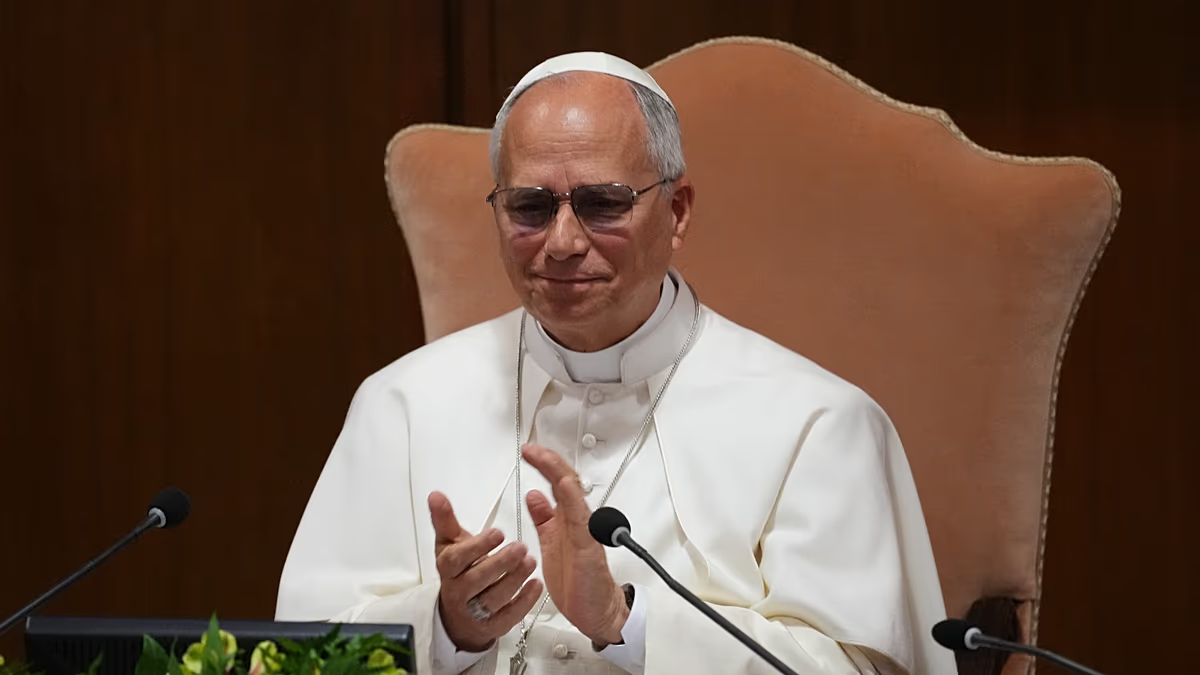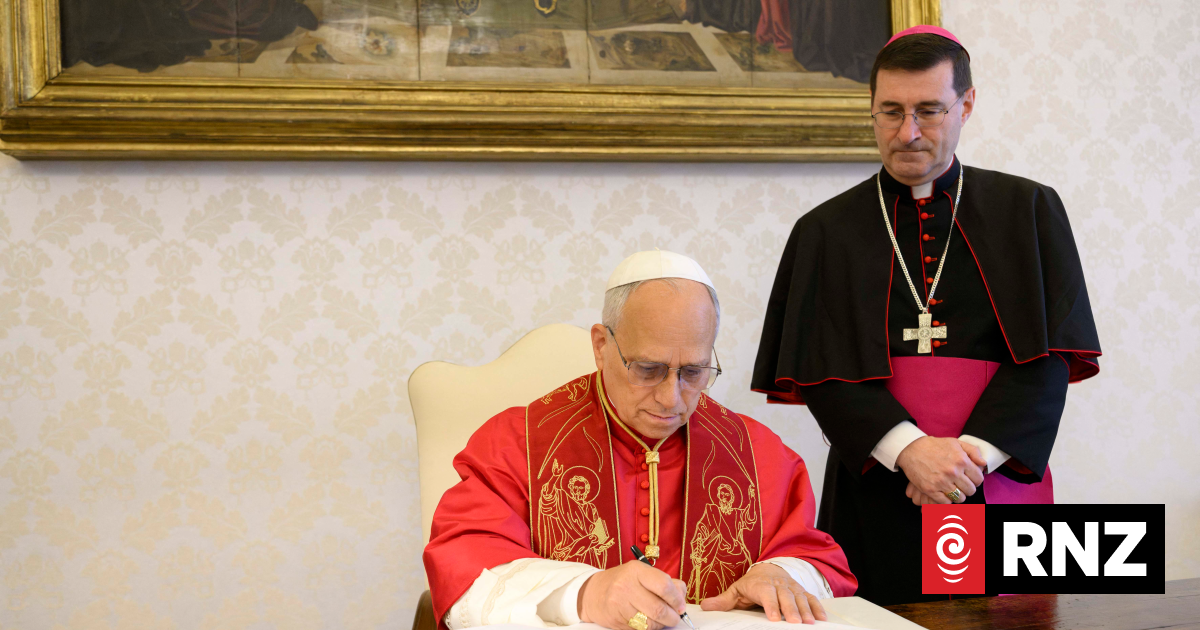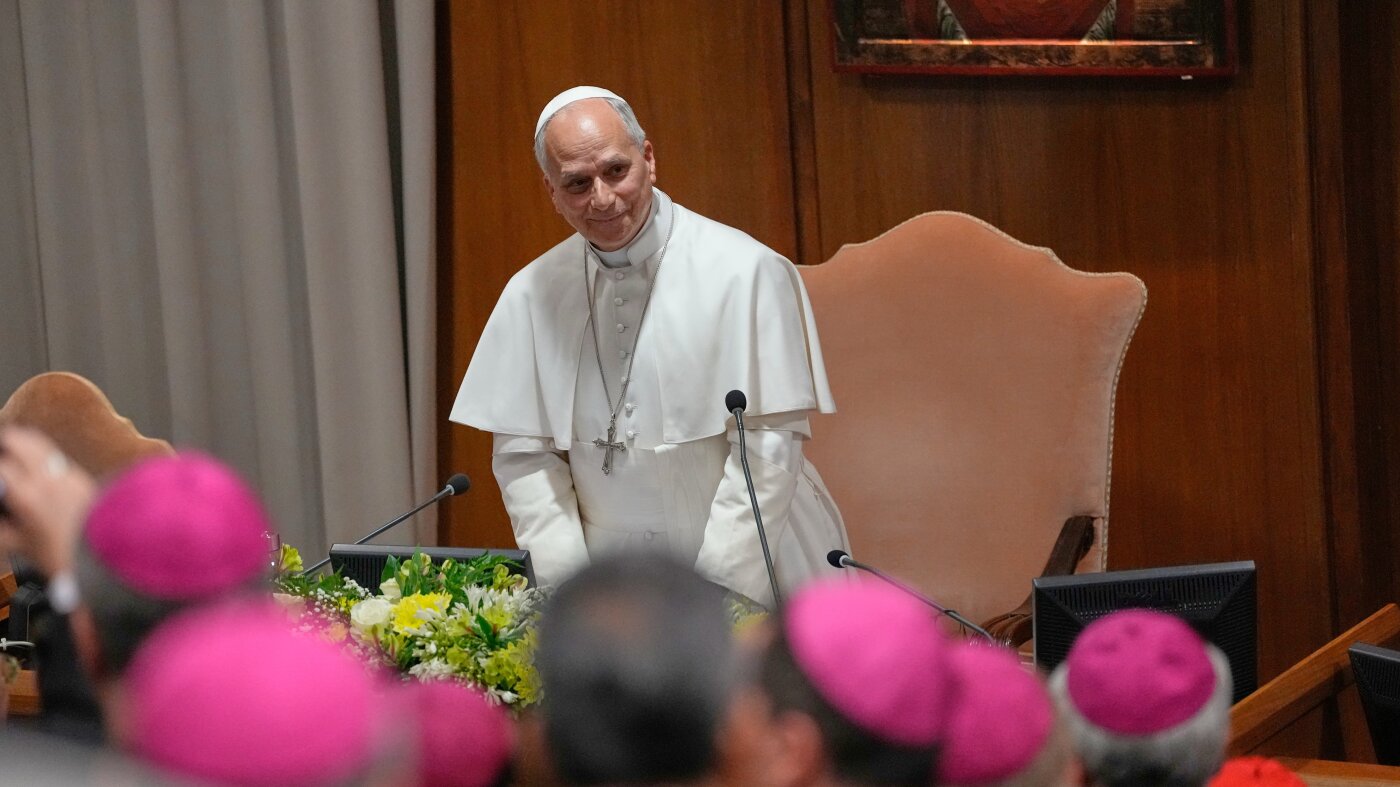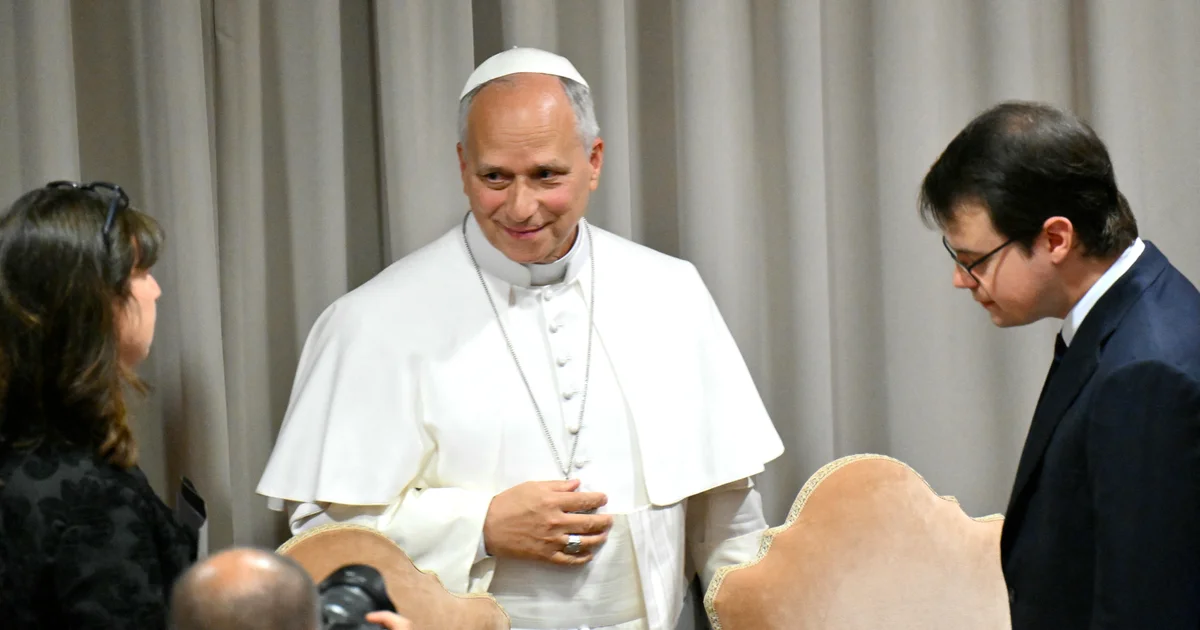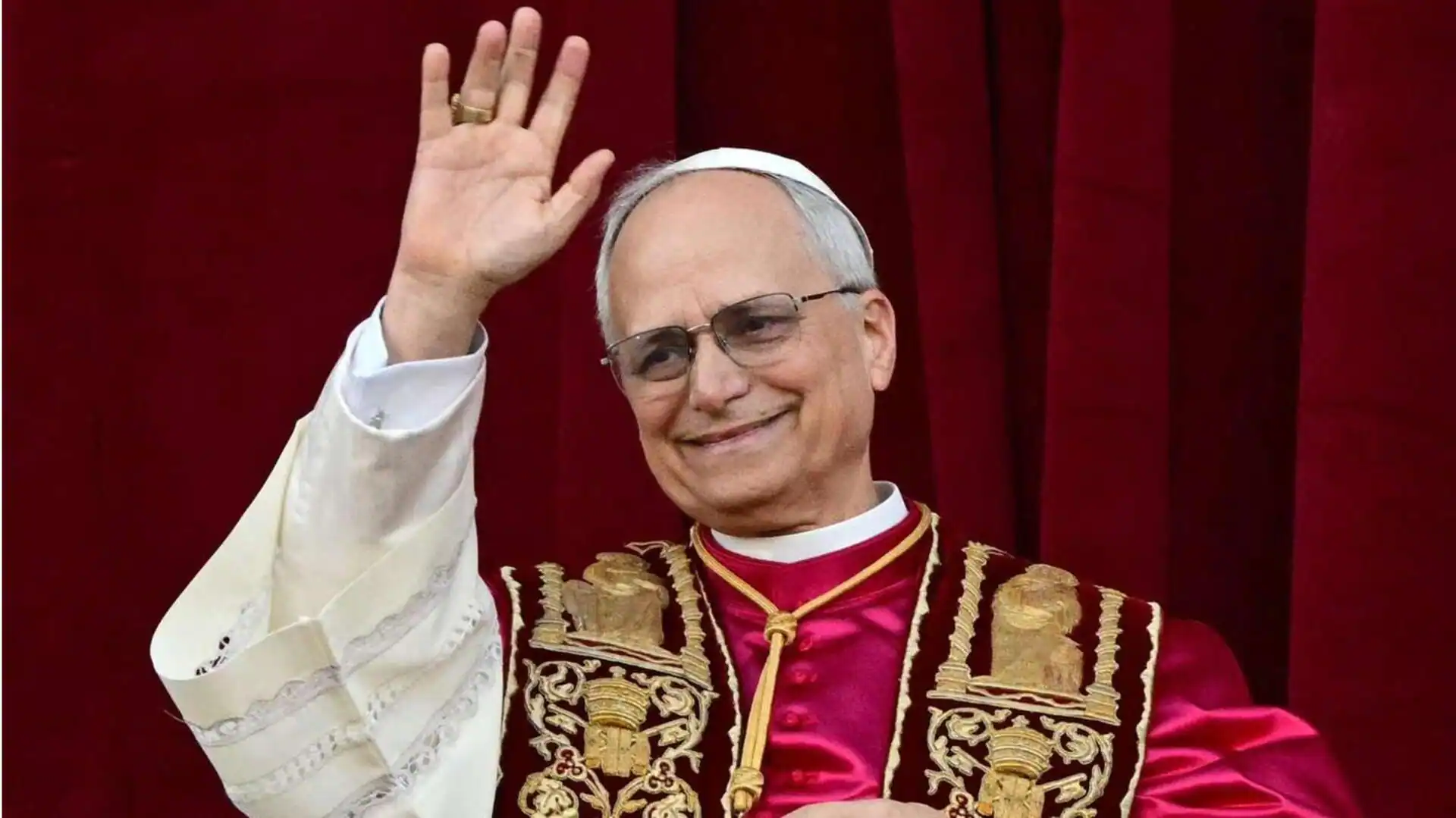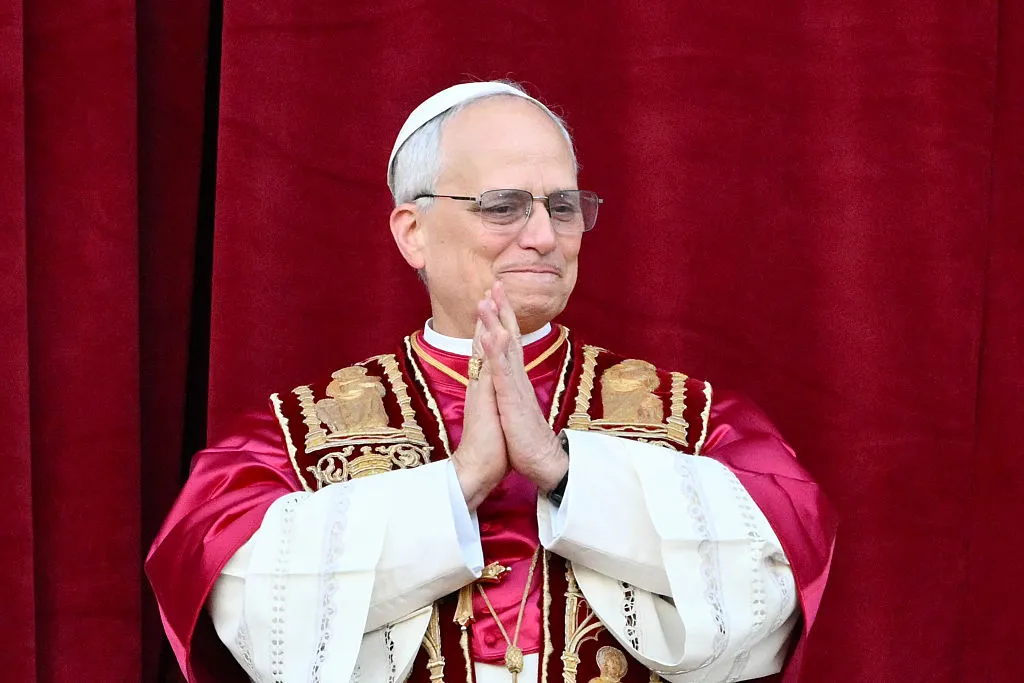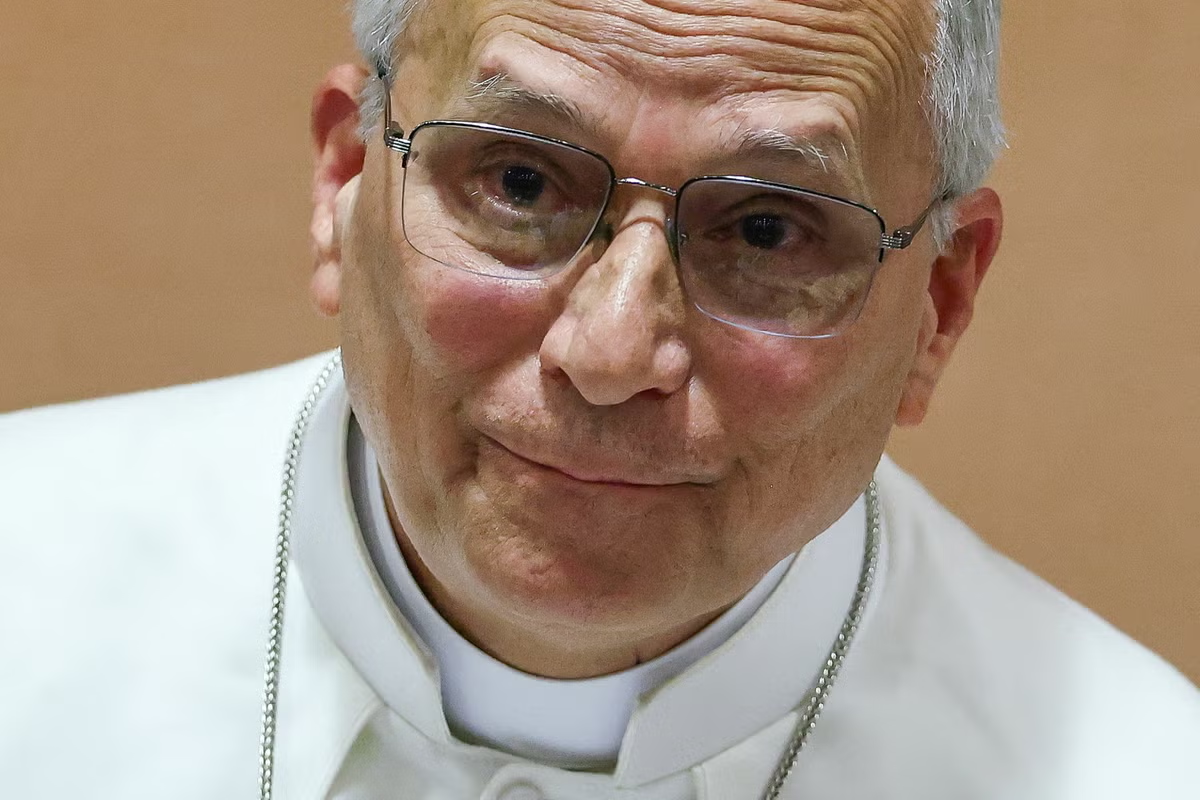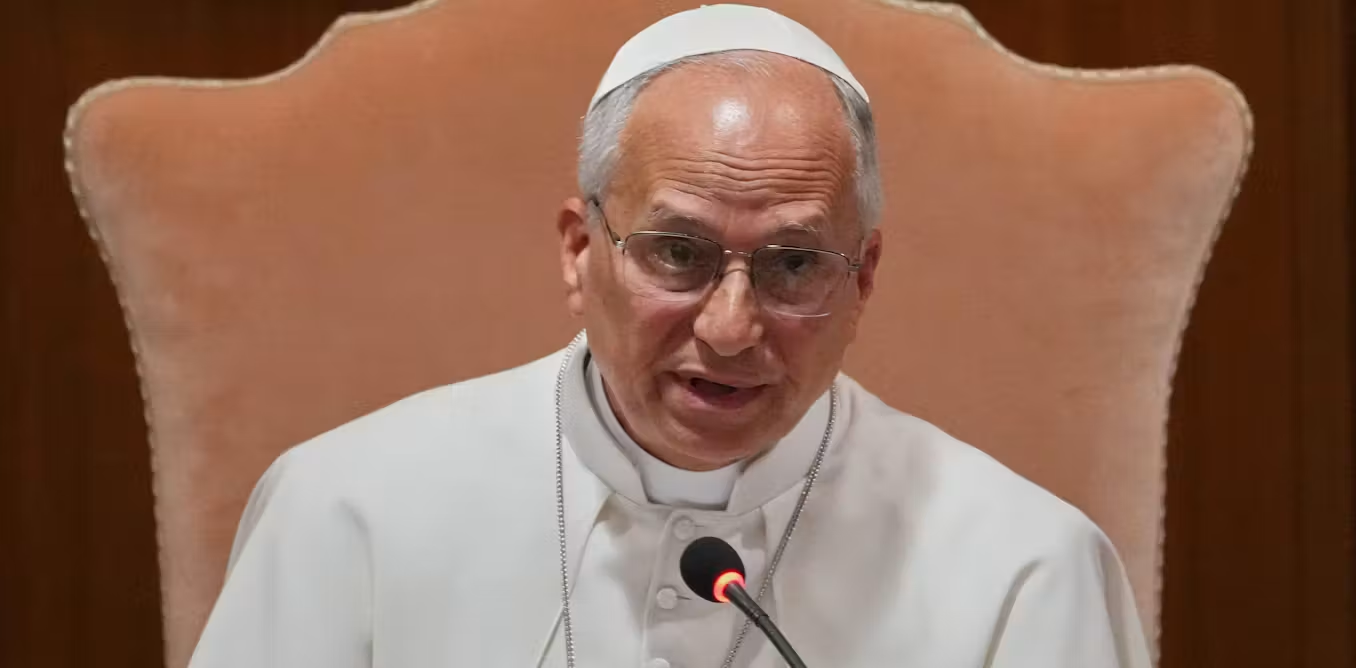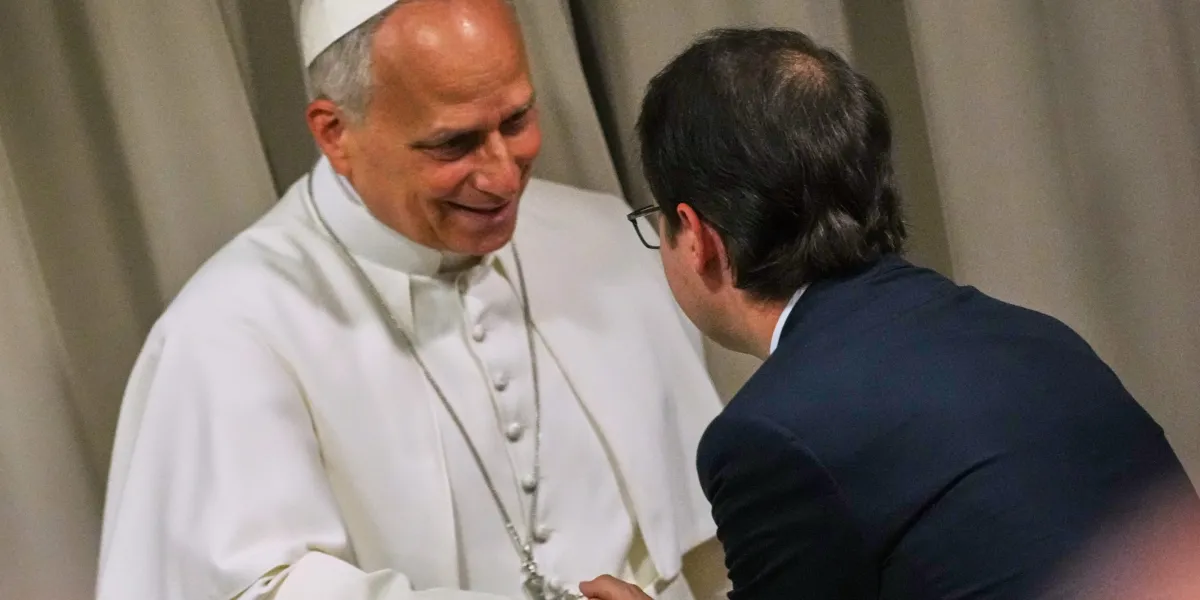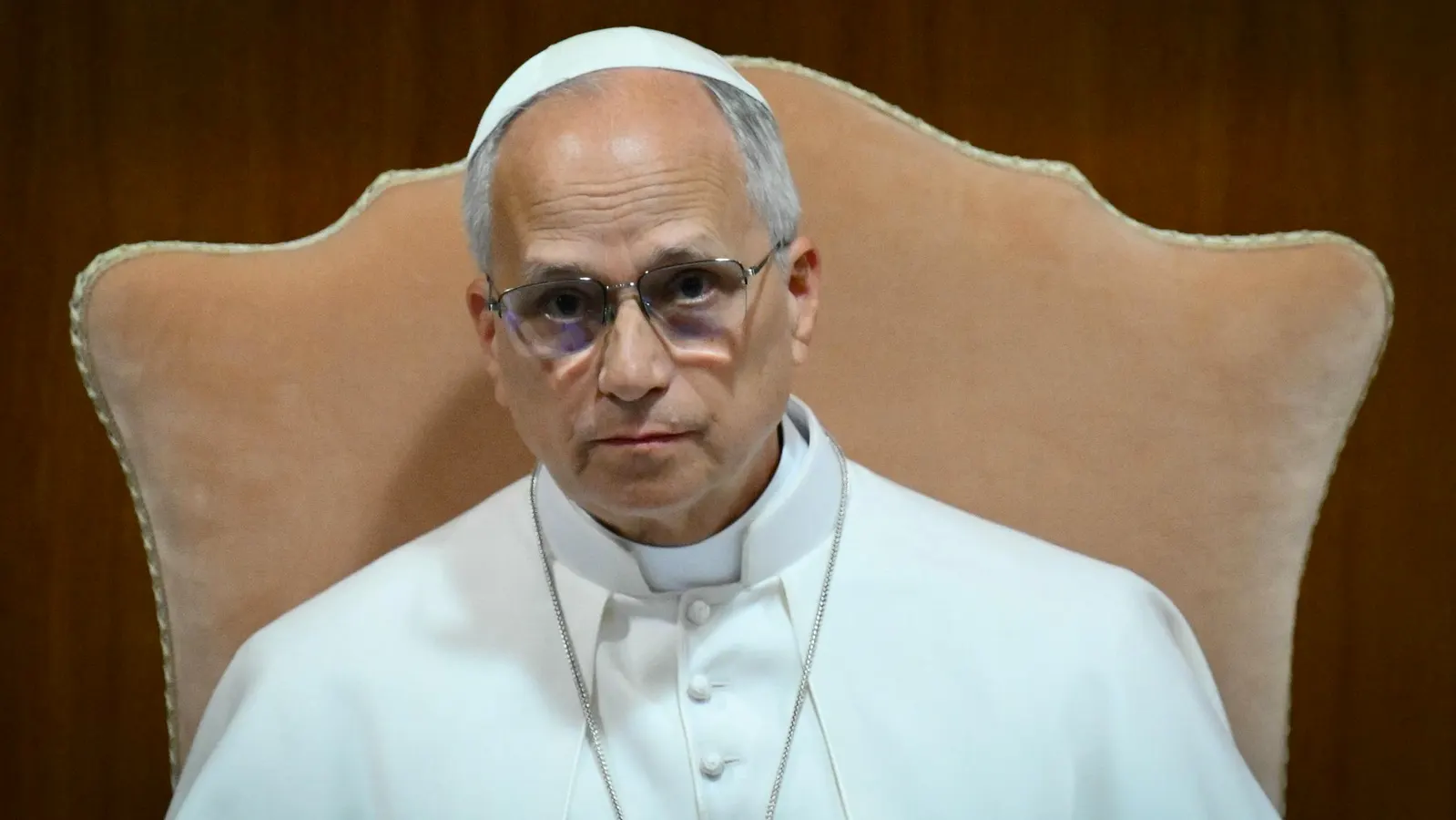
ToplinePope Leo XIV on Monday used his first encyclical to warn that humanity is using artificial intelligence, mass automation and rapid technological advancement to build a modern “Tower of Babel,” sharing an apocalyptic vision of a world defined by greed, immorality and lack of respect for human life. Pope Leo XIV attends the presentation of his first Encyclical Letter "Magnifica Humanitas" focused on the rise of artificial intelligence, in The Vatican.AFP via Getty ImagesKey FactsThe Pope issued an 83-page or open letter, titled “Magnifica Humanitas” (Magnificent Humanity) on Monday weighing in on capitalism, immigration and technological ambition in a statement already being described as one of the boldest encyclicals in decades. The Catholic leader focused much of his address on the rapid advancement and implementation of artificial intelligence, theorizing tech companies are becoming more powerful than governments and warning the AI economy is akin to slavery and will create "second-class humans.” Pope Leo issued his gravest warning by suggesting humanity is at risk of constructing a new “Tower of Babel,” a biblical story in which God intervened to stop human arrogance and overreach by confusing language and fracturing unity. As the pope describes it, humanity is building technological systems it will not be able to control for long that will ultimately widen the gap between the poor and elite, erode empathy and create different classes of human worth.The Pope also used his letter to issue the strongest papal condemnation of anti-migrant politics in years, sharply criticize modern capitalism and suggest climate destruction is a moral crime against the poor. Co-founder of US artificial intelligence (AI) company Anthropic, Christopher Olah, attends the presentation of Pope Leo XIV first Encyclical Letter "Magnifica Humanitas."AFP via Getty ImagesWhat Pope Leo Says About How Ai Can Create A Modern 'tower Of Babel'As technology continues to develop, the Pope said humanity is facing a choice to either “construct a new Tower of Babel, or to build the city in which God and humanity dwell together.” The biblical story tells of a human effort to build a city putting humanity on par with the divine. "When a city is built on pride and the claim to self-sufficiency, communication breaks down, languages are confused and people no longer understand each other. The result is not unity, but dispersion. Babel thus reveals the limits of any effort that, however grandiose, arises from self-affirmation, sacrifices human dignity for efficiency and aspires to reach heaven without God’s blessing,” Pope Leo said. "We must, then, avoid the “Babel syndrome,” namely the idolatry of profit that sacrifices the weak, a uniformity that neutralizes differences, and the pretense that a single language — even a digital one — can translate everything, including the mystery of the person, into data and performance. The risk of dehumanization — of building a future that excludes God and reduces the other to a means — is an ancient and ever-new temptation that today takes on a technical guise." What Else Did The Encyclical Say About Wealth And The Economy?The encyclical noted that while global wealth has grown in “absolute terms,” it is “increasingly concentrated” in the hands of fewer people. “More than ever, in the age of AI and robotics, it is no longer possible to rely solely on the ‘invisible hand’ of the market,” the letter said while noting that “just laws and methods of redistribution are certainly necessary for correcting imbalances including tax systems that lighten the burden on the weakest and ask for more from those with greater resources.”What Did The Manifesto Say About Ai Generated Disinformation?In reference to social media platforms, the encyclical warns that tools that could foster dialogue are being used to “construct distorted narratives” and blur lines “between truth and falsehood.” While noting that disinformation existed before AI, the manifesto states that artificial intelligence has become a “powerful amplifier” of it. “The ability to manipulate content, images and videos exposes people to biased or misleading perspectives,” the letter adds. The papal declaration also notes that while technological tools should neither be demonized nor idolized, they must adhere to the fundamental principle that “truth is a common good and not the property of those with power or influence.”What Did The Encyclical Say About Use Of Ai In War?The pope’s declaration also noted the impact of easy deployment of autonomous weapons systems and how they can make “war more ‘feasible’ and less subject to human control.” Calling for the “most rigorous ethical constraints” on the use of AI in conflict, the encyclical says: “No algorithm can make war morally acceptable. AI does not remove the intrinsic inhumanity of conflict; indeed it can only bring about conflict more quickly and render it more impersonal, lowering the threshold for resorting to violence, transforming defense into threat prediction and thus reducing victims to data.” The letter adds that the use of lethal force cannot be “delegated to opaque or automated processes” and must always remain under “effective, self-aware and responsible human control.” The pope also calls for establishing a shared framework to curb the technological arms race.Pope’s Warnings About Ai’s Environmental ImpactWhile highlighting the various risks associated with rapid adoption of AI the pope’s letter mentions the “tendency to overlook the environmental impact.” It points out that current AI systems “require enormous amounts of energy and water, significantly influencing carbon dioxide emissions, and place heavy demands on natural resources.” The encyclical adds that this is likely to increase as the complexity of AI systems grows along with their compute needs. “For this reason, it is essential to develop more sustainable technological solutions that reduce environmental impact and help protect our common home.”Further ReadingAnthropic Official Will Join Pope Leo For New AI Church Policy Statement (Forbes)
Pope Leo’s First Encyclical Brings Apocalyptic Warning Of Moral, Social Collapse
Pope Leo XIV warned Monday of a profound moral collapse driven by technology, war and a widening disregard for human life.
949 words~4 min read