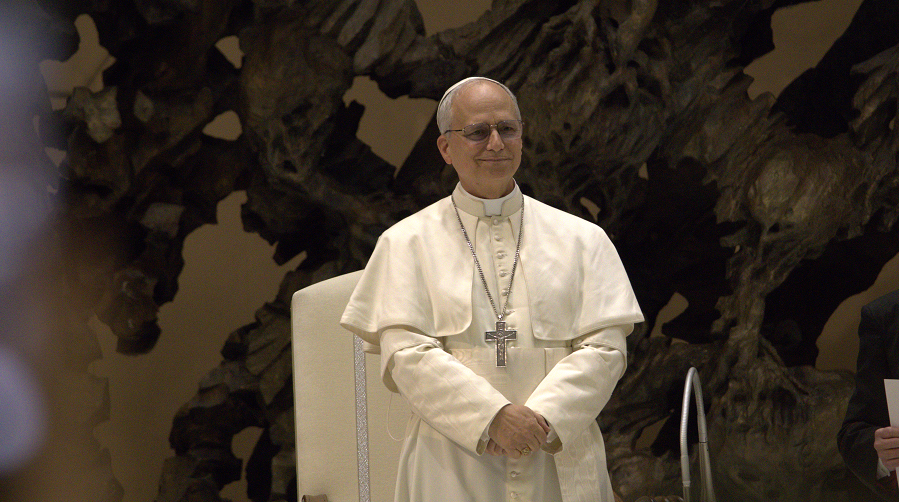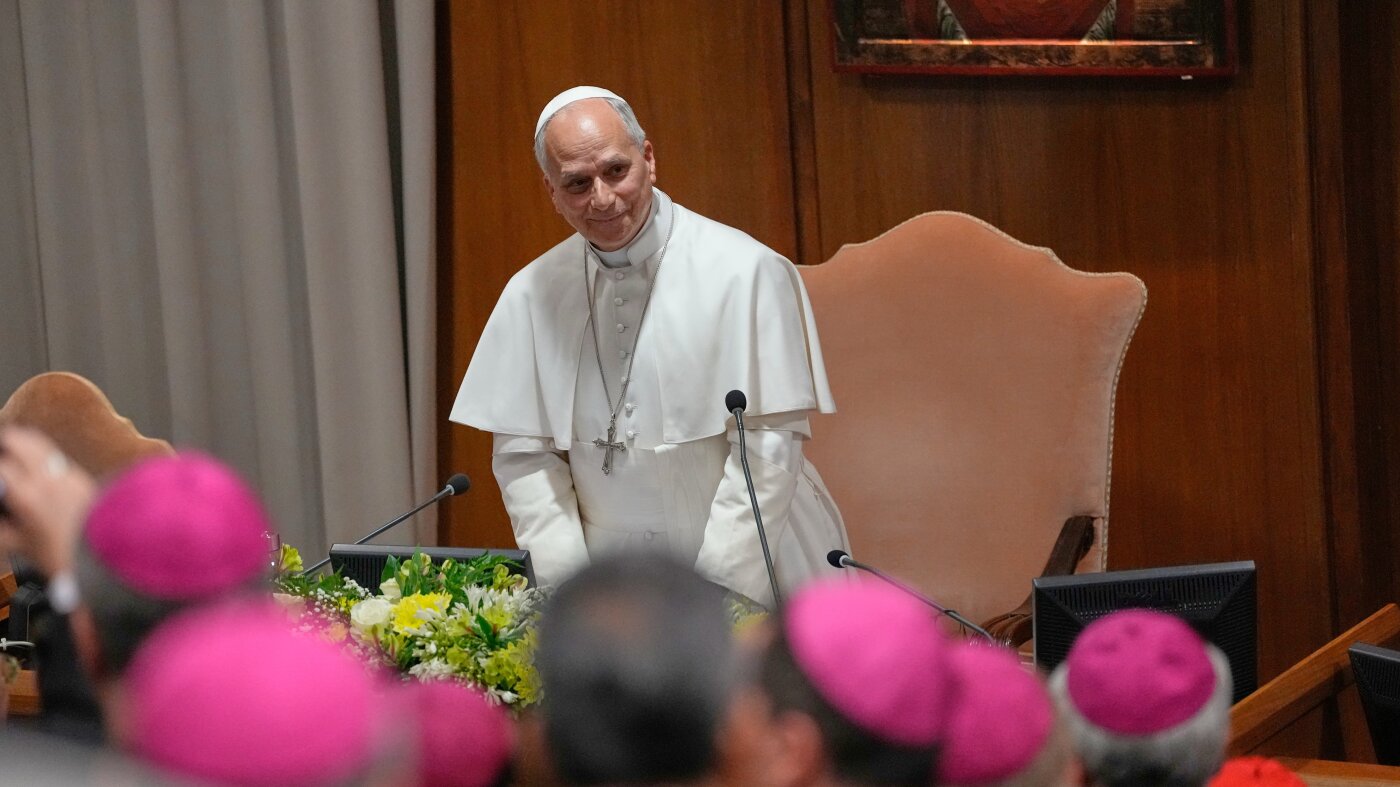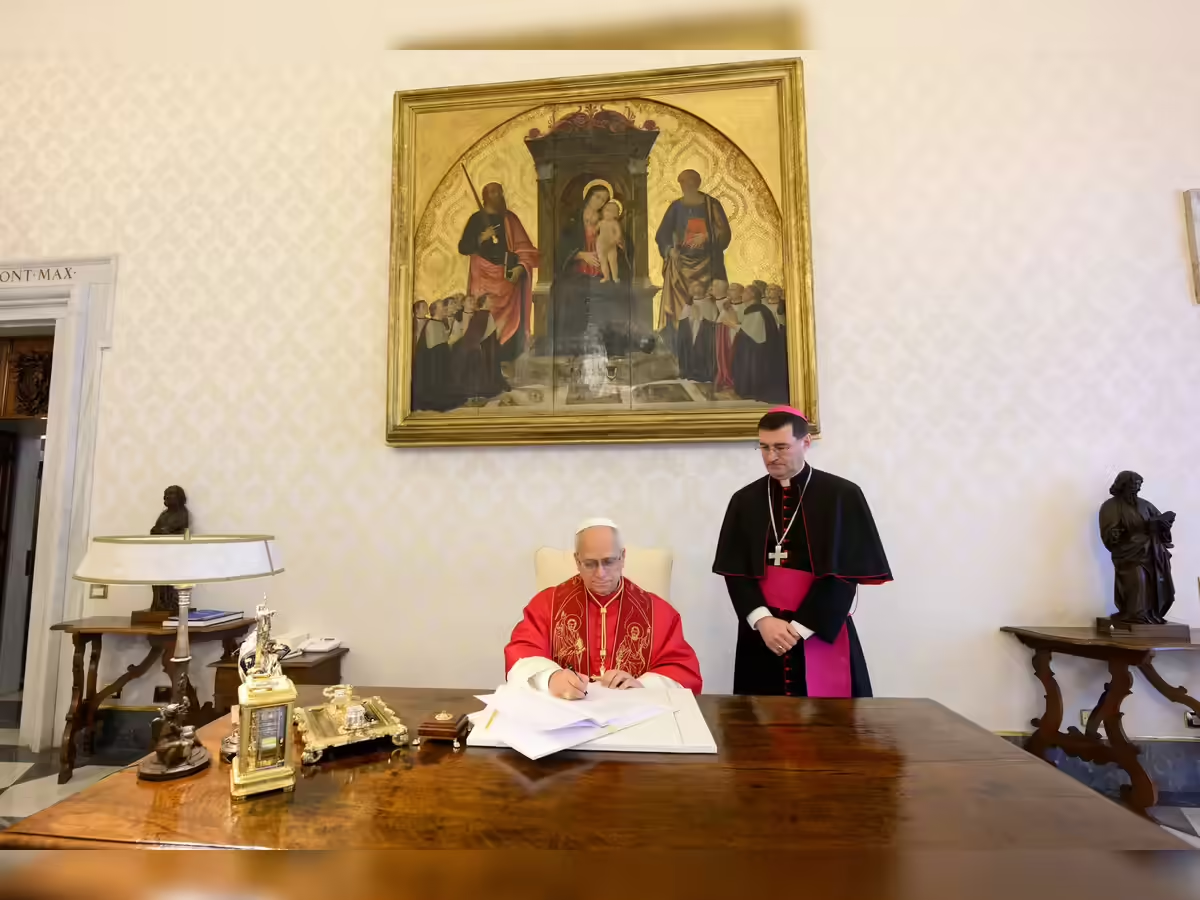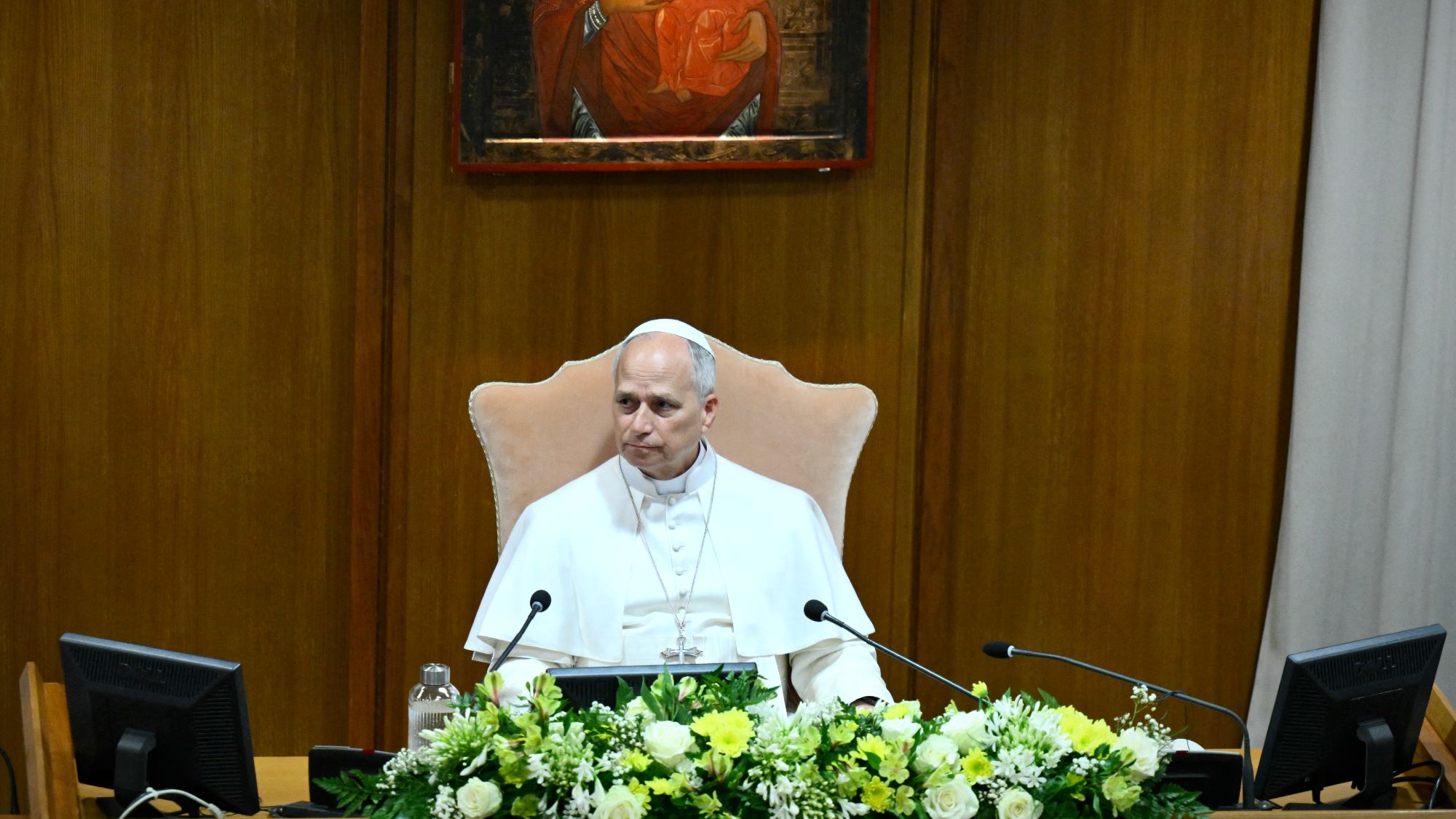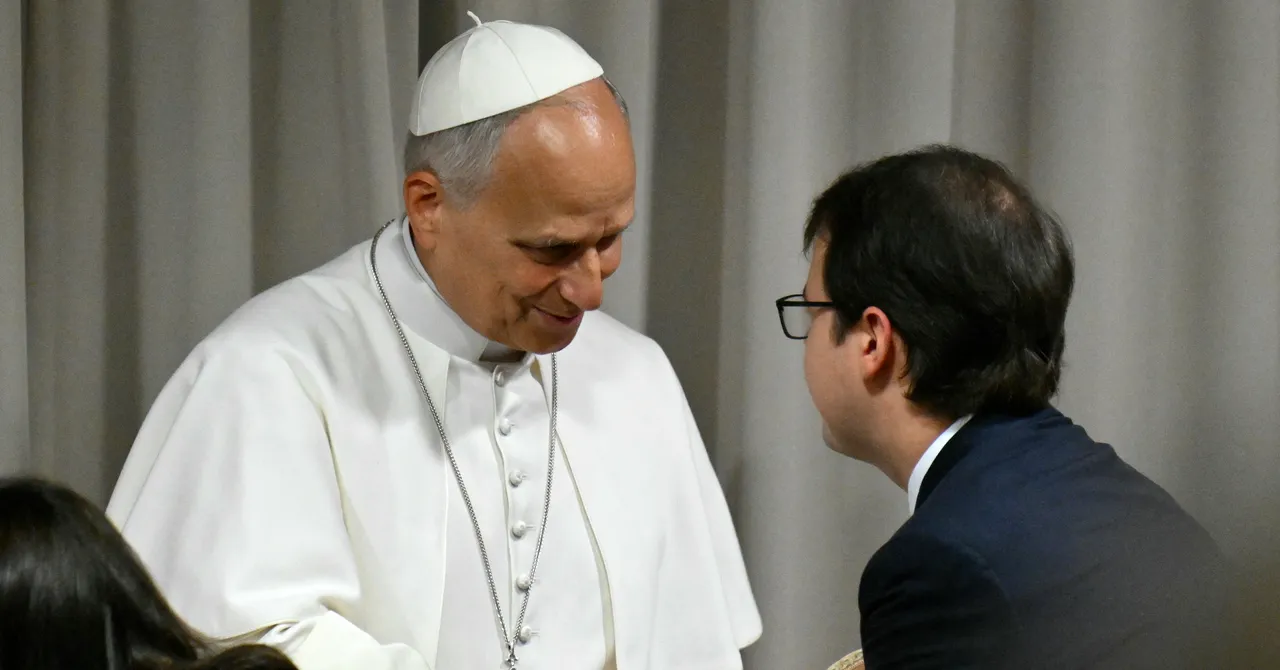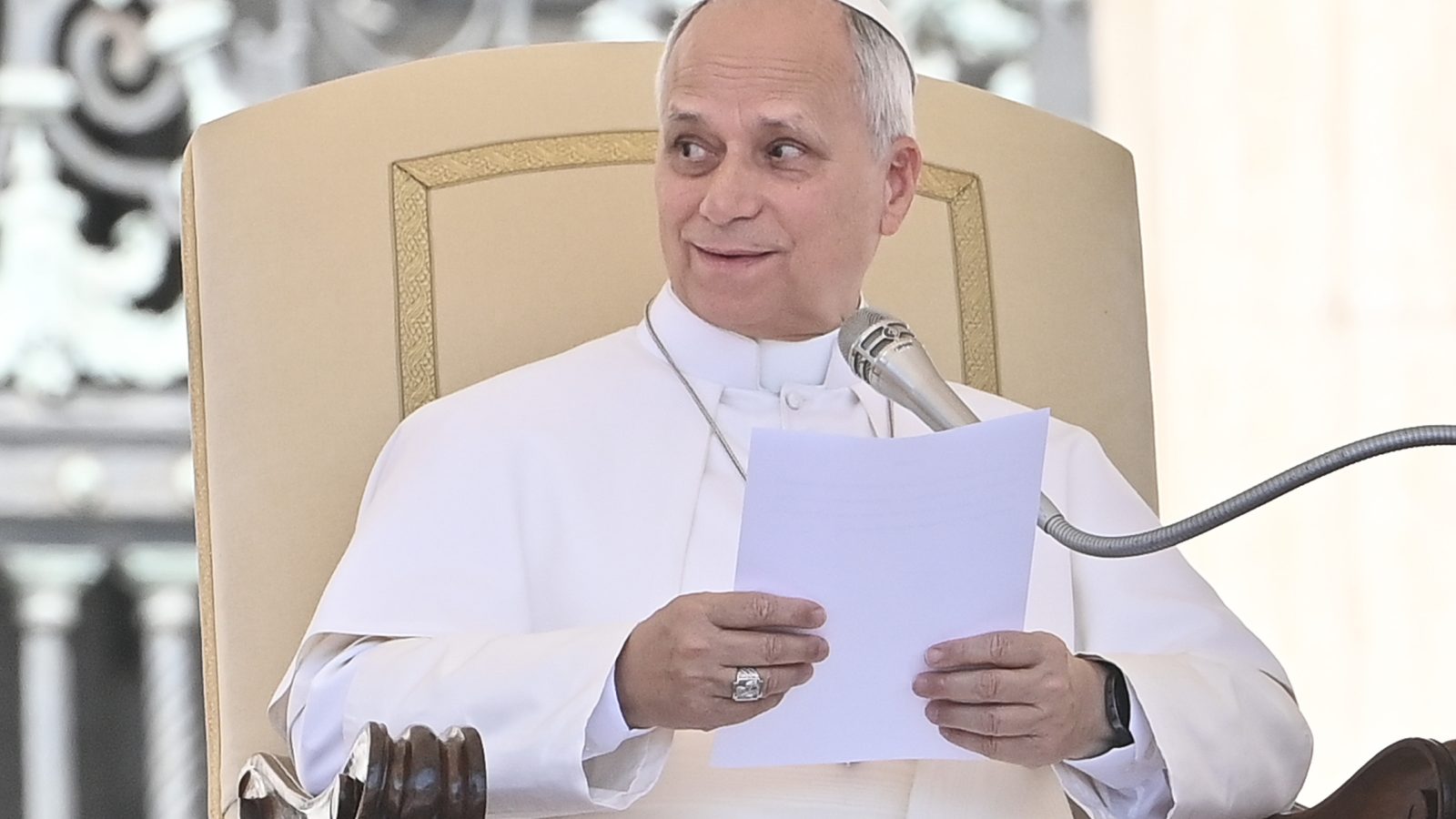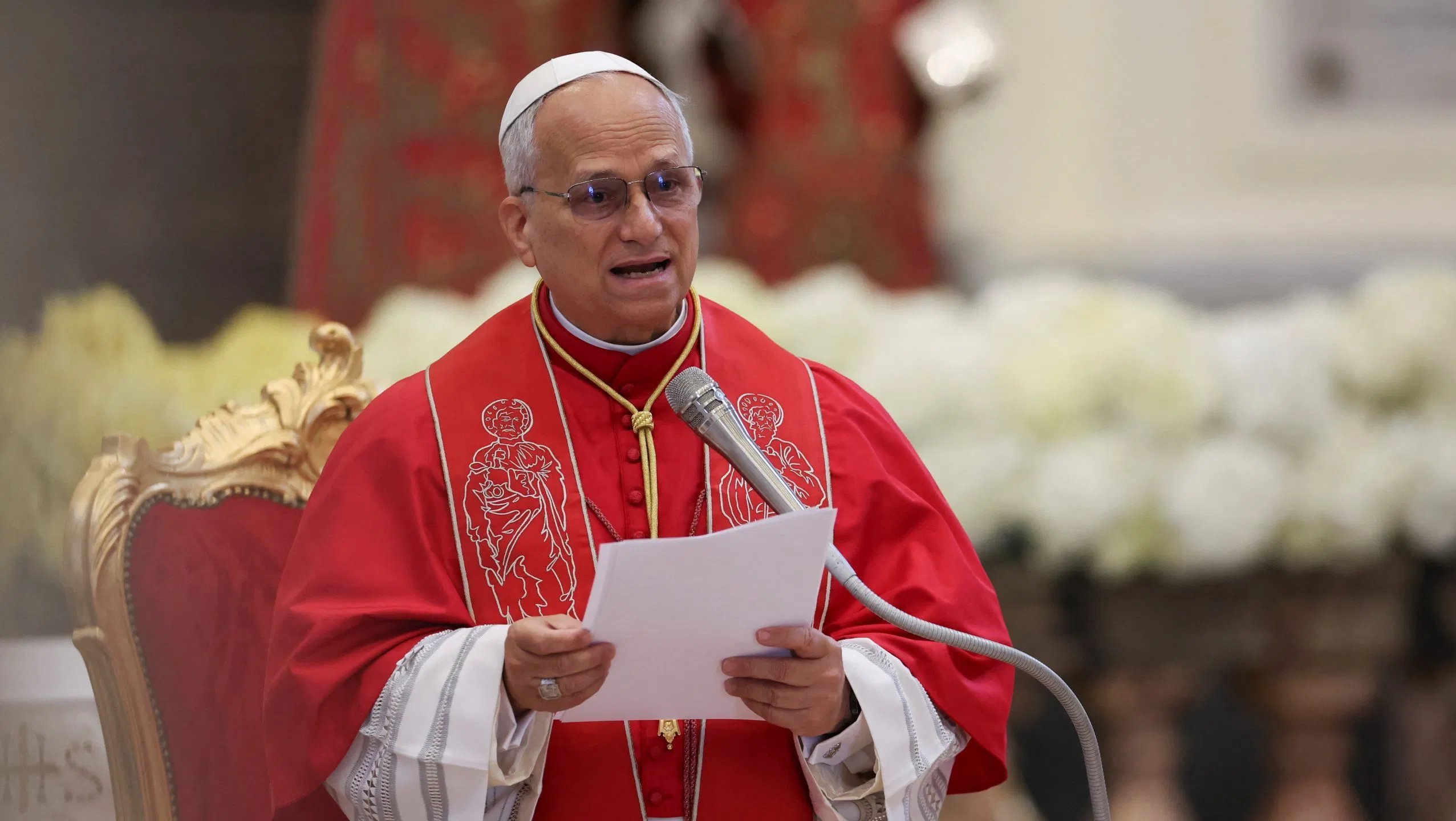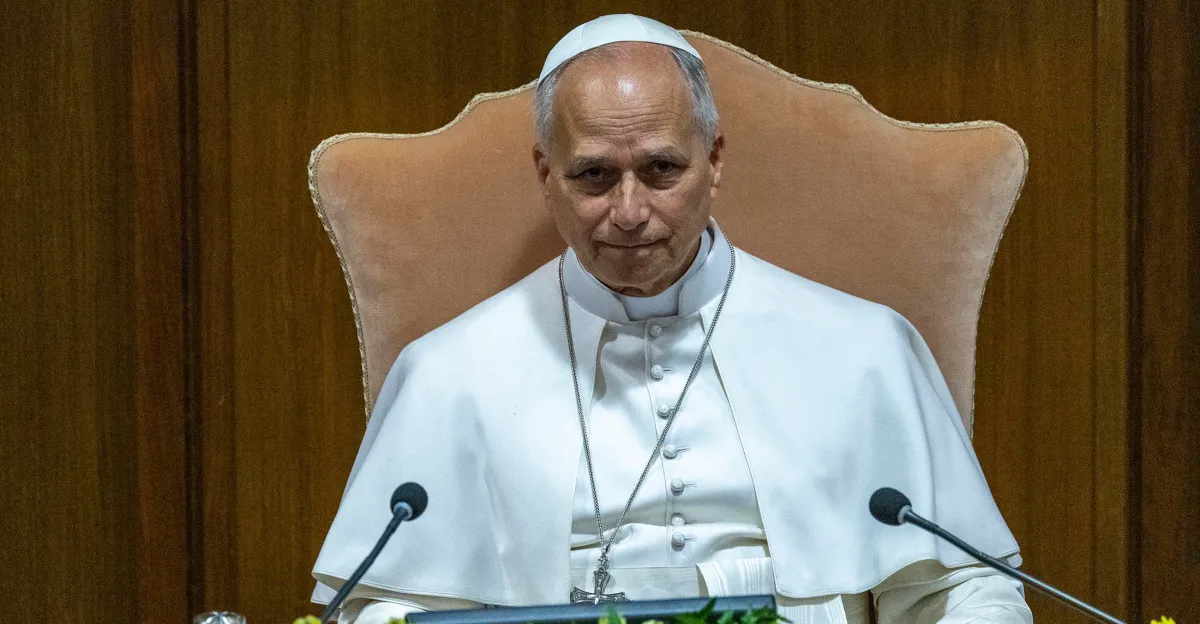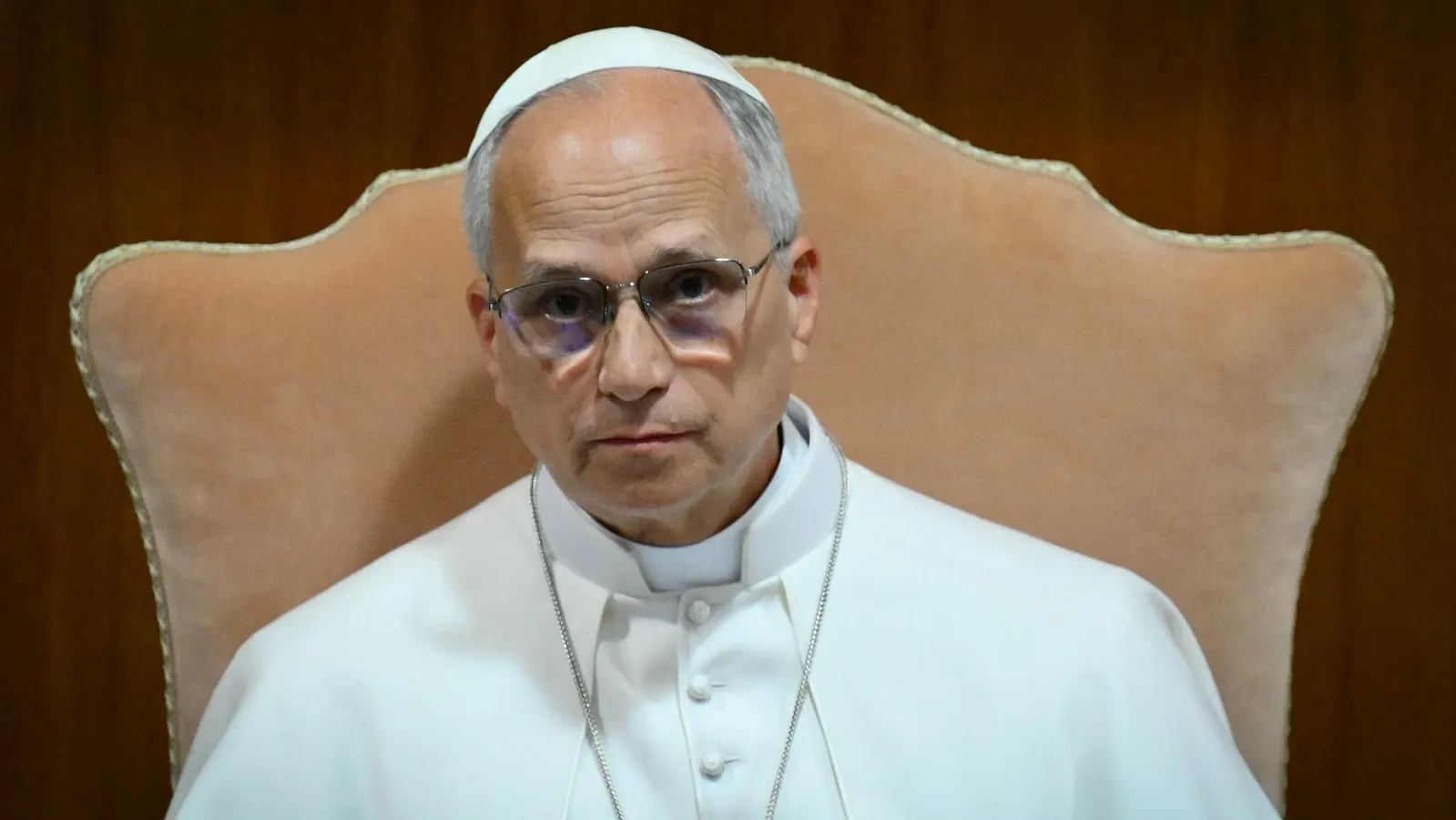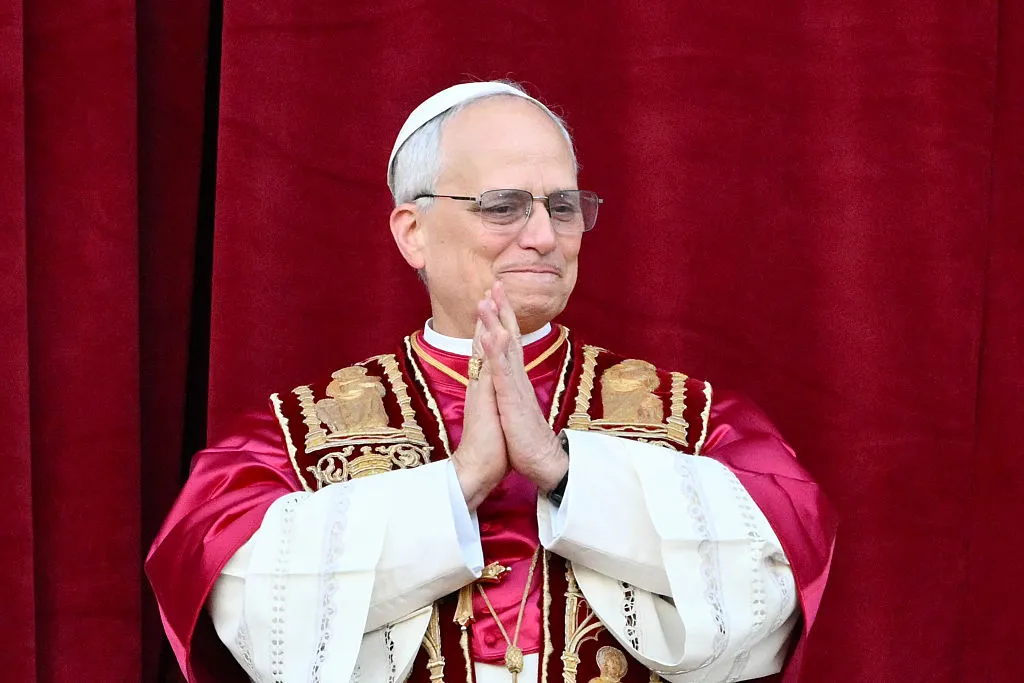
Pope Leo XIV published his first encyclical on Monday, dubbed Magnifica Humanitas, on “safeguarding the human person in the time of artificial intelligence.” And while AI is the hook, the problems Leo focuses on are older and more pervasive: inequality, war, the erosion of democracy, and the concentration of power in the hands of those who don’t necessarily care whether humanity writ large remains magnificent.
Throughout the 200-page document, which the pope presented alongside Anthropic co-founder Chris Olah, Leo argues that technology built and governed by a small elite cannot, by definition, serve the common good.
“When such power is concentrated in the hands of a few, it tends to become opaque and evade public oversight, increasing the risk of distorted forms of development that give rise to new dependencies, exclusions, manipulations and inequalities,” he writes.
“In fact, as with every major technological shift, AI tends to amplify the power of those who already possess economic resources, expertise and access to data,” the encyclical continues, highlighting concerns that elites can use their power to “shape information and consumption patterns, influence democratic processes and steer economic dynamics to their own advantage.”