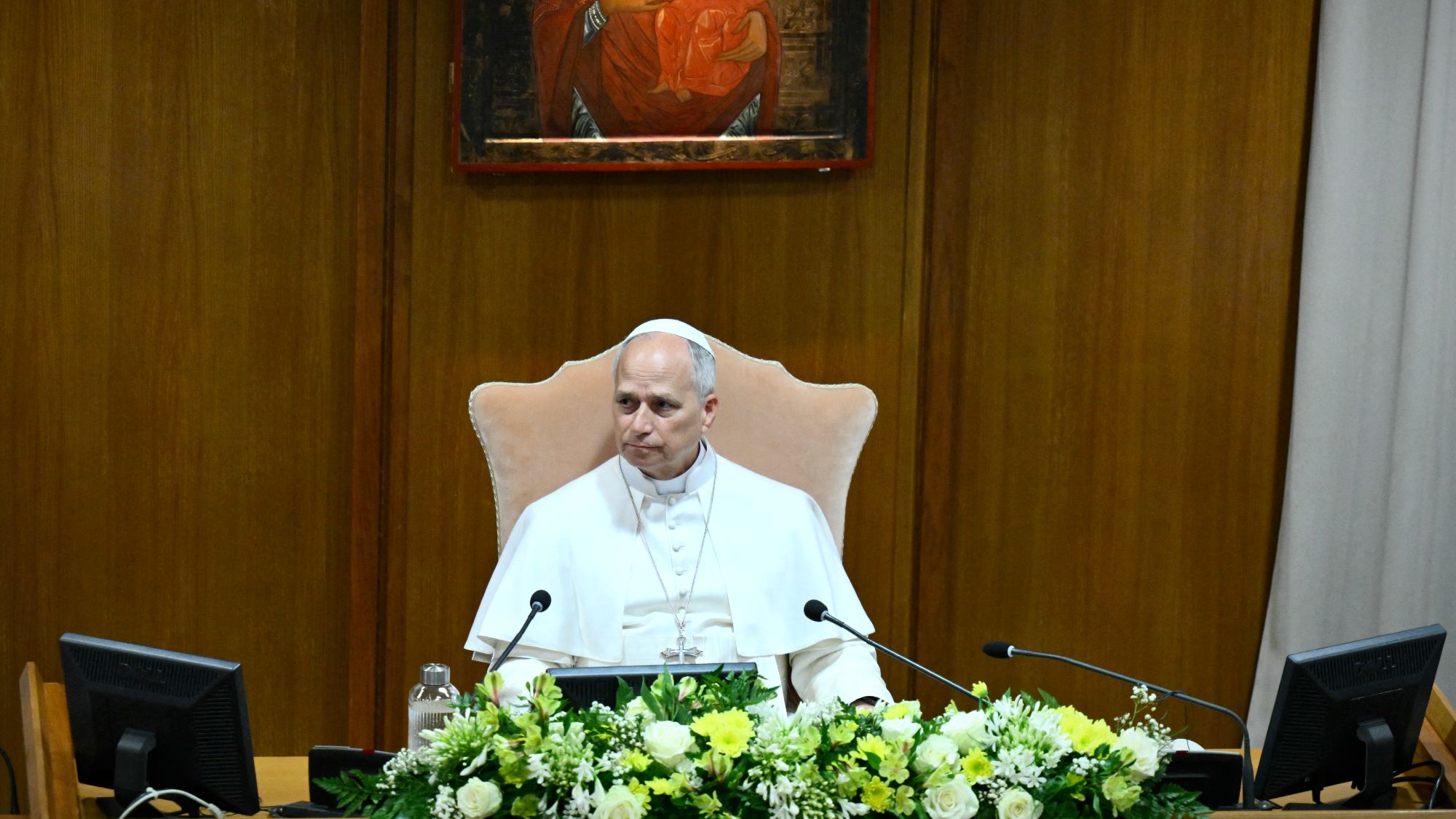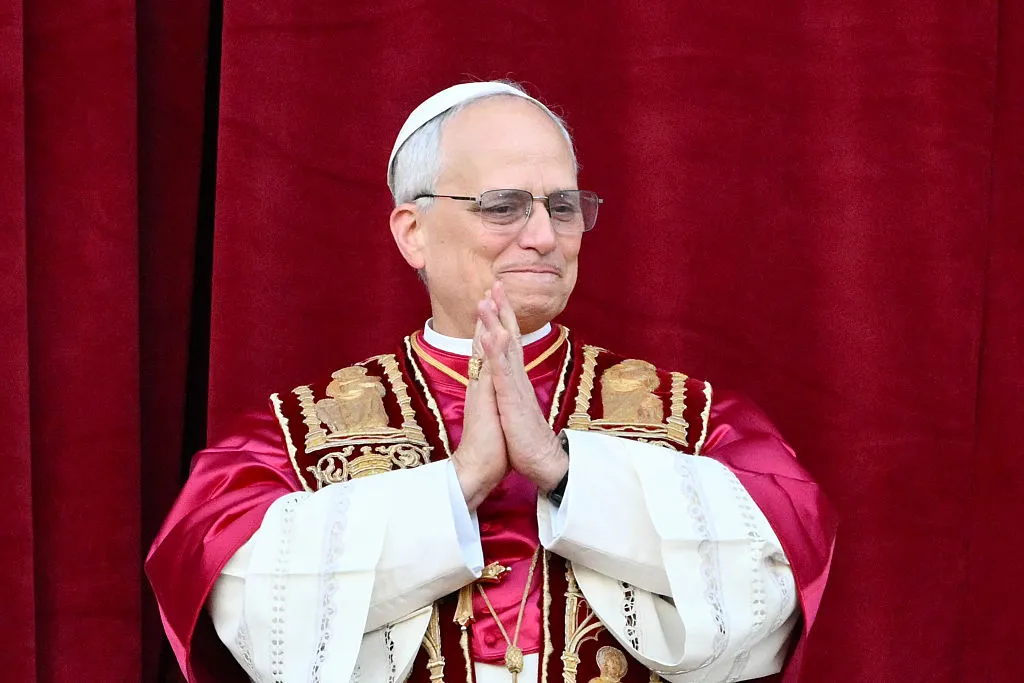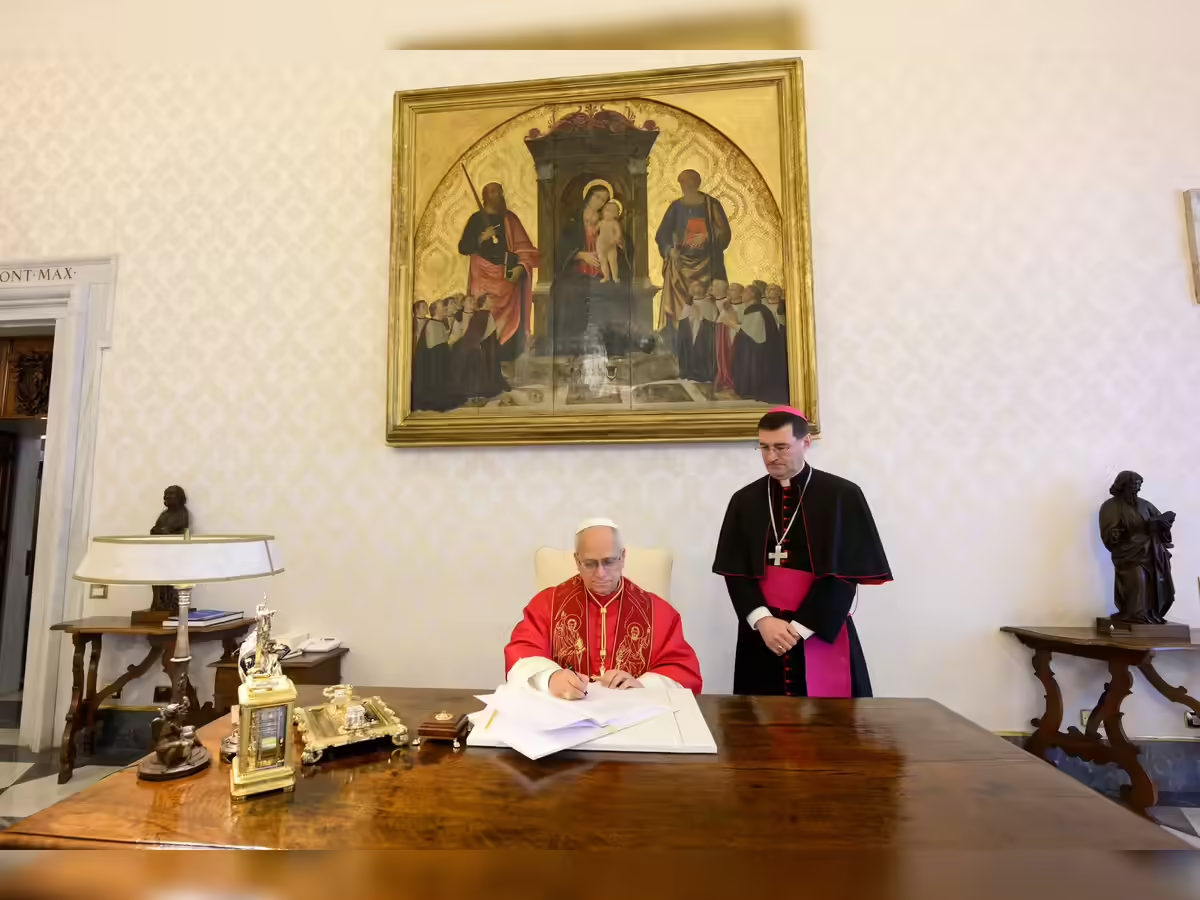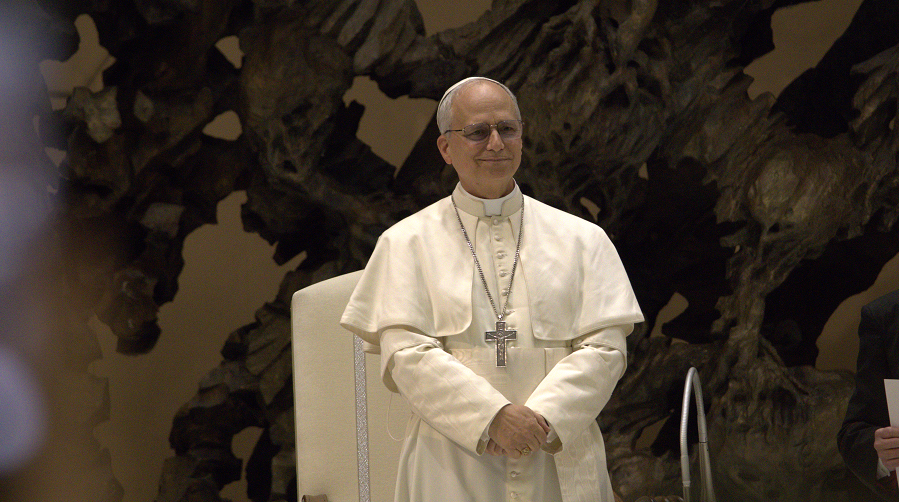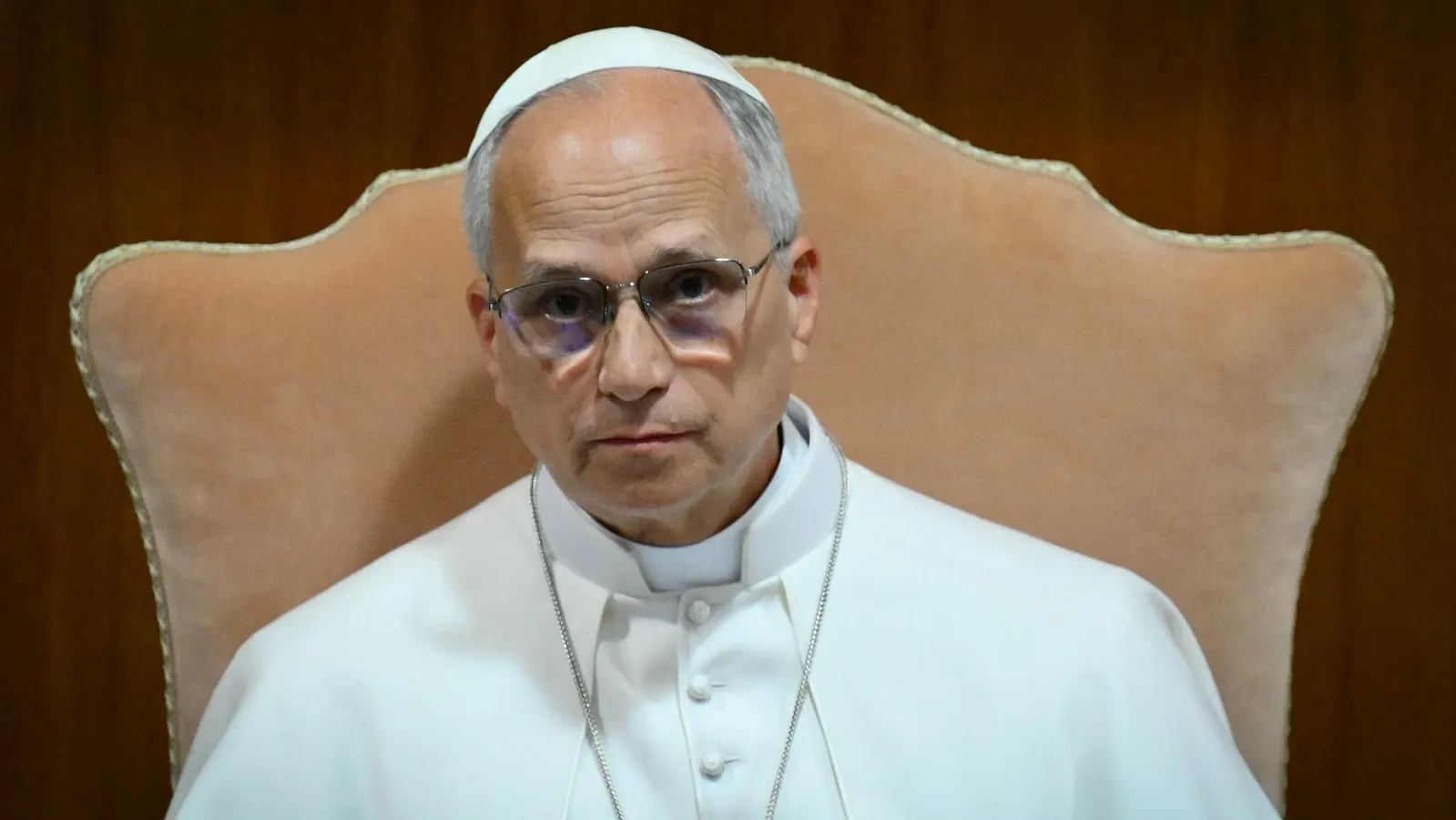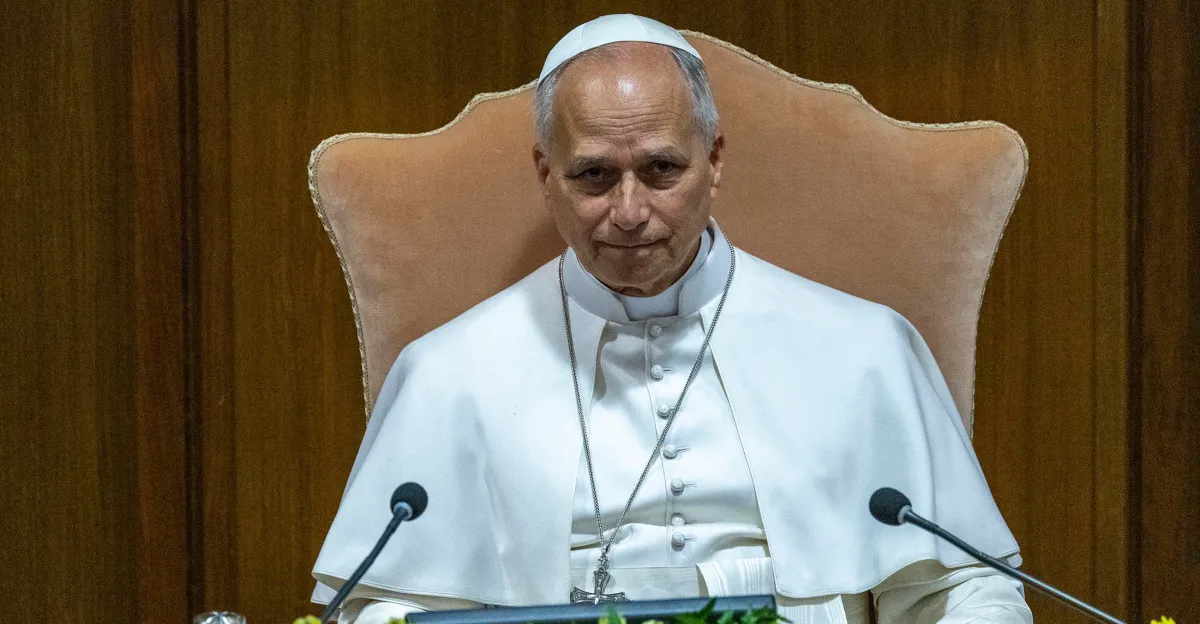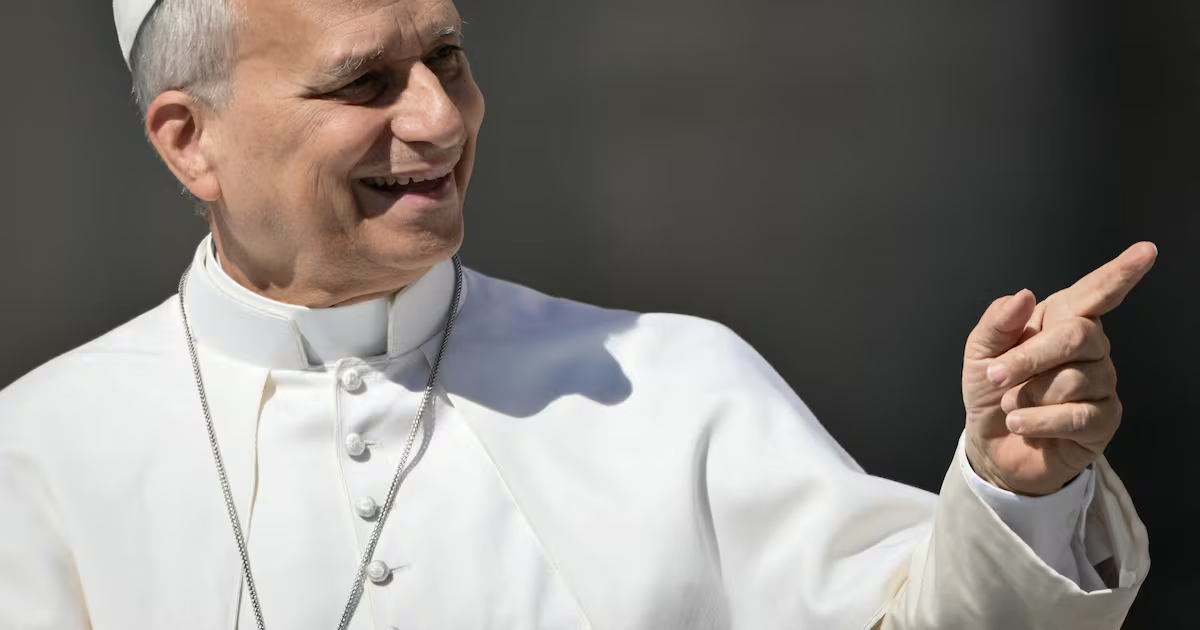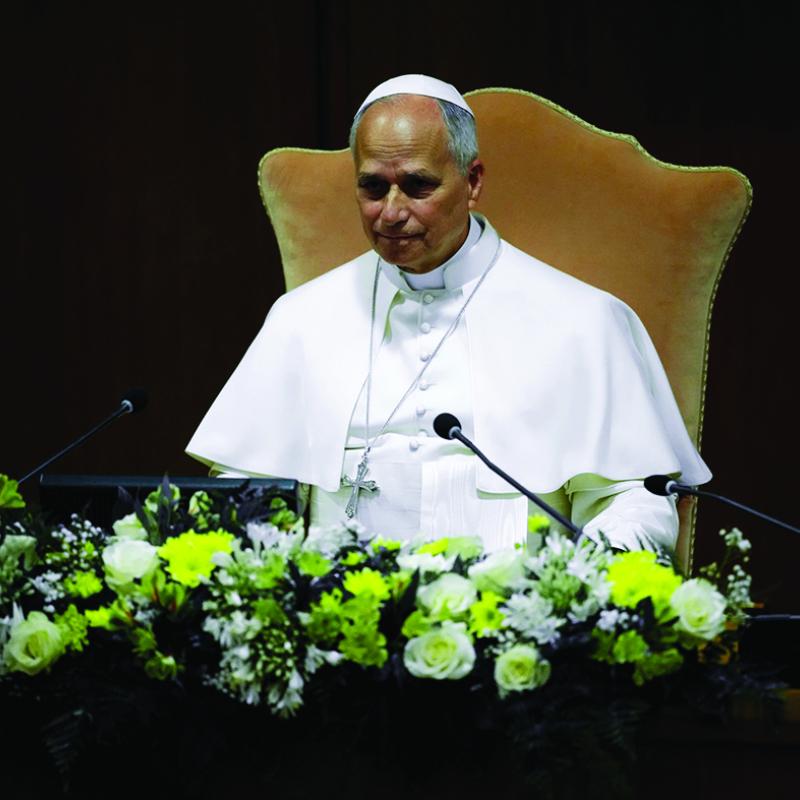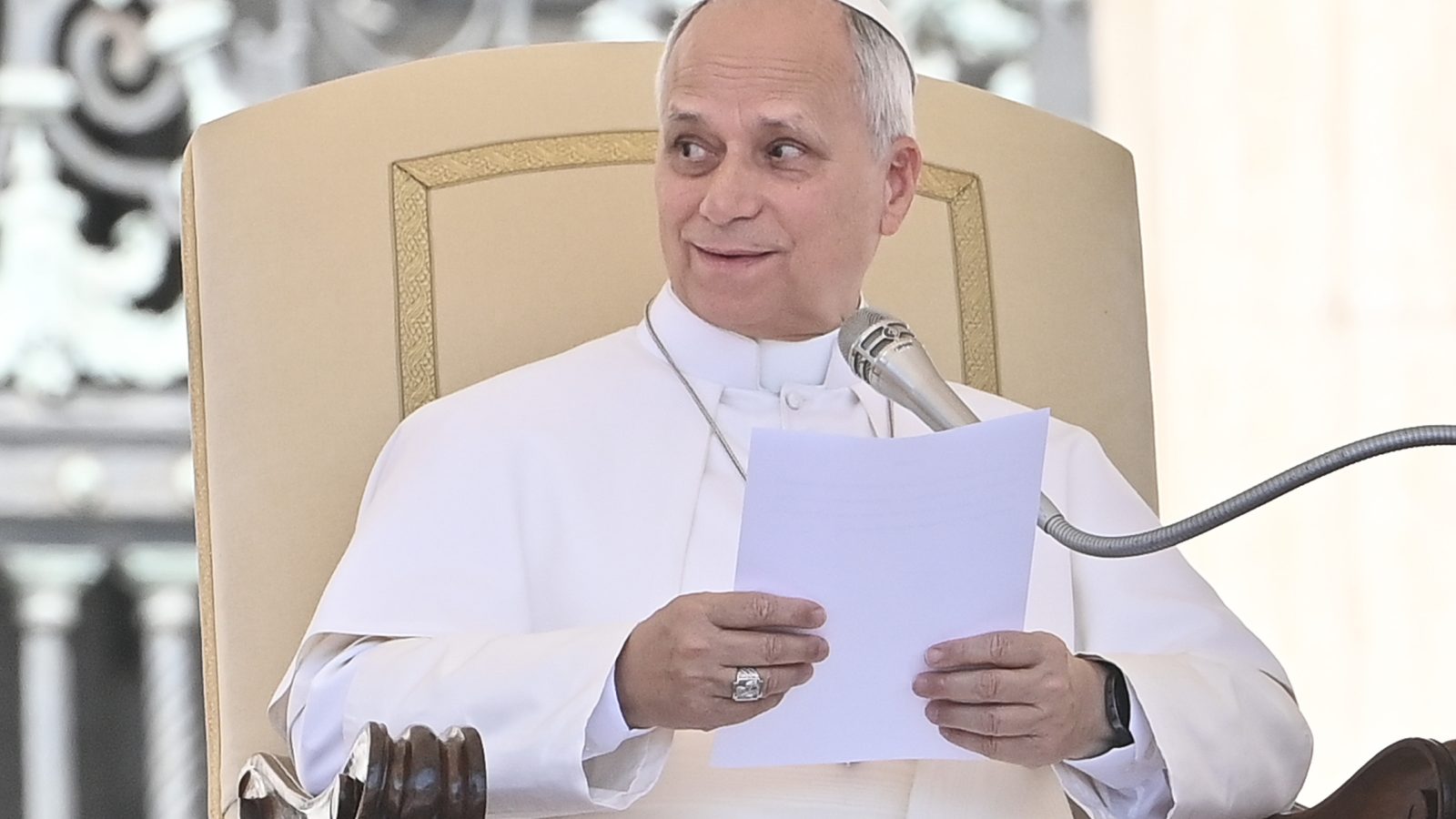
On Monday, Pope Leo XIV released his first encyclical, titled Magnifica Humanitas, or magnificent humanity. The 83-page letter is about “safeguarding the human person in the time of artificial intelligence,” and warns that AI power shouldn’t be concentrated in the hands of a few private companies, that jobs should be protected, and that there should be greater oversight and regulation.
Christopher Olah, co-founder of Anthropic, was present at the briefing, and got a shoutout from the pope. That’s not surprising, since the company recently hosted more than a dozen Christian leaders for talks at its office in San Francisco. Officials from Meta, Google, and Amazon have also held meetings in the Vatican.
Why are big tech companies courting the pope? Technology has changed how we worship and seek spiritual guidance, with religious leaders and commoners alike embracing social media platforms and AI chatbots. In the absence of international regulations and standards on AI, perhaps it is natural that companies and organizations are turning to religion for answers. But who decides which religions have a say, and who lays down the rules?
For the 1.4 billion Catholics in the world, guidance from the pope is critical. Many live in South America, and the fastest growing pockets are in Asia — largely in India and the Philippines — and Africa. It is in these regions that most of the workers doing the essential, low-paid data annotation and labeling work for AI are also located. It’s here that the critical minerals needed to make chips are being mined, and data centers that suck up water and electricity are being built, as opposition to them grows in the Western world.