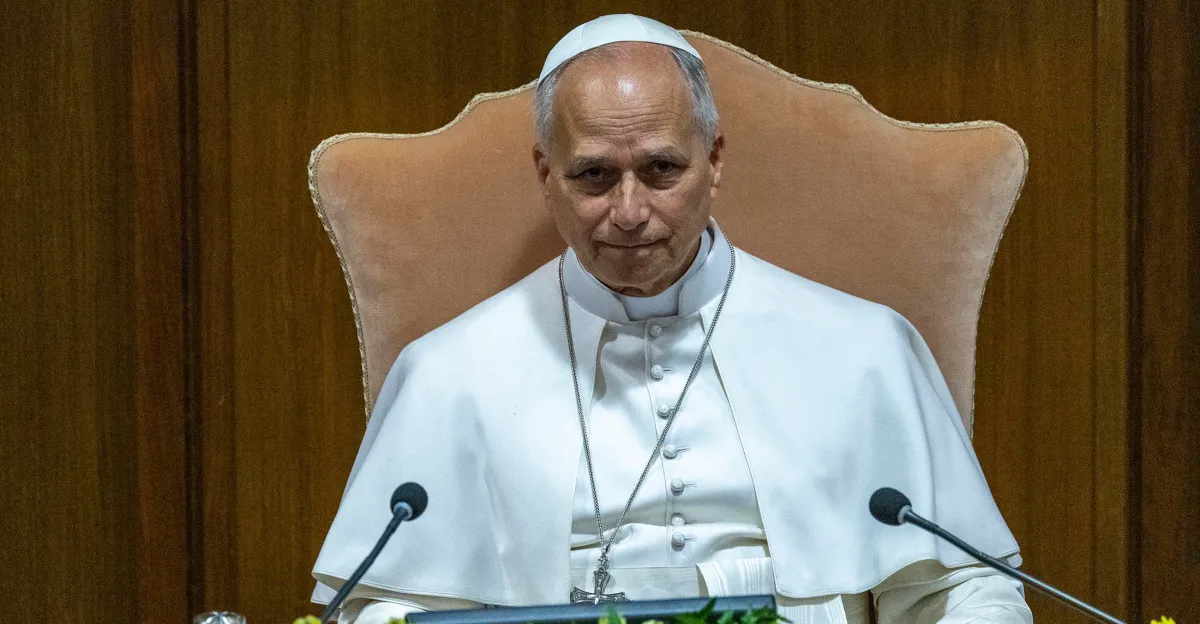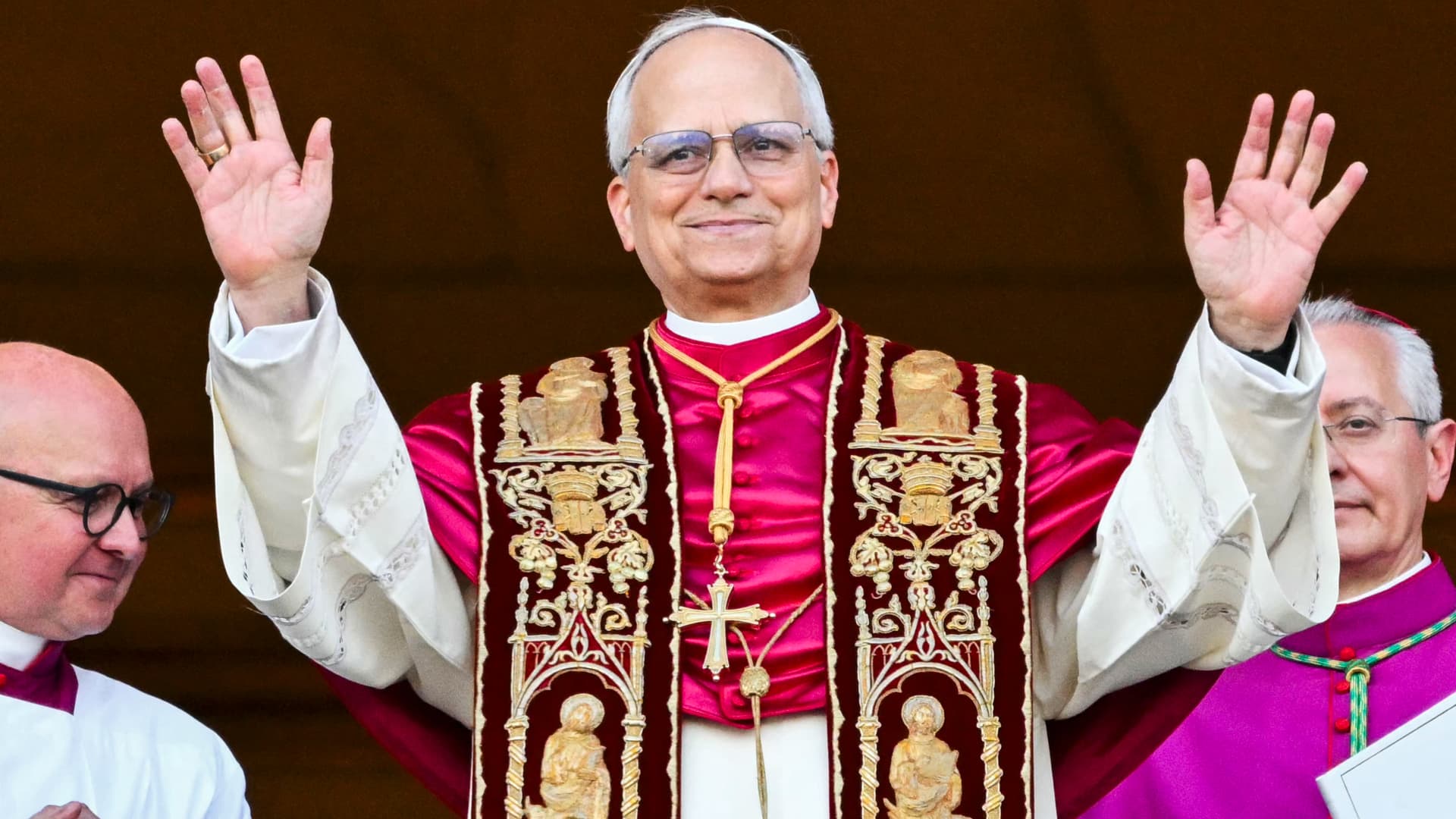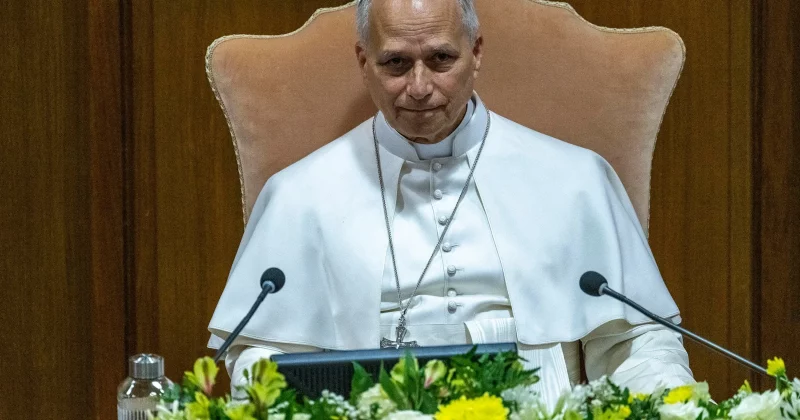
The Catholic Church just dropped a 42,300-word policy paper on artificial intelligence. And yes, it has a tech co-author.
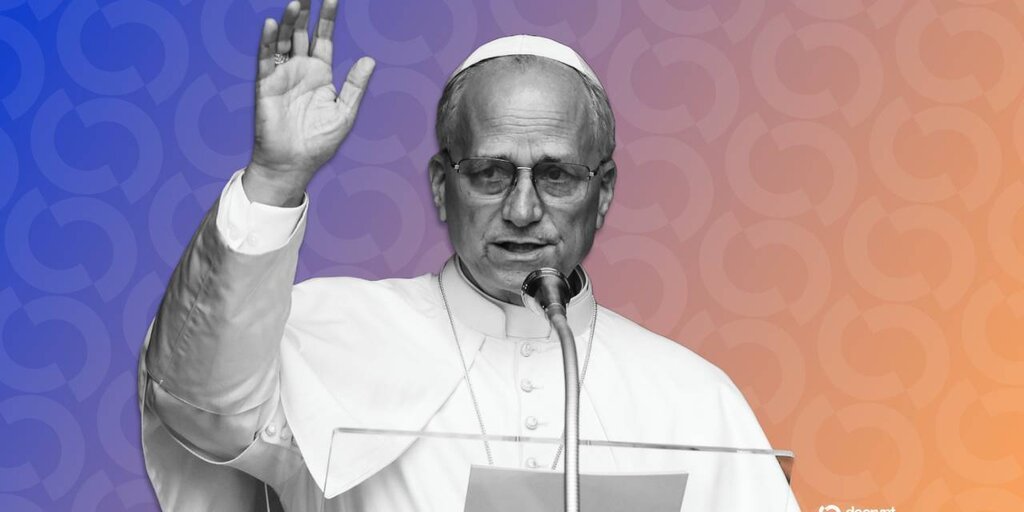
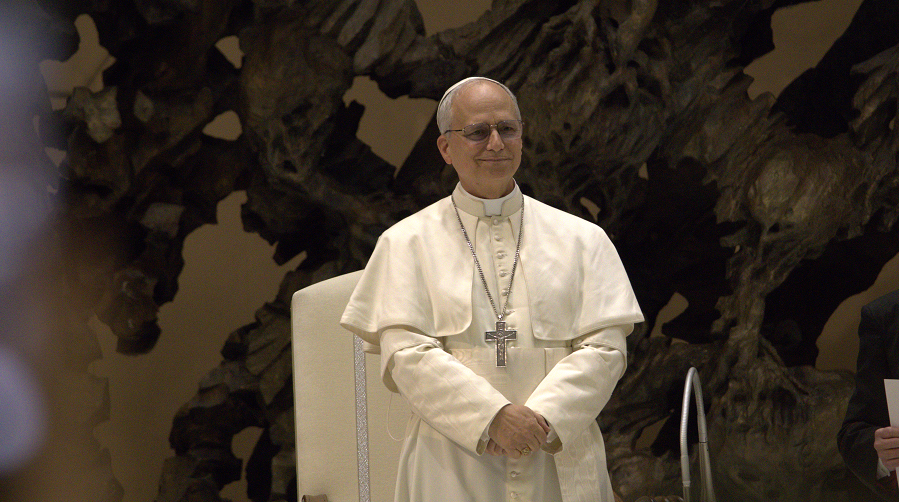
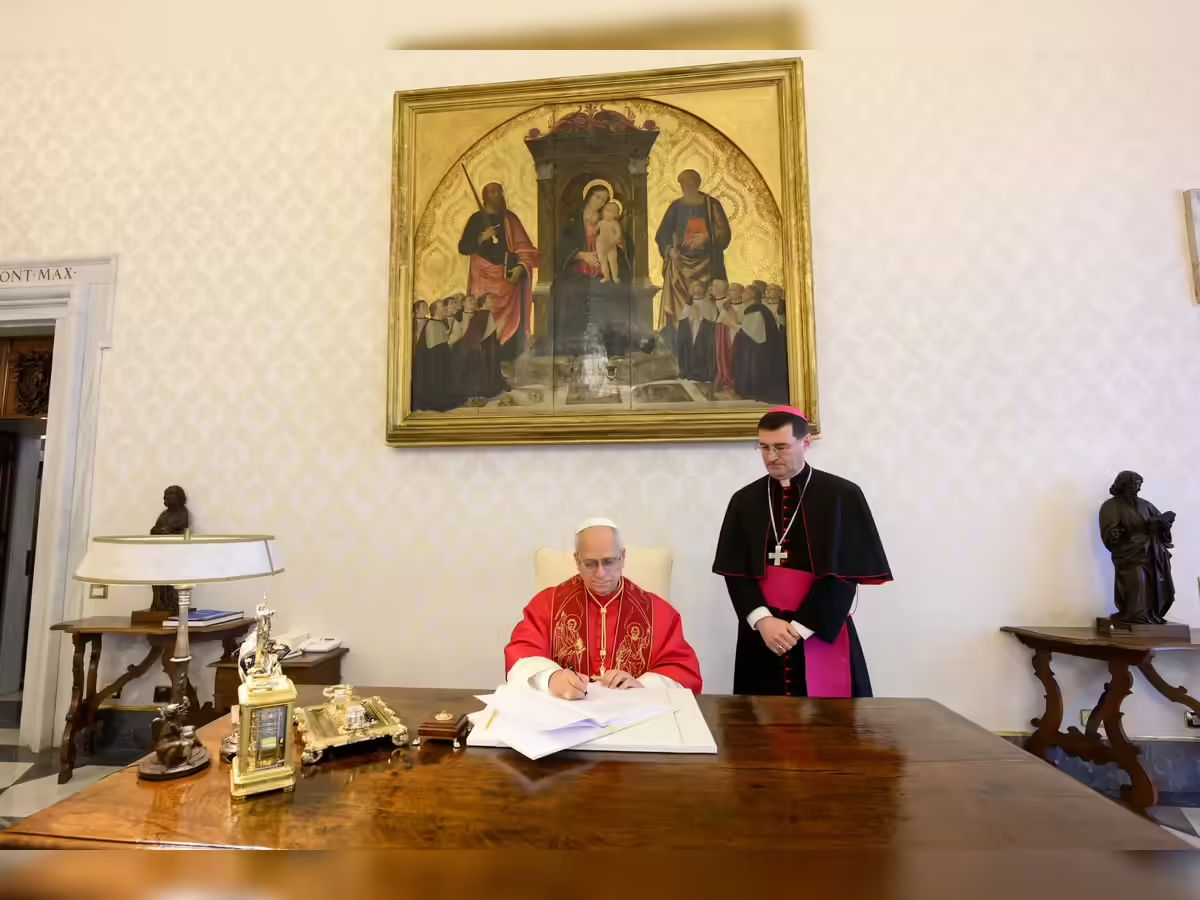
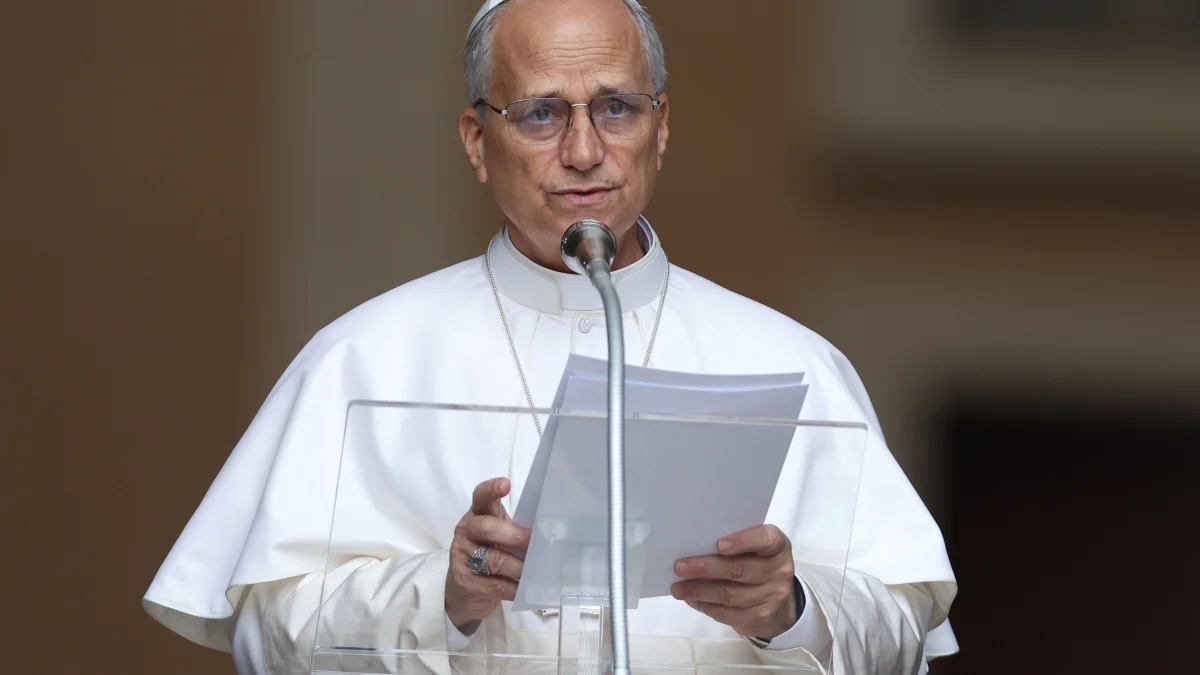
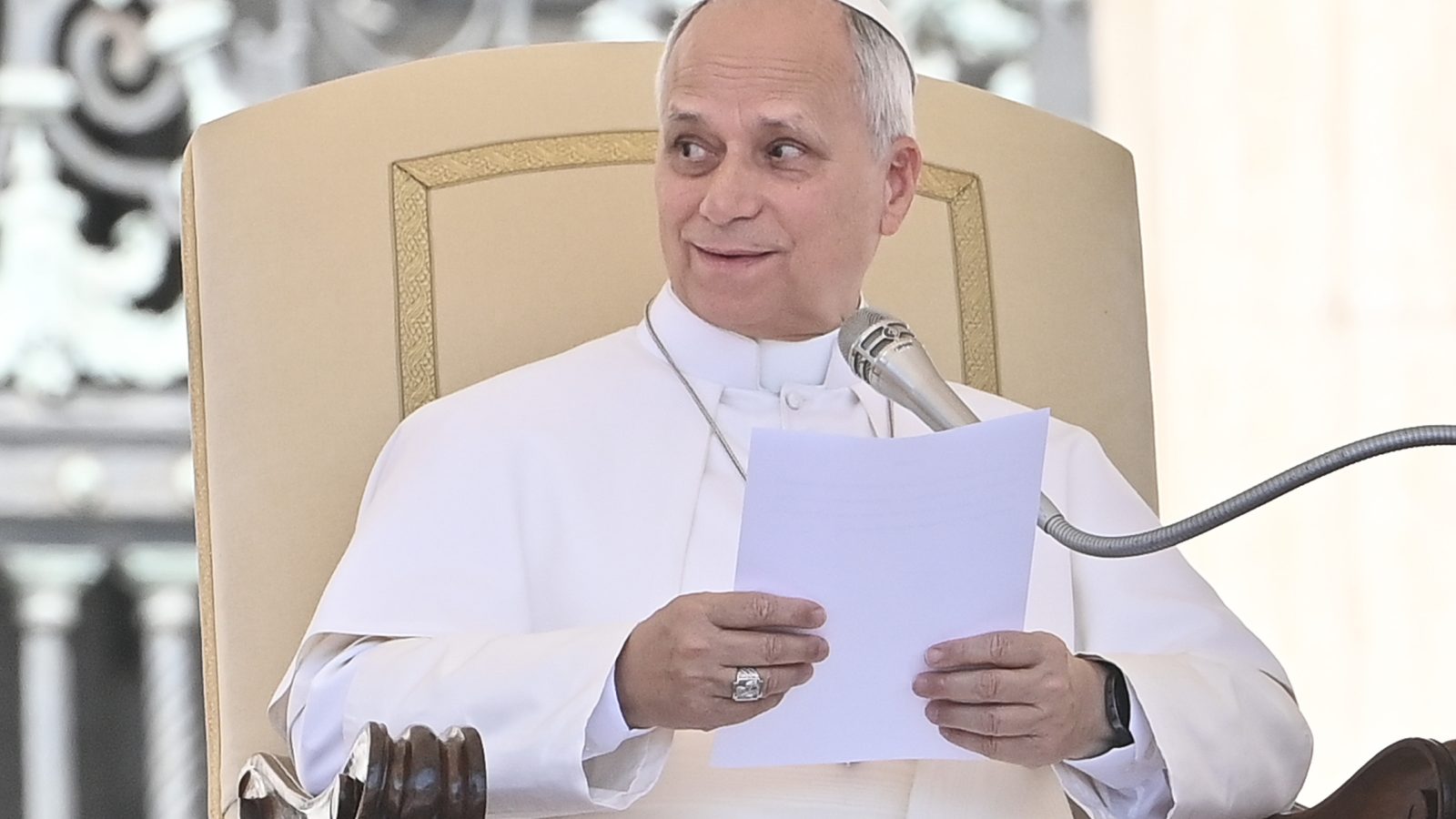
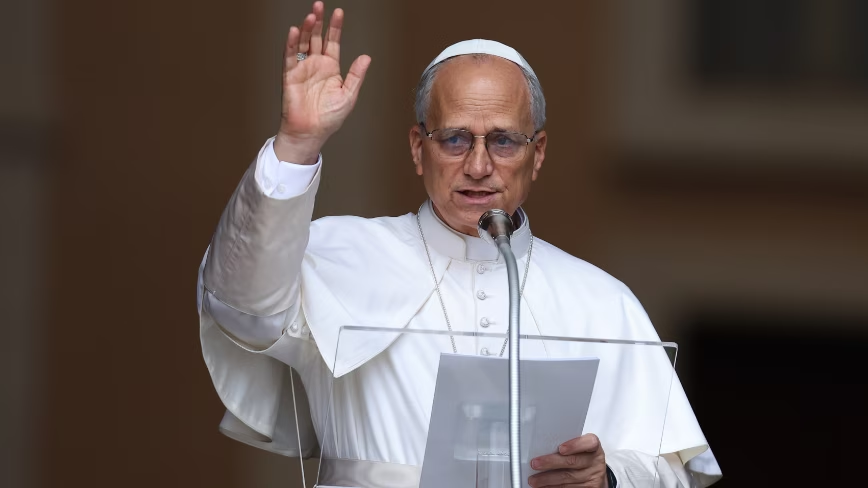
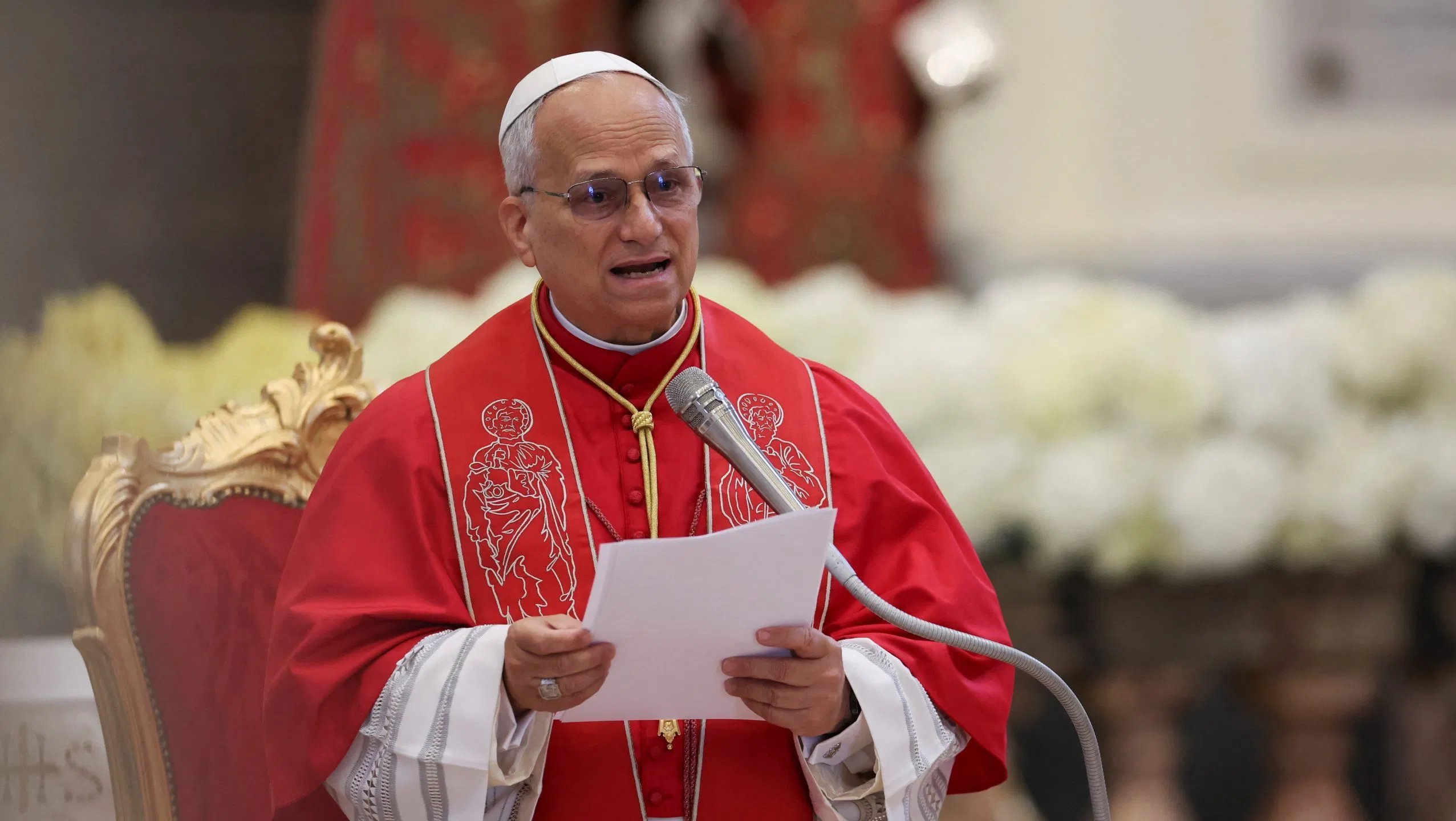
Pope Leo XIV released his inaugural encyclical, Magnifica Humanitas, on May 25, 2026, laying out what might be the most comprehensive religious framework for thinking about AI, digital assets, and the moral obligations that come with building world-altering technology. The document was co-presented by Christopher Olah, co-founder of Anthropic, the AI safety company behind the Claude model.
What the encyclical actually says
The core argument of Magnifica Humanitas is that AI, left unchecked, risks creating what Leo XIV calls “new forms of slavery.” He’s not speaking abstractly. The encyclical points to specific labor conditions: low-wage data processing jobs, content moderation work that exposes workers to traumatic material, and the rare-earth mining operations that supply the hardware powering the AI boom.
Beyond labor exploitation, the document flags several other concerns. The concentration of AI power among a handful of private entities. Job displacement from automation. The deployment of AI in military applications, particularly autonomous weapons systems. And perhaps most philosophically, the erosion of human relationships and personal agency when algorithms increasingly mediate how people live, work, and connect.