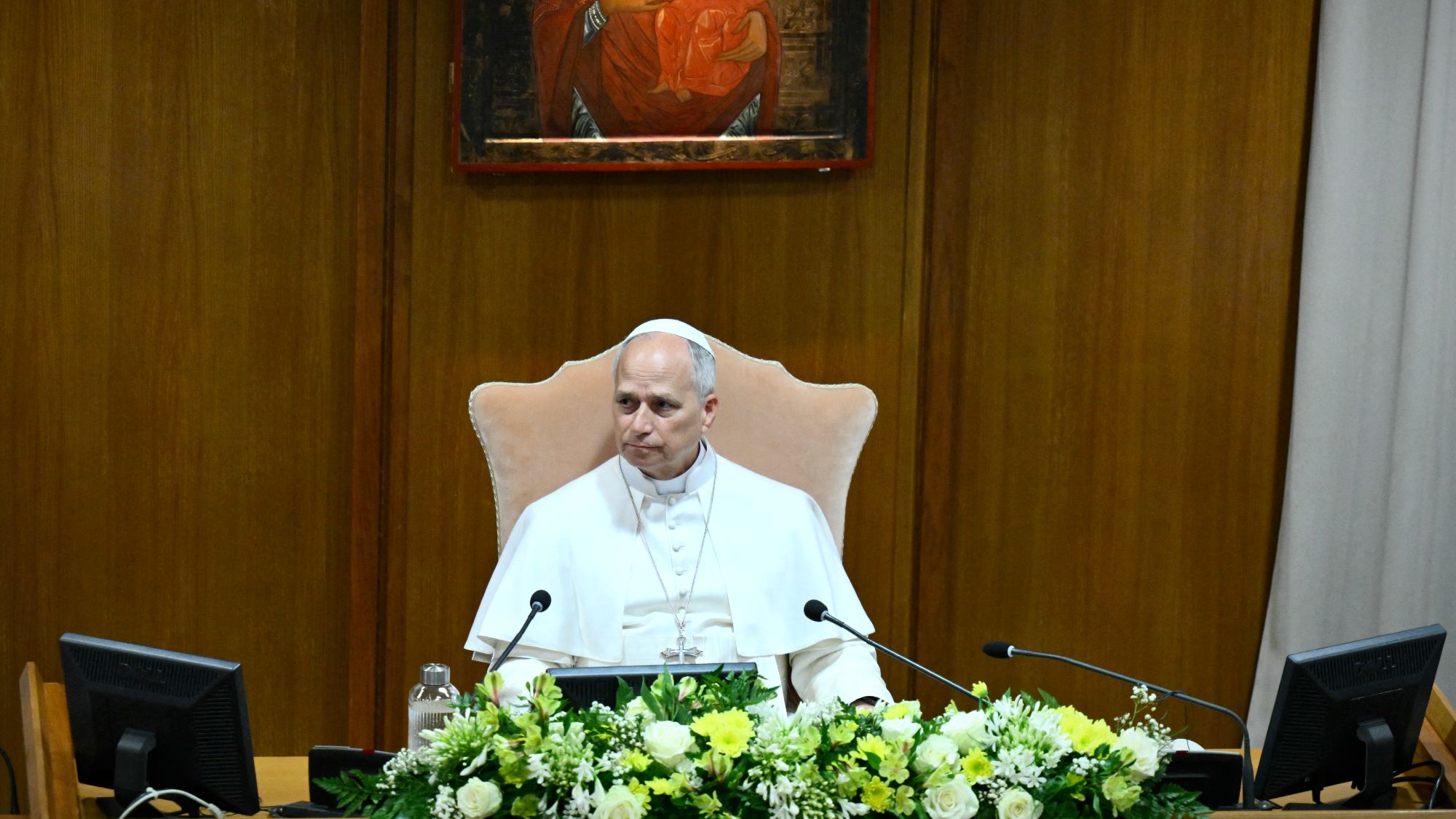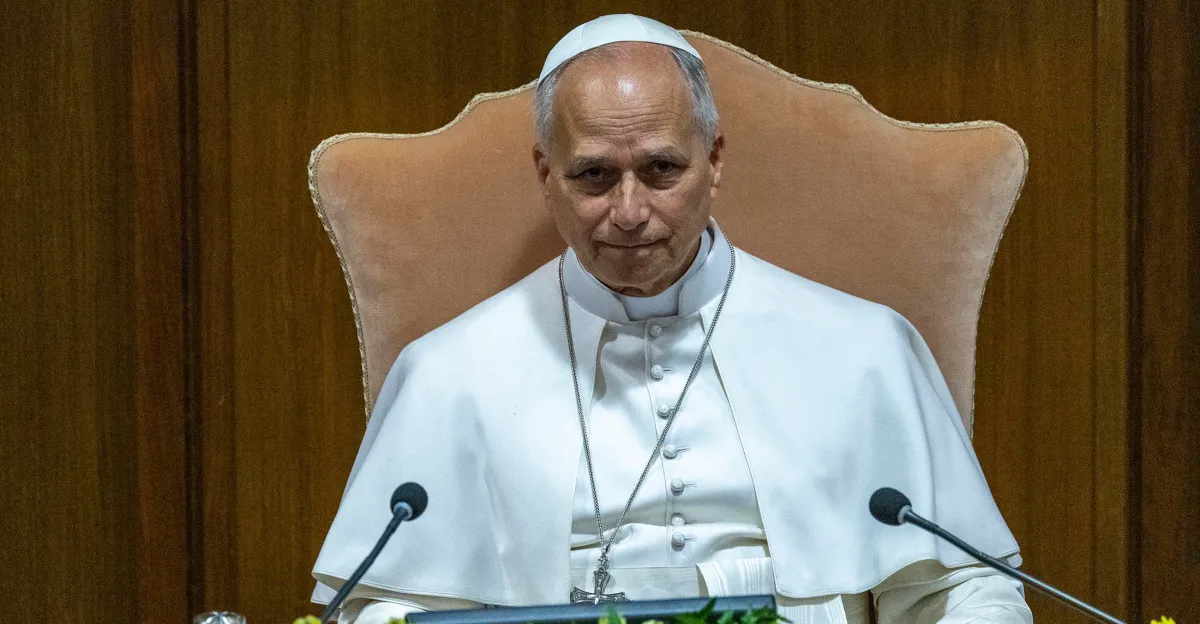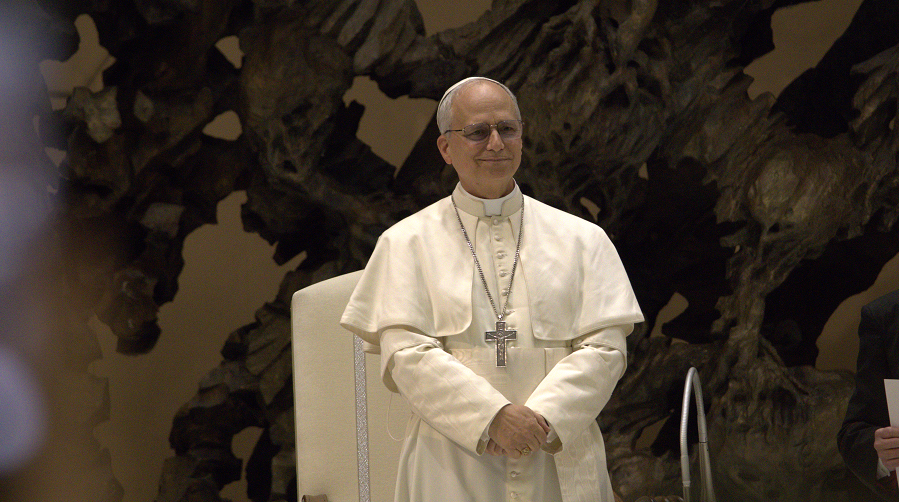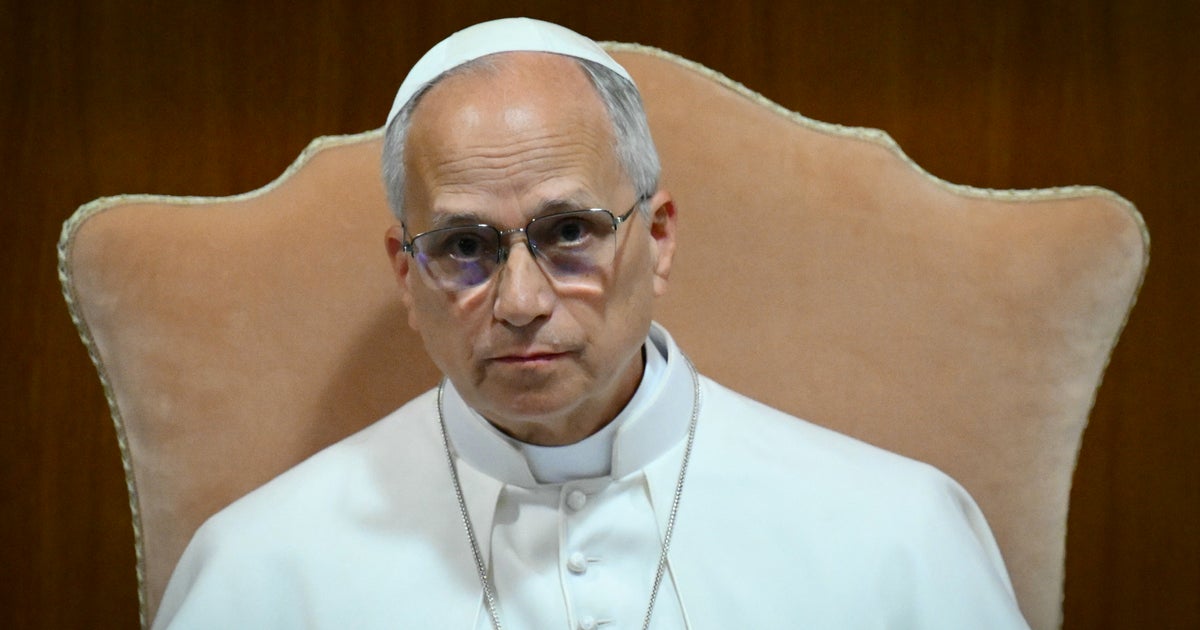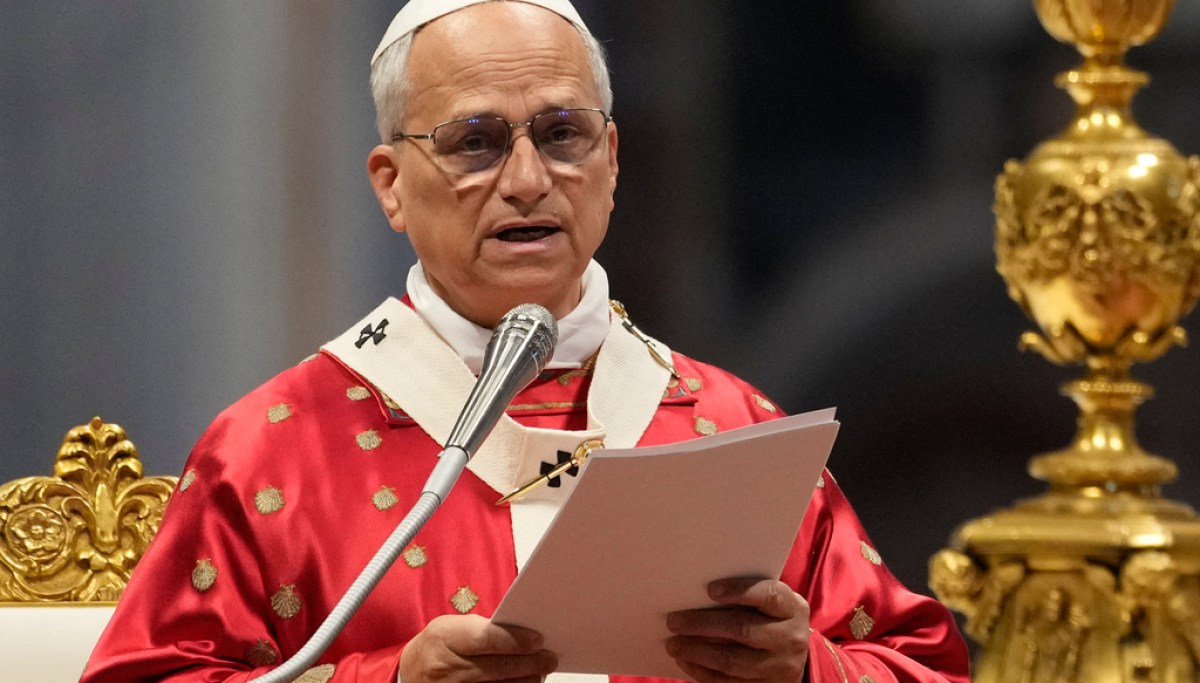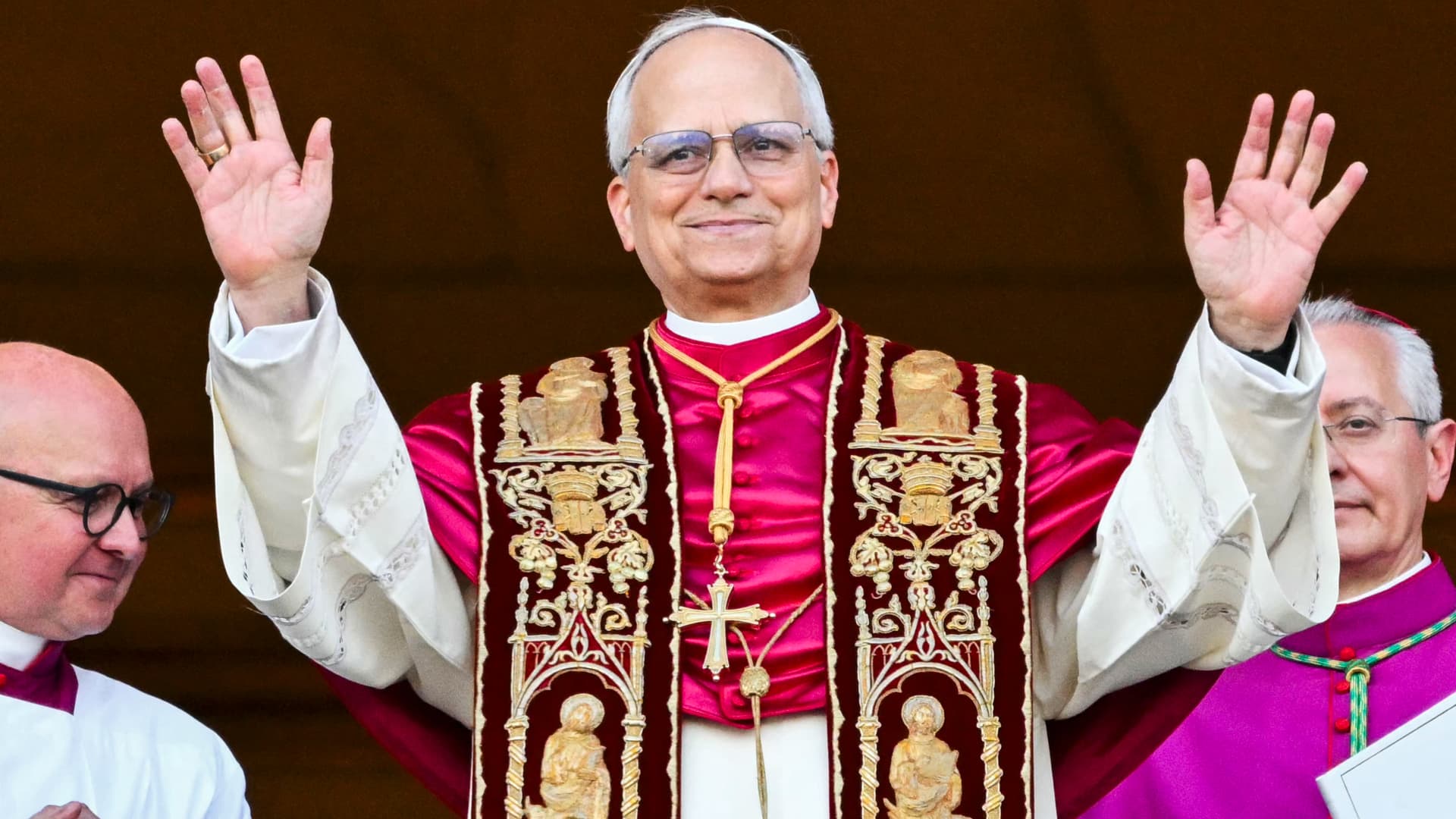
In late May, Pope Leo XIV published a 42,000-word encyclical, or letter, entitled "Magnifica Humanitas: On Safeguarding the Human Person in the Time of Artificial Intelligence." In it, he discussed a range of AI-related topics, including the need for policies and legal frameworks as the technology evolves, and the risks of concentrating its power in the hands of a few. He also weighed in on the conversation around AI-human relationships."So-called artificial intelligences do not undergo experiences, do not possess a body, do not feel joy or pain, do not mature through relationships and do not know from within what love, work, friendship or responsibility mean," he wrote.He added that, "they may imitate language, behavior and analytical skills, or even simulate empathy and understanding, but they do not understand what they produce."More than half of Americans say they have some kind of relationship with an AI system, according to a 2025 survey of 1,012 U.S. adults by therapy practice Vantage Point Counseling Services. And a majority, 72% of 13-to 17-year-olds have used AI companions at least once, according to a 2025 report by nonprofit Common Sense Media.The Pope's words put "a spotlight that was bigger than before" on this particular phenomenon, says Vaile Wright, senior director for health care innovation at the American Psychological Association. Here's why she and Omri Gillath, a psychology professor at the University of Kansas, think that's significant.'Successful, effective, human relationships are reciprocal'These days, "people are losing relationships," says Gillath. "People are spending less time with friends, spending less time with romantic partners." Nearly three-quarters of Americans get together with their close relationships twice a month or less, and 29% rarely or never talk with them through phone or video calls, according to the 2025 Social Connection in America report.And while AI-human relationships "certainly can mimic that sense of connection and are obviously very validating, there's lots of discussion about that," says Wright, "they're one-sided, and human relationships — successful, effective, human relationships are reciprocal." Unlike human-AI relationships, human relationships are also challenging, which is "how we build resilience," she says. "It's how we learn about ourselves. It's how we learn about other people. It's how we develop values and goals." AI relationships can also increase loneliness and make users more dependent on the technology, says Gillath.'There is really no humanity without other people'To ensure you don't fall into any unhealthy patterns, it's worth remembering a few things while using this tech.First, it's "specifically engineered to keep you engaged," says Wright, whether that's ultimately to the benefit of your wellbeing or not.Second, Wright "would encourage people to think about what is AI good at, and what is AI not very good at," she says. While experts say generative AI can help you improve your resume, researchers have found it's not always the right outlet for mental health.Ultimately, even Pope Leo acknowledged that "these innovations can greatly serve integral human development," he wrote. But when it comes to our most critical relationships, says Wright, "there is really no humanity without other people."Want to get ahead at work? Then you need to learn how to make effective small talk. In CNBC's new online course, How To Talk To People At Work, expert instructors share practical strategies to help you use everyday conversations to gain visibility, build meaningful relationships and accelerate your career growth. Sign up today!
Pope Leo XIV shined a much-needed spotlight on AI, say experts: There's 'no humanity without other people’
In May, Pope Leo XIV discussed artificial intelligence in his encyclical "Magnifica Humanitas."
557 words~3 min read