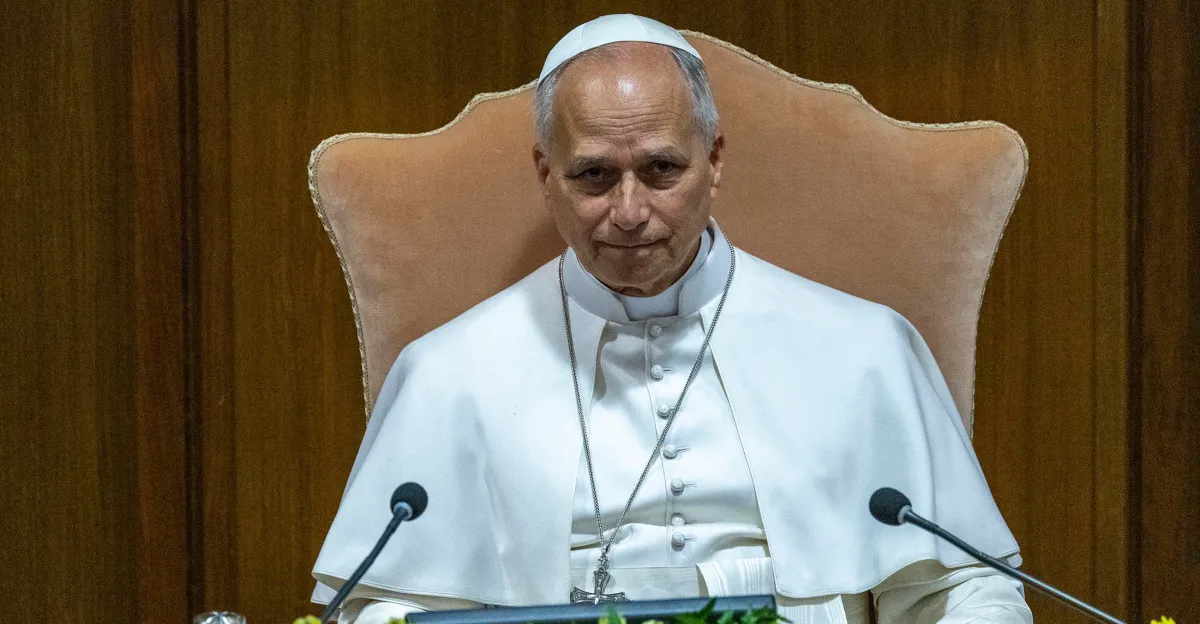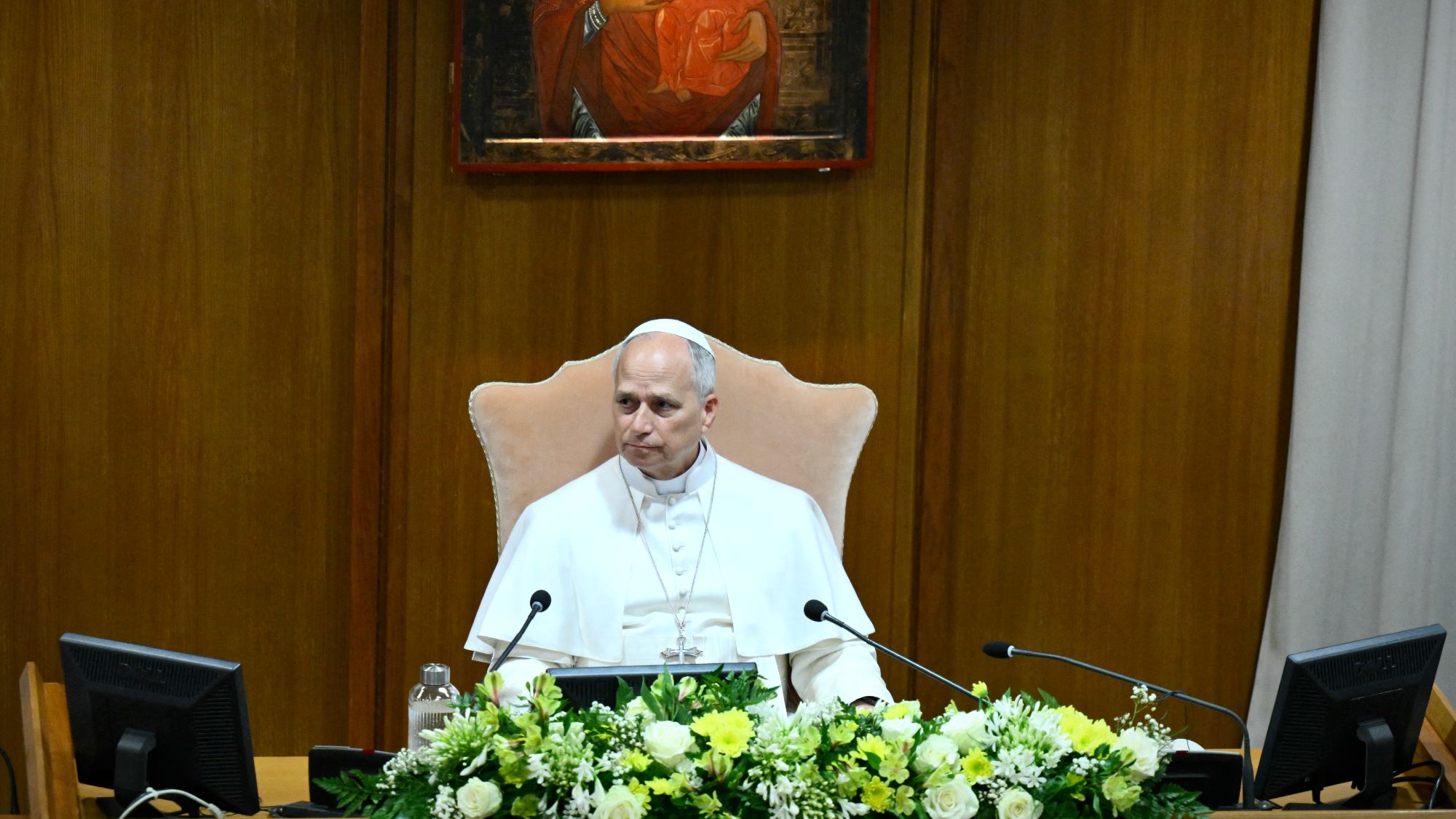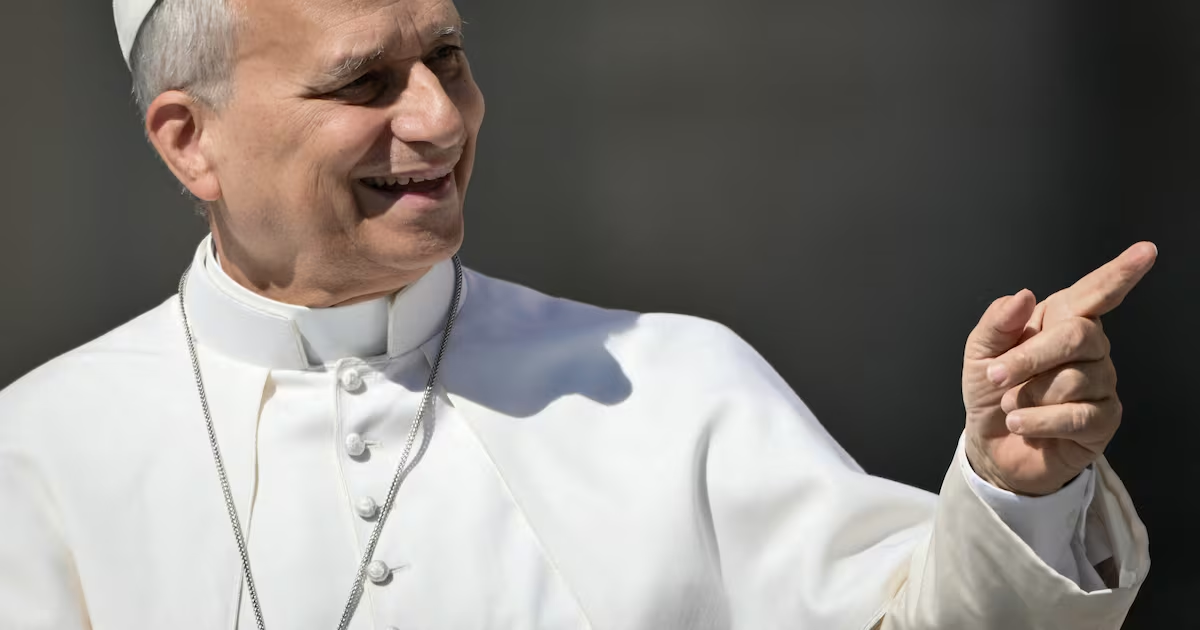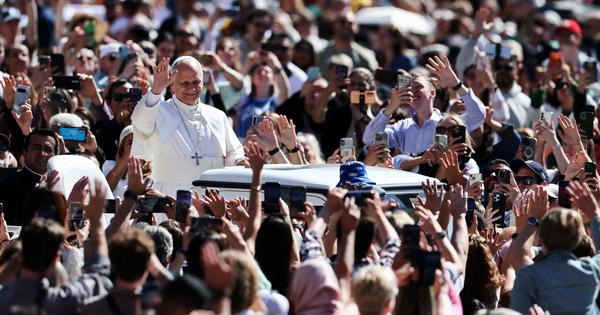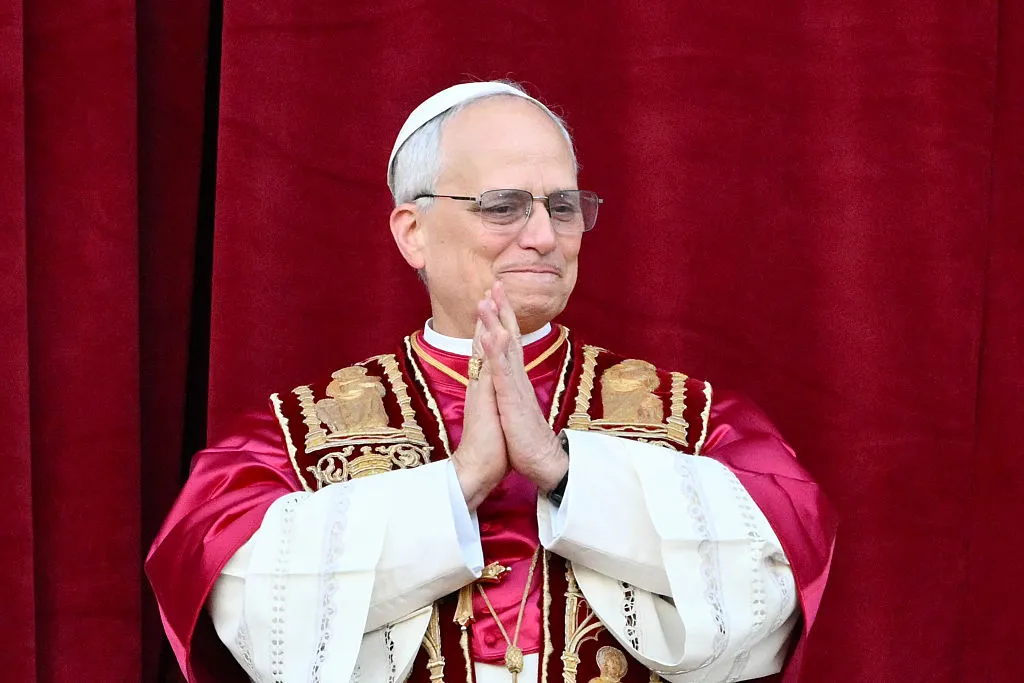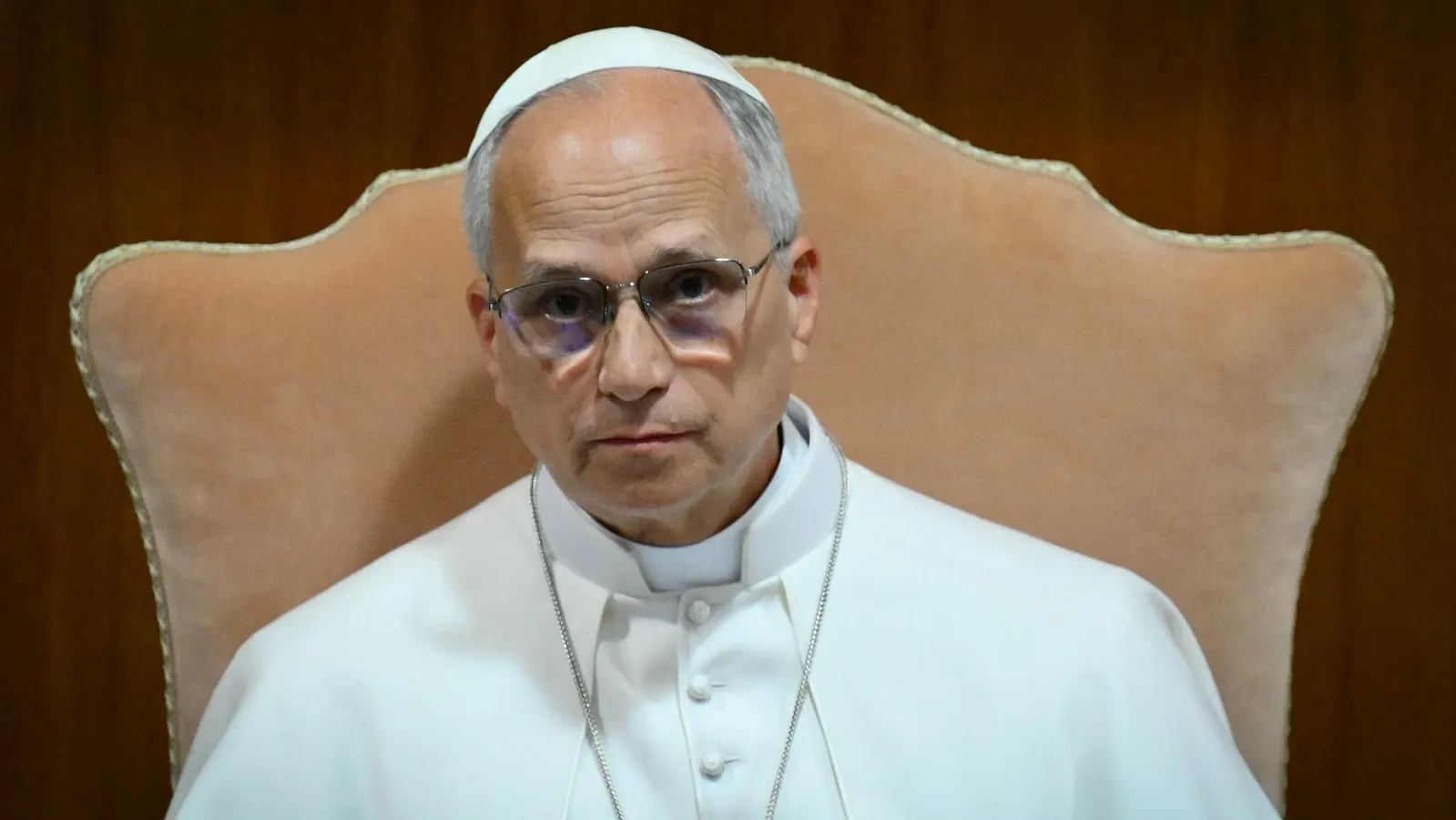
On AI itself, Pope Leo calls for technological projects that protect what he describes as the grandeur of humanity. He warns against reducing people to measurable outputs, predictive profiles or behavioural categories.
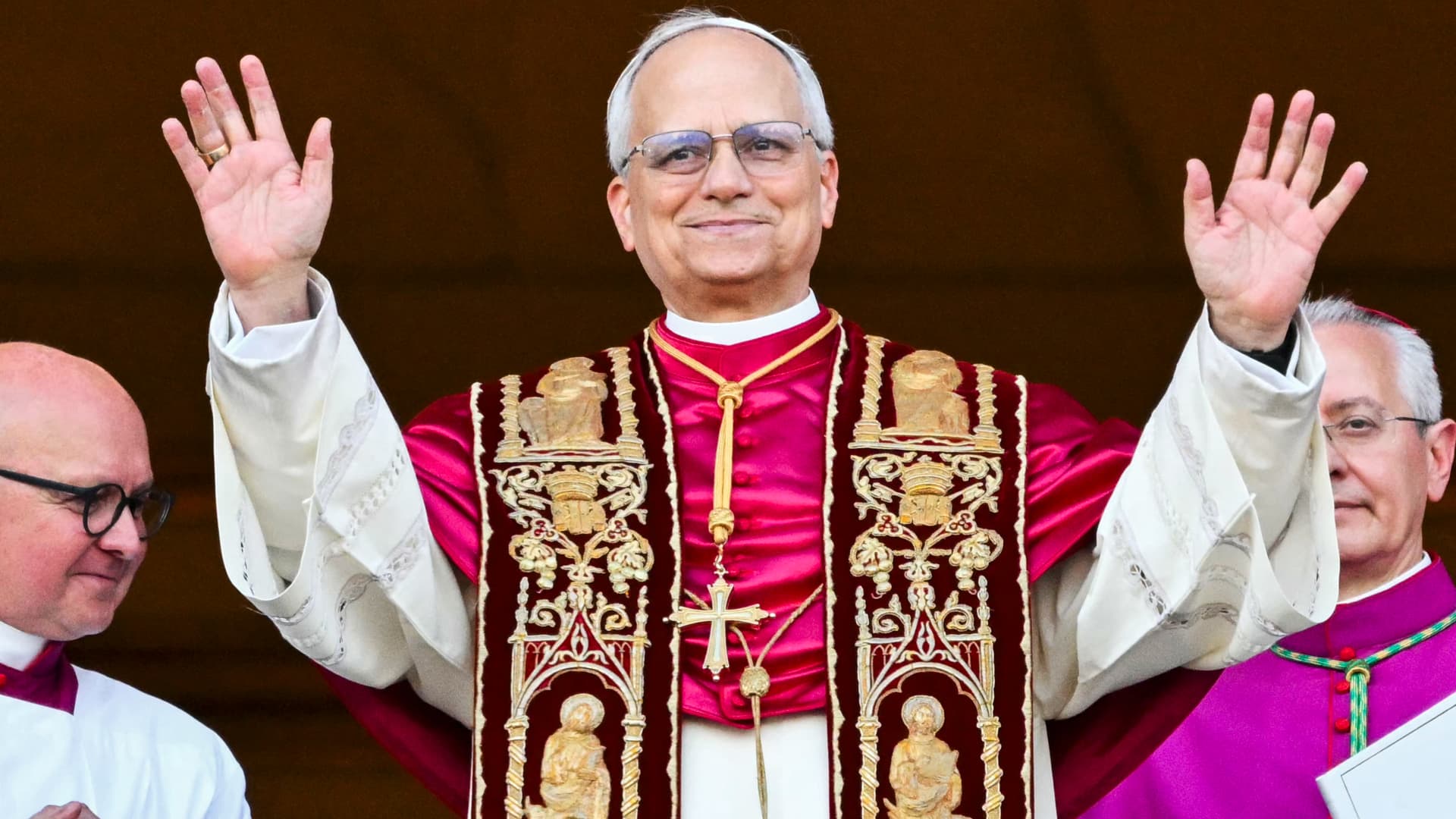
In his first encyclical, Magnifica Humanitas: On Safeguarding the Human Person in the Time of Artificial Intelligence, Pope Leo XIV makes a striking intervention in one of the defining debates of our age. Published on 25 May 2026 and signed on 15 May, the 135th anniversary of Rerum Novarum, the document places artificial intelligence within a wider moral and political argument about human dignity, work, truth, peace and the common good. Its central warning is both simple and urgent: technological change cannot be left to market power, corporate ambition or technical momentum alone. It must be governed by ethical judgment and public responsibility.
To make that case, Pope Leo clarifies what the Church’s Social Doctrine is — and what it is not. It is not a substitute for politics or public institutions. It is a framework of moral discernment, rooted in Christian anthropology and directed towards justice in social life. In this encyclical, Social Doctrine becomes a way of judging whether technological change truly serves the human person. Leo also places that tradition in historical perspective. Although Catholic social teaching developed gradually, the expression “Social Doctrine of the Church” gained wider currency under Pius XII, reflecting the Church’s long effort to accompany economic and social transformation with moral reflection.