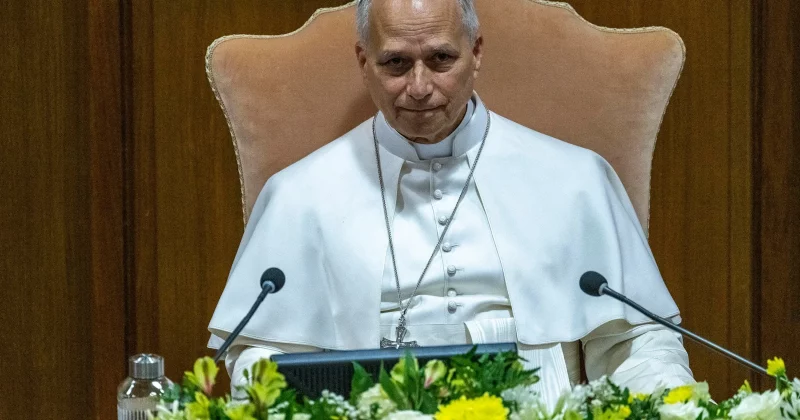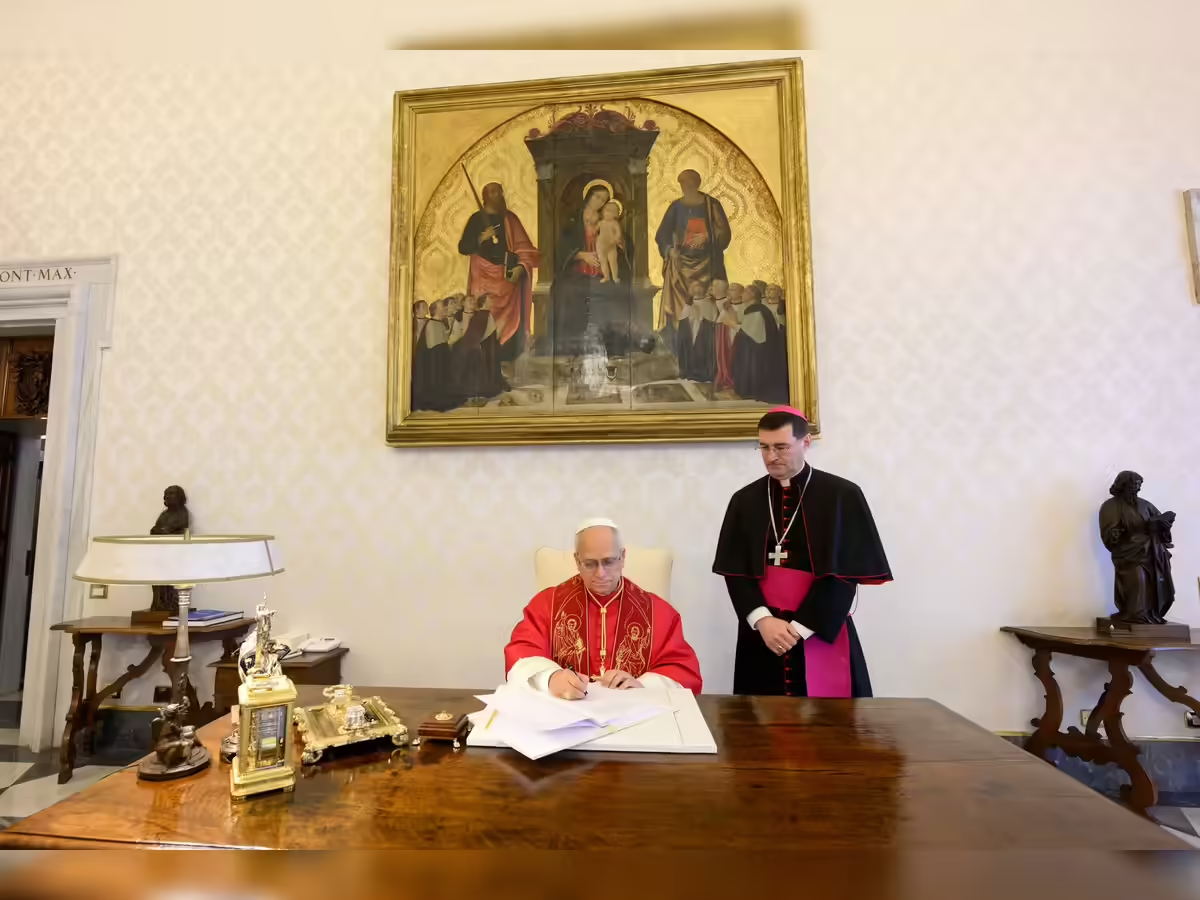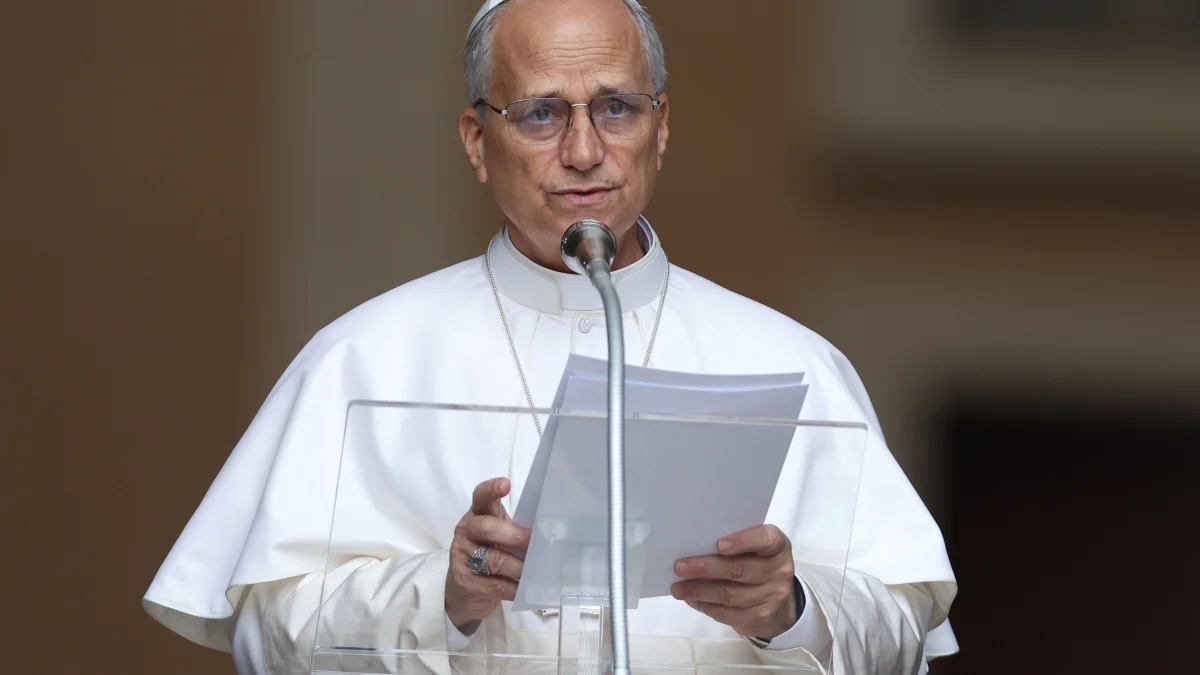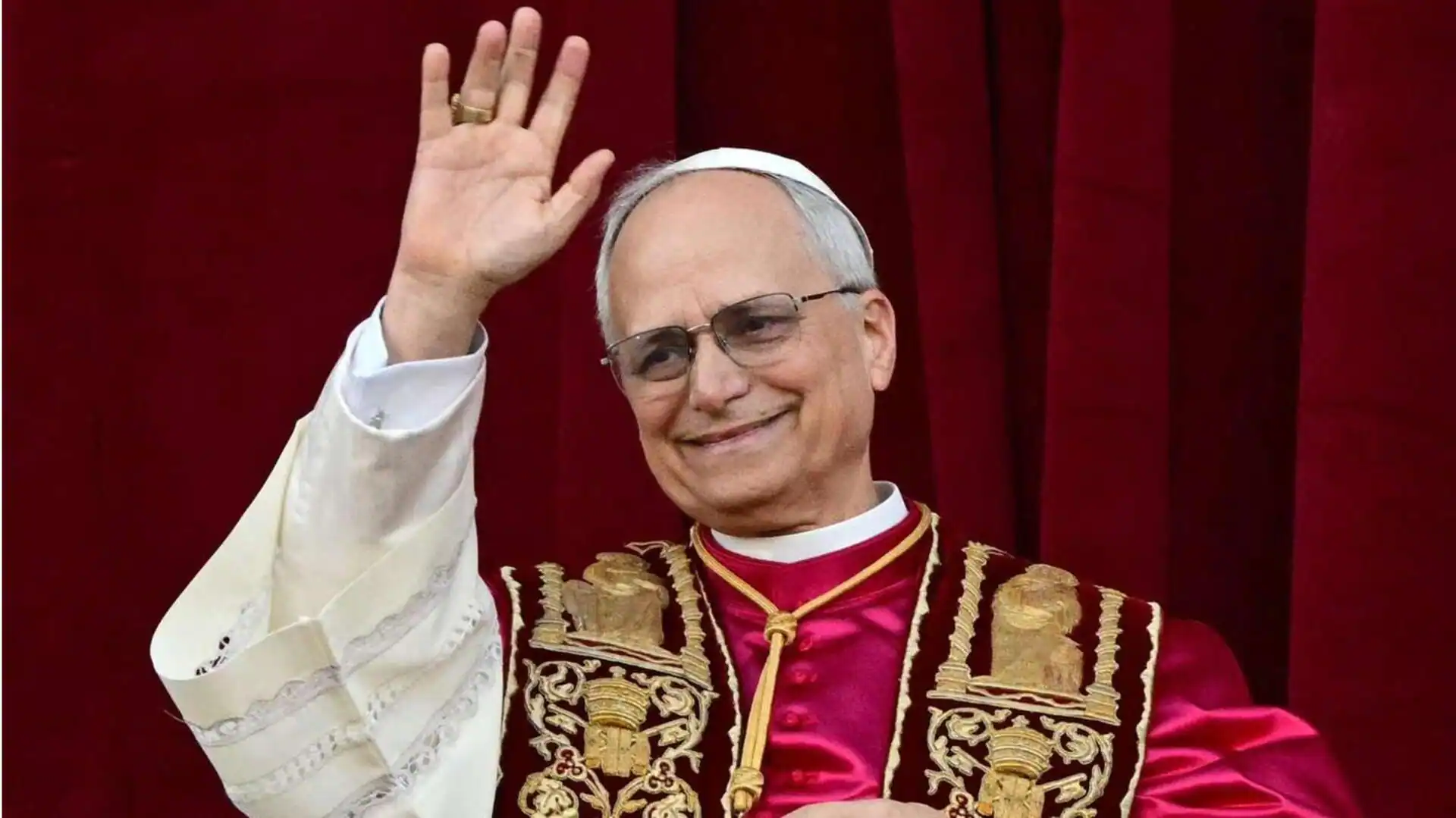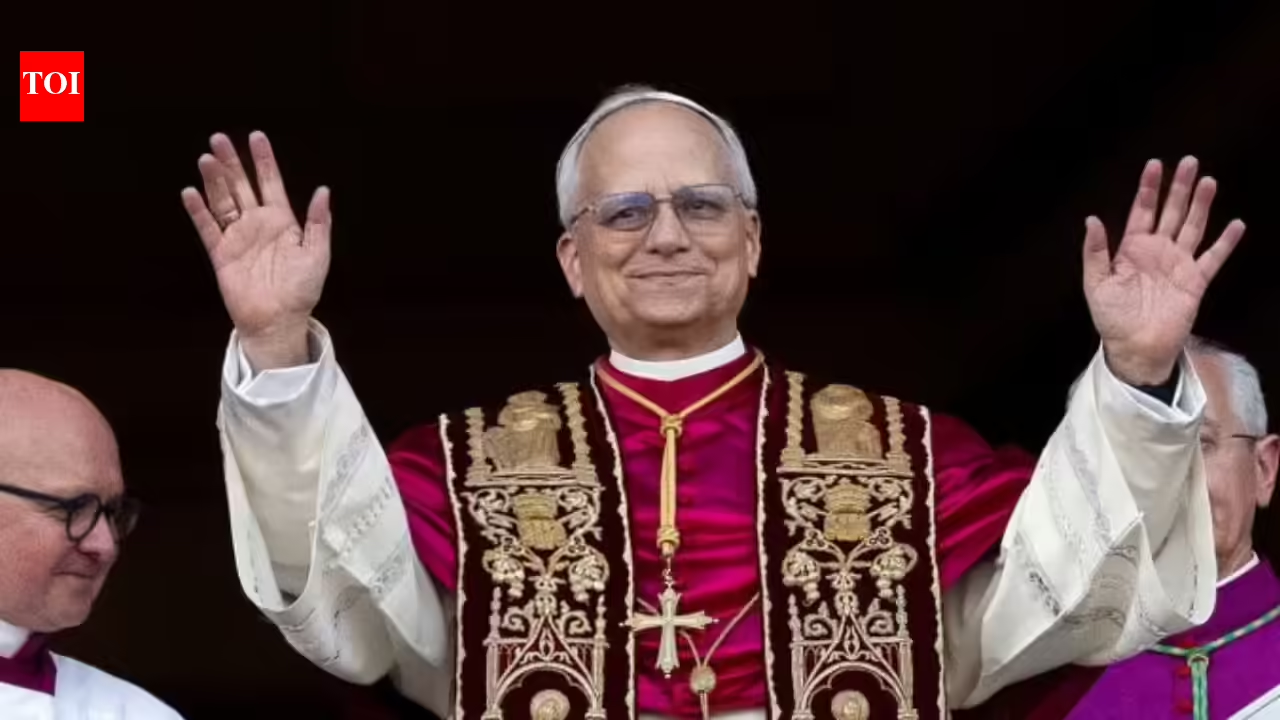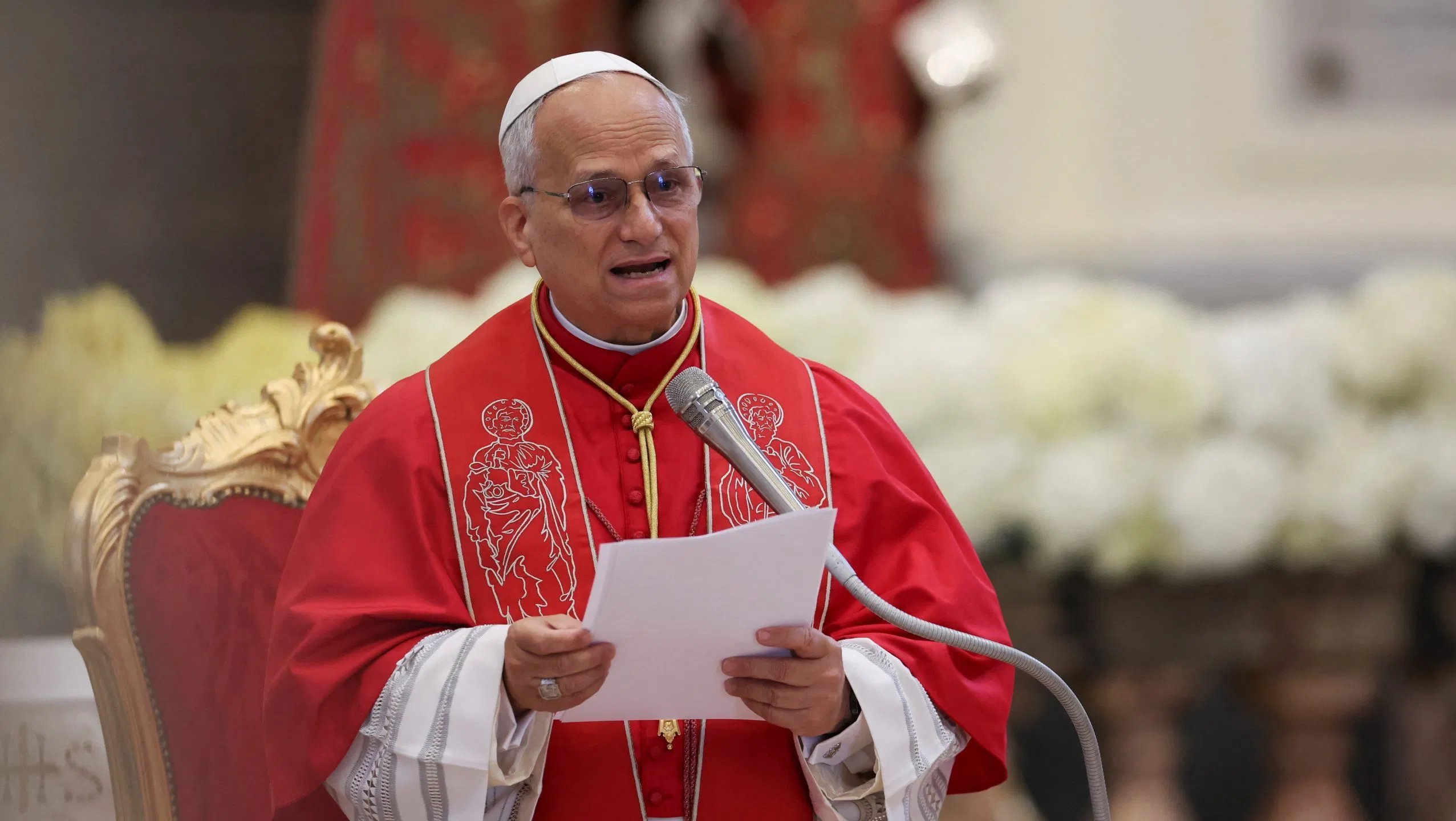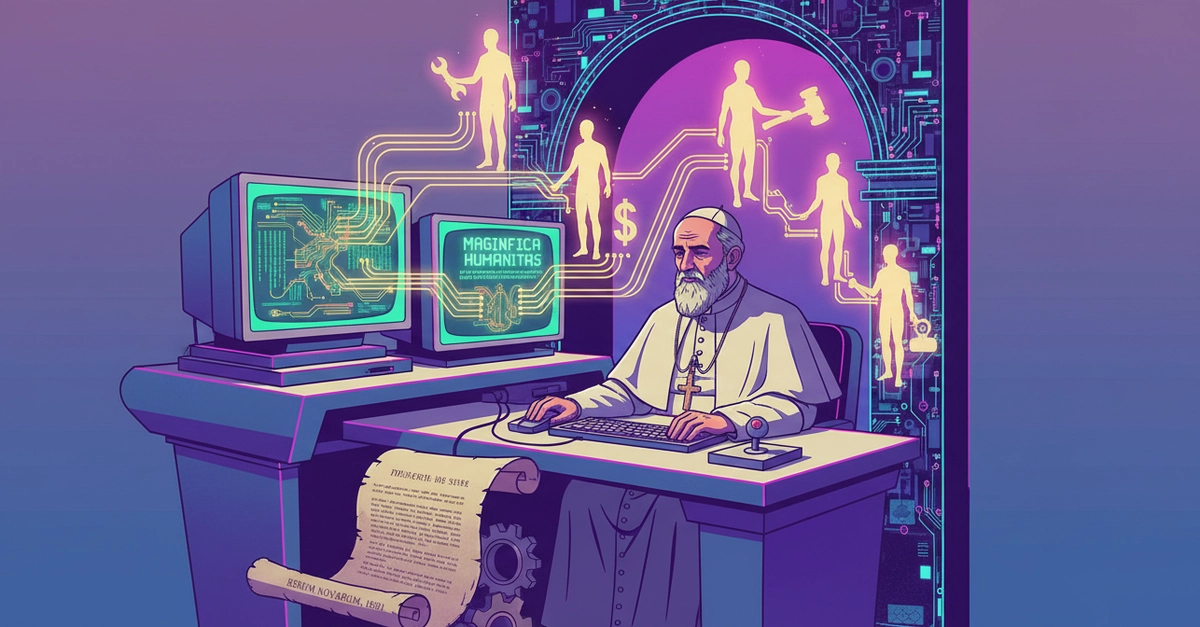
Today, something unprecedented happened: the Roman Catholic Church published its most direct statement on artificial intelligence in history. Pope Leo XIV signed "Magnifica Humanitas" ("Magnificent Humanity") — a 235-page encyclical, the highest-level formal teaching document a pope can publish — specifically addressing AI's impact on human dignity, labor, warfare, and concentrated power. Released on May 25, 2026, on the 135th anniversary of Rerum Novarum (the Church's foundational labor rights document), it arrived with a striking co-presenter: Christopher Olah, co-founder of Anthropic and one of the world's leading neural network interpretability researchers.
Whether you are a devout Catholic, a secular AI engineer, or somewhere in between, this document articulates concerns that are reshaping how governments, enterprises, and society are thinking about what AI should be. Ignoring it because it comes from a religious institution would be a mistake. The arguments inside are sharp, the timing is deliberate, and the audience is explicitly the people building AI systems — not just the people governing them.
The Rerum Novarum Parallel: Why the Date Matters
The timing of Magnifica Humanitas was not accidental. Pope Leo XIII's 1891 encyclical Rerum Novarum addressed the crisis of industrial capitalism — child labor, dangerous factory conditions, the destruction of artisan trades — at exactly the moment those forces were transforming society faster than institutions could adapt. It became one of the most influential documents in the history of labor rights and social policy. Pope Leo XIV, releasing Magnifica Humanitas on its 135th anniversary, is making an explicit historical claim: AI is this generation's Industrial Revolution, carrying the same potential for both liberation and brutal exploitation.