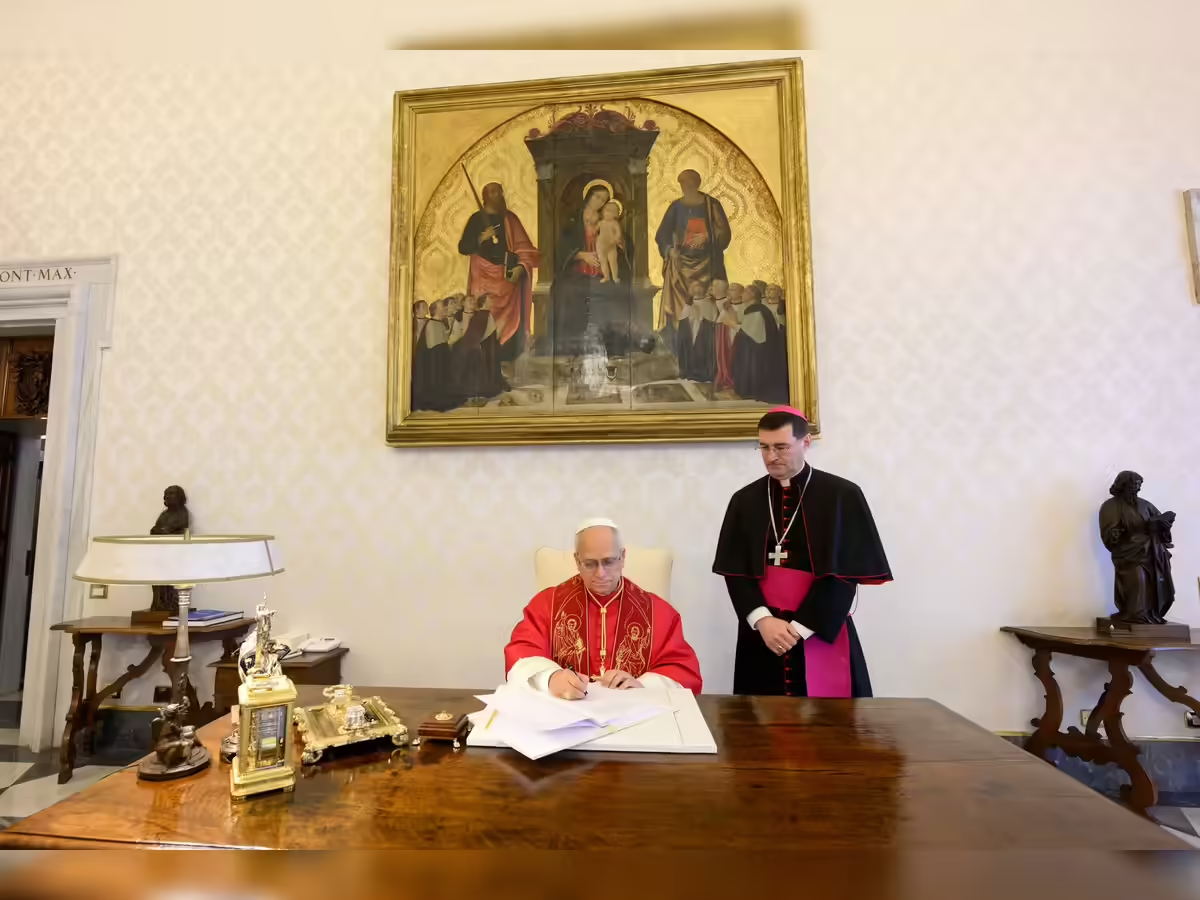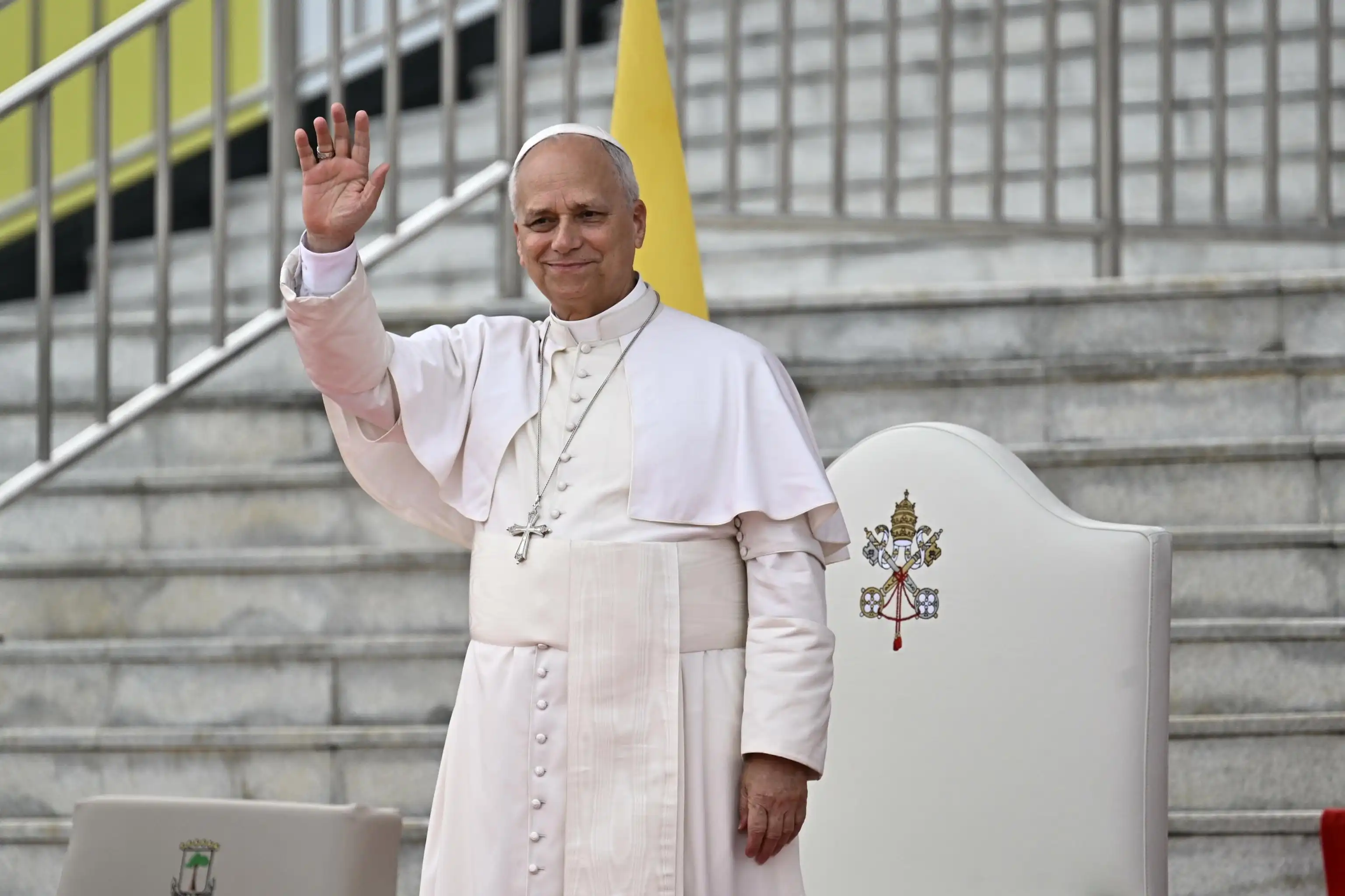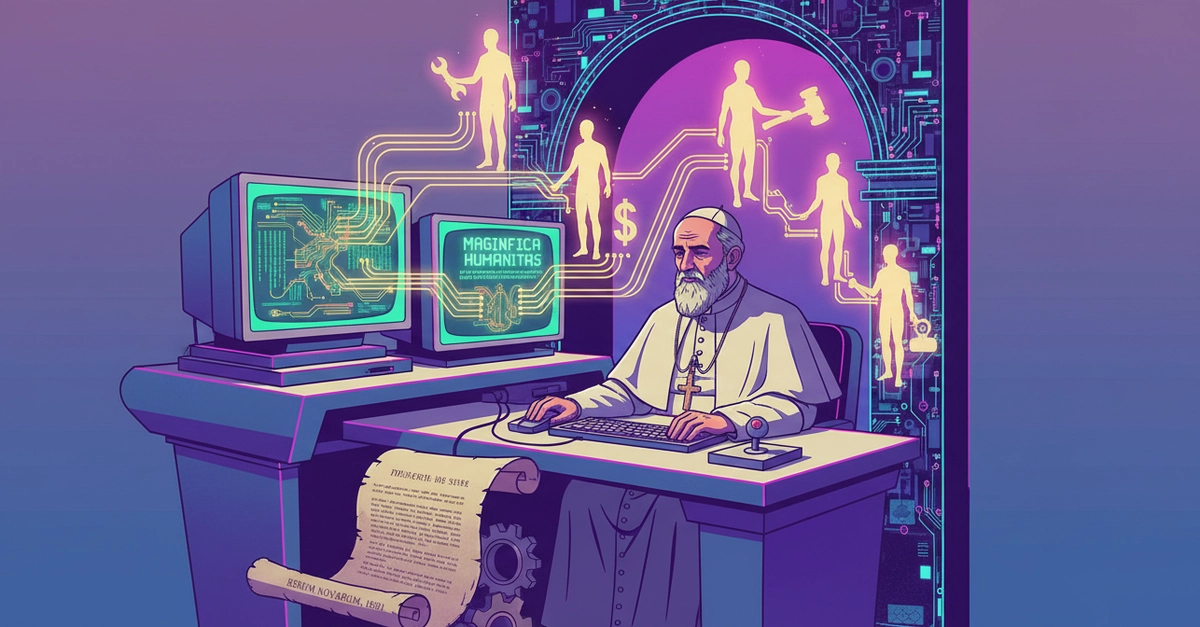
In May 2026, Pope Leo XIV published Magnifica Humanitas: On Safeguarding the Human Person in the Time of Artificial Intelligence. At 235 pages, it is the first papal document dedicated entirely to AI. The approach is principles-based, with no prescriptive technical rules or bans on specific technologies.
For engineers building AI systems, the document is relevant as an institutional reference: its accountability framework may shape regulation in Catholic-majority countries and offers a structure for internal AI governance discussions.
The core structure: who answers for what
The most operationally relevant point in the document is its distribution of responsibility. The text explicitly names four categories of actors: those who design the technology, those who finance it, those who regulate it, and those who use it.
The framing is direct: "Technology is never neutral, because it takes on the characteristics of those who devise, finance, regulate, and use it." In other words, the document argues that technological neutrality does not exist in practice, because technology is produced by people with distinct interests, contexts, and power.