There was a time—not so very long ago—when world leaders felt obliged to lie to us.
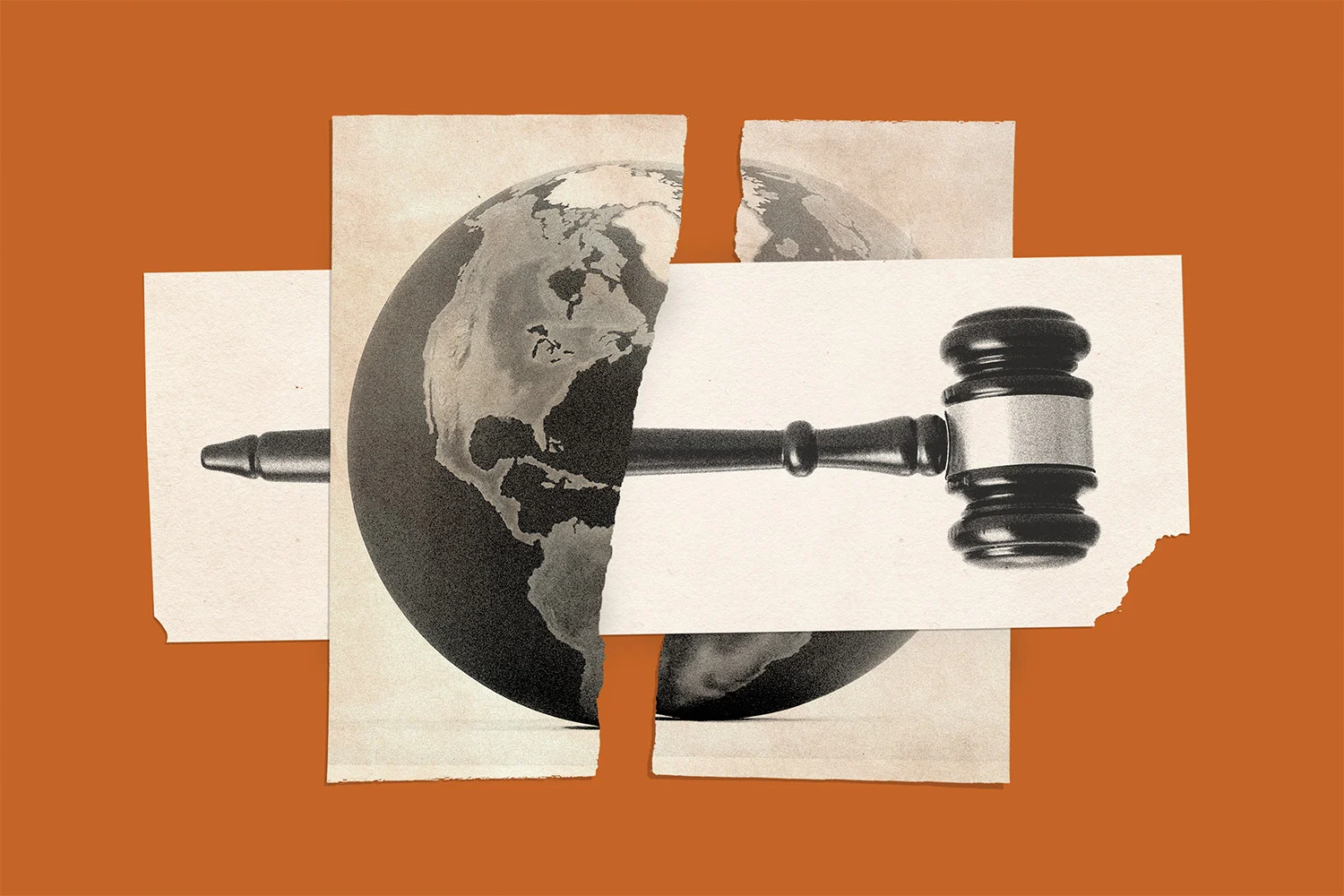
They didn’t always lie convincingly, but they went through the motions. When they violated international law, their lawyers produced lengthy memos explaining why, if you squinted just right, apparent violations weren’t actual violations. When they invaded other sovereign states, they invoked the U.N. Charter’s right to self-defense. When civilians were killed, they expressed regret and pledged to investigate. When they tortured detainees, they justified it as “enhanced interrogation techniques.” States frequently ignored international law, but they took pains not to dismiss it outright.
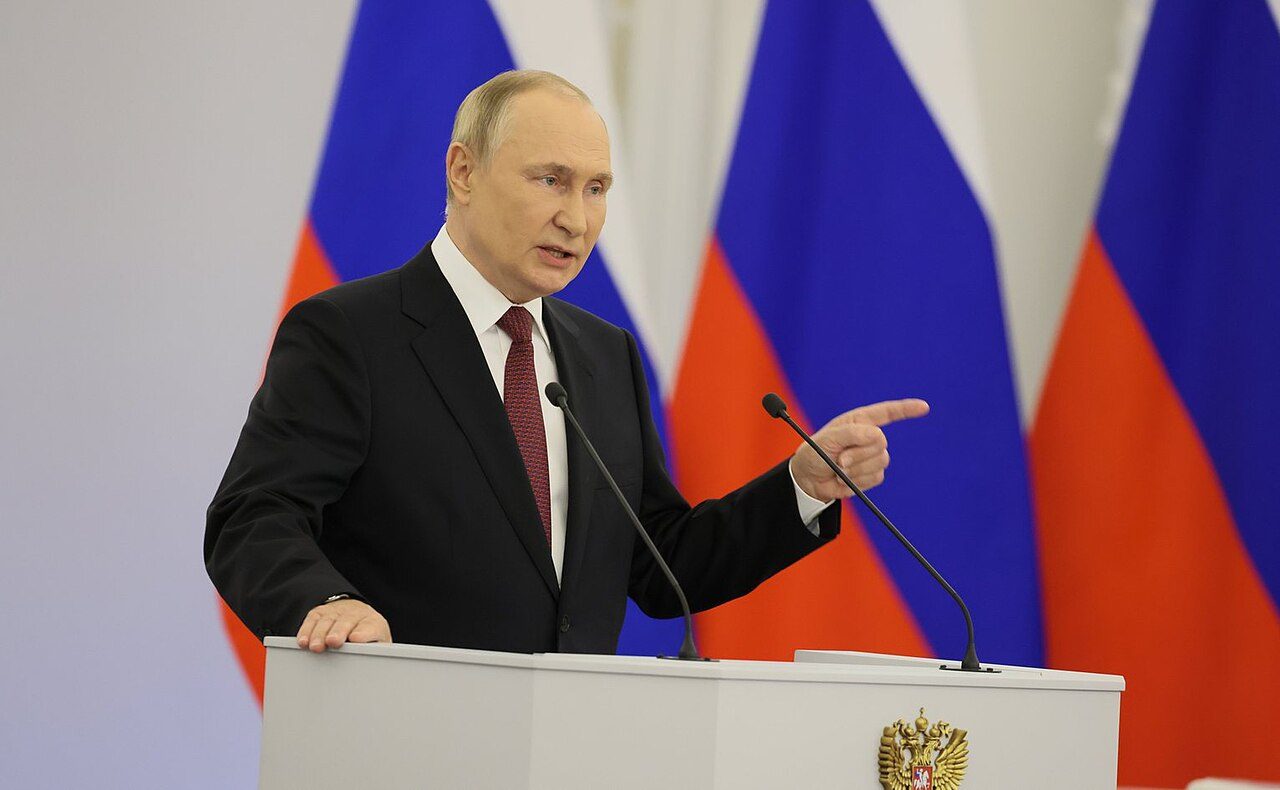
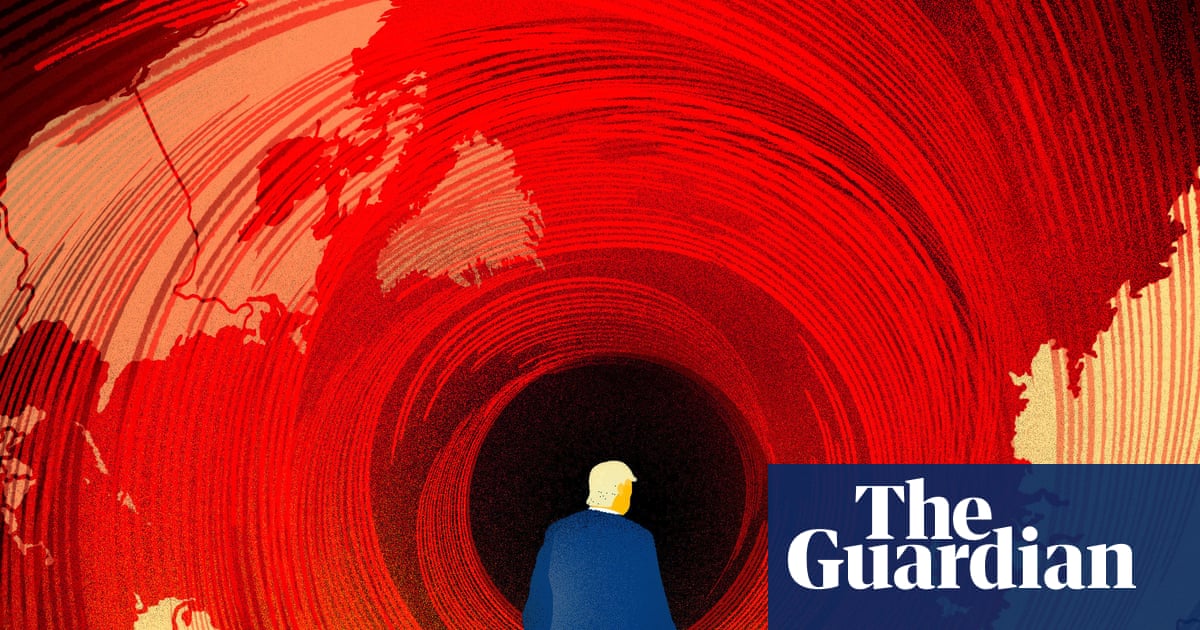
These days, major powers often dispense with the performance of adhering to international law altogether. In January, Stephen Miller, the White House deputy chief of staff for policy, distilled the Trumpian view of the world: It’s a world “that is governed by force, that is governed by power. These are the iron laws of the world.” A few days later, President Donald Trump drove home the point: The only check on his power, he told the New York Times, was his own morality: “It’s the only thing that can stop me. … I don’t need international law.” Meanwhile, in Russia, President Vladimir Putin declared last year that “no one is ready to play by rules set by someone far away”—certainly not Russia, when it comes to fulfilling the Motherland’s “destiny” or completing the task of “gathering the Russian lands.” Even China, usually more nuanced, has been abandoning the pretense that international law serves as a restraint. Reunification with Taiwan “cannot be stopped by any force or anyone,” President Xi Jinping declared in 2019. Similarly, the Chinese Ministry of Foreign Affairs last year derided an adverse decision by the Permanent Court of Arbitration as “nothing but a piece of waste paper.”