Listen
/
1.0x
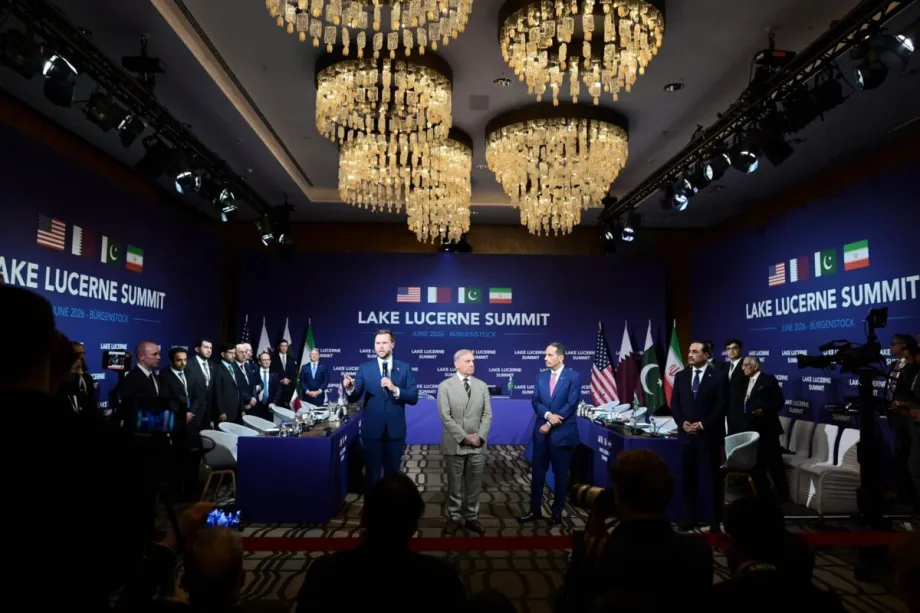
In international politics, the most important transformations do not always occur in the text of agreements. Sometimes the real transformation lies in the words that suddenly disappear; in red lines that gradually fade; and in silences that carry more meaning than any statement. The possible agreement between Tehran and Washington is precisely of this kind. No official document has yet been released, no final agreement has yet been signed, and even its details remain unclear. Yet the very language used by the American side, along with the political coordinates of the talks, suggests that the matter goes beyond a tactical understanding or a temporary ceasefire. What is now taking shape is the reflection of a gradual shift in America’s understanding of the real balance of power in the Middle East—a change that reveals itself not in press conferences, but in shifting priorities and a quiet retreat from certain maximalist objectives.
Donald Trump is speaking of a “peace memorandum” with Iran at a time when, unlike in previous years, there is almost no serious or direct reference to the total destruction of Iran’s nuclear program, the elimination of its enrichment capacity, or the dismantling of the main components of Tehran’s deterrence. This absence is not accidental.