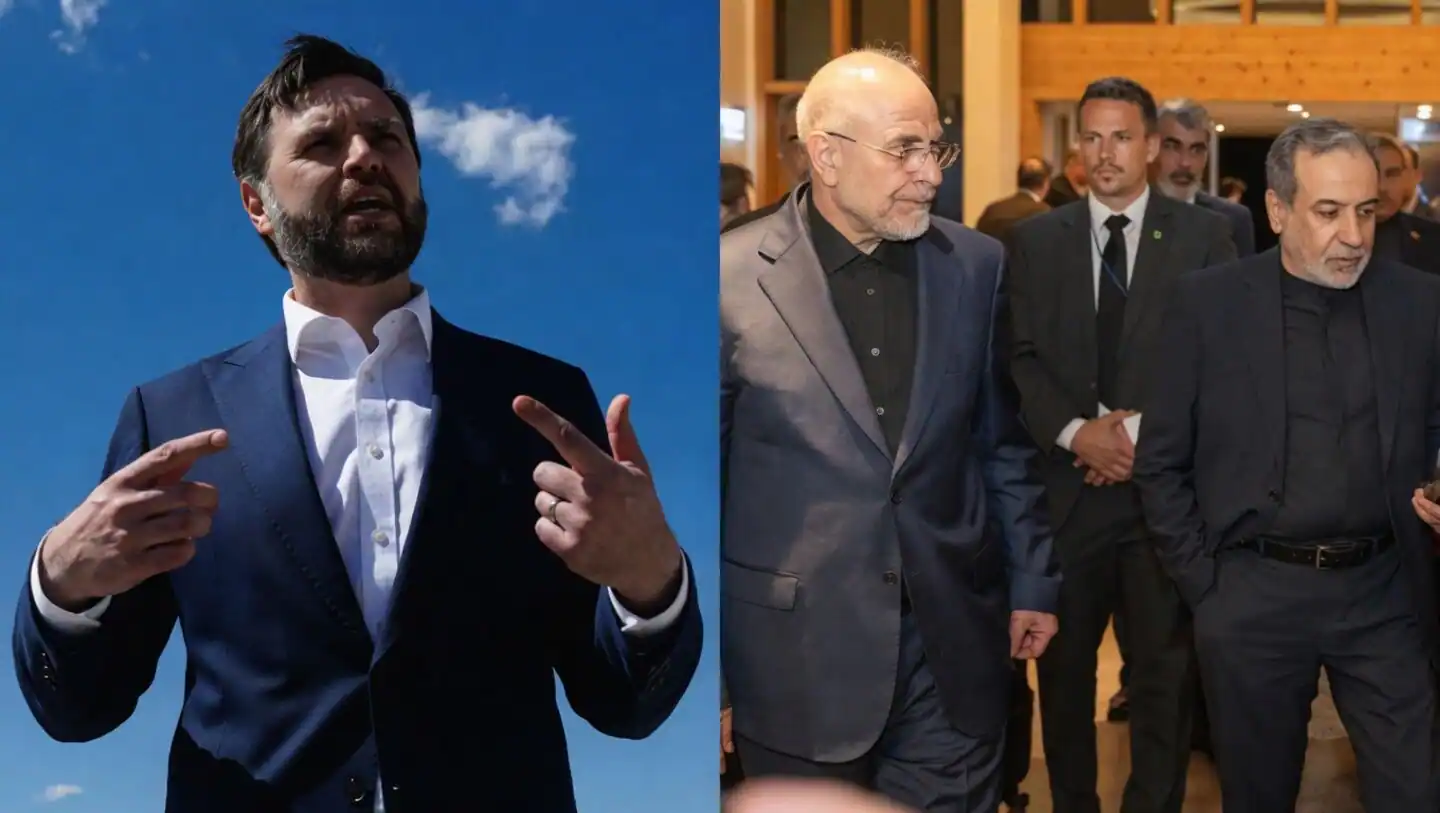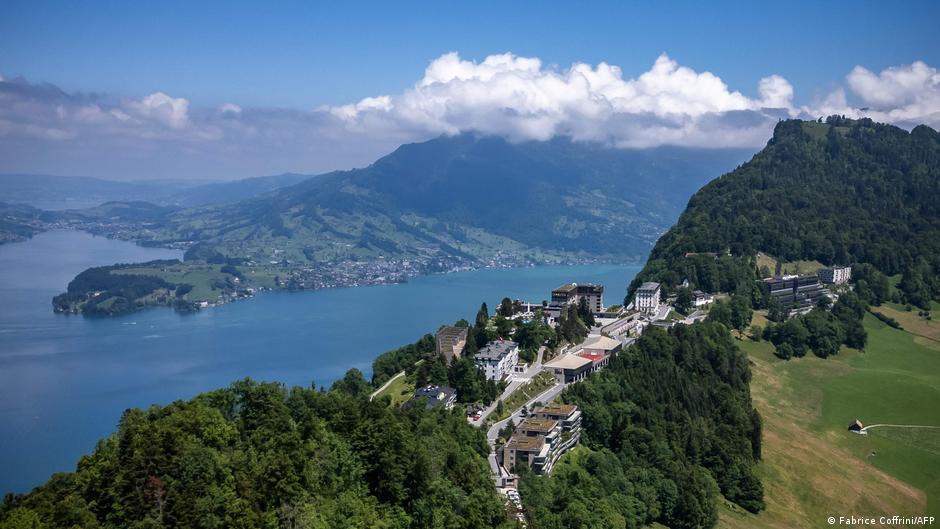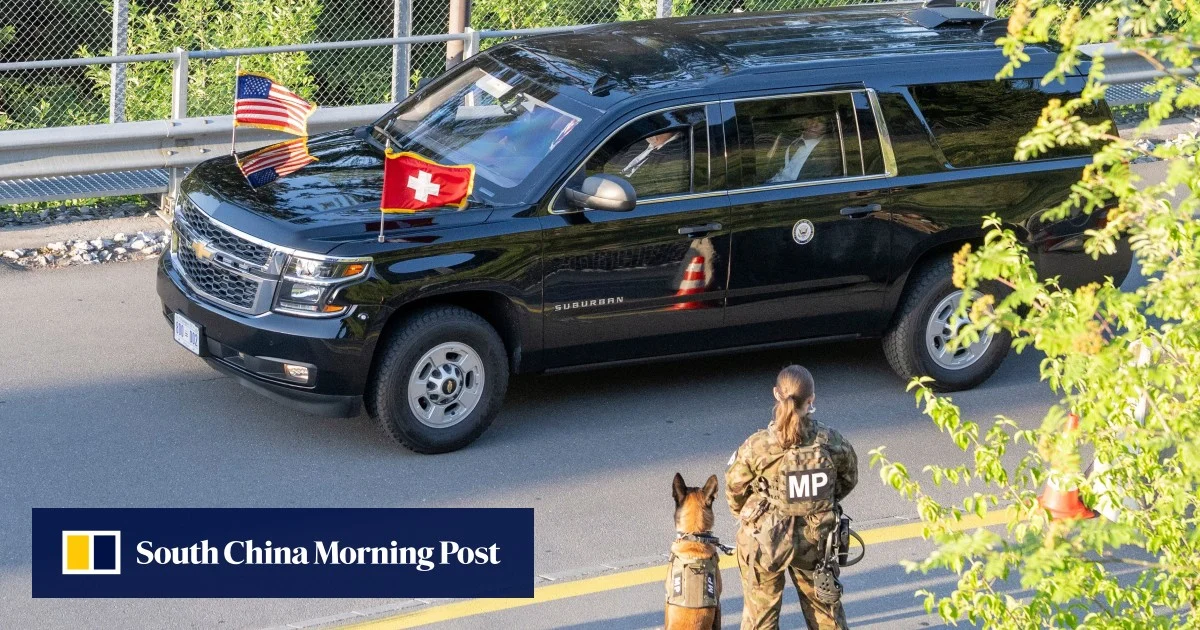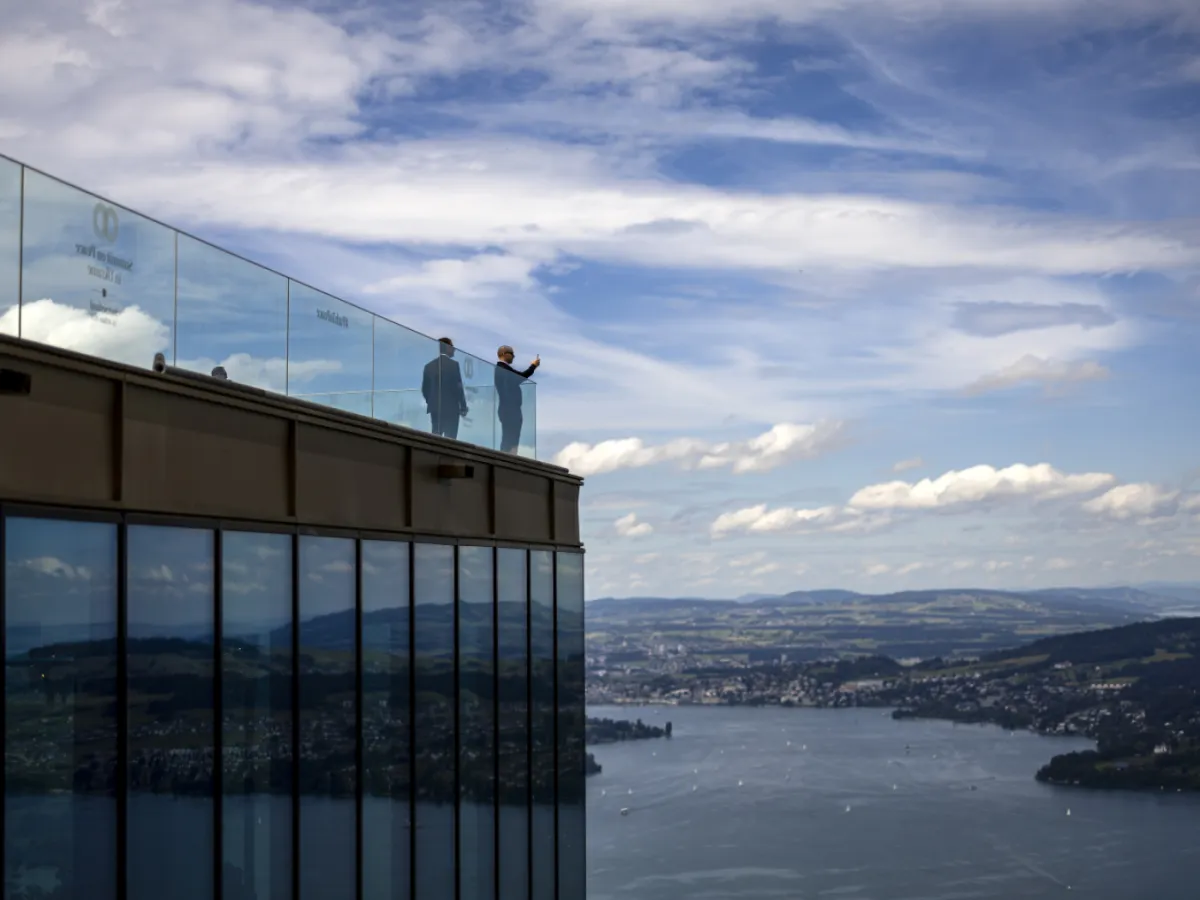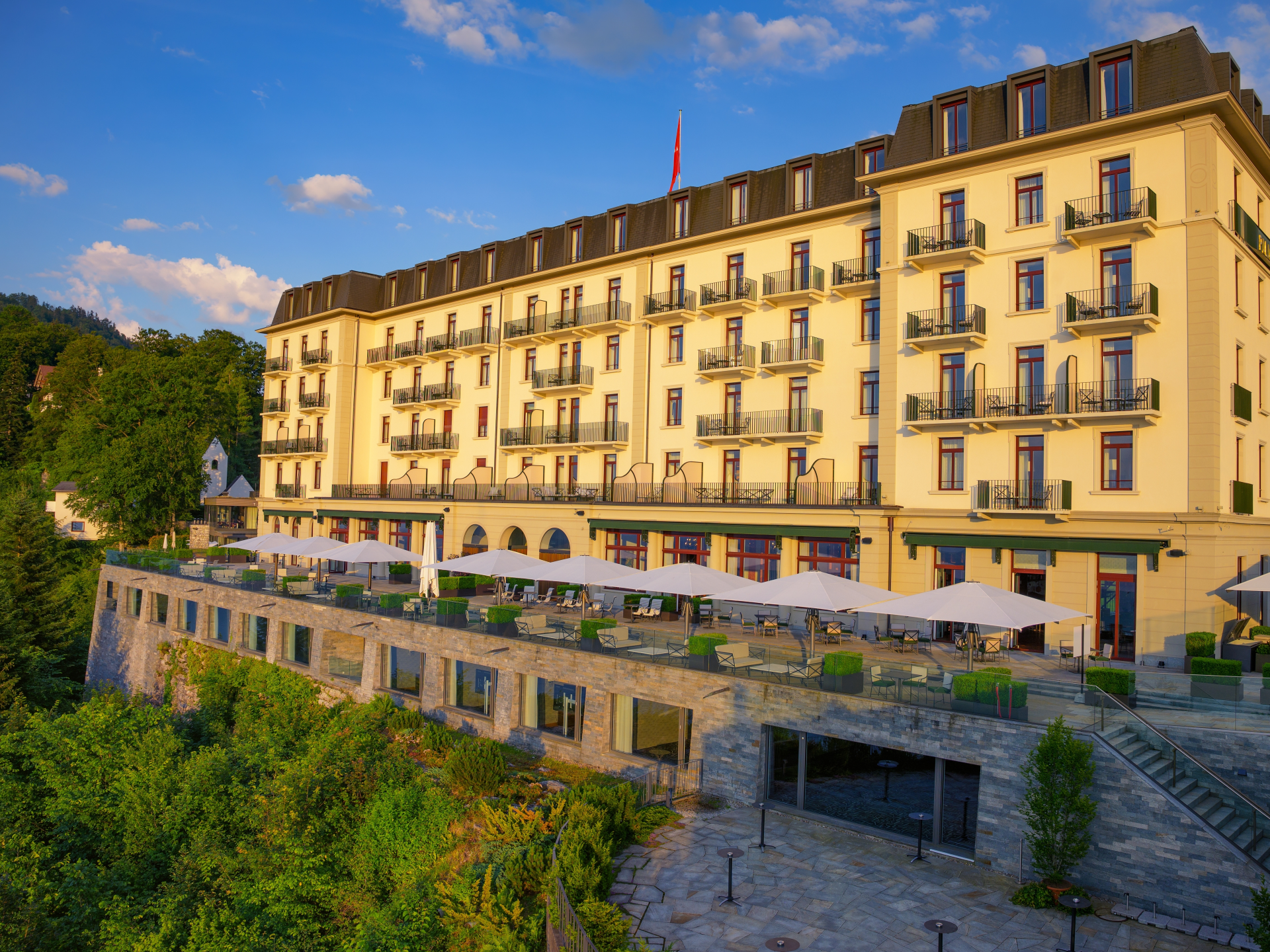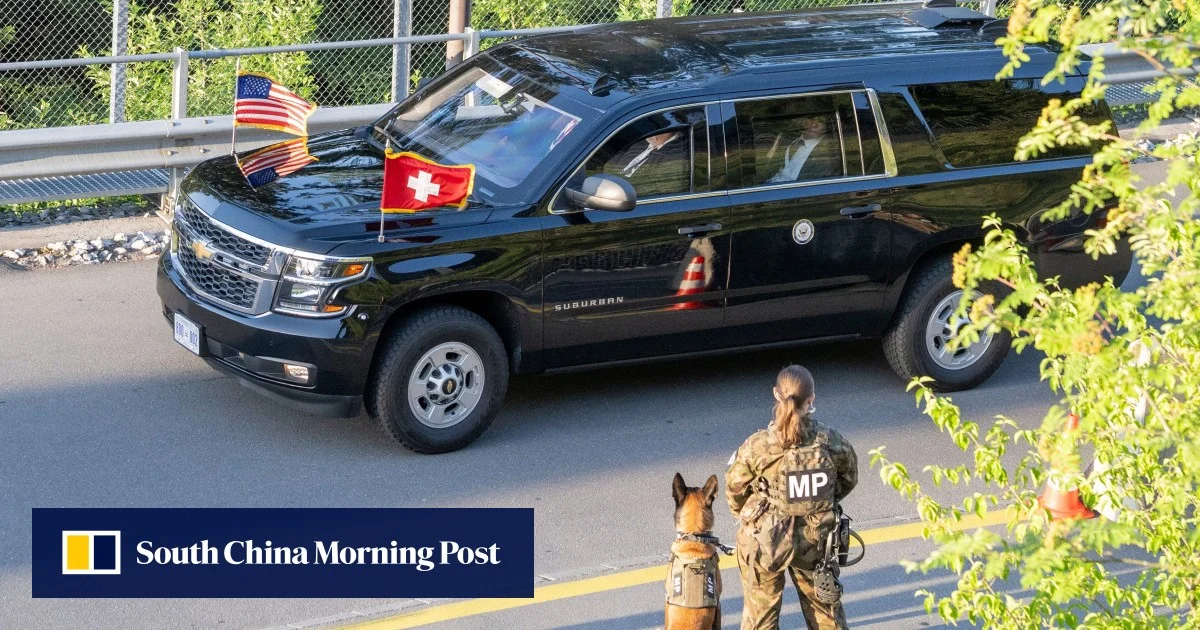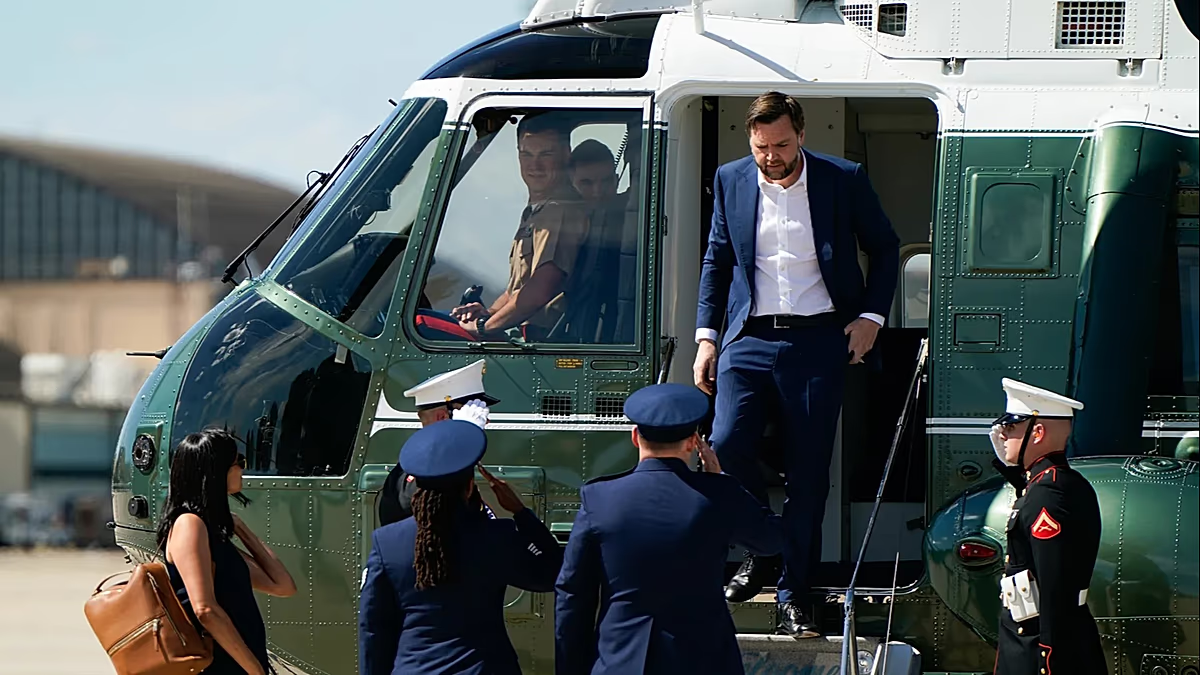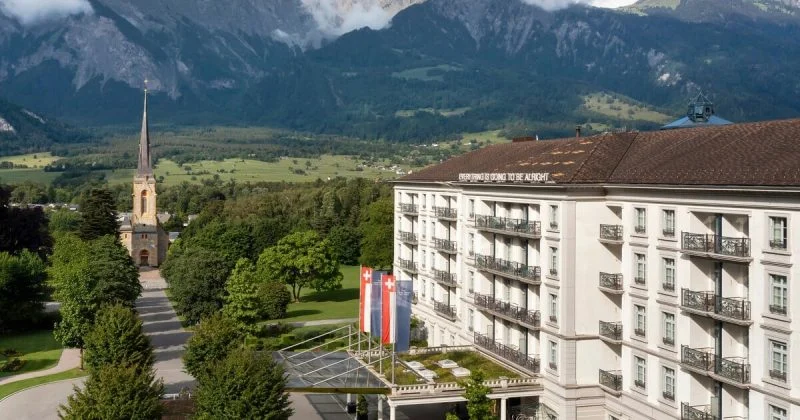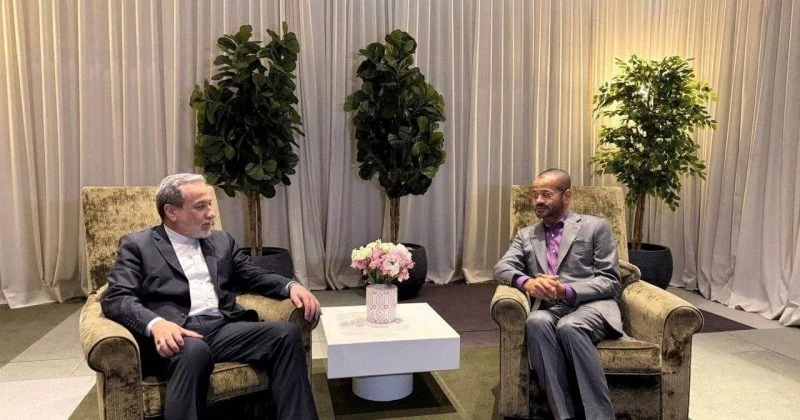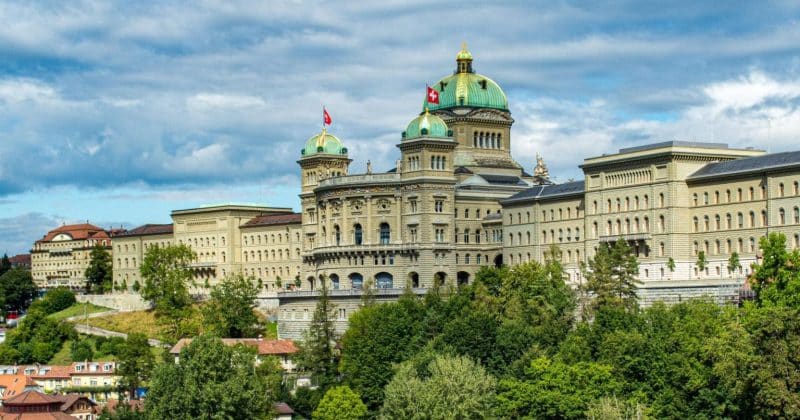
The United States and Iran are sitting down at the same table in Switzerland this weekend, opening what both sides are calling the first serious push toward a permanent peace deal. The setting is the Bürgenstock resort, a venue that has hosted high-stakes diplomacy before, and the stakes this time are about as high as they get.
The talks, scheduled for June 21-22, follow the electronic signing of a 14-point memorandum of understanding finalized around June 17 between US President Donald Trump and Iranian President Masoud Pezeshkian. That MoU establishes a 60-day window to hash out some of the most contentious geopolitical issues on the planet: Iran’s nuclear program, sanctions relief, and the military confrontations that have kept the Middle East on edge for decades.
What’s on the table
The negotiating agenda reads like a greatest hits of unresolved US-Iran tension. Nuclear verification tops the list, a perennial sticking point that has torpedoed previous diplomatic efforts dating back to the Obama era.
Then there’s the question of sanctions waivers on Iranian oil exports, which directly affects global energy supply and, by extension, the price you pay to fill your gas tank. And perhaps most ambitiously, the two sides are discussing a proposed reconstruction fund estimated at $300 billion, designed to rejuvenate Iran’s battered economy.