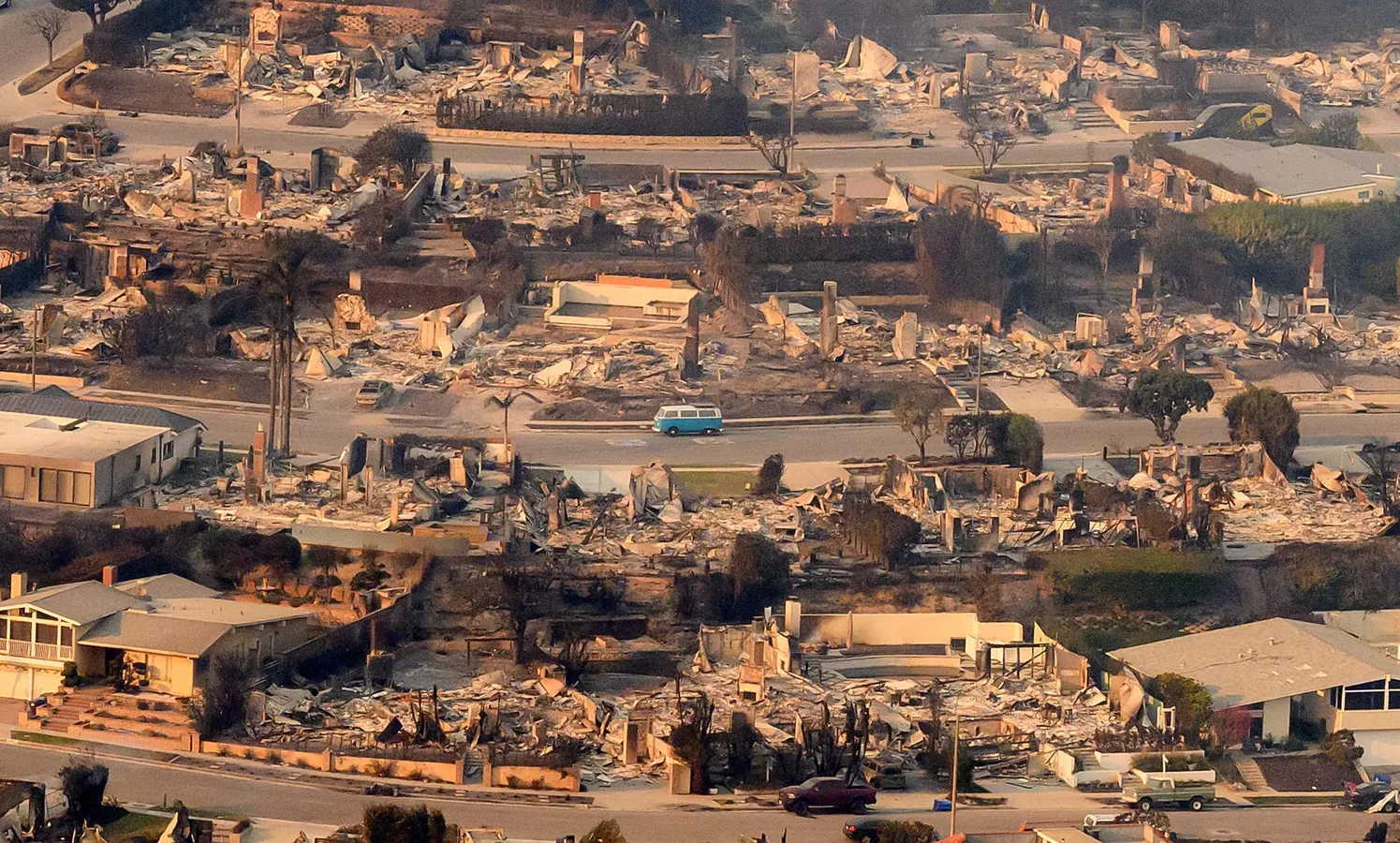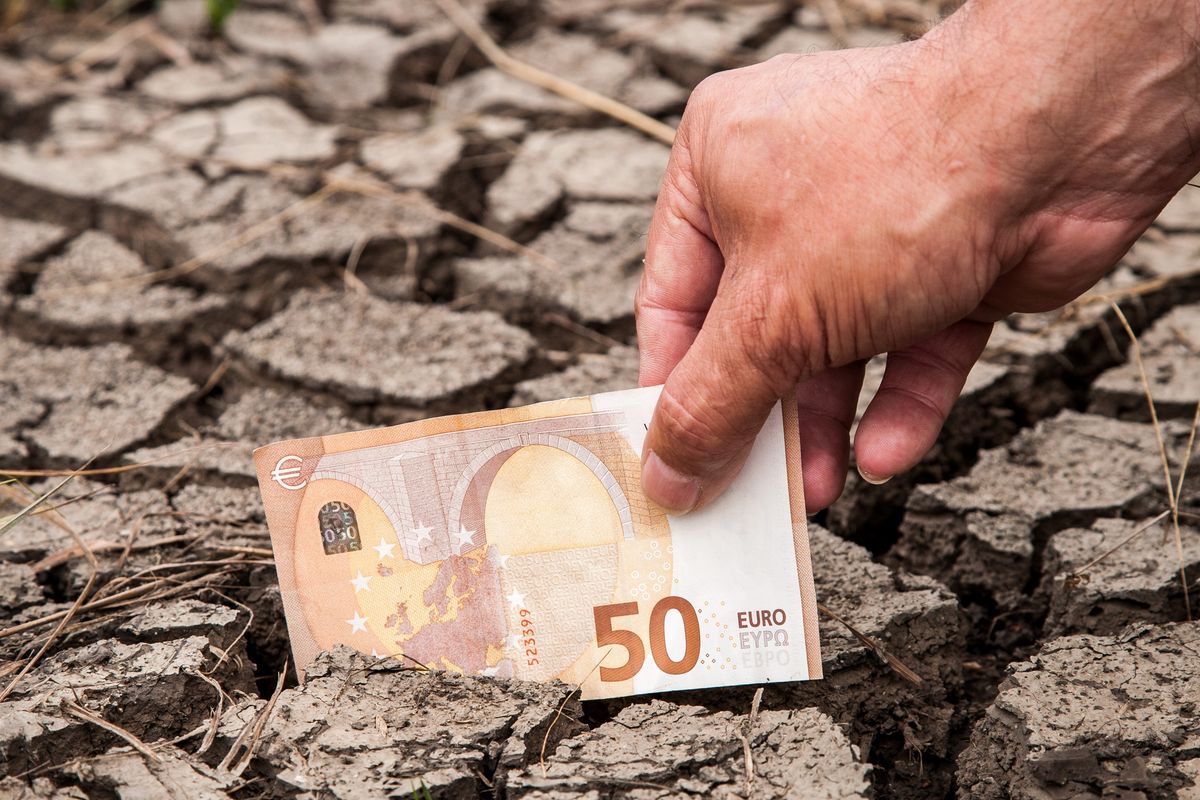
There are three types of climate-related risks, which are often conflated, resulting in the blurring of institutional mandates and the tools to address them, which results in misplaced expectations and other harms. That’s the conclusion of a recent paper by the Columbia Centre on Sustainable Investment at the University of Columbia.The paper, From Planetary Hazard to Financial Stability, argues that climate advocacy and standard-setting frameworks “have placed expectations on many institutions that exceed what their mandates and instruments can deliver”. This is despite the fact that each response to a climate-related risk “relies on different institutions, tools, legal authorities and political constraints”.“Some aim to prevent harm; others to buffer or redistribute it; others to preserve the soundness of individual institutions; and others to safeguard financial system stability. These objectives may be complementary, in tension, or mutually constraining.”Centre director Lisa Sachs and colleagues Danielle Fujimoto and Quentin Harel said there are three climate-related risk types, each requiring distinct responses by relevant institutions. The institutions in this case are banks, investors, insurers and other risk-sharing mechanisms, central banks (in their macroeconomic role), supervisors and governments’ fiscal authorities.The three risks are planetary (also referred to as physical risks), economic and financial. The planetary risks include the rise in temperatures and sea levels and extreme weather events (floods and droughts), as well as their related human and ecological harm. These types of risks do not appear in economic and financial measures.The economic risk refers to climate-related impacts on economic outputs, livelihoods, infrastructure and government budgets. The financial risk is about the impairment of credit quality (a measure of individuals’ or businesses’ ability to service or repay debt), portfolio investment values and corporate balance sheets. A combination of these impacts could overwhelm a financial system, making it unstable.“Each category is real and important; each demands different responses from different institutions. Conflating them produces misplaced expectations, unmanaged vulnerabilities and trade-offs, accumulating liabilities and perverse outcomes.”The authors list six responses to these risks: mitigation, resilience, risk-sharing, fiscal resilience, exposure management and financial system stability. Though distinct, these responses are “interdependent in a hierarchical cascade”. Climate mitigation, which is about decarbonising energy, land use and industrial systems, determines the trajectory of other five responses.“Adequate resilience investment reduces the losses that risk-sharing mechanisms must absorb. Effective private risk sharing limits the contingent liabilities borne by individuals and public authorities. Fiscal resilience is the precondition for all downstream public responses. The financial system is exposed to residual losses that are not reduced, absorbed or covered by those interventions.”Sachs and her colleagues warn that conflating these climate-related risks, responses to each and the related institutional mandates weakens climate risk management.They point out, for example, that financial stability does not equate to climate stability. This is because financial policy buffers, including insurance payouts, fiscal transfers or facilities offered by central banks, serve to “dampen the transmission of physical damage into financial distress”. Financial markets can therefore appear stable as climate-related risks rise.“Stable financial indicators should not be read as evidence that climate risks are low or well managed; they reflect the operation of buffers that are limited in scope, impact and duration.”The authors said the transmission of planetary risk to economic and then financial systems is neither automatic nor proportional. Its trajectory is shaped by policy buffers, adaptation investments, insurance, fiscal transfers, market expectations and regulatory approaches.• Sikhakhane, a former spokesperson for the finance minister, National Treasury and South African Reserve Bank, is editor of The Conversation Africa. He writes in his personal capacity.
JABULANI SIKHAKHANE | Institutions face limits in tackling climate-related risks
Financial stability does not guarantee climate safety, researchers caution in paper from University of Columbia
582 words~3 min read