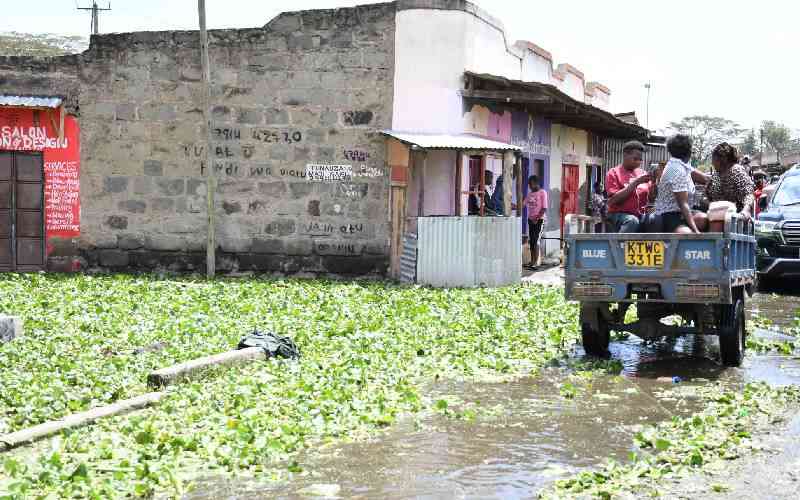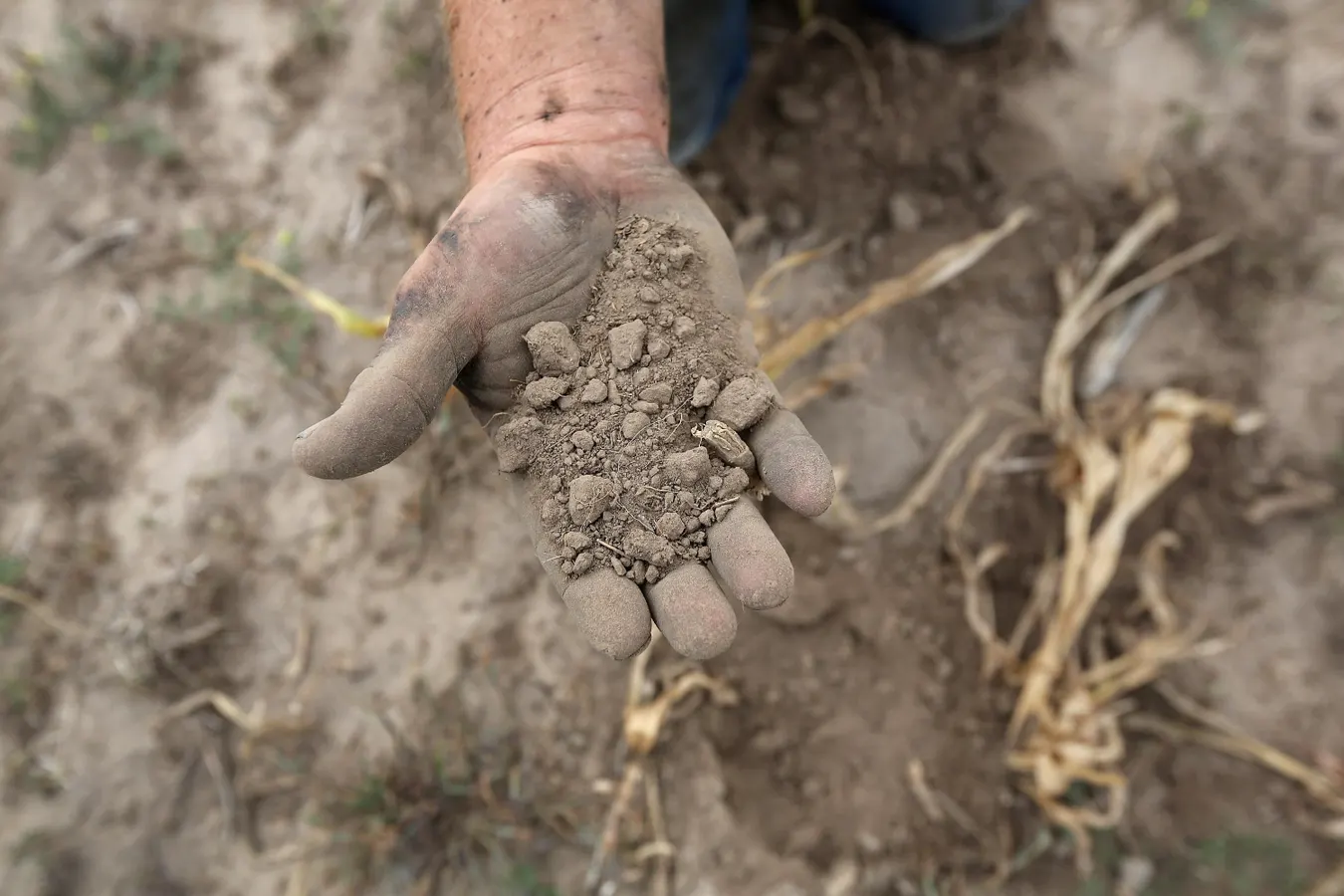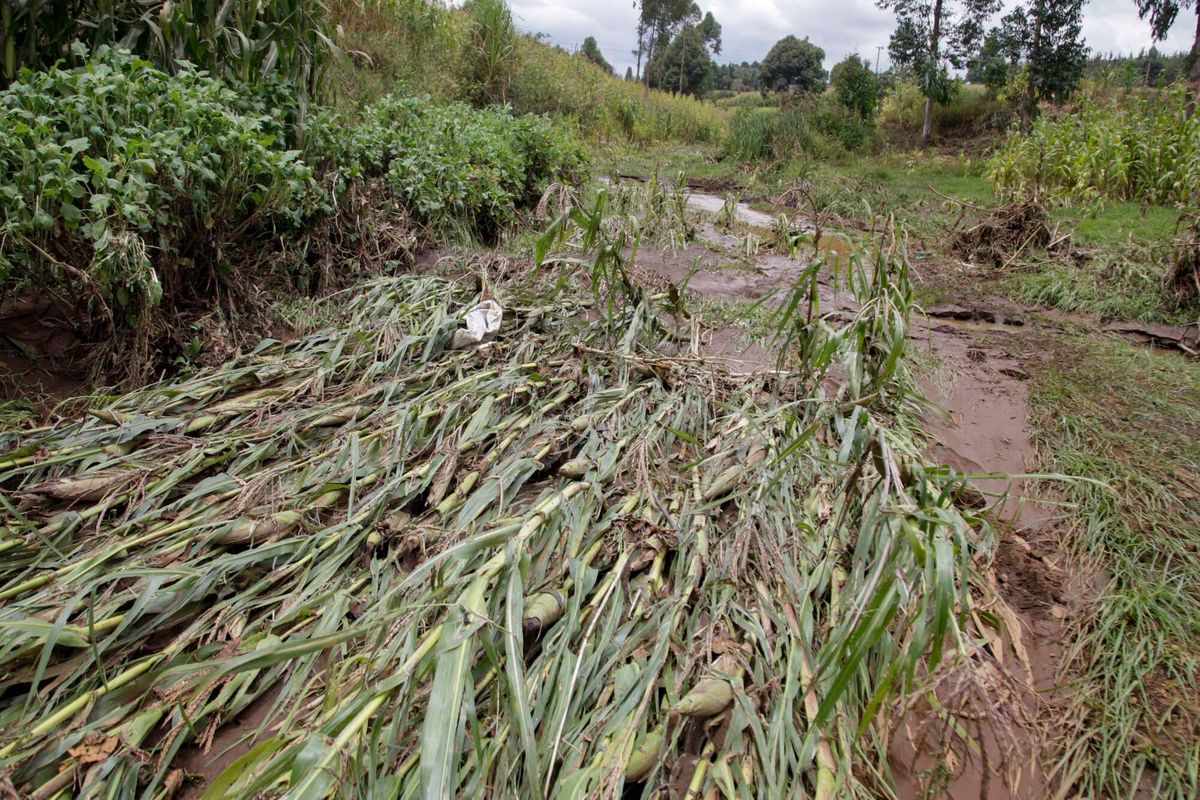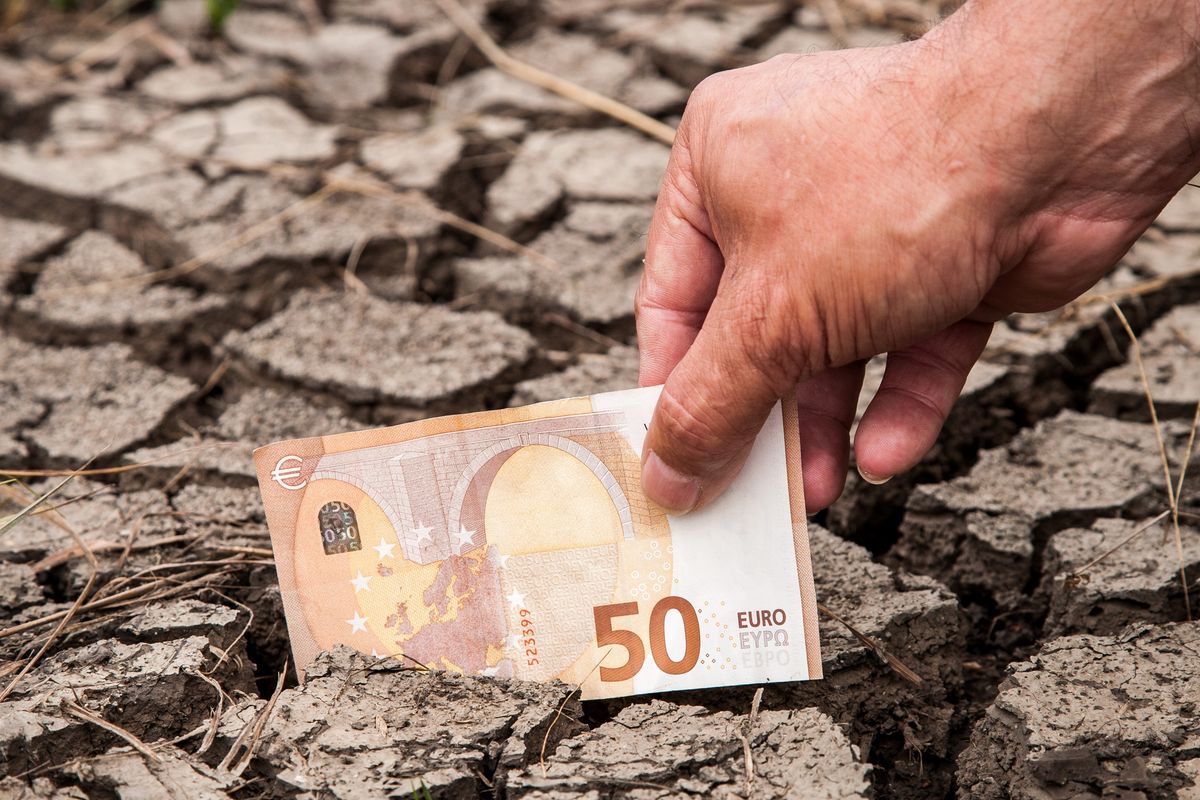
Can a bank help a farmer bounce back after a drought or a shopkeeper reopen quickly after a flood? It can - and it should. Climate change is now part of everyday banking in Kenya, but the story is not about blanket price increases. It is about smarter decisions, better products and support that keeps customers resilient.
Climate risk sits in two main categories: physical and transition. Physical risk has two faces. Acute shocks such as floods, storms and heatwaves cause sudden damage and disrupt cash flows.
Chronic shifts such as rising temperatures, sea‑level rise and prolonged droughts slowly erode asset values and productivity. Transition risk is different. It arises from changes in policy, markets and technology as the world moves toward a lower‑carbon economy.
Related
NJOROGE: Why CBK’s climate risk management rules will pay off for Kenya’s banking