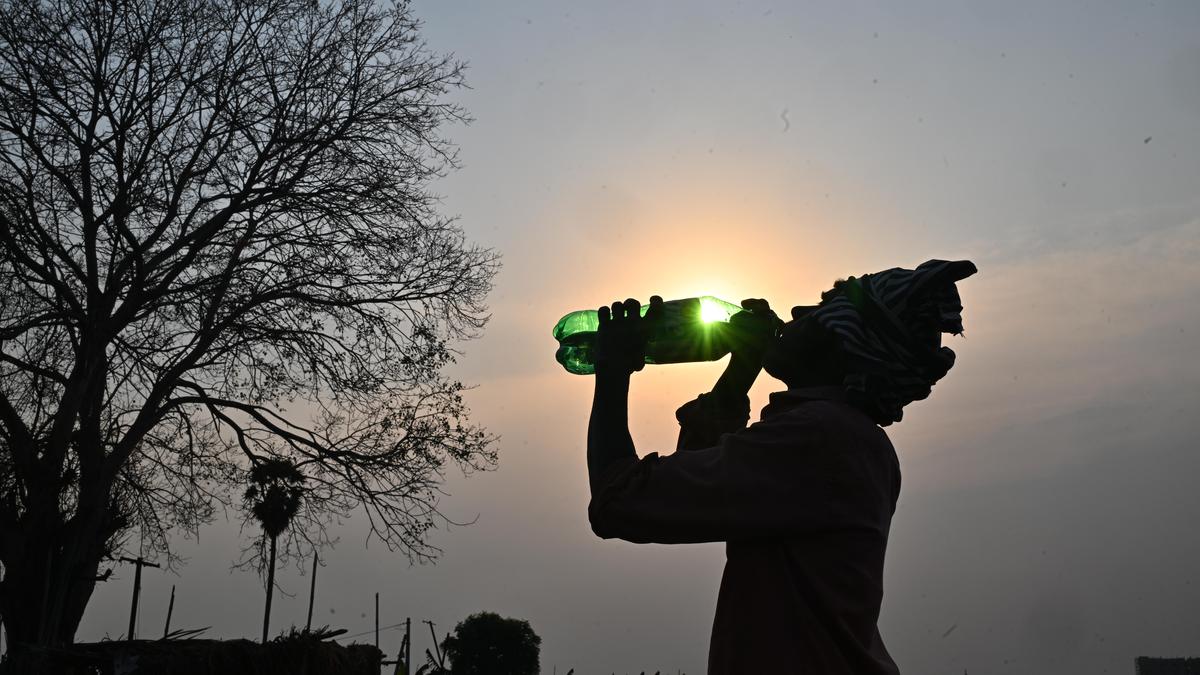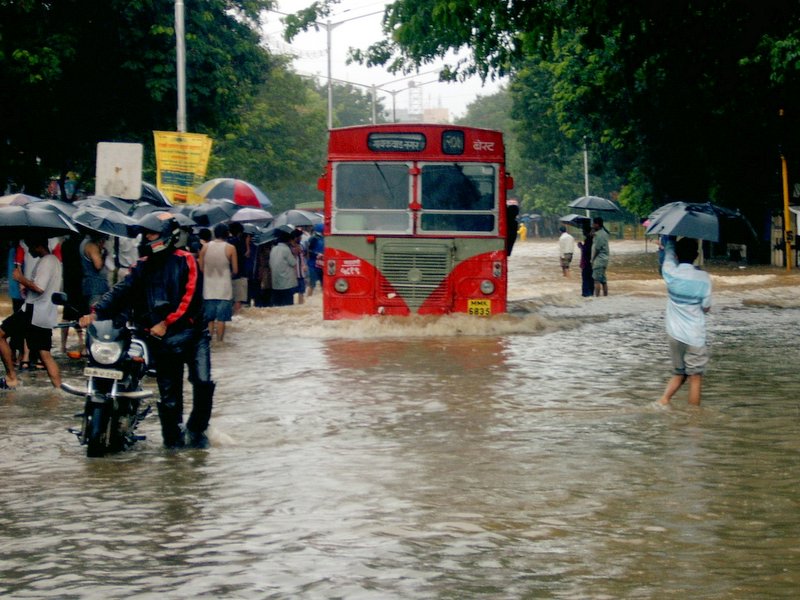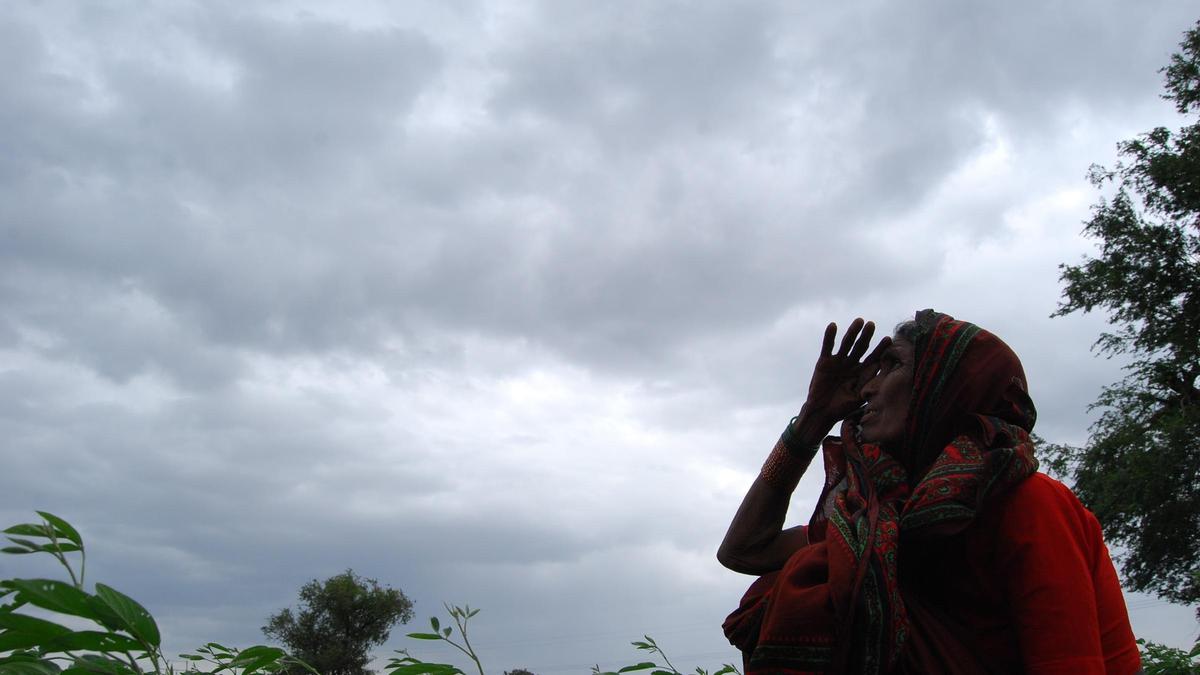
The climate crisis is no longer a distant environmental concern. It is a present-tense governance test, measured in failed harvests, flooded streets, water shortages, overheated cities and disrupted daily life. From the Indian monsoon to Mediterranean droughts, from North American wildfires to flood-prone low-lying nations, the real question is no longer whether extreme weather will come, but whether countries are legally and institutionally prepared when it does.Climate crisis (Shutterstock)The answer, across much of the world, is mixed. Most governments now have some kind of climate policy, disaster law or adaptation strategy. Yet the gap between formal preparedness and lived resilience remains wide. In many countries, the legal architecture exists; the challenge lies in implementation, coordination and enforcement.India is a powerful example because the monsoon still underpins agriculture, food prices and rural livelihoods. A deficient or erratic monsoon can reduce crop output, raise inflation and intensify water stress. A sudden burst of heavy rainfall can be just as damaging, causing floods, destroying infrastructure and displacing communities.India’s legal framework is substantial. The Disaster Management Act, 2005 provides the main statutory basis for disaster preparedness and response. It created national, state and district institutions intended to move the country from ad hoc relief to organised risk management. The National Action Plan on Climate Change, launched in 2008, adds a broader policy framework for adaptation through missions on agriculture, water, sustainable habitats and other sectors.There has been some progress. Early warning systems have improved, heat action plans have spread, and crop insurance schemes have become a more visible part of the policy response. But the system remains uneven. India still lacks a single, comprehensive climate law, and coordination across sectors and levels of government is often weak. In practice, that means preparedness is better than it once was, but still not strong enough for the scale of climate volatility ahead.Europe has also moved steadily towards climate preparedness, though its problems are different. The continent is facing more intense heatwaves, droughts, river flooding and wildfire risk. Southern Europe, in particular, has had to confront water scarcity and agricultural stress as rainfall patterns shift.The European Union has built a relatively advanced policy framework through climate adaptation strategies, civil protection mechanisms and sector-specific planning. Many member States also have strong national emergency systems. Yet recent summers have shown that even highly developed economies are not immune. Heat-related mortality, crop losses and strain on energy and water systems have exposed how difficult it is to adapt long-established infrastructure to a warming climate.Europe’s experience shows that preparedness is not just about disaster response. It is also about land use, building standards, water governance and public health. The law can reduce exposure, but only if it is backed by investment and local capacity.The US has one of the world’s most sophisticated scientific and emergency management systems, yet its climate response remains highly fragmented. Federal agencies, state governments and local authorities all play a role, but the distribution of power makes national coherence difficult.The country faces a wide range of climate risks: Hurricanes on the coast, wildfires in the west, heat stress in cities, drought in agricultural regions and flood events in many areas. It has no single national climate adaptation law comparable to a comprehensive framework. Instead, it relies on a patchwork of emergency management rules, agency programmes, insurance systems and state-level initiatives.This has produced pockets of excellence, but not uniform resilience. Wealthier states and cities often adapt more quickly, while poorer communities struggle with rebuilding, insurance access and infrastructure failure. The American case shows that having advanced institutions does not automatically produce equitable preparedness.For small island and low-lying countries, climate preparedness is even more urgent. States such as Bangladesh, the Maldives and several Caribbean nations face existential risks from sea-level rise, cyclones, coastal erosion and saline intrusion. Their legal frameworks often focus on disaster management, evacuation planning, coastal protection and international climate finance.Bangladesh is often cited as a case of relative success in disaster preparedness. Decades of investment in cyclone shelters, early warning systems and community-based response have sharply reduced mortality from major storms compared with past decades. That does not make the country climate safe, but it does show what targeted preparedness can achieve.The lesson is important: Legal frameworks work best when they are specific, local and sustained over time. Where governments have treated adaptation as a national priority rather than a one-off project, they have saved lives.Across countries, the same ingredients keep appearing. First, there must be a clear legal basis for disaster risk reduction and climate adaptation. Second, institutions must be able to act early, not merely respond late. Third, vulnerable groups, such as farmers, coastal residents, informal workers, the urban poor and elderly populations must be at the centre of planning.Good preparedness also depends on honest recognition of limits. No law can stop rainfall from failing or a heatwave from arriving. But law can determine whether a country enters a crisis with buffers, warnings and fallback systems, or with confusion and delay. That is the difference between manageable disruption and cascading loss.The global pattern is familiar. Countries have become much better at talking about climate preparedness than at fully delivering it. India’s monsoon exposes agricultural fragility. Europe’s heatwaves expose infrastructure stress. The US reveals the weakness of fragmented governance. Bangladesh shows what sustained investment can achieve. The Maldives and similar states remind the world that adaptation is also a matter of survival.The climate crisis is now a test of institutional maturity. The most prepared countries will not be the ones with the most elegant policy documents, but those that can turn legal frameworks into daily protection. In the climate era, resilience is not a slogan. It is a public duty.(The views expressed are personal)This article is authored by Ananya Raj Kakoti, scholar, international relations, Jawaharlal Nehru University, New Delhi.
How ready are countries for climate shocks?
This article is authored by Ananya Raj Kakoti, scholar, international relations, Jawaharlal Nehru University, New Delhi.
964 words~4 min read