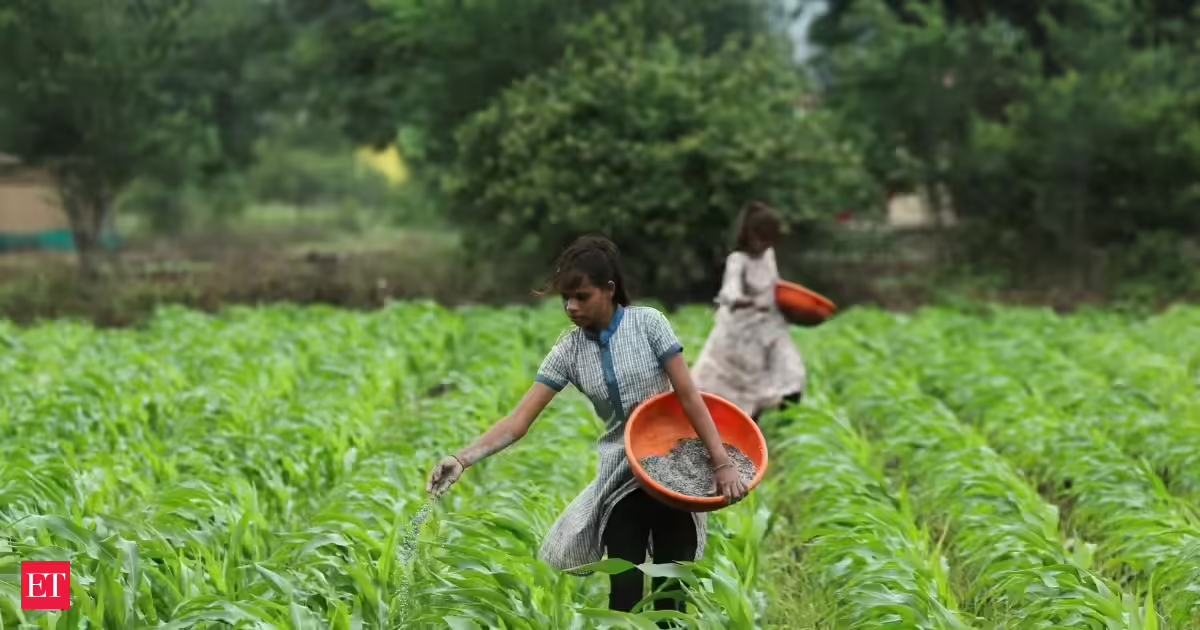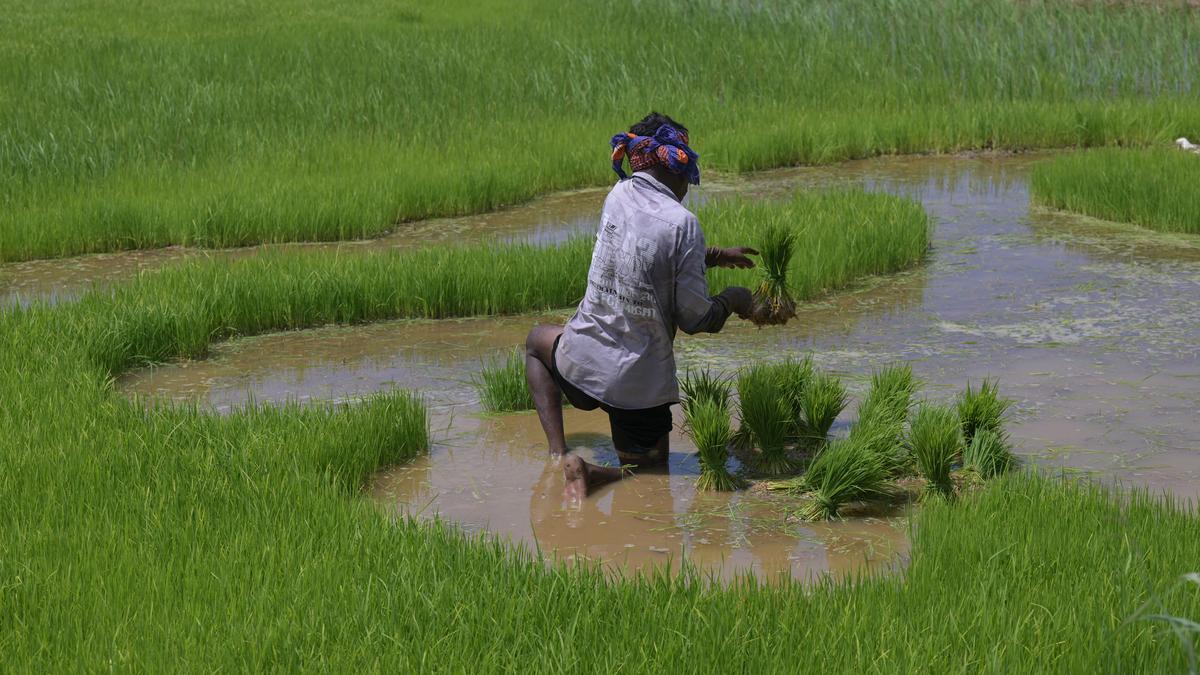
When rainfall becomes uncertain, sowing decisions become riskier, irrigation costs increase, and groundwater extraction intensifies. File
| Photo Credit: The Hindu
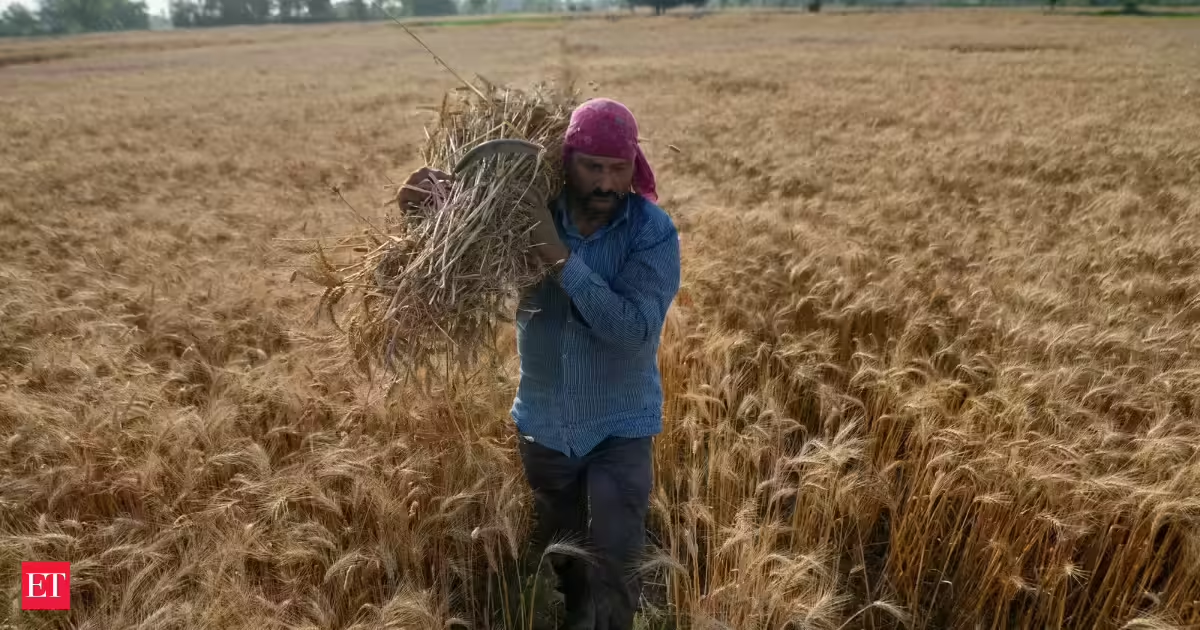
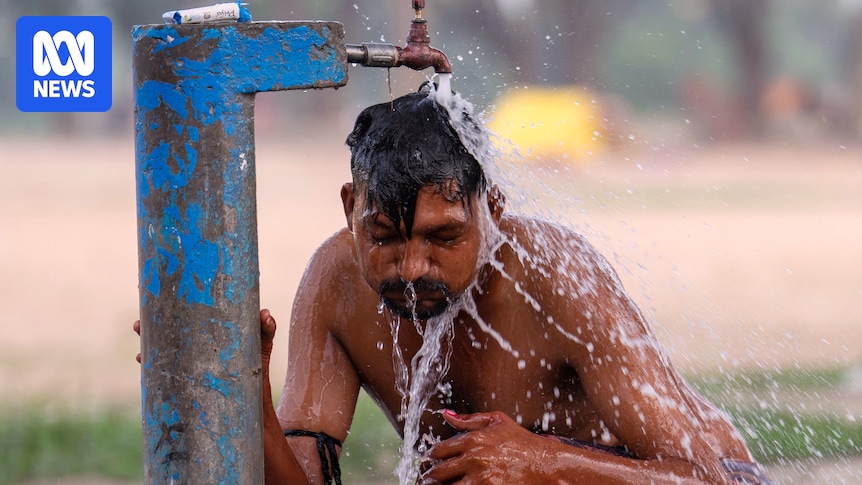
India often meets the arrival of extreme heat and erratic rain with a familiar shrug: the weather is harsh, the monsoon is uncertain, and life must go on. But that response misses the larger point. If El Niño returns as forecast, India will not face merely a weather disturbance; it will face a development crisis in which heat stress, water scarcity, crop losses, and food inflation expose the fragility of the informal economy.The U.S. National Oceanic and Atmospheric Administration’s (NOAA) ENSO Diagnostic Discussion Report (2026) states that El Niño is likely to emerge soon, with an 82% chance during May-July 2026 and a 96% chance of continuing through the winter of 2026-27. India’s own weather office, the India Meteorological Department (IMD), in its Long Range Forecast for the Southwest Monsoon Season (2026), has projected monsoon rainfall at 92% of the long-period average, placing it in the “below normal” category.That matters because, in India, climate shocks do not remain confined to the atmosphere. They move quickly into the labour market, the mandi, the household kitchen, and the city street. A weak monsoon is not simply a concern for meteorologists; it is a warning that rural incomes may weaken, food prices may rise, and working hours may shrink. For a country where a large share of employment remains informal and climate-exposed, El Niño is best understood as an economic transmission mechanism.The heat economyThe first channel is heat. Long and punishing summers reduce the productivity of workers who cannot escape outdoor exposure — construction labourers, delivery riders, street vendors, and agricultural workers. Climate change affects them the most because they have the least protection and economic security. A hotter India is not merely a warmer India; it is an India where earning a livelihood becomes increasingly difficult. Heat stress lowers productivity, reduces working hours, and deepens income insecurity for millions who depend on daily wages.The second channel is agriculture. A 2026 Reuters report on India’s monsoon outlook noted that the southwest monsoon supplies nearly 70% of the rainfall needed to water crops and recharge reservoirs and aquifers. When rainfall becomes uncertain, sowing decisions become riskier, irrigation costs increase, and groundwater extraction intensifies. For small and marginal farmers already struggling with volatile prices and rising input costs, climatic uncertainty magnifies economic instability. In that sense, El Niño is not merely a climatic event; it is a shock to the production base of the rural economy.The price shockThe third channel is inflation. Food prices are often where climate stress becomes visible to every household, not just farming communities. According to the Ministry of Statistics and Programme Implementation’s Consumer Price Index Press Release (2026), food inflation rose to 4.2% in April 2026, raising concerns that a weaker monsoon could intensify price pressures further. If rainfall weakens and crop stress deepens, price pressures can quickly spread across vegetables, pulses, and other essentials. For policymakers, this creates a difficult balancing act: the same climate shock can simultaneously weaken growth and intensify inflationary pressures.Urban India is increasingly becoming a heat trap due to concretisation and shrinking green cover. But the burden is unequal. While wealthier households can adapt through better housing and cooling, poorer households face overcrowding, water scarcity and prolonged heat exposure. Climate change is thus widening urban inequalities.El Niño is not merely a weather event but a development challenge. India needs stronger climate adaptation measures through heat-resilient cities, worker protection and better water management. Climate risk is now economic risk, and its burden falls most heavily on the poor.Sushanta Mahapatra teaches economics at ICFAI Foundation for Higher Education, Hyderabad. Madan Meher teaches economics at Amity Business School, Amity University, Chhattisgarh Published - June 05, 2026 12:15 am IST