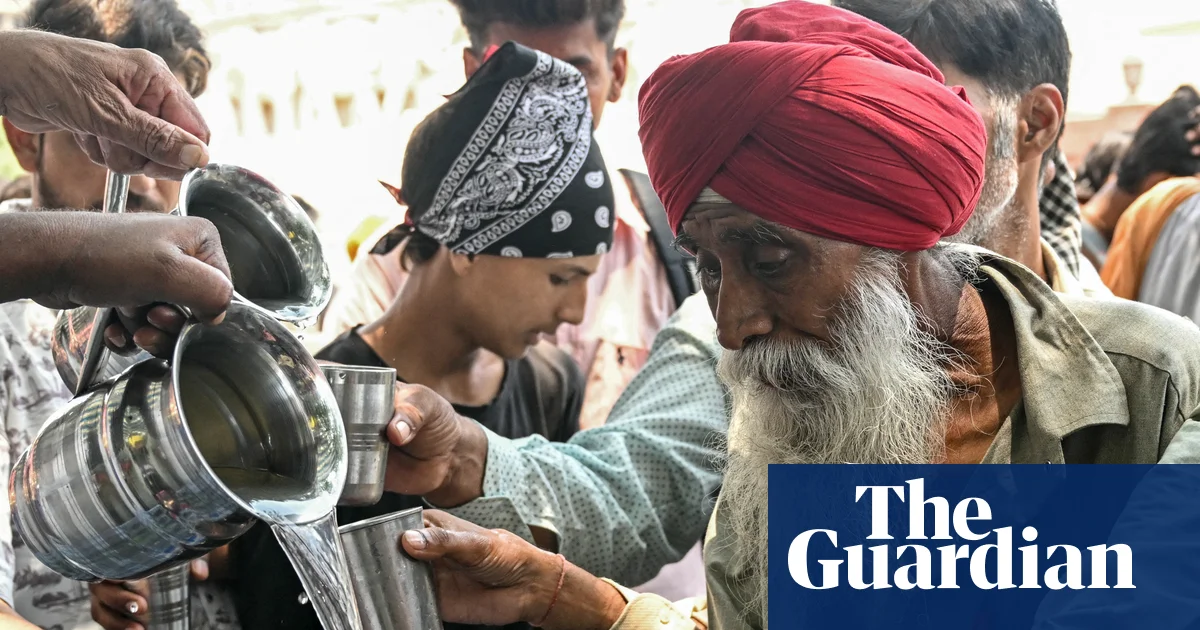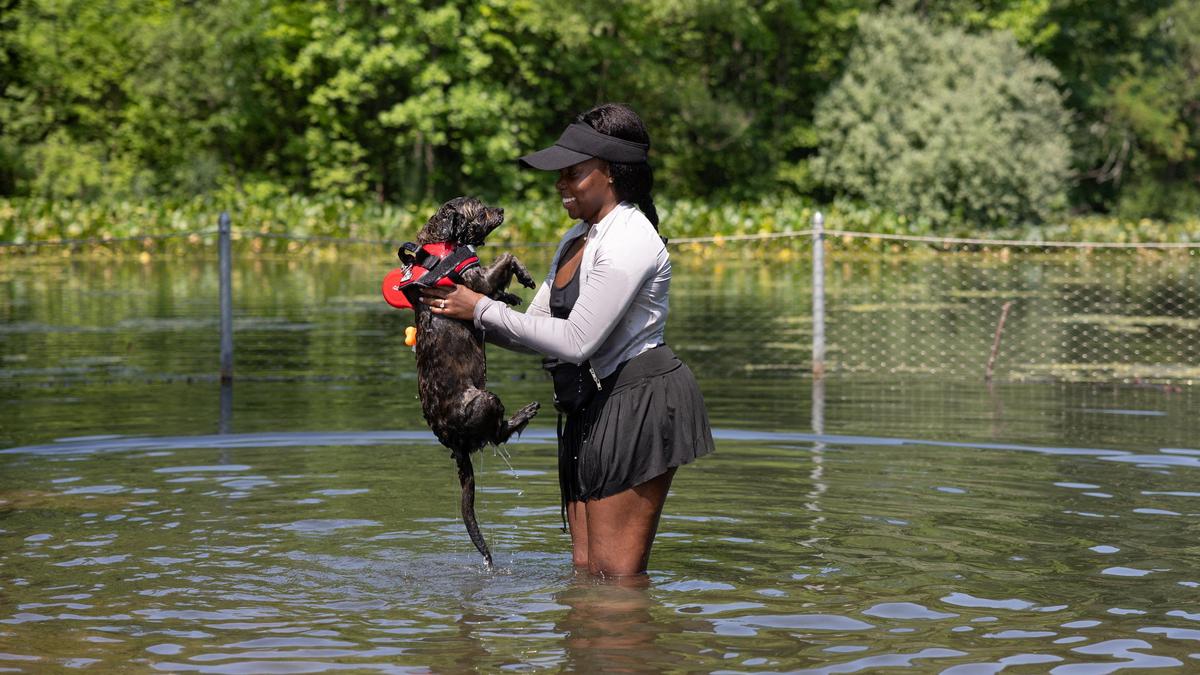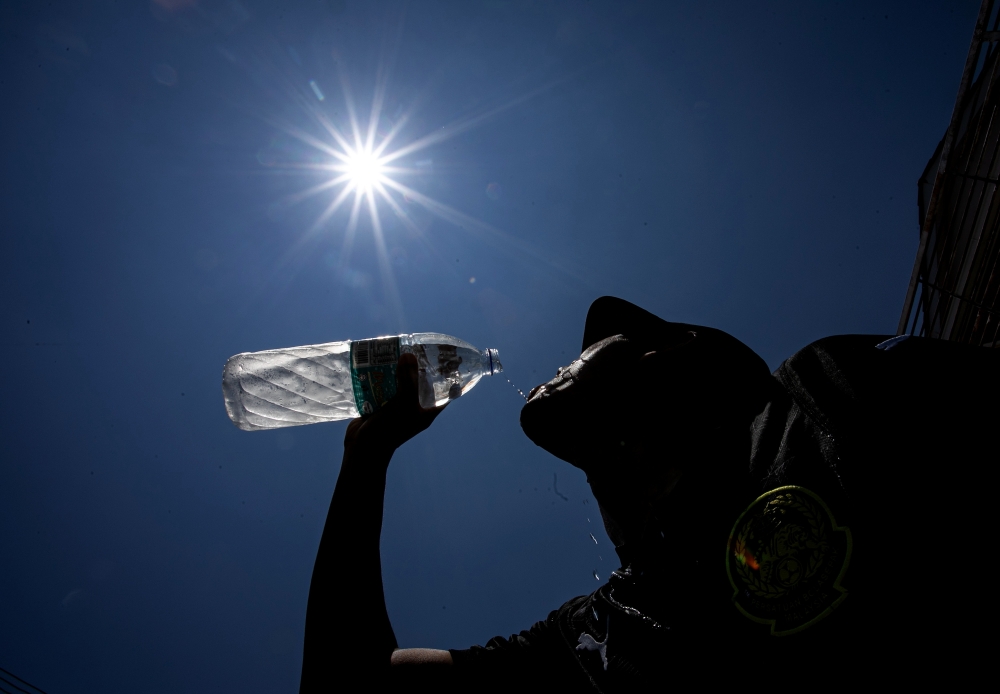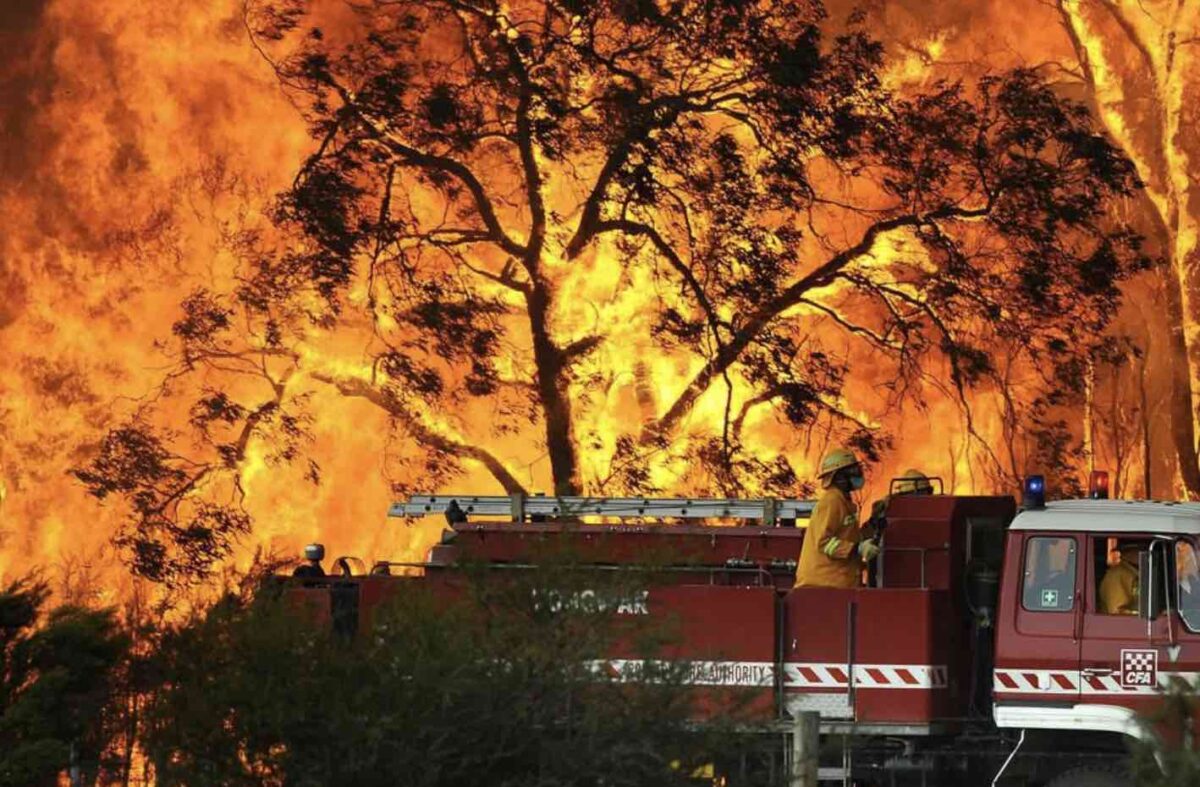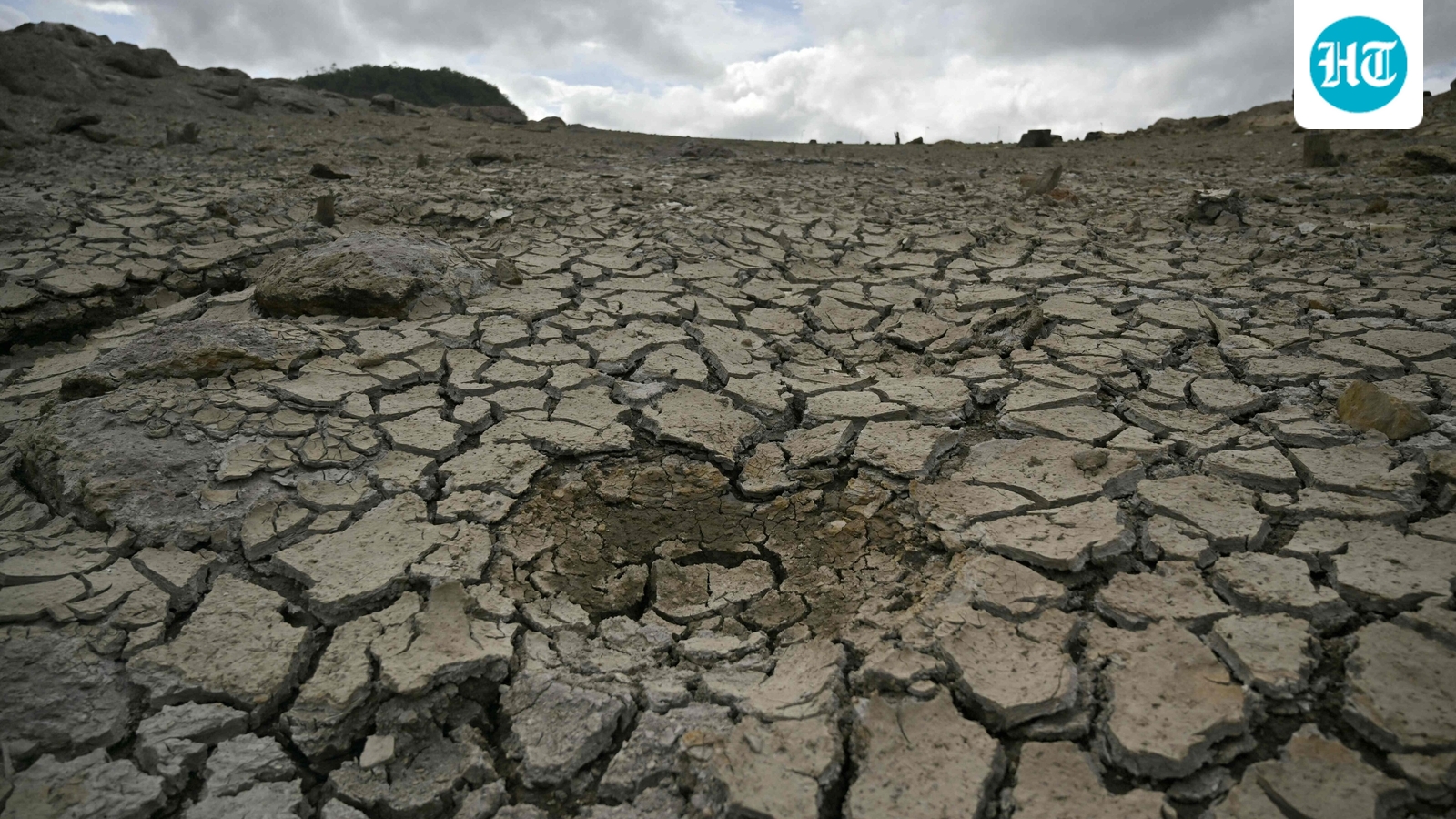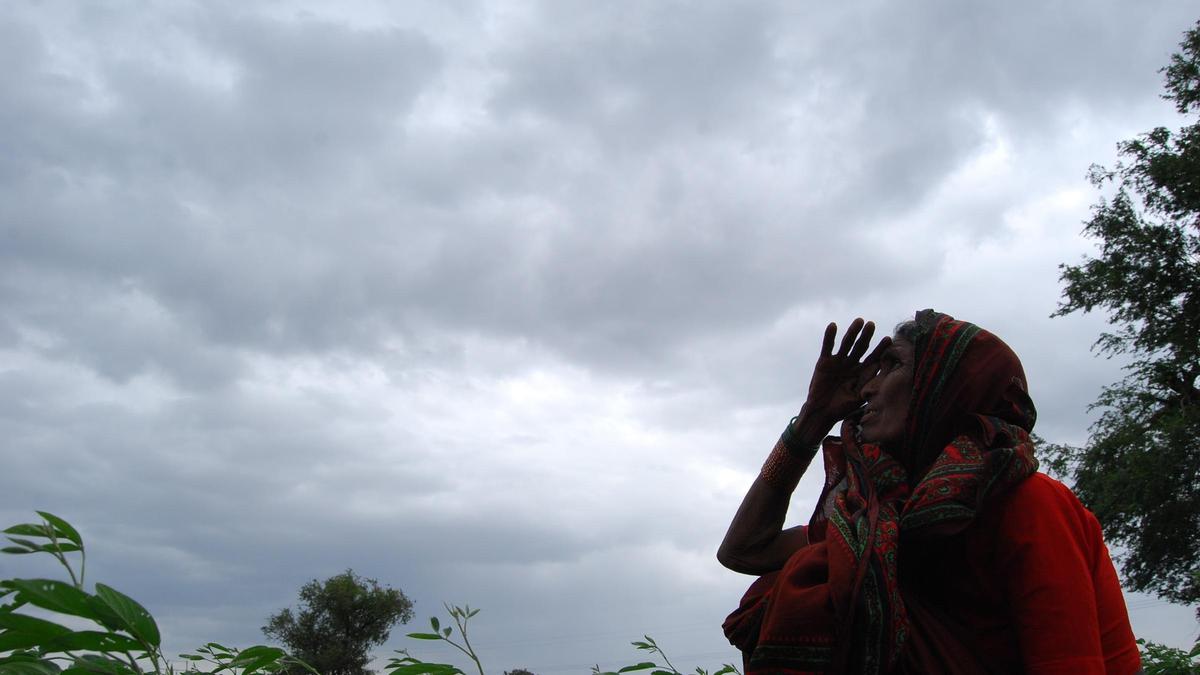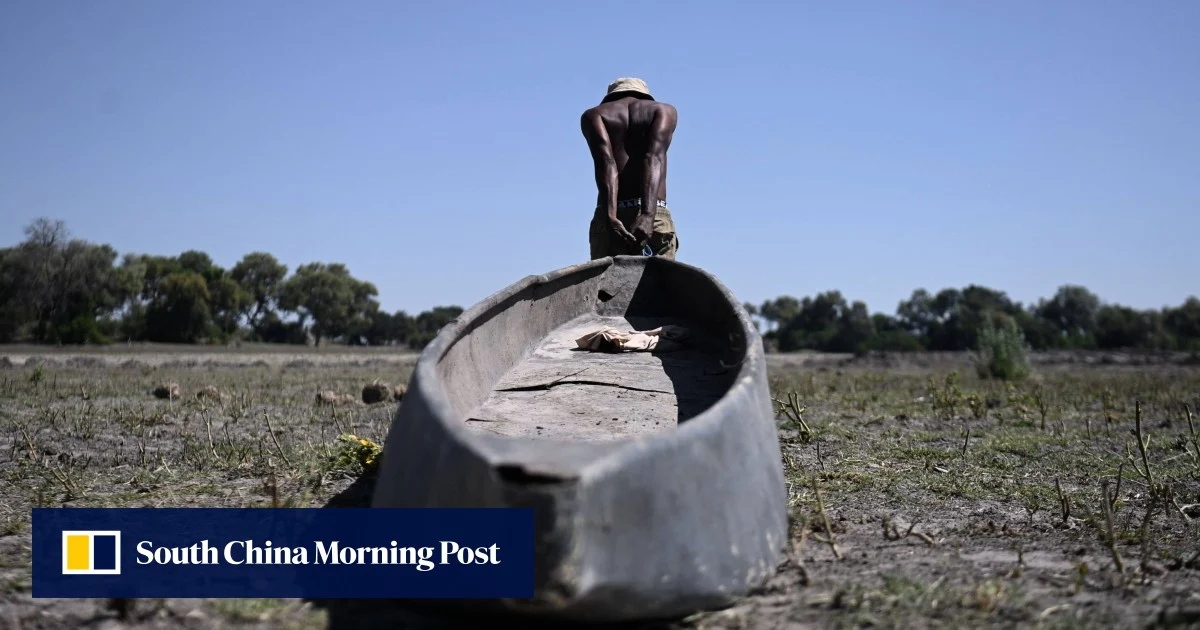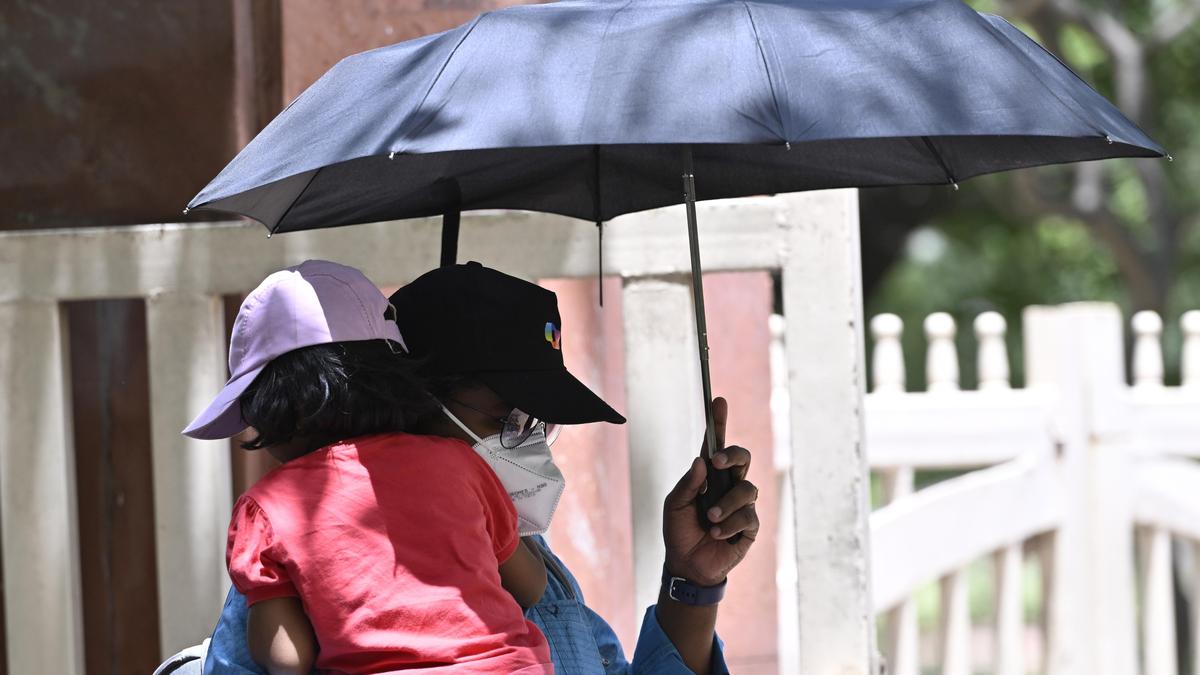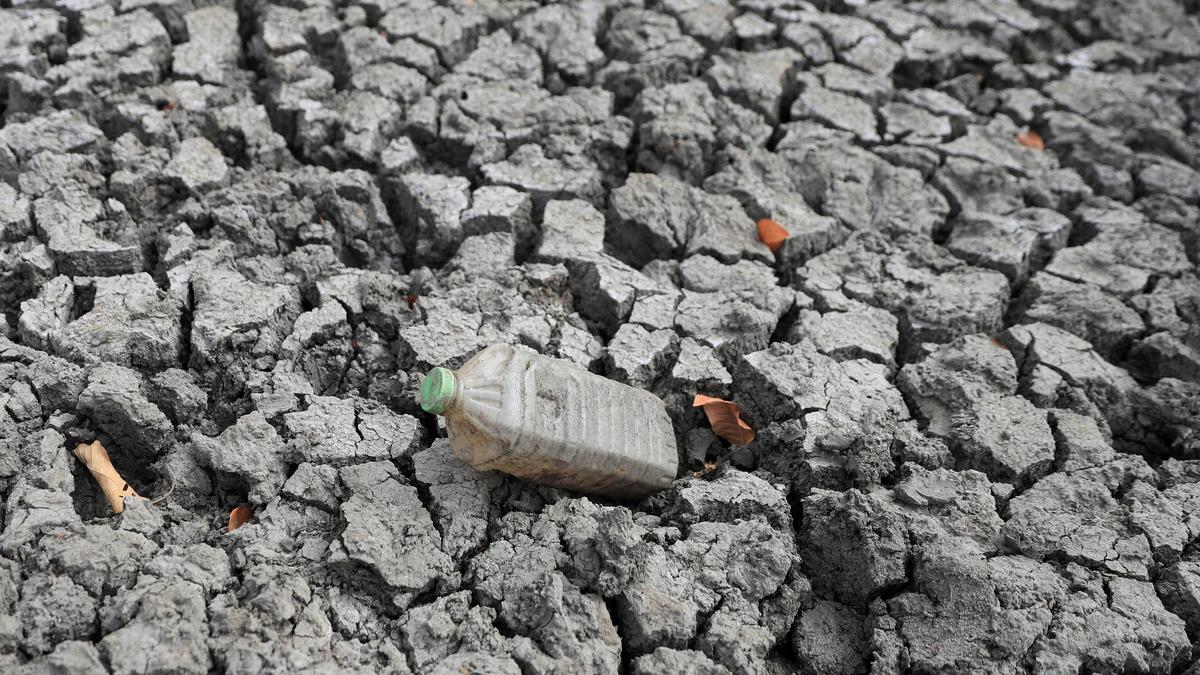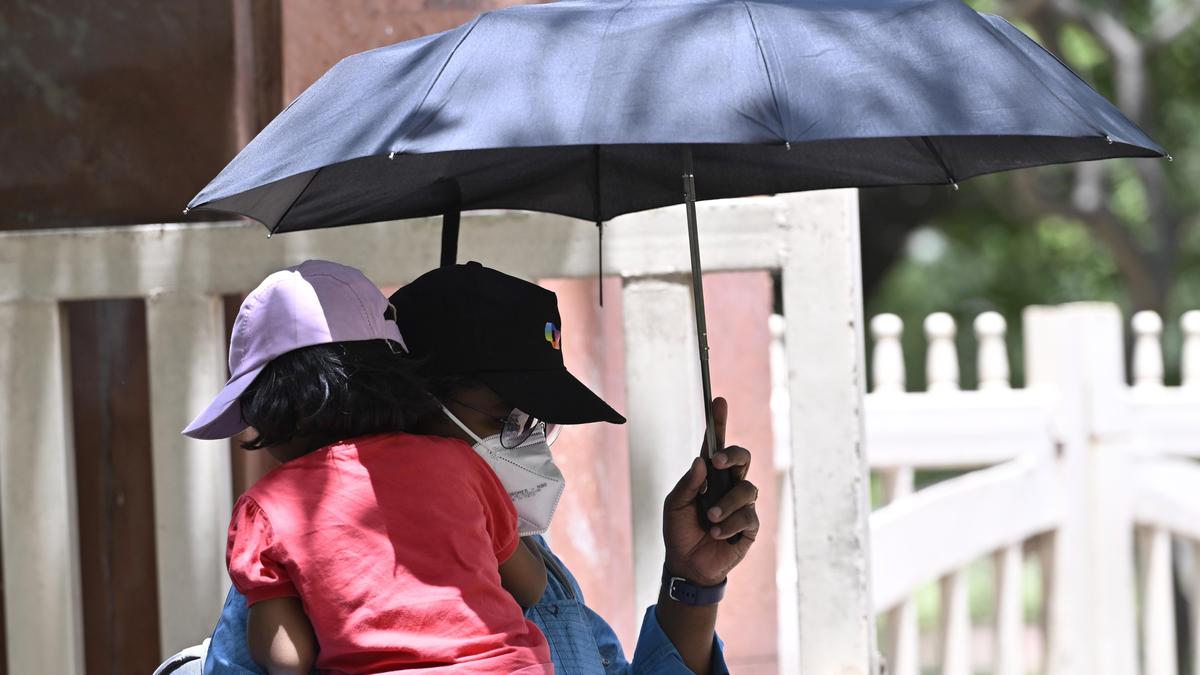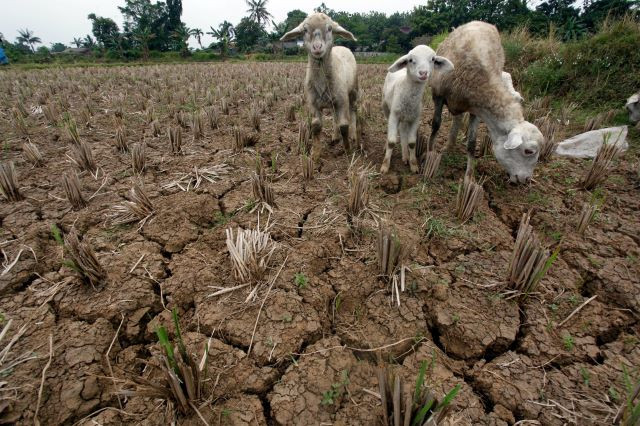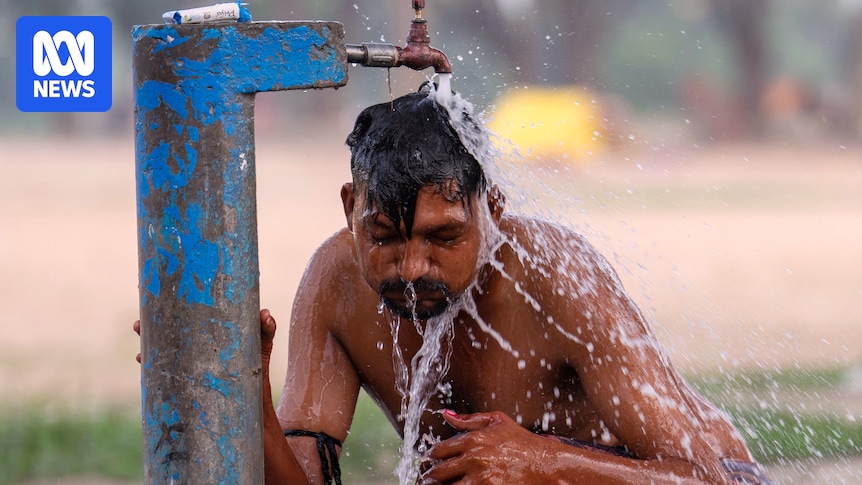
Temperatures have soared well above 45 degrees in parts of India as the unseasonally early heatwave disrupts daily life and claims lives.Afternoon markets have emptied, farmers are working by night and some schools have shut with the weather too hot for people to function as normal.But the United Nations has now warned the rest of the world, including Australia, to prepare for a moderate to strong El Nino this year which would make some weather and climate extremes more likely.Its World Meteorological Organization believes the likelihood of El Nino developing by November is "near or above 90 per cent" and is expected to be "at least moderate and possibly strong"."The world must treat it as the urgent climate warning it is," UN chief Antonio Guterres said."El Nino conditions will pour fuel on the fire of a warming world."People cool off at a public swimming pool amid a heatwave in New Delhi. (Reuters: Adnan Abidi)While India is no stranger to heat waves, Dr Soumya Swaminathan told ABC's The World that extreme temperatures recorded across many parts of the country since April started "quite early" and have been so hot and humid not even the nights have cooled down."Clearly the trend over the last few years is that every year we've reached higher temperatures, the heat has been more prolonged and over larger parts of the country," she said."The urban areas, the cities even, are facing the brunt even more."Every day it's just dealing with the heat and making sure people survive and don't fall ill."The former World Health Organisation (WHO) chief scientist said she believed heat-related deaths had been under-reported in India because it was not easy to diagnose, especially if the person died at home or outside a health facility. Heatwave deaths 'tip of iceberg'Soumya Swaminathan said there was a need for a national approach and more solutions to heatwaves in India. (By Fabrice Coffrini)But Dr Swaminathan said heat-related deaths were also just the "tip of the iceberg" of the impact of this heatwave."[Hot weather] affects a much larger base of ill health, of people not being able to perform, of people not being able to work," she said."We also know that women face a disproportionate burden of heat, that domestic violence for example goes up during the hottest days of the summer, and they also suffer a lot of physical, reproductive health and mental health disorders."It has impact on the social fabric, on communities, on productivity and on the economy."When it gets really, really bad, they give up a day's labour, they give up a day's wages essentially because they just can't go to work."She said there was a "need for solutions" with few people having access to air-conditioning and ways to cool down.A cycle rickshaw puller drinks water on a hot day in Old Delhi. (Reuters: Anushree Fadnavis)Dr Swaminathan said the forecast El Nino was "adding to the uncertainty" in India around "the fear of sub-adequate monsoon and perhaps drought" in some parts of the country.India has forecast an El Nino-weakened monsoon this year that will bring the lowest rainfall in 11 years, fuelling concerns over crops, food prices and growth in the world's fifth-largest economy. Indian girls use a scarf to protect themselves on a hot day in Jammu. (AP: Channi Anand)UN warns of moderate to strong El Nino around the worldEl Nino is a periodic warming of sea surface temperatures in the central and eastern Pacific Ocean, which typically lasts between nine and 12 months, according to the World Meteorological Organization (WMO).It is predicted to increase rainfall to Central Asia, the southern parts of South America, the United States and parts of the Horn of Africa, cause drought in Australia, Indonesia, parts of Asia and Central America and trigger hurricane formation in the central and eastern Pacific.WMO chief Celeste Saulo said the world needed to prepare for the El Nino.While the last El Nino contributed to making 2023 the second-hottest year on record and 2024 the all-time high at more than one degree above the 1850-1900 pre-industrial average, the WMO said there was no evidence that climate change increased the frequency or intensity of El Nino events."El Nino is arriving on our doorstep," Mr Guterres said in a video message."The only effective response is climate action equal to the crisis - ending the addiction to fossil fuels, accelerating the shift to renewables, protecting the most vulnerable, and delivering early warning systems for all."The WMO hoped advance warning would help countries prepare, especially in climate-sensitive sectors like agriculture, water management, energy and health.
El Nino will 'pour fuel on the fire' as India experiences deadly heatwave
India's deadly heatwave comes as the UN warns the world to prepare for a moderate to strong El Nino this year.
756 words~3 min read