From floods to heatwaves, cascading climate disasters expose mounting vulnerabilities demanding coordinated scientific and policy responses.
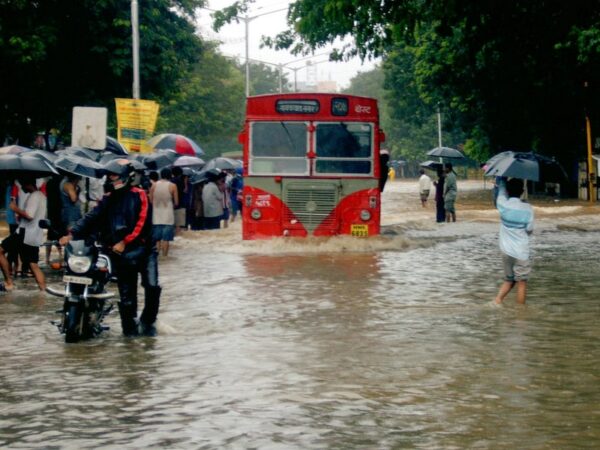
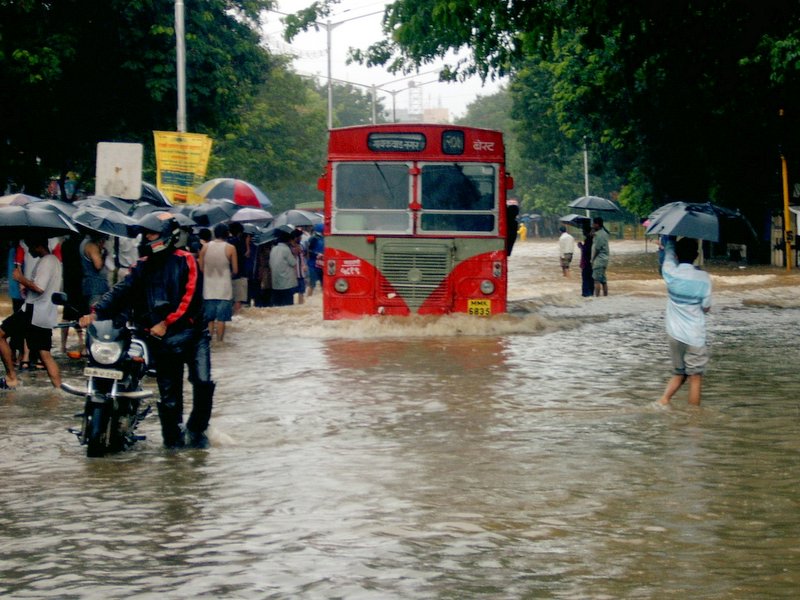
Instead of consistent seasonal rainfall, India experienced highly uneven precipitation this year. Wikimedia Commons, CC-BY-2.0.
From floods to heatwaves, cascading climate disasters expose mounting vulnerabilities demanding coordinated scientific and policy responses.
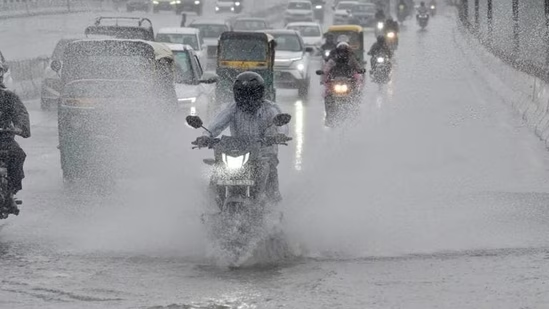
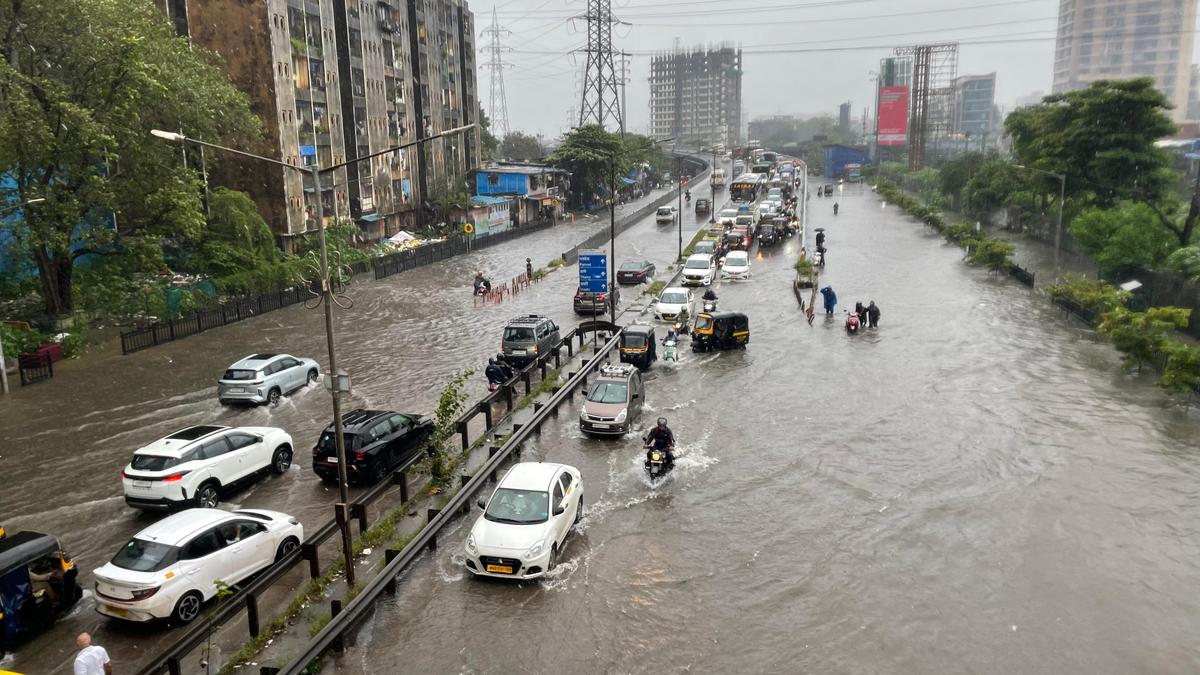
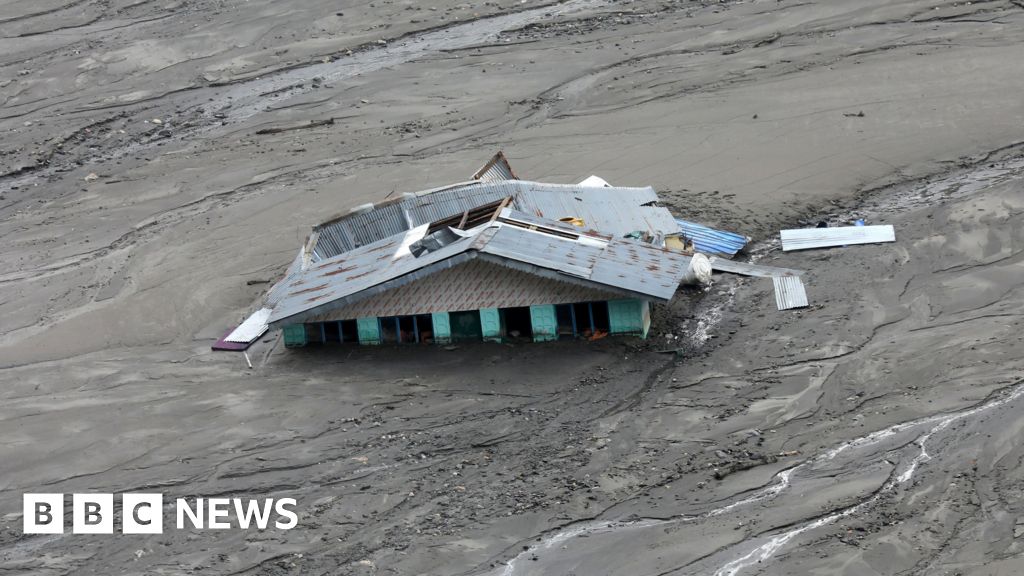
In the first week of July, in Mumbai’s Mankhurd, torrential monsoon rains triggered a building collapse that buried five children beneath the debris, transforming one of the city’s wettest July days in half a century into a humanitarian tragedy. Streets disappeared beneath floodwaters, transport networks ground to a halt, and emergency services struggled to reach stranded residents.
Thousands of kilometres away, London faced an entirely different manifestation of the same crisis. During the June 2026 heatwave, temperatures exceeded 36°C, commuters fainted inside sweltering Underground trains, and climate activists covered Tube stations with stickers reading, ‘Heatwave, sponsored by Shell’, highlighting the perceived role of fossil fuels in intensifying global warming.