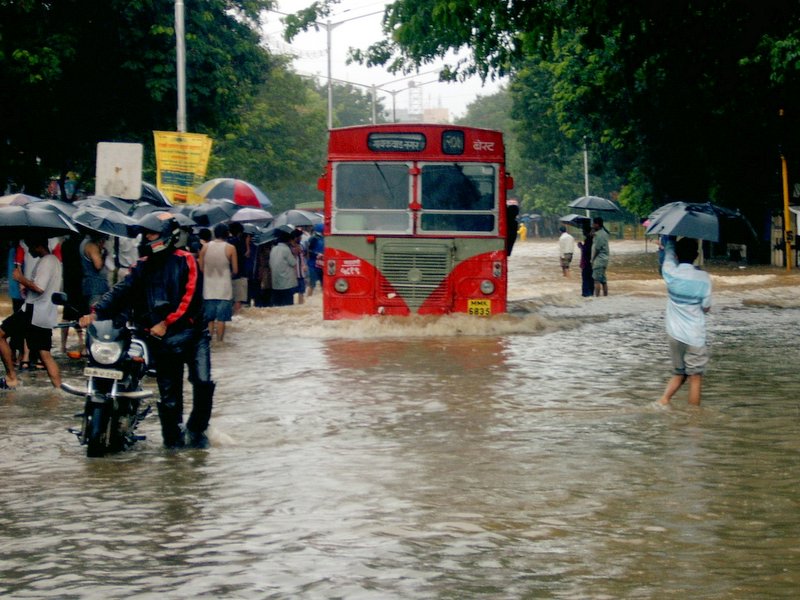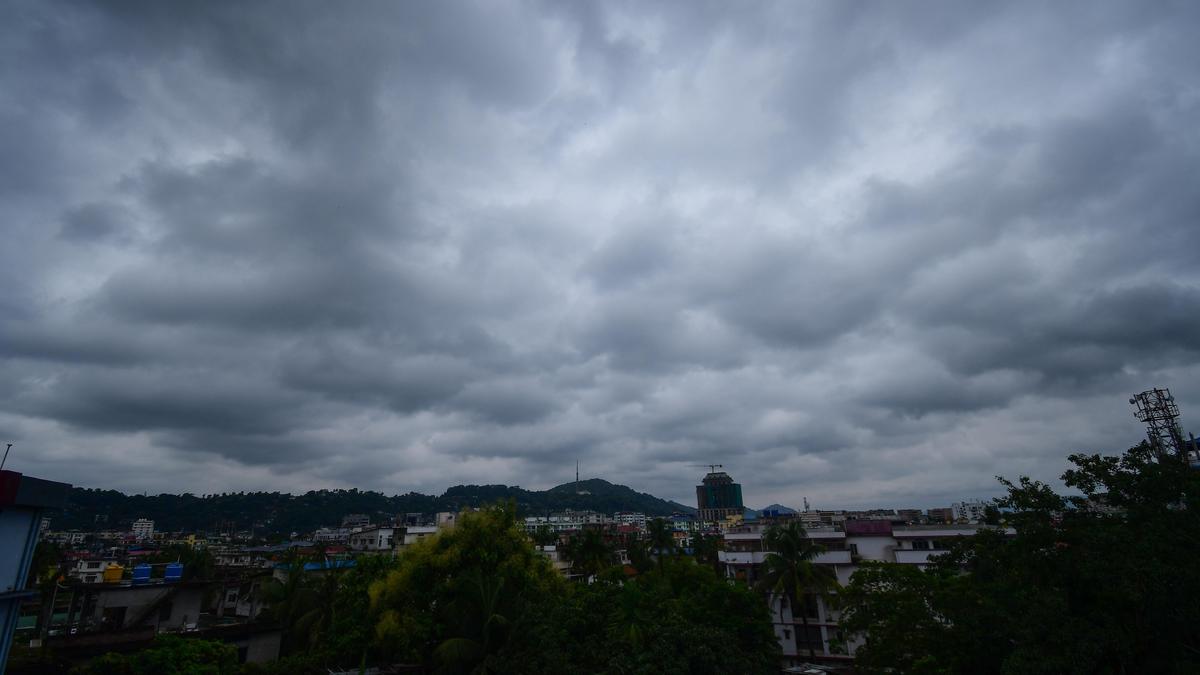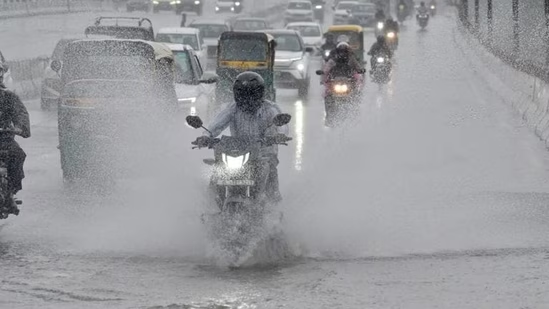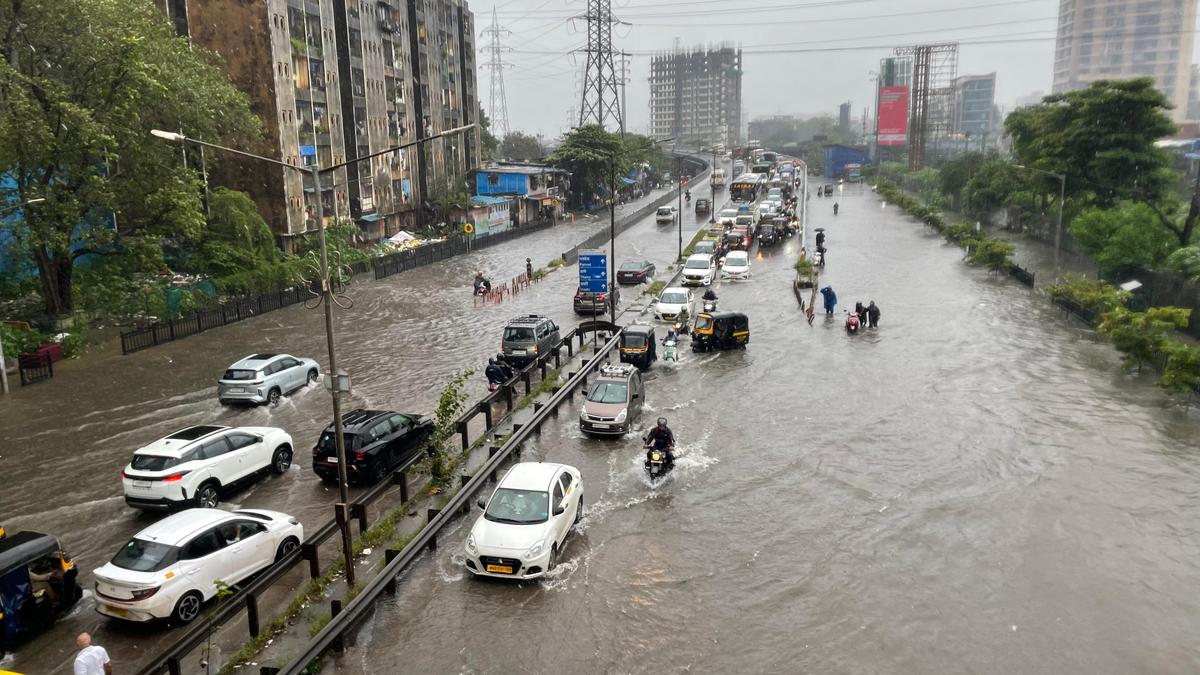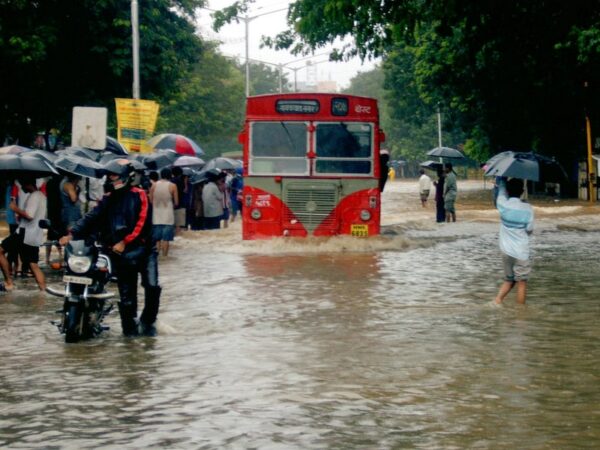
In the first week of July, in Mumbai’s Mankhurd, torrential monsoon rains triggered a building collapse that buried five children beneath the debris, transforming one of the city’s wettest July days in half a century into a humanitarian tragedy. Streets disappeared beneath floodwaters, transport networks ground to a halt, and emergency services struggled to reach stranded residents.
Thousands of kilometers away, London faced an entirely different manifestation of the same crisis. During the June 2026 heatwave, temperatures exceeded 36 degrees Celsius. As commuters fainted inside sweltering Underground trains, climate activists covered Tube stations with stickers reading, “Heatwave, sponsored by Shell,” highlighting the perceived role of fossil fuels in intensifying global warming.
These events unfolded in vastly different economic and geographic settings. Yet they reflected a common reality: climate change no longer distinguishes between developed and developing nations. Whether through floods, heatwaves, landslides, or dust storms, extreme weather is increasingly becoming the defining challenge of the 21st century.
The scientific evidence underpinning this reality has become overwhelming. The World Meteorological Organization (WMO) reported in 2023 that the global mean near-surface temperature in 2023 was 1.45 ± 0.12 degrees C above the pre-industrial average, bringing the world dangerously close to the 1.5 degrees C threshold established under the Paris Agreement.