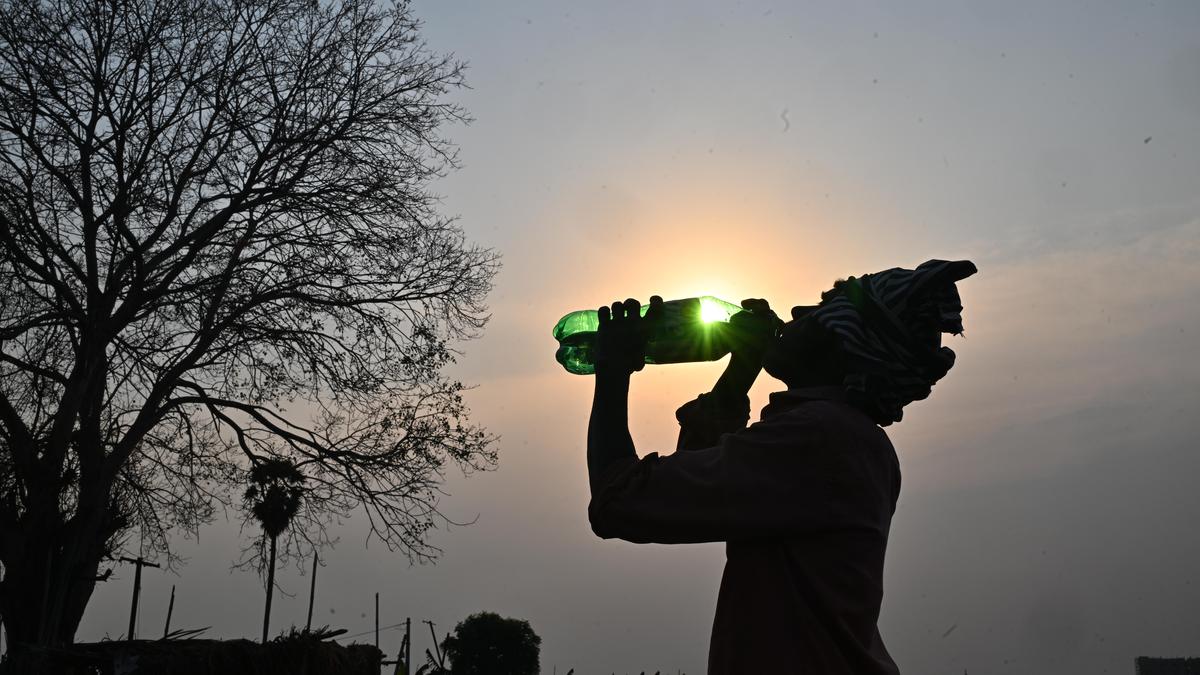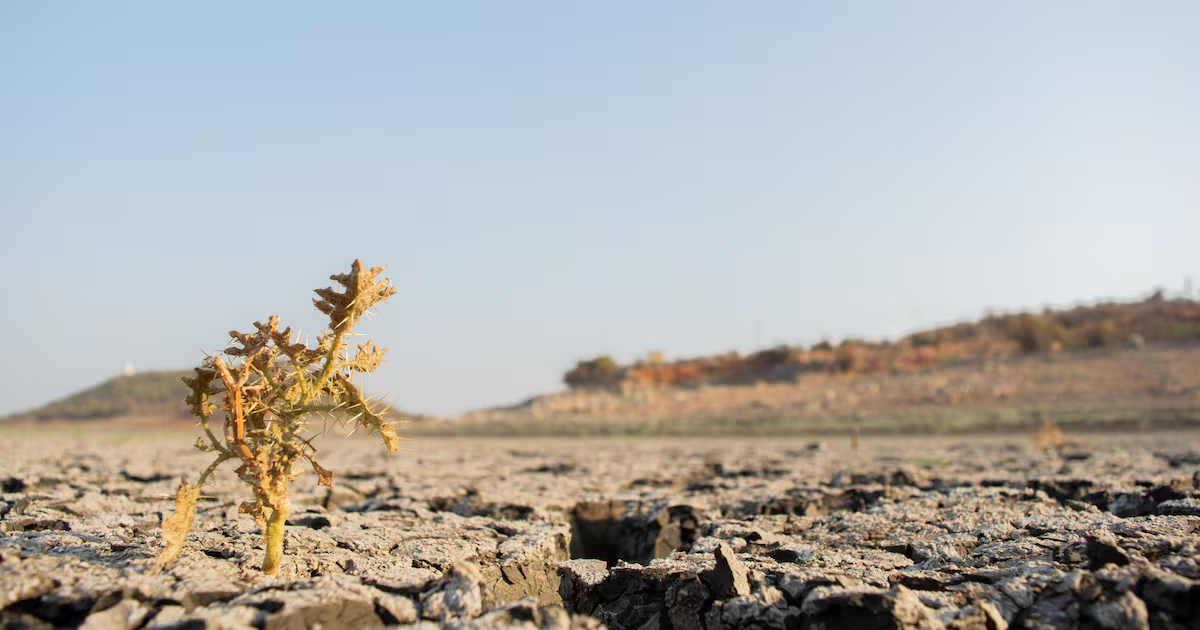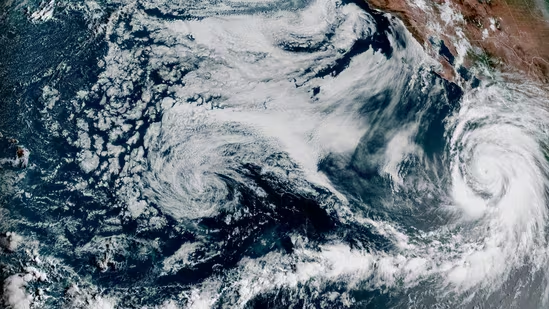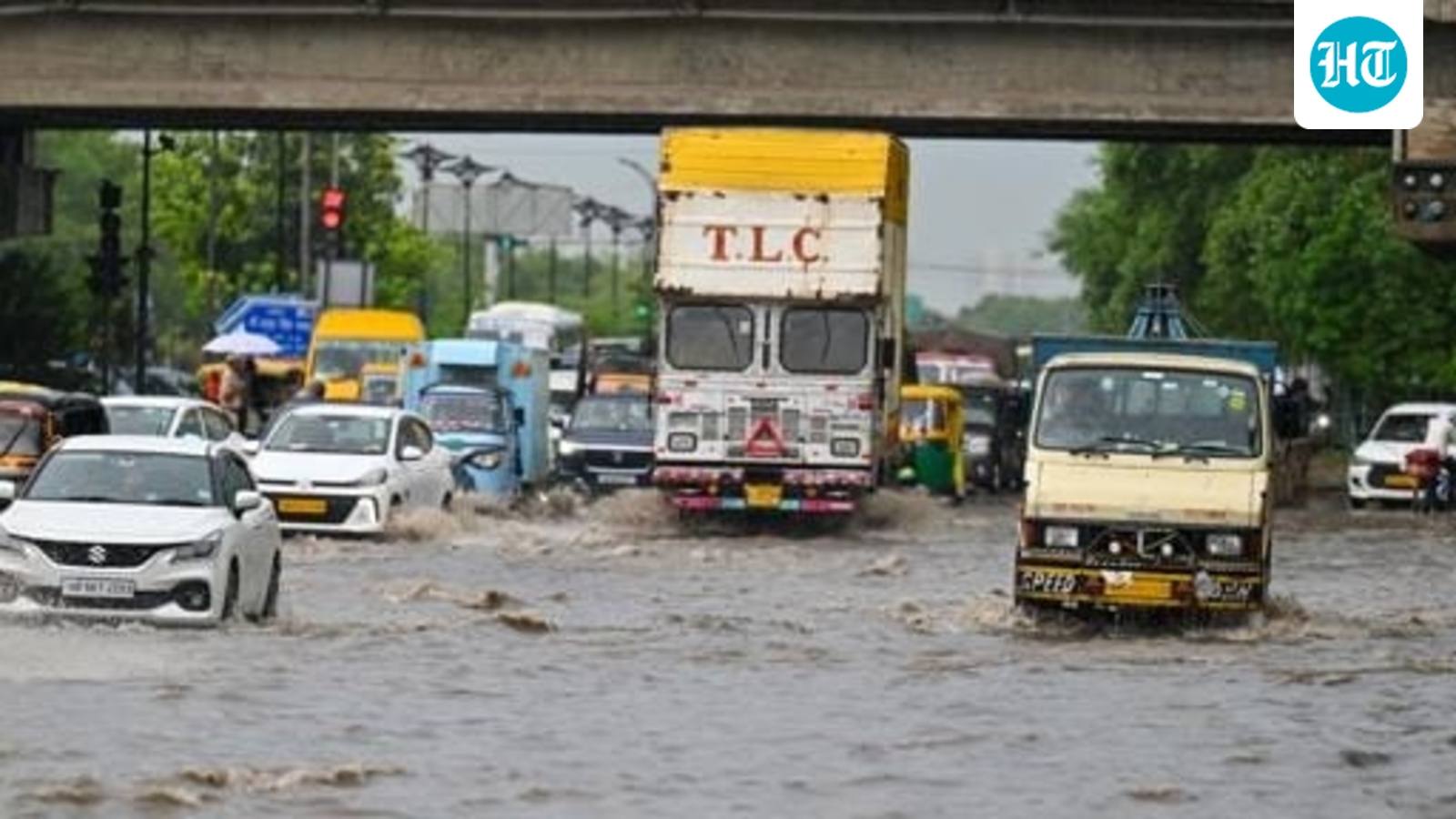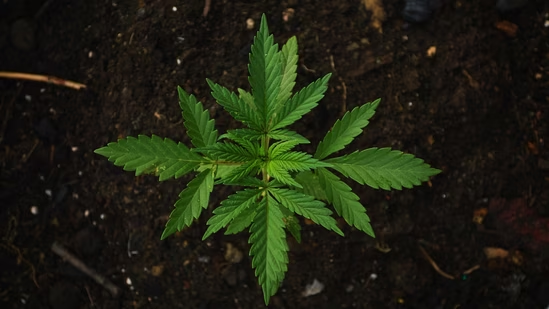
The global climate conversation has fundamentally shifted from a debate about future probabilities to a stark confrontation with present realities. Across the world, the predictability that once governed agricultural calendars, urban planning, and economic forecasting has evaporated, replaced by a volatile era of systemic climate disruption. The traditional paradigm of preparedness largely built on historical data and the expectation of linear, incremental changes is proving dangerously obsolete. Today, nations find themselves caught in a pincer movement between two distinct categories of climate events: The expected, long-predicted shifts that we are simply failing to mitigate fast enough and the unexpected, non-linear anomalies that defy standard meteorological modelling. As these forces converge, they reveal a profound, systemic unreadiness that threatens not just macroeconomic stability but the very fabric of daily human survival.Global Warming. (Unsplash)To understand the scope of this vulnerability, one must first dissect the anatomy of modern climate disruption, which manifests in both anticipated and sudden mutations. Expected climate trends include the steady, relentless rise in global baseline temperatures, the gradual melting of polar ice caps, and the predictable expansion of arid zones. These are the creeping crises, the slow-motion disasters that science has mapped with remarkable precision. We know, with high statistical certainty, that summers will grow longer and hotter and that sea levels will continue to encroach upon coastal megacities. Yet, knowing is not the same as preparing. The world’s response to these expected shifts has been characterised by institutional inertia. Infrastructure is still built to 20th-century specifications, water management systems remain rigidly inelastic, and agricultural sectors are slow to pivot away from water-intensive crops in regions facing chronic, predictable depletion.Parallel to these creeping trends are the unexpected, erratic climate shocks that catch even advanced forecasting systems off guard. These are the black swan weather events: Unprecedented marine heatwaves that disrupt oceanic currents, simultaneous multi-breadbasket failures caused by stalled jet streams, and rapid-onset droughts that materialise within weeks rather than seasons. These anomalies are driven by complex feedback loops within the Earth system, where breaching a specific thermal threshold triggers a compounding cascade of chaotic weather. For instance, the sudden, extreme atmospheric rivers that recently inundated traditionally arid regions, or the historic wildfires burning through subarctic boreal forests, represent structural breaks from historical baselines. The unpredictability of these events makes them exceptionally dangerous, as they render traditional emergency response frameworks entirely inadequate and overwhelming insurance markets, supply chains, and civic infrastructure overnight.The ramifications of these twin climate pressures are global, but their localised manifestation in India offers a harrowing case study in vulnerability and the limits of current preparedness. The Indian subcontinent is structurally bound to the rhythms of the monsoon, an atmospheric engine that dictates the economic health and daily lifestyle of over a billion people. When the monsoon deviates from its expected course, such as delivering less-than-expected rainfall or skewing its distribution into erratic bursts of drought and deluge, the shockwaves reverberate through every layer of society. India's agricultural sector, which employs nearly half of the country’s workforce and relies heavily on rain-fed cultivation, acts as the primary shock absorber for these climate anomalies. A deficient or poorly distributed monsoon immediately translates into reduced crop yields for staples like rice, pulses, and oilseeds. This agricultural stress triggers a vicious cycle: rural incomes plummet, food inflation spikes in urban centres, and the government is forced to deplete fiscal reserves on relief measures, import subsidies, and artificial market interventions.Beyond the macroeconomic metrics, the human cost of a failing monsoon alters the basic lifestyle and survival mechanisms of millions. In rural swathes, water scarcity transforms from an agricultural hurdle into an existential crisis. Women and children spend gruelling hours trekking across parched landscapes to secure potable water, sabotaging educational opportunities and widening gender disparities. As wells run dry and soil fertility degrades under the dual assault of heat and drought, distressed seasonal migration intensifies, pushing destitute agrarian workers into already straining urban slums. In these rapidly expanding cities, the crisis mutates. Urban centres face severe water rationing, skyrocketing electricity demands to combat oppressive heatwaves, and sudden public health emergencies driven by contaminated water sources and vector-borne diseases. The psychological and physical toll on the citizen is immense; the daily routine becomes an exhausting exercise in resource management, where access to basic clean water and thermal comfort becomes a luxury rather than a civic guarantee.This grim reality underscores a broader, global truth: The current metrics of national preparedness are superficial. True resilience cannot be achieved by merely building higher seawalls or issuing digital weather alerts. It requires a fundamental rewiring of economic and social systems to absorb volatility. Presently, the prevailing approach remains reactive, treating climate disasters as isolated, anomalous interruptions to a normal state of affairs, rather than recognising that the normal itself has permanently shifted. In India and across the developing world, adaptation strategies must transition from crisis management to systemic transformation. This means aggressively subsidising micro-irrigation and climate-resilient, drought-resistant crop varieties rather than incentivising water-guzzling crops through archaic subsidy regimes. It demands the radical overhauling of urban planning to prioritise sponge-city architectures that capture erratic rainfall, the decentralisation of water grids, and the creation of robust social safety nets that protect vulnerable populations from immediate destitution when nature defaults on its historical promises.Ultimately, the global community stands at a critical juncture where the cost of inaction vastly outweighs the investment required for systemic adaptation. The less-than-expected monsoons, the unseasonal heatwaves, and the erratic storms are loud, unambiguous warnings from a destabilised biosphere. They expose the fragile foundations of our globalised food systems, our energy grids, and our urban habitats. Preparing for an uncertain climate future requires acknowledging that predictability is dead. Governments, financial institutions, and civil societies must cultivate a culture of dynamic resilience, one that anticipates failure, builds redundant capacities, and prioritises ecological sustainability over short-term economic maximisation. Until nation-states move past cosmetic policy announcements and embed climate risk into the core of their fiscal and developmental blueprints, humanity will remain perpetually unprepared, dangerously exposed to the whims of a changing sky.(The views expressed are personal)This article is authored by Gunwant Singh, scholar, international relations and security studies, Jawaharlal Nehru University New Delhi.
Architecture of Unreadiness: Surviving chronic climate volatility
This article is authored by Gunwant Singh, scholar, international relations and security studies, Jawaharlal Nehru University New Delhi.
1,026 words~5 min read