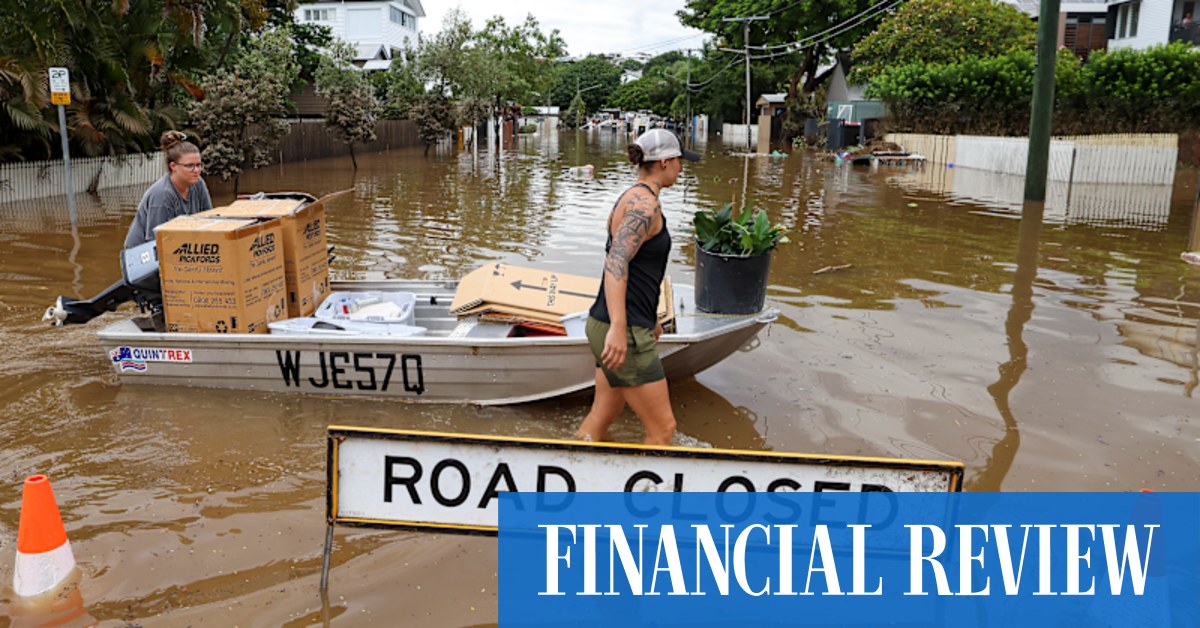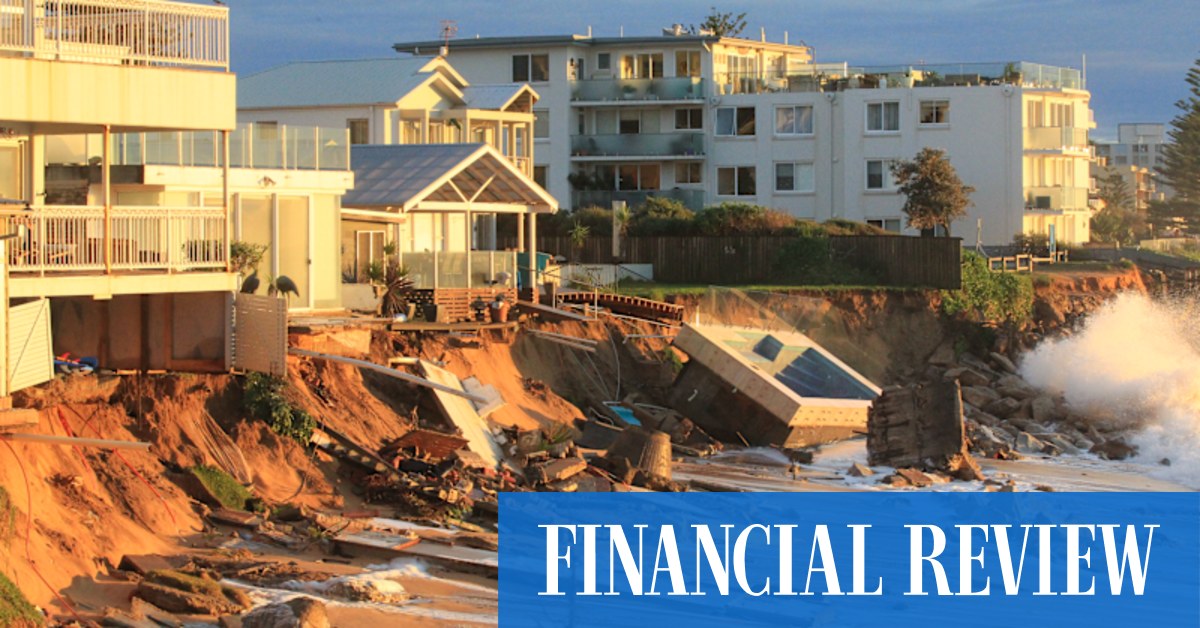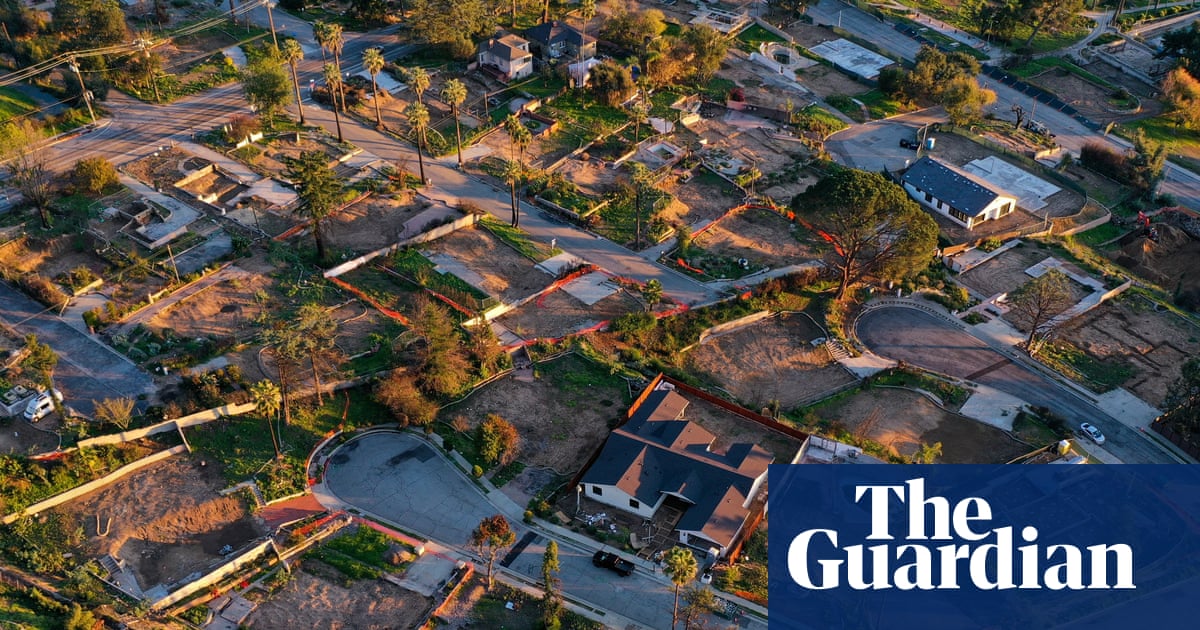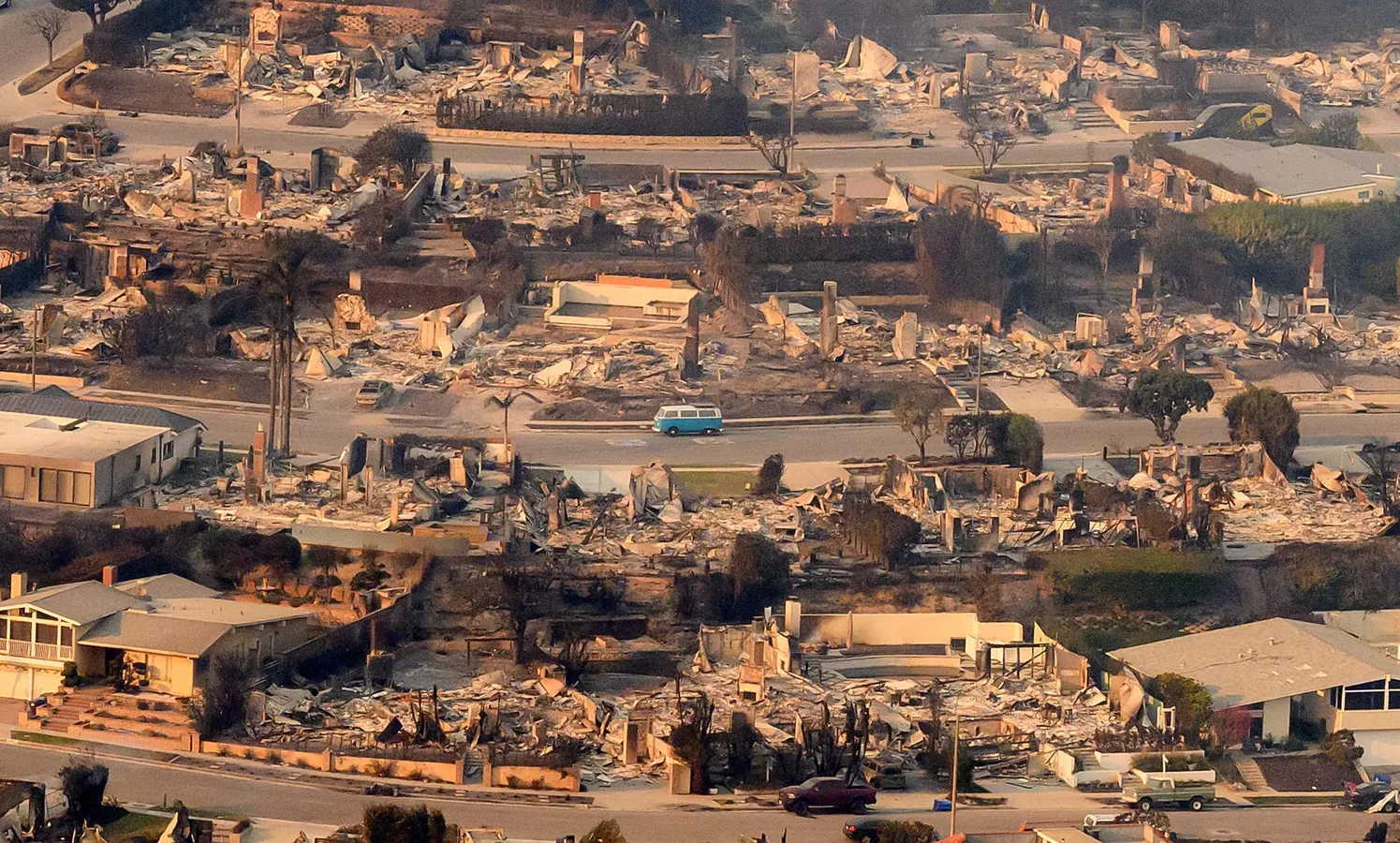
(Photo by JOSH EDELSON / AFP via Getty Images)AFP via Getty ImagesEvery time a wildfire tears through Los Angeles, a flood inundates a UK town, or a cyclone devastates Pacific fishing communities, the same uncomfortable question surfaces: will the insurance pay out? Increasingly, the answer is no. Not because of small print, but because insurance was never available in the first place. The insurance protection gap, the chasm between economic losses from natural disasters and what is actually insured, reached a staggering US$318 billion in 2024 according to Swiss Re. More than half of those losses were uninsured. And the gap is projected to double by 2030. This is not just an insurance industry problem. When insurance withdraws from a market, the effects cascade in ways that most financial actors have not yet reckoned with. Lenders cannot issue mortgages against uninsured collateral. Property values fall. Investment retreats. Municipal finances buckle. The communities most exposed to climate risk become the least able to recover from it, a vulnerability spiral that compounds with every extreme weather event. Yet until now, there has been no shared framework for assessing how close a given asset, place or sector is to crossing that insurability threshold, or what it would take to pull it back. Introducing the Insurability Matrix Today, the insurance leadership group ClimateWise is publishing the first version of the Insurability Readiness Matrix: a structured diagnostic and engagement tool that gives insurers, financiers, developers and policymakers a common language for assessing and improving insurability before conditions become critical. MORE FOR YOUThe Matrix evaluates insurability across seven components: Data and Modelling, Physical Resilience, Policy Alignment, Market Capital and Capacity, Stakeholder Awareness and Financial Literacy, Accessibility and Affordability, and Recovery Ecosystem. Each component receives a traffic-light rating (Red, Amber or Green) alongside a trend signal and a set of pathways to improvement. The tool emerged from something the insurance industry has long known but struggled to communicate: that uninsurability is not an inevitable consequence of climate change. It is, substantially, a function of choices about what gets built, where, to what standard, under what regulatory framework, and with what level of community awareness and financial infrastructure to support recovery. What the evidence shows There are real life stories that show what is possible. In Lagos, a data-sharing initiative between the state government, the World Bank and UK development finance produced open geospatial flood maps that allowed insurers to model urban risk with enough precision to reduce technical premiums by 25 per cent, thus enabling the city's first parametric flood product, covering 25,000 households. A single intervention in one component unlocked progress across several others. In Paradise, California, a community destroyed by wildfire adopted the ‘Wildfire Prepared Home Standard’ as its mandatory rebuilding benchmark. Insurers returned. Some residents saw their insurance costs fall by 800 per cent compared to what the state's insurer of last resort had been charging. A credible, verified resilience standard moved an entire community back from the edge of uninsurability. Chile introduced a tax deduction for catastrophe insurance premiums and resilience retrofit investment. Household insurance penetration rose from 45 to 65 per cent. Business capital expenditure on retrofit increased by 18 per cent. Policy alignment and affordability improved simultaneously through a single fiscal instrument. The reverse pattern is equally instructive. In California, a regulatory framework that prevented forward-looking risk pricing drove seven of the state's twelve largest insurers to restrict or withdraw new business by 2022. The FAIR Plan, the state's insurer of last resort, has seen its exposure grow by 230 per cent since then. A single policy misalignment cascaded into systemic market retreat. A tool for the whole ecosystem The Matrix is designed to be used by insurers to assess and communicate within their organisations, across the industry, and ultimately supporting conversations with developers, policymakers, lenders, community organisations, regulators. For lenders and investors, the Matrix connects directly to resilience-adjusted credit risk assessment, a framework that embeds insurability signals into credit decision-making, recognising that an asset's long-term bankability and its long-term insurability are increasingly the same question. For policymakers, the Matrix offers an early warning function: a way to monitor where conditions are deteriorating before markets reach withdrawal, and to design interventions, such as building codes, land-use planning, fiscal incentives, which address the structural drivers before they compound. For communities facing insurance withdrawal, it provides a way to articulate the multi-dimensional nature of the challenge in terms that resonate across institutional boundaries. Why now We are publishing this first version of the Matrix now, deliberately and transparently, because the urgency of the insurability challenge does not permit waiting for perfection. The Matrix will improve through use: through trials, through engagement with insurers in emerging markets and developing economies where the structural conditions differ, through the development of a validated aggregation methodology that allows comparison across geographies and over time. What we already know is that the tool works. The pilot, involving ten real-world scenarios spanning floods in Hull, wildfires in Yorkshire and agriculture in Sub-Saharan Africa, confirmed that insurers can complete it, that non-insurance audiences find the Matrix provides an accessible view of how the insurance industry assess risk, and that it prompts the kind of internal coordination and cross-institutional dialogue that turns diagnosis into action. The relationship between insurability and resilience runs in both directions. Where risk reduction investment is made, insurance becomes more affordable. Where insurance remains available, communities can recover and invest in their own resilience. This virtuous cycle, the resilience dividend, is achievable. But it requires a shared language, shared tools and the willingness to act across institutional boundaries before conditions become critical. That is what the Insurability Readiness Matrix is designed to provide.
The Insurance Industry Just Built A Shared Language For One Of Climate Change's Biggest Hidden Risks
As climate risks grow, the new Insurability Readiness Matrix could help insurers, policymakers and communities spot when places are becoming uninsurable
946 words~4 min read