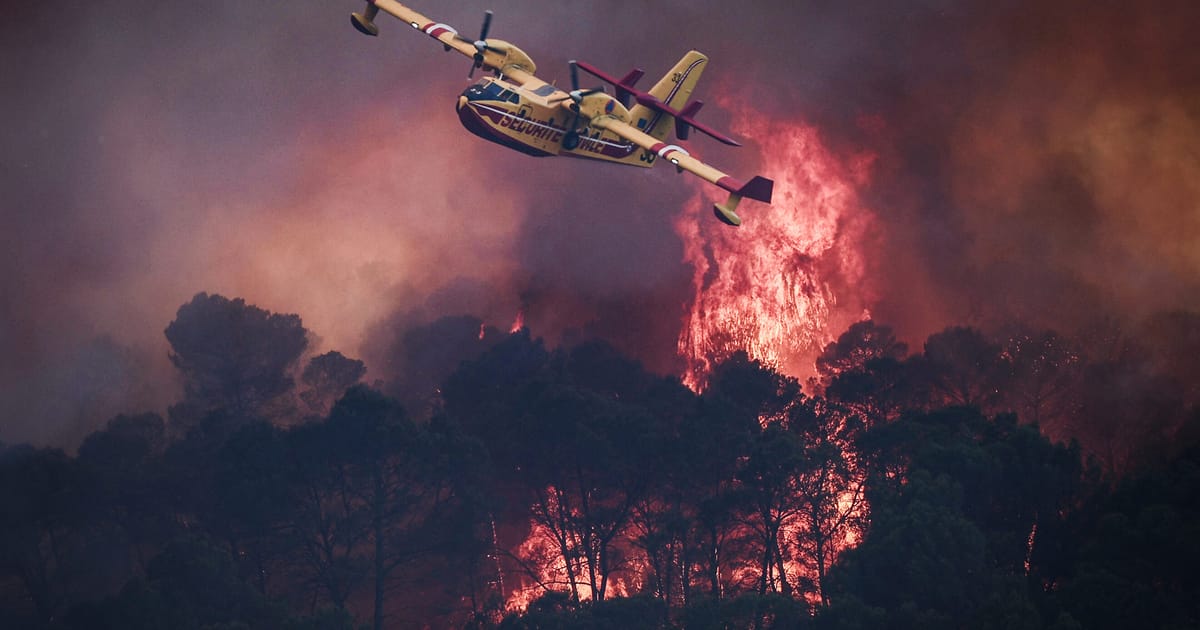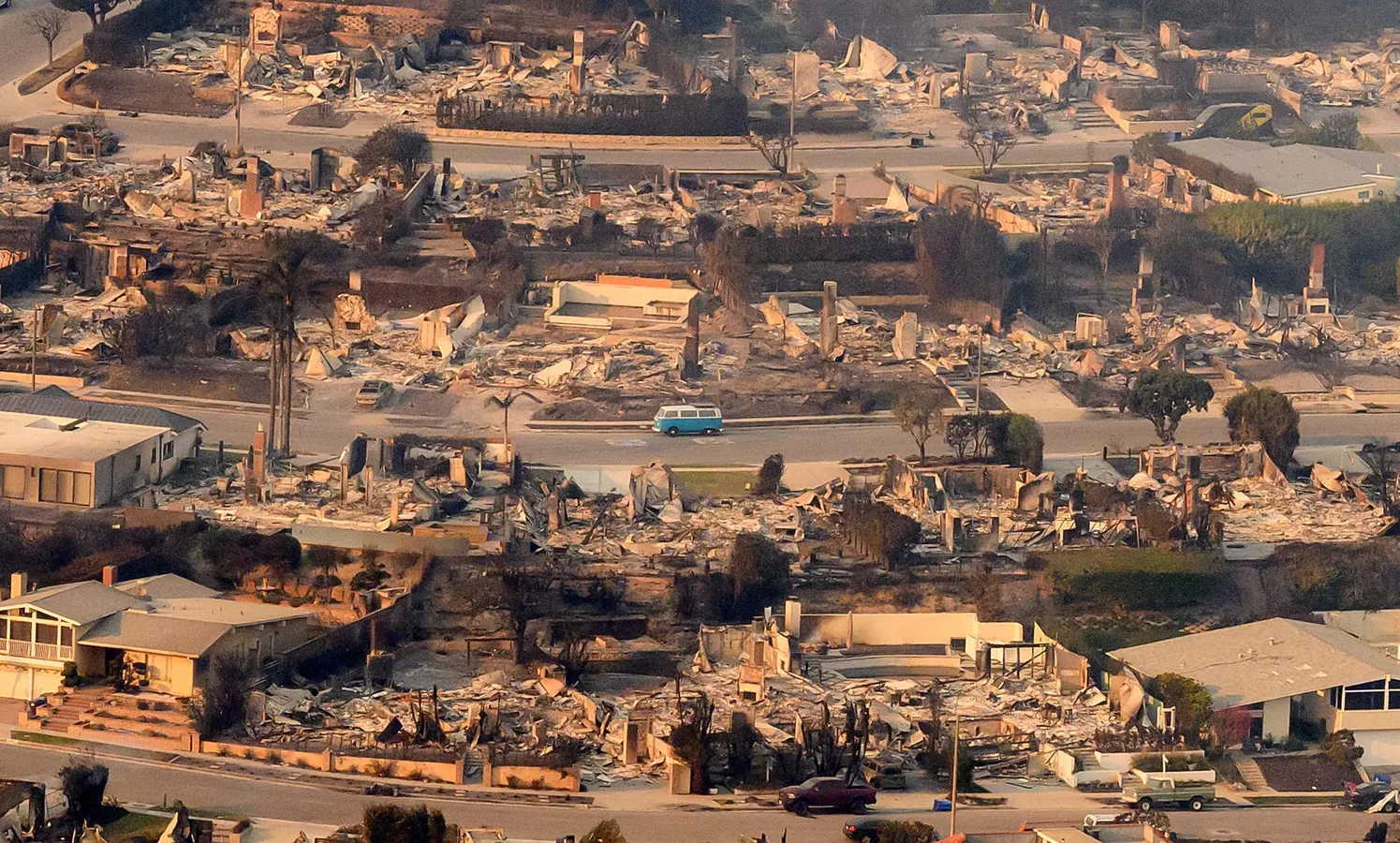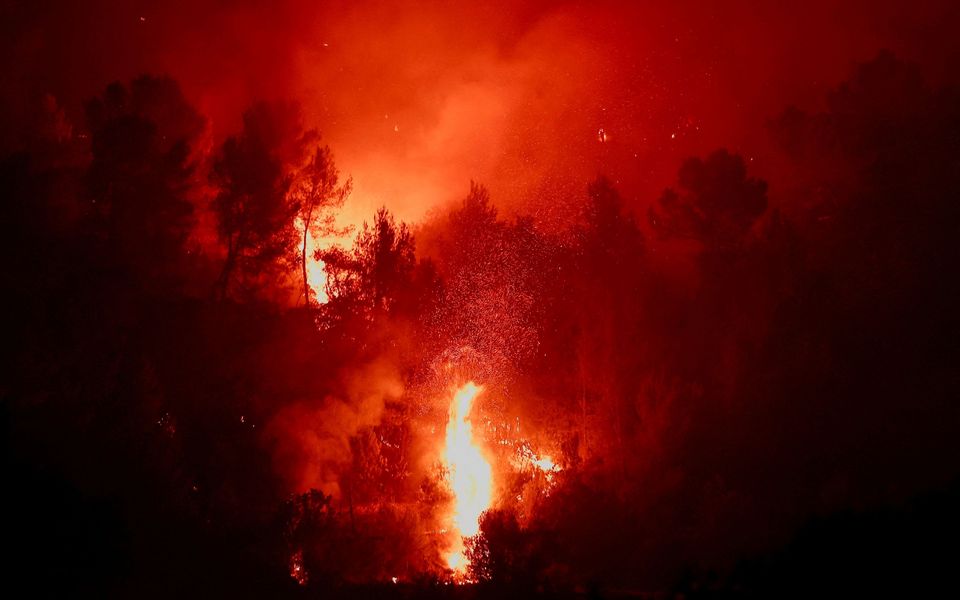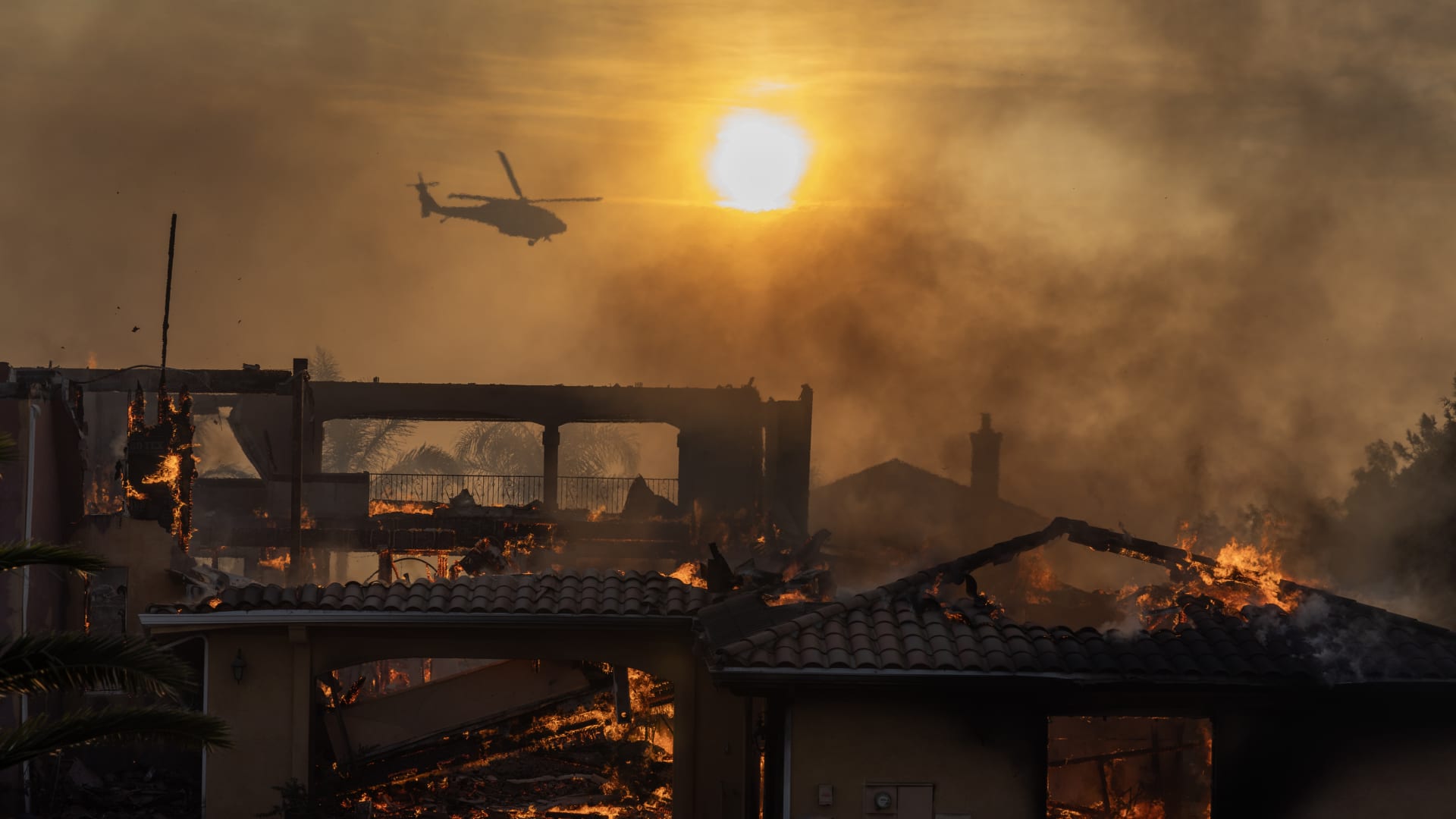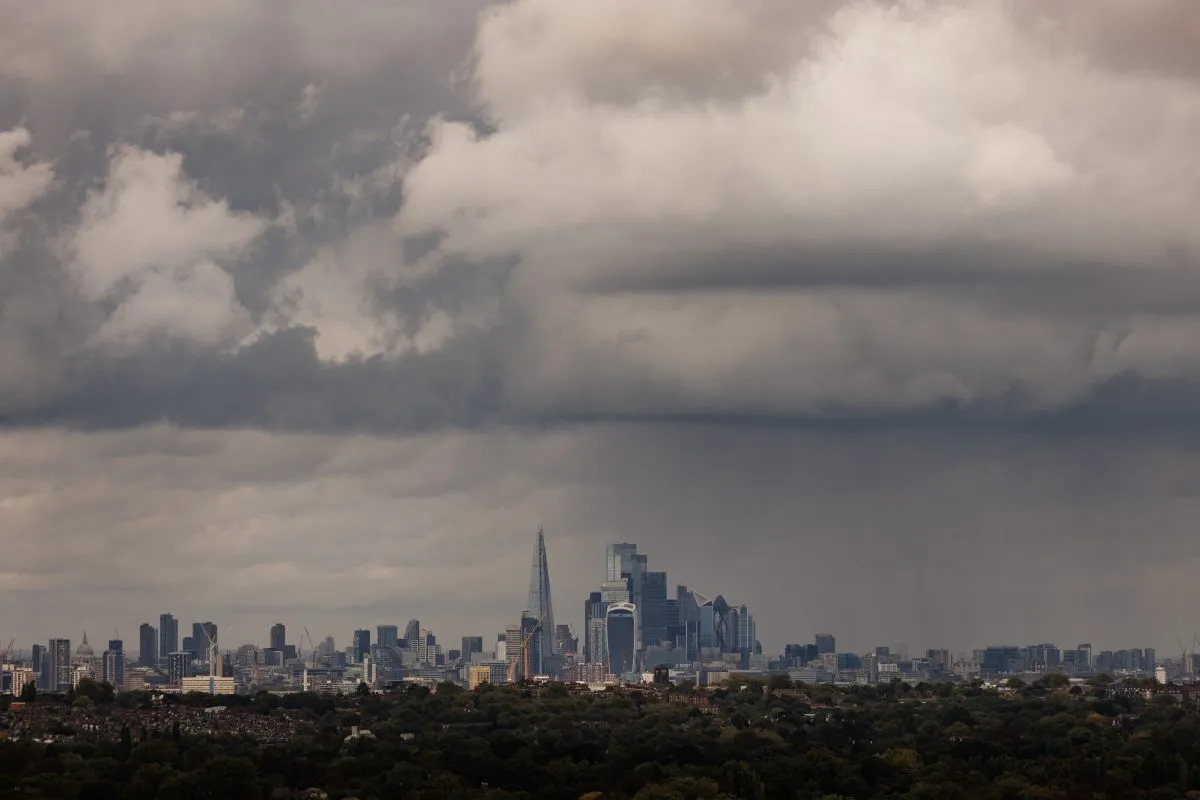
COP30 is now on the horizon, and Ana Toni, its CEO, has warned the climate is “our biggest war.” It would be hard to disagree with her. At this very moment, Europe is sweltering in record 42°C heat, and wildfires are tearing across the US and Turkey. Over the past 12 months, we’ve seen our world burn, flood and break down in ways we never thought possible. In response to the enormous challenge posed by the climate crisis, some insurers, even major ones, have stepped back. In California, for example, insurers have said they can no longer cover climate-related risk.
The protection gap — the divide between the total losses from an event and the amount of those losses covered — is widening. The blame for this doesn’t lie with any individual insurer. The problem is the model. In fact, what’s now beyond doubt is that the traditional approach to insurance is no longer enough to deal with the threat posed by the climate.
Picking up the pieces works only when the disasters are infrequent, and the damage limited. Floods and wildfires take place too frequently, and are too destructive, to be covered. There are two options left to insurers: change with the times or fade into irrelevance.
Rethinking Risk