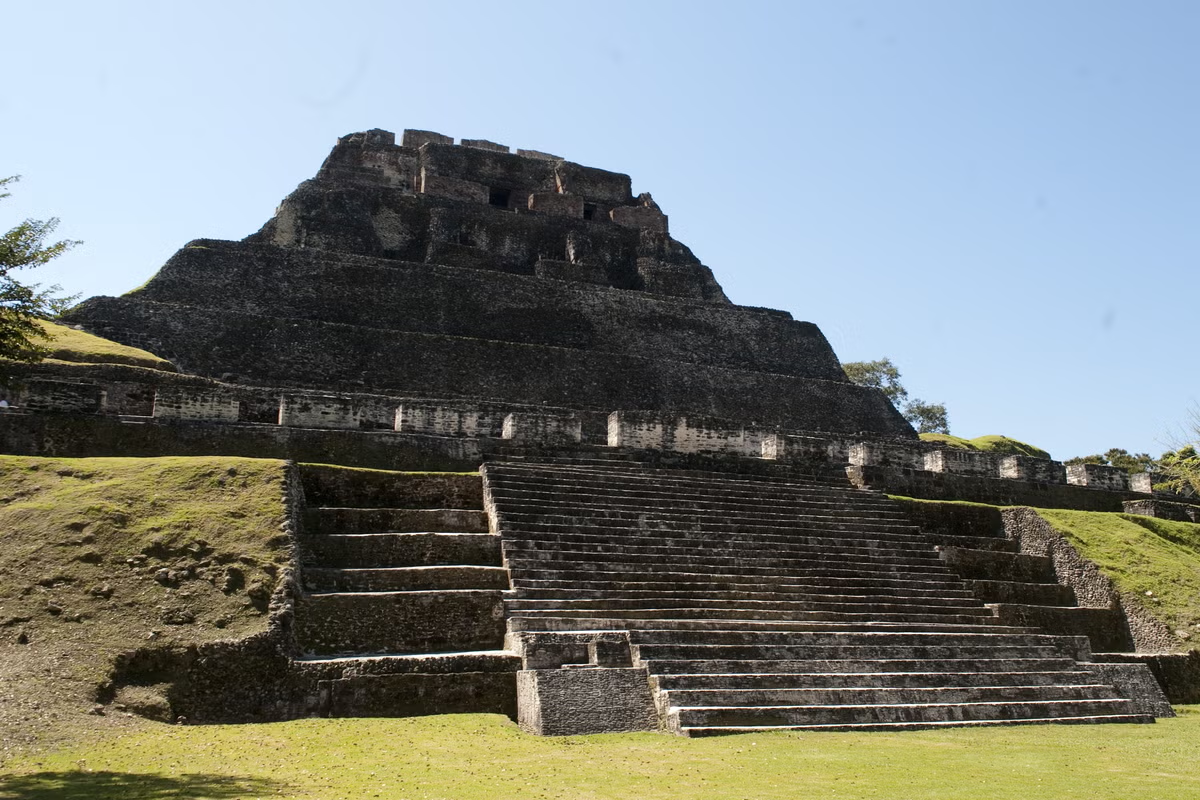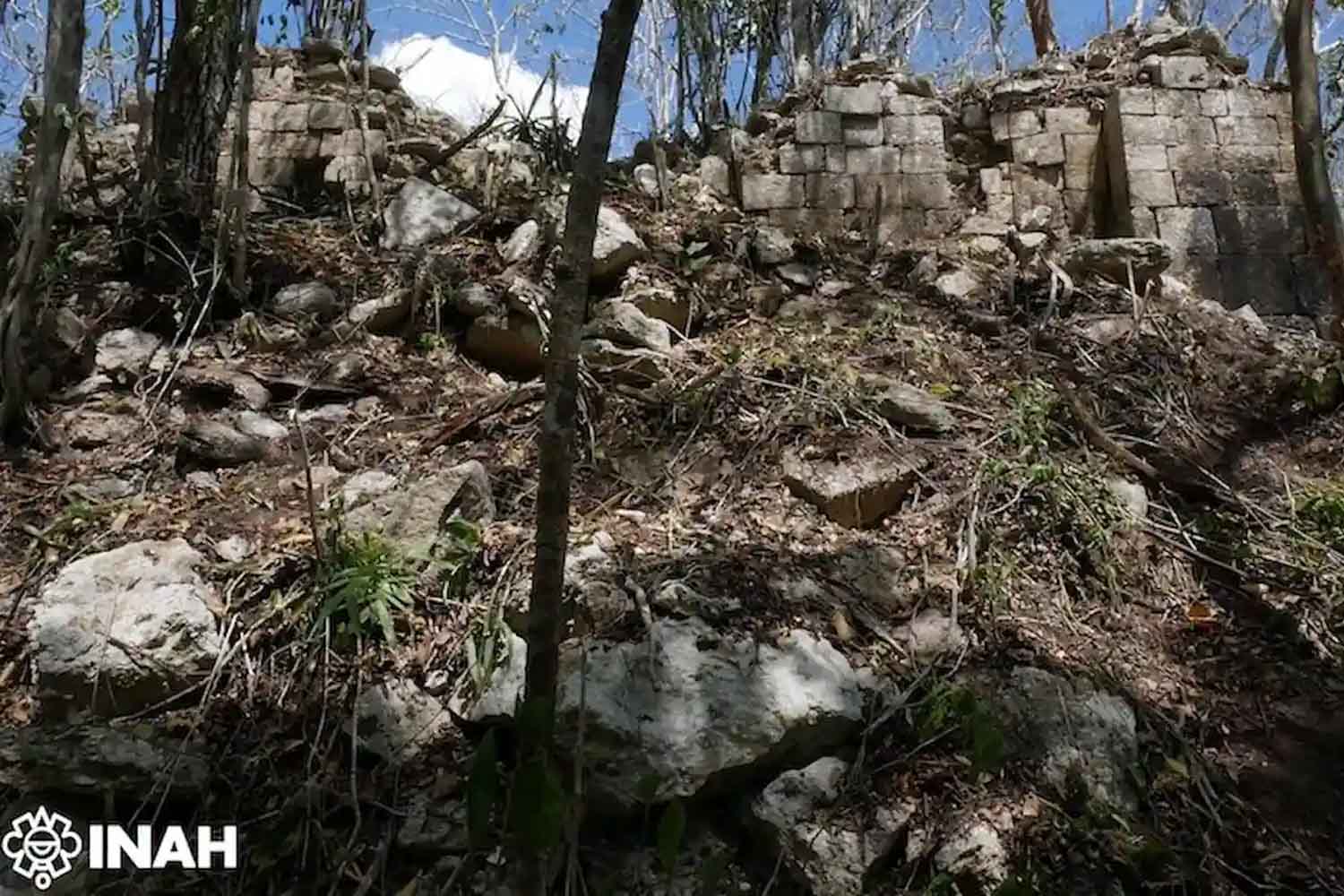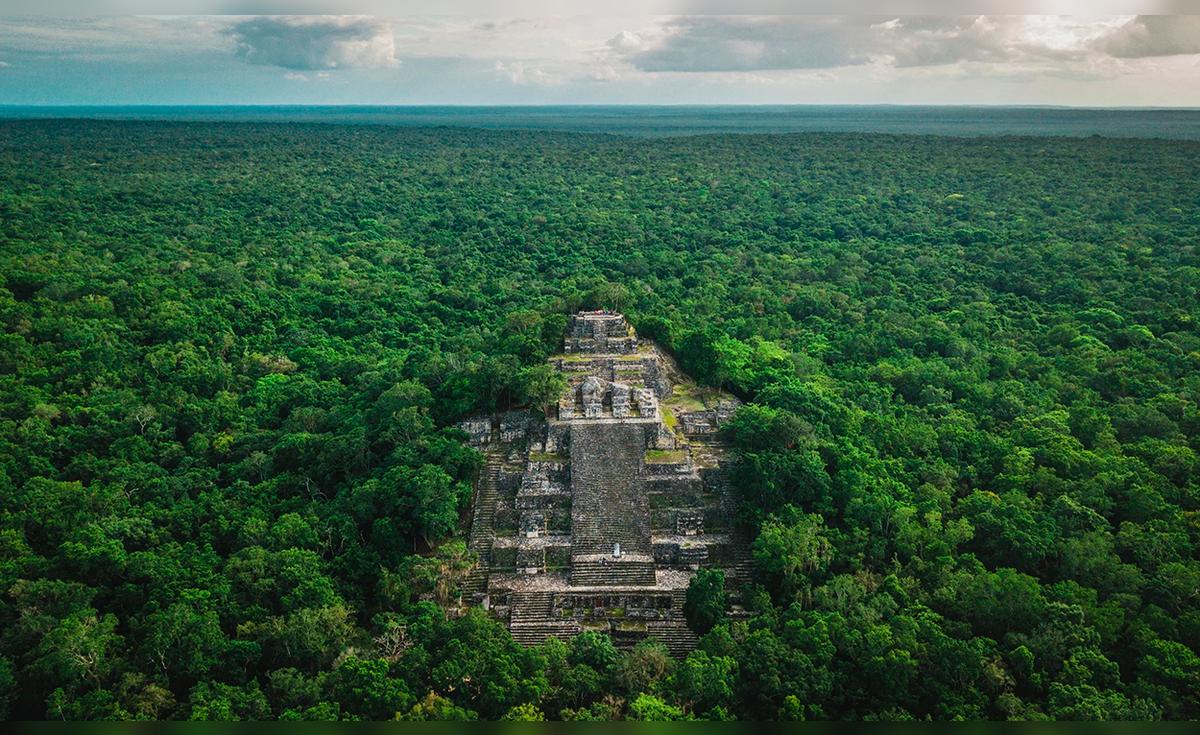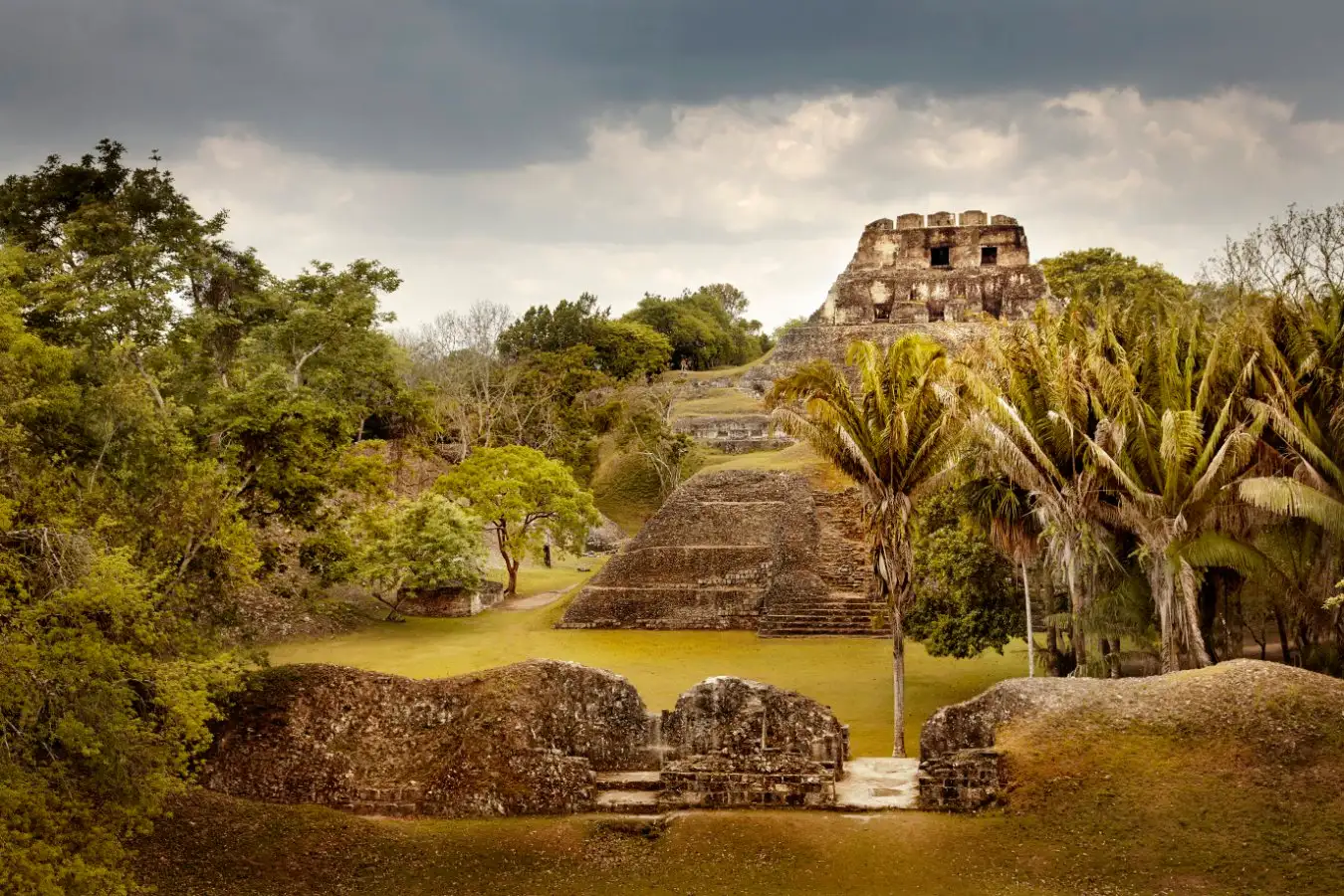
The Mayan site of Xunantunich in BelizeMichael Robinson/Getty Images
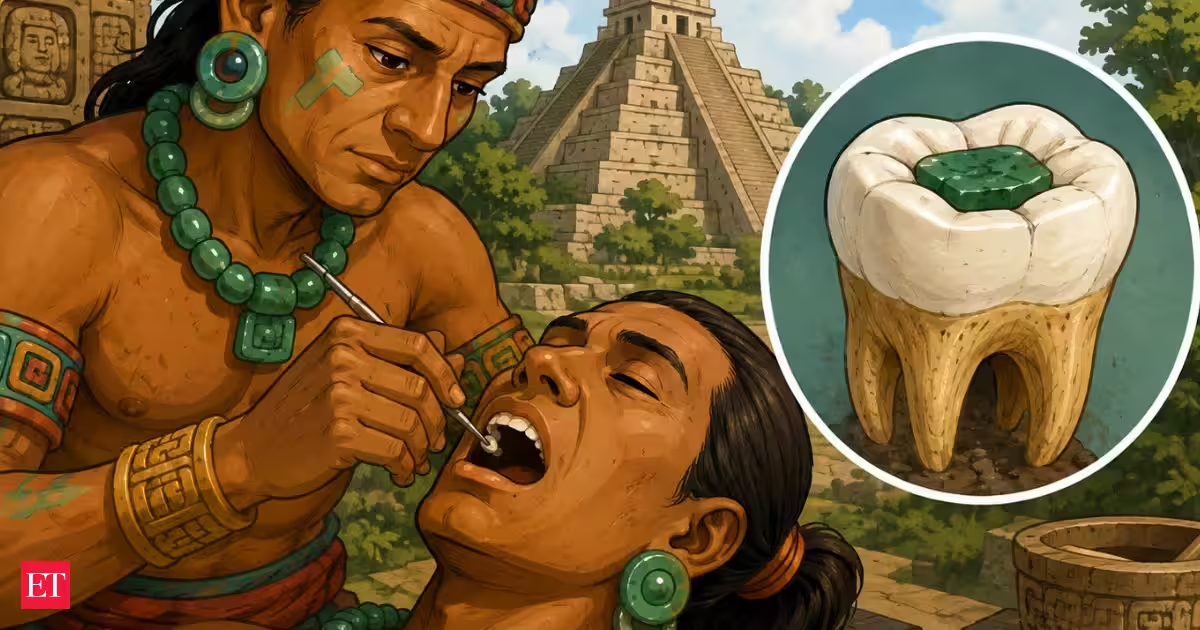
The teeth of some important members of the Maya civilisation were removed and kept in a cave far from their tombs. It may have been done to venerate ancestors or ensure they made it to the underworld.
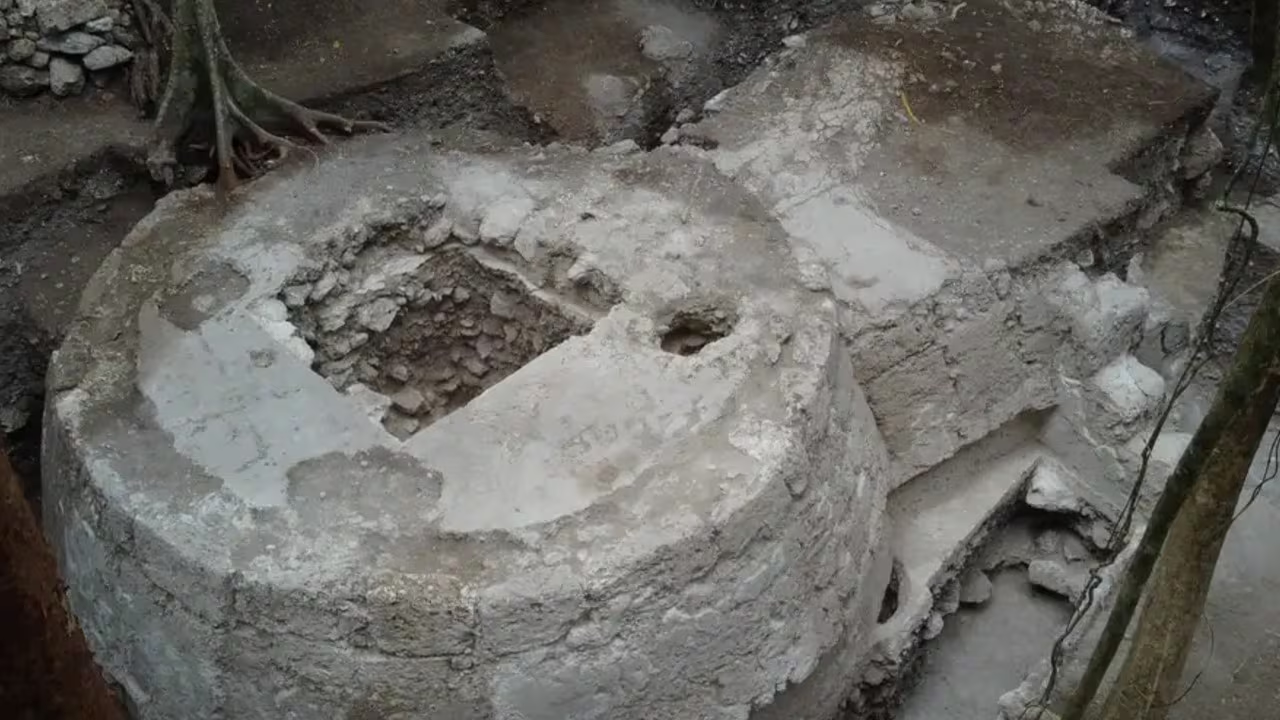
During the Classic period (AD 250-900), Maya communities lived in cities spread across what is now southern Mexico, Guatemala, Belize and northern Honduras. They spoke many languages, but were unified by a political and religious system in which lineage and rituals legitimised power. As such, the dead were important, and the living often kept the remains of many deceased relatives nearby, under the floors of the house or within the walls.
Esther Brielle at Harvard University and her colleagues studied remains at numerous burial sites in Belize from the Classic period to investigate how some of the buried people related to each other. They generated genomic data from hundreds of samples and used radiocarbon dating to work out when each person lived.
They found that 341 samples relate to 107 distinct individuals, and 24 of these individuals had skeletal elements found in two places: in the Plaza Tomb, beneath a house in the Maya site known as Muklebal Tzul, and in Bats’ub cave, 26.5 kilometres away on the other side of the Maya mountains.