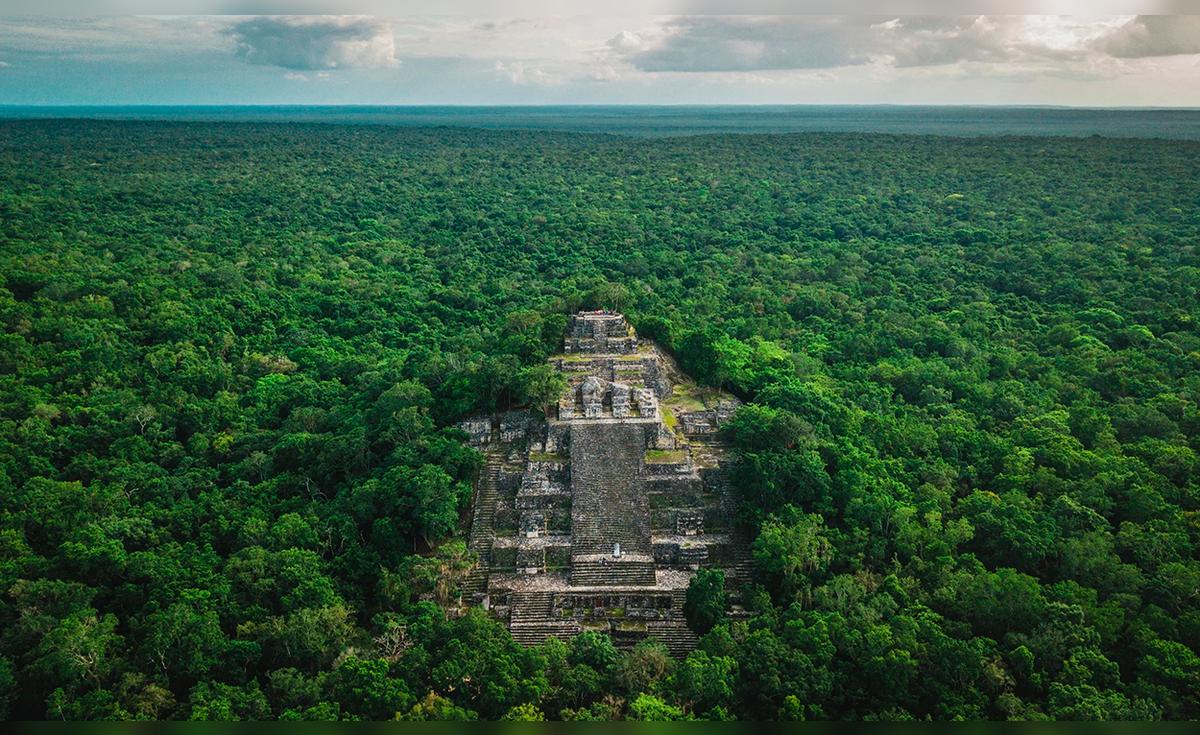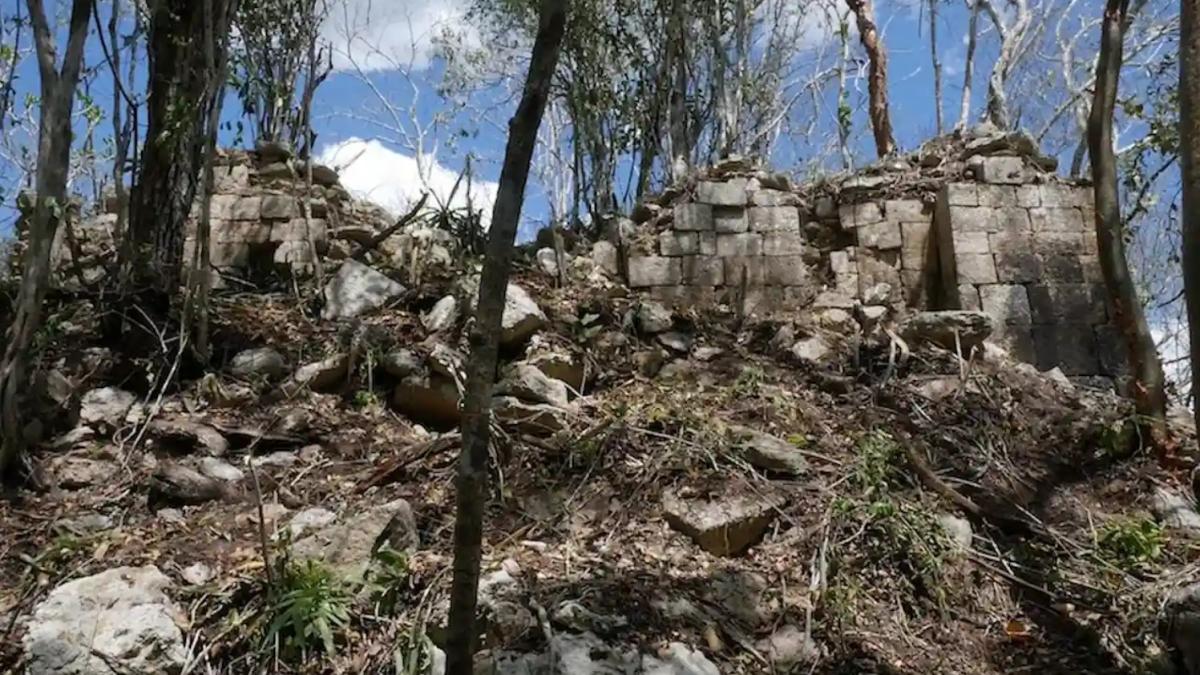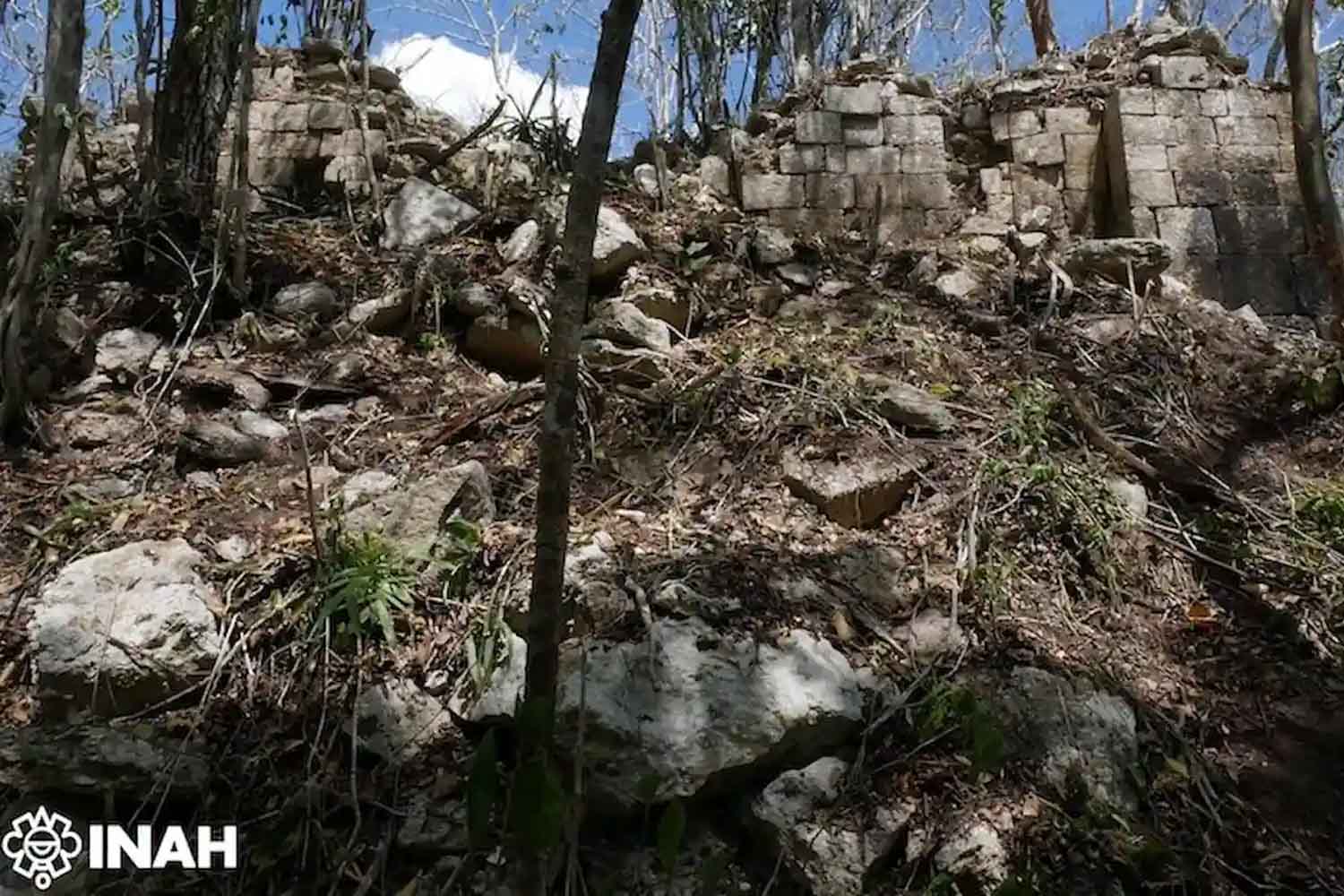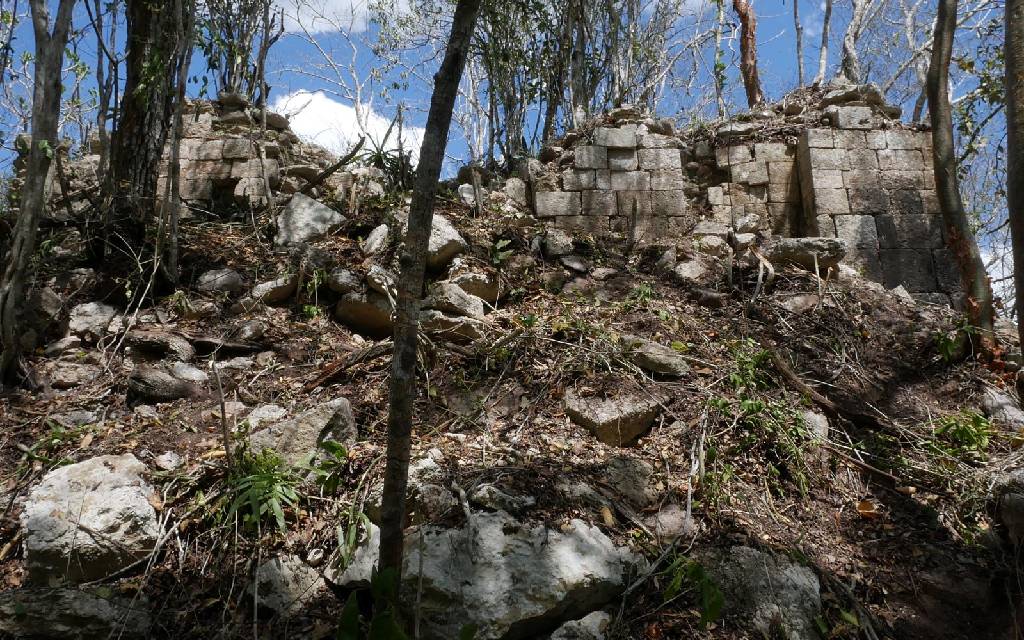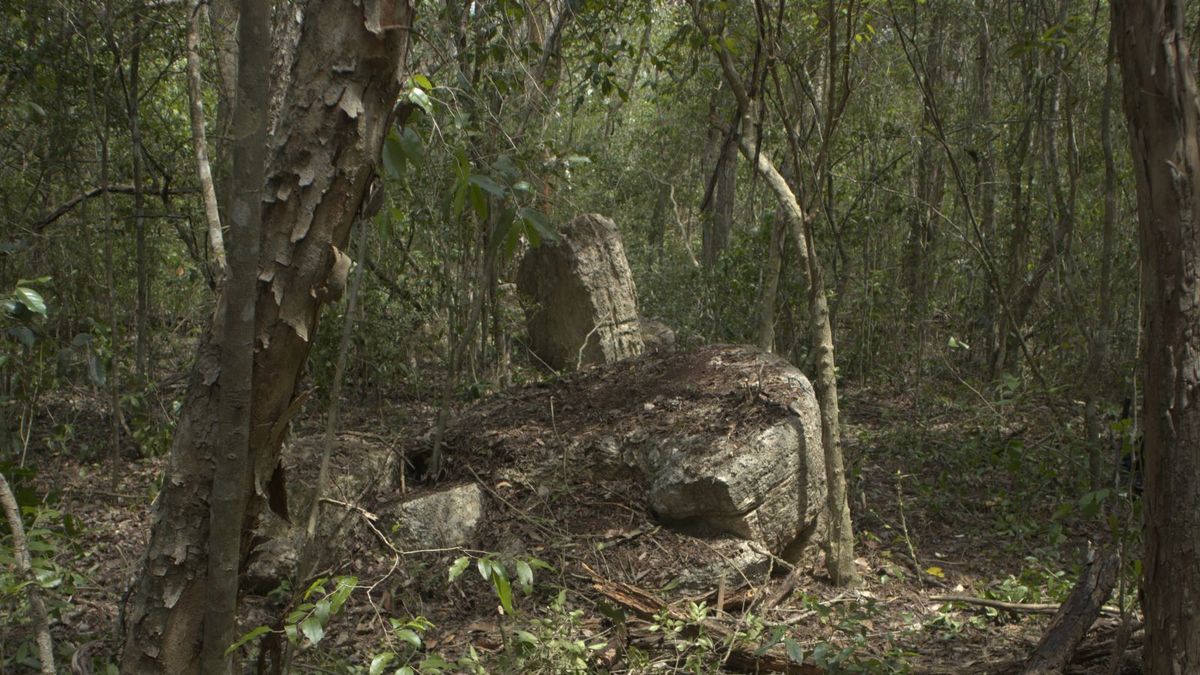
A joint Slovenian-Mexican archeological team has discovered an undisturbed Mayan city in a remote area of Campeche, Mexico. Located deep within the jungles of the Calakmul Biosphere Reserve, the city—which the researchers have named “Minanbé,” a Maya Yucatec phrase meaning “there is no road”—had been hidden by vegetation for over a thousand years.
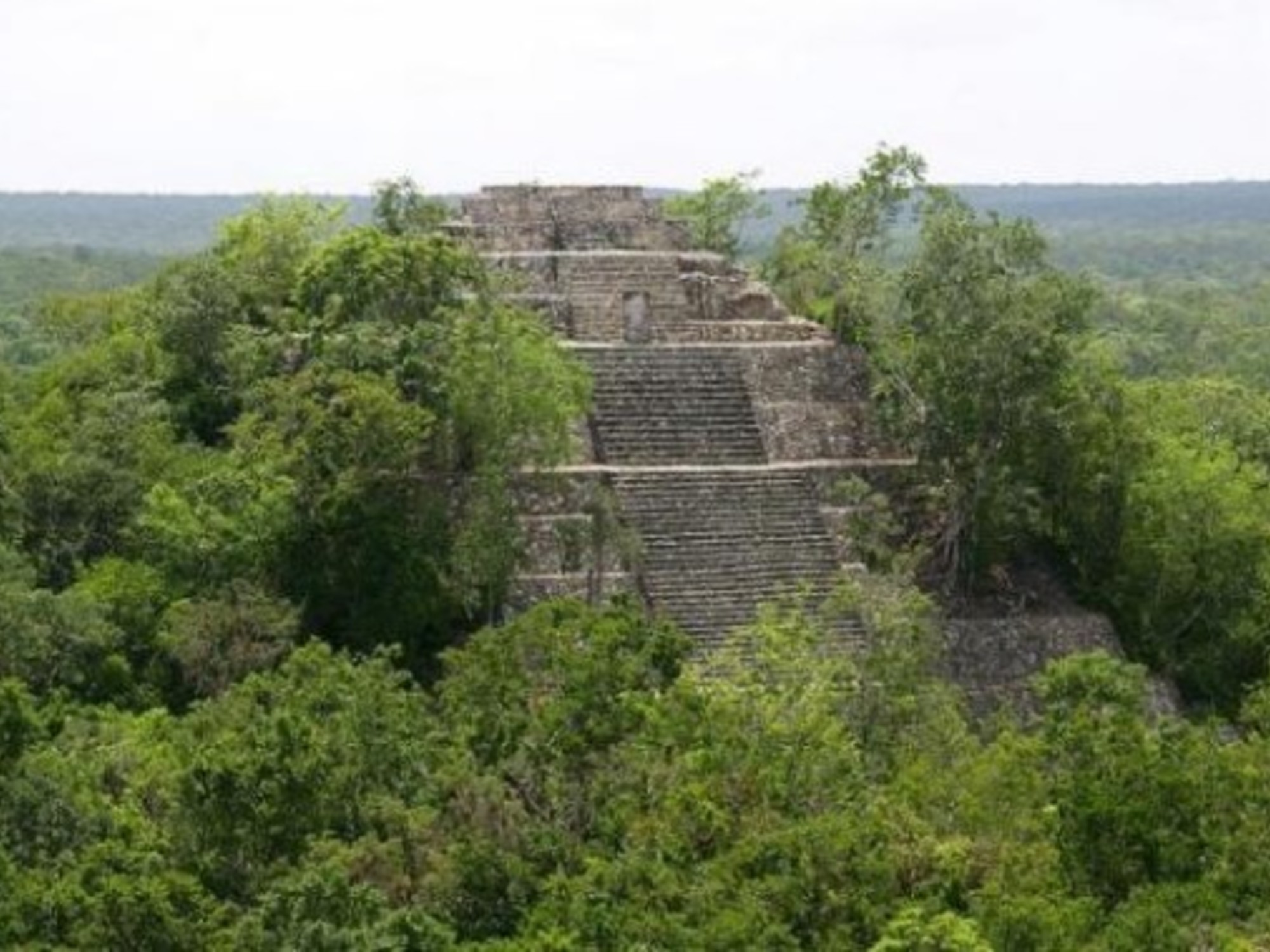
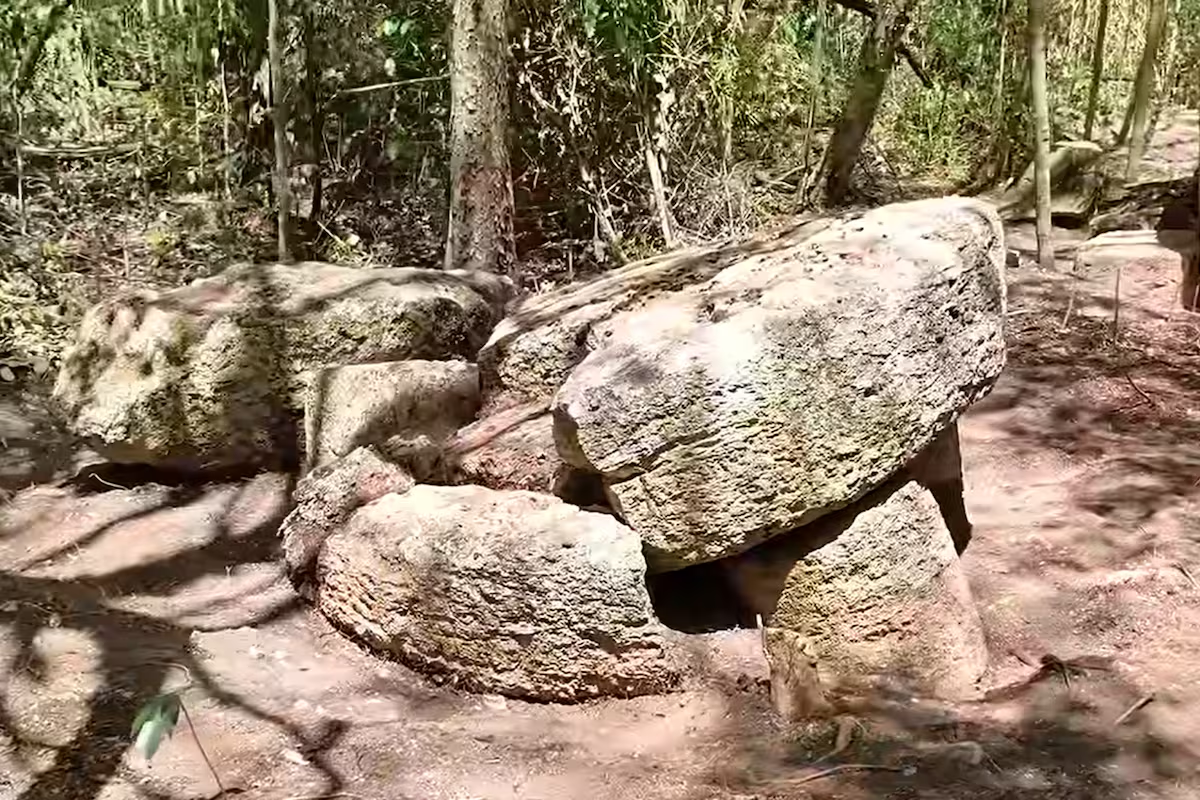
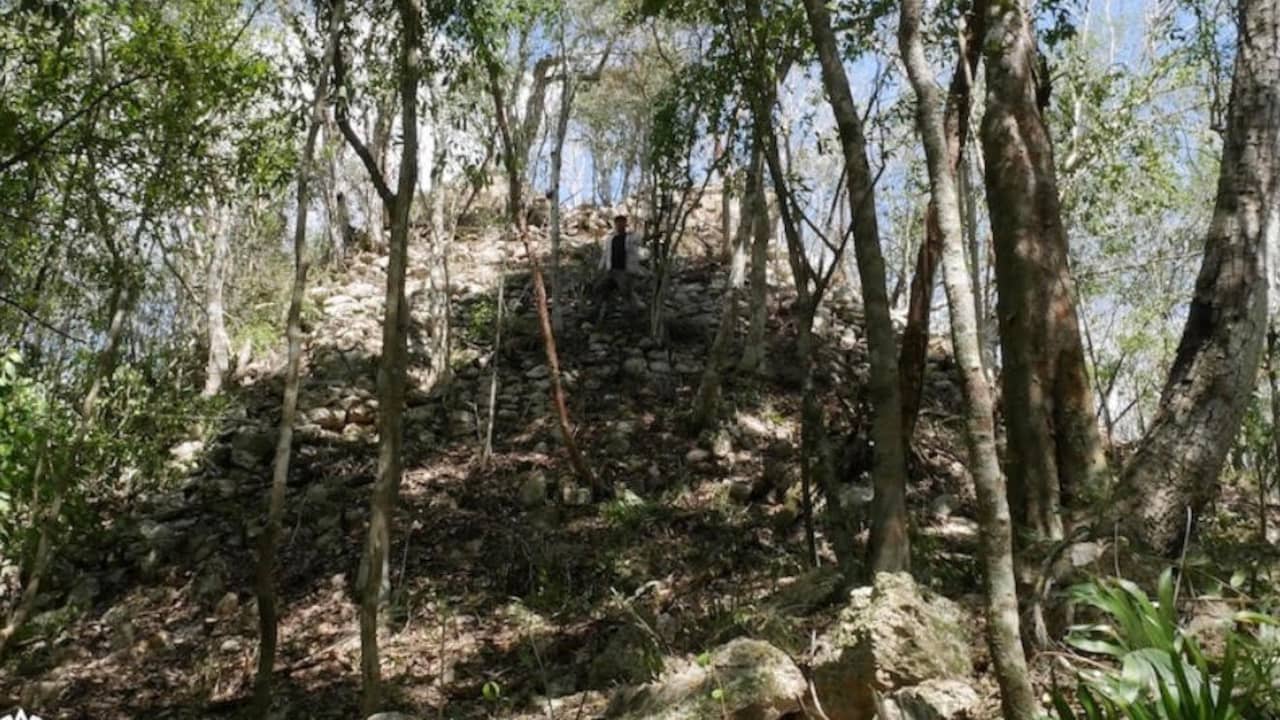
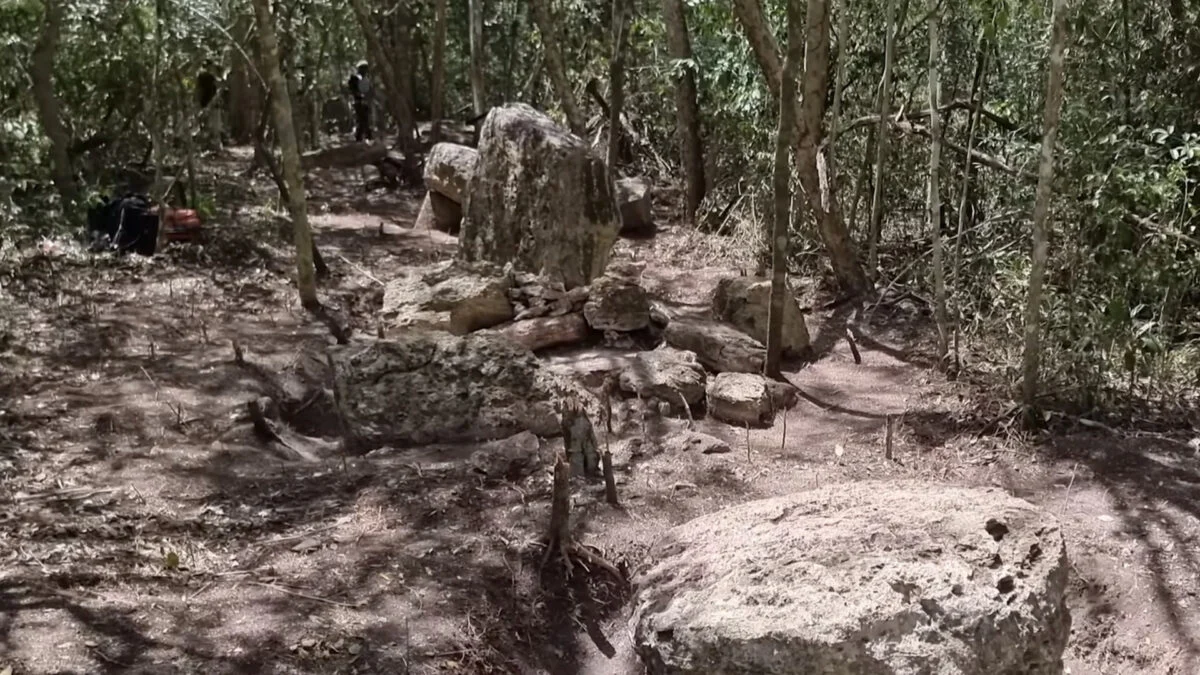
The site features a 43-foot-high pyramid temple (about the height of a four-story apartment building), and 14 carved altars and stelae, according to Mexico’s National Institute of Anthropology and History (INAH), which authorized the expedition. The discovery is the culmination of lead archaeologist Ivan Šprajc’s three-decade-long exploration of the Central Maya Lowlands, home to between 9 and 11 million people during the Maya civilization’s Late Classic period (600–900 CE).
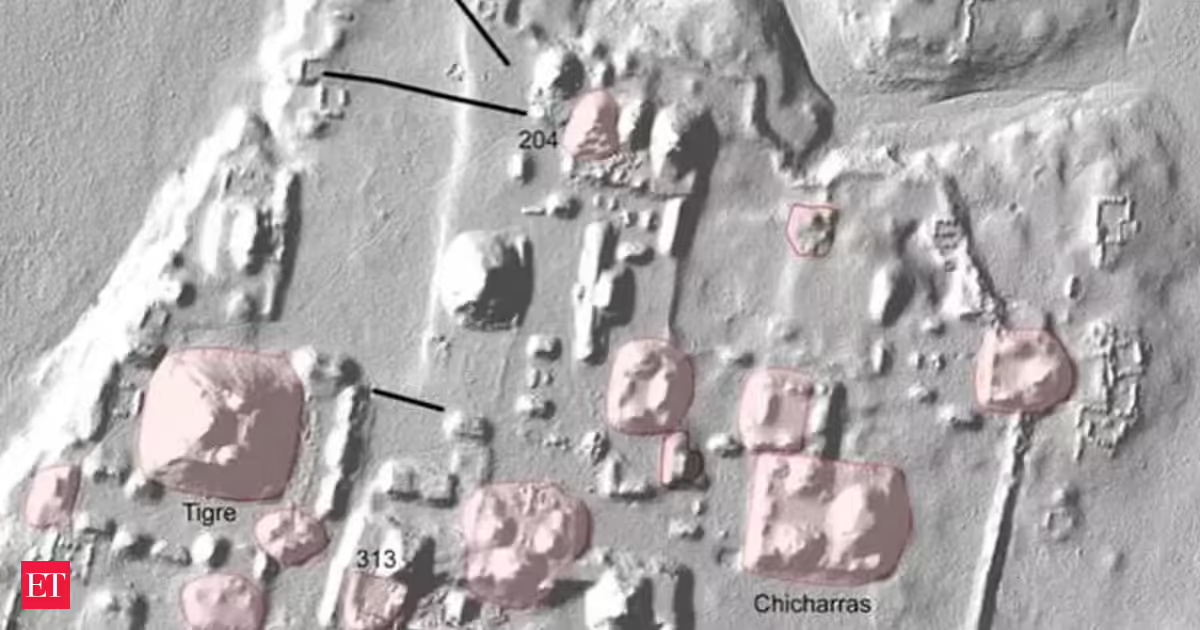
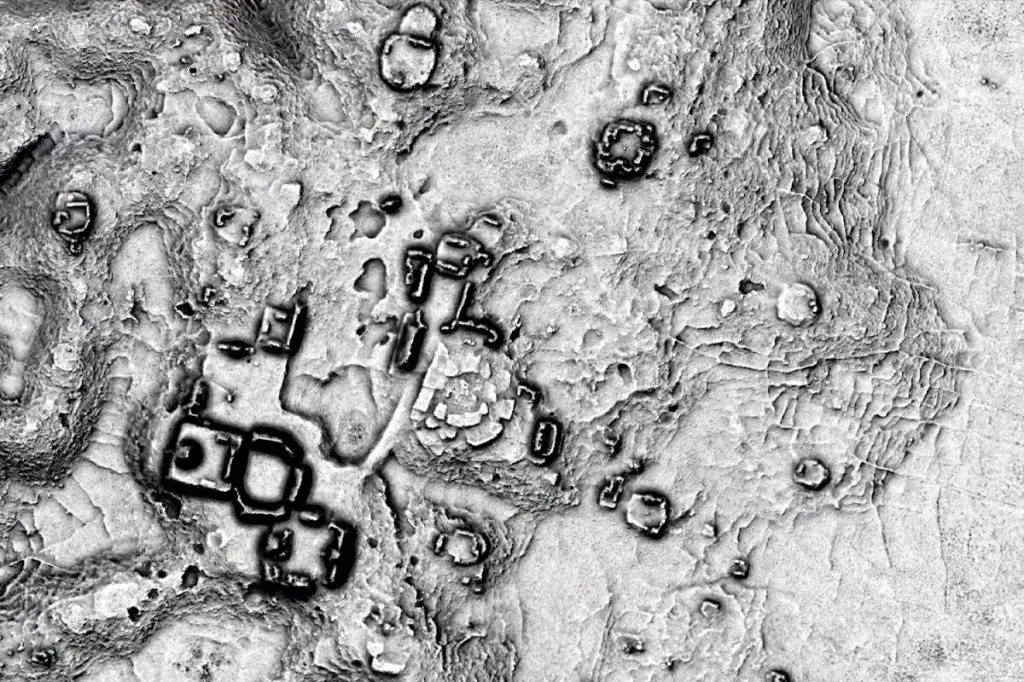
This year’s expedition followed on the team’s discovery, in 2013, of the Mayan city of Chactún. Airborne LiDAR mapping of the area had shown a 37-acre urban center under the forest canopy just east of Chactún, with squares surrounded by palaces and temples, terraces, and hydraulic channels.
To conduct a surface reconnaissance of Minanbé, the archaeologists and community workers cleared a path with machetes for three miles, then advanced on foot and by ATVs to the site. The absence of old logging roads leading there was a good sign, said Šprajc. “Compared to other places where we did surface surveys,” he noted, “access here was much more difficult; however, in the last three years, this is the first one we’ve found intact, with no signs of looting.”