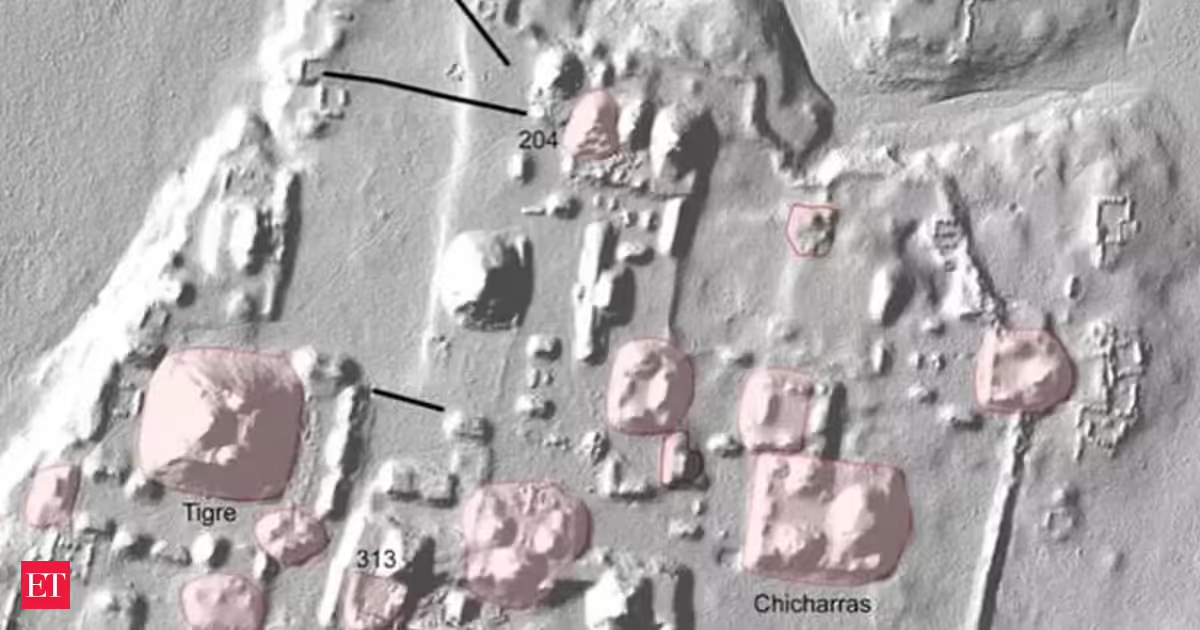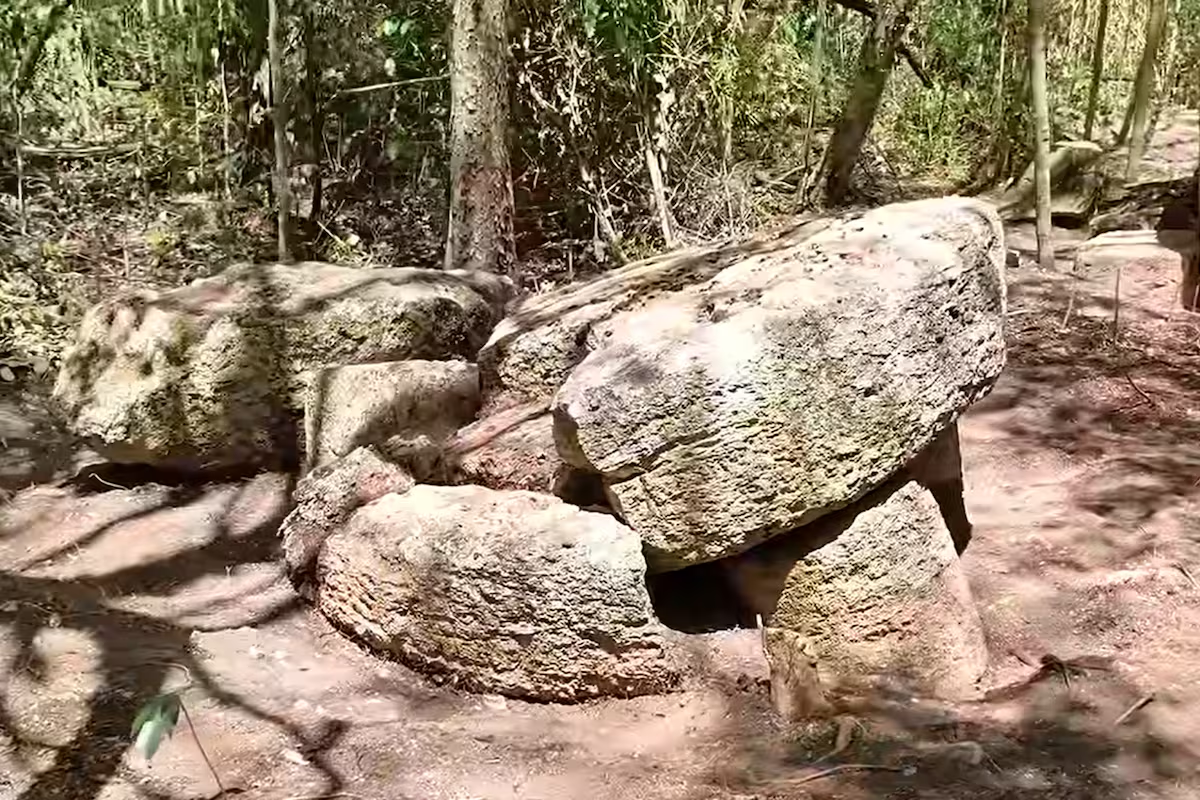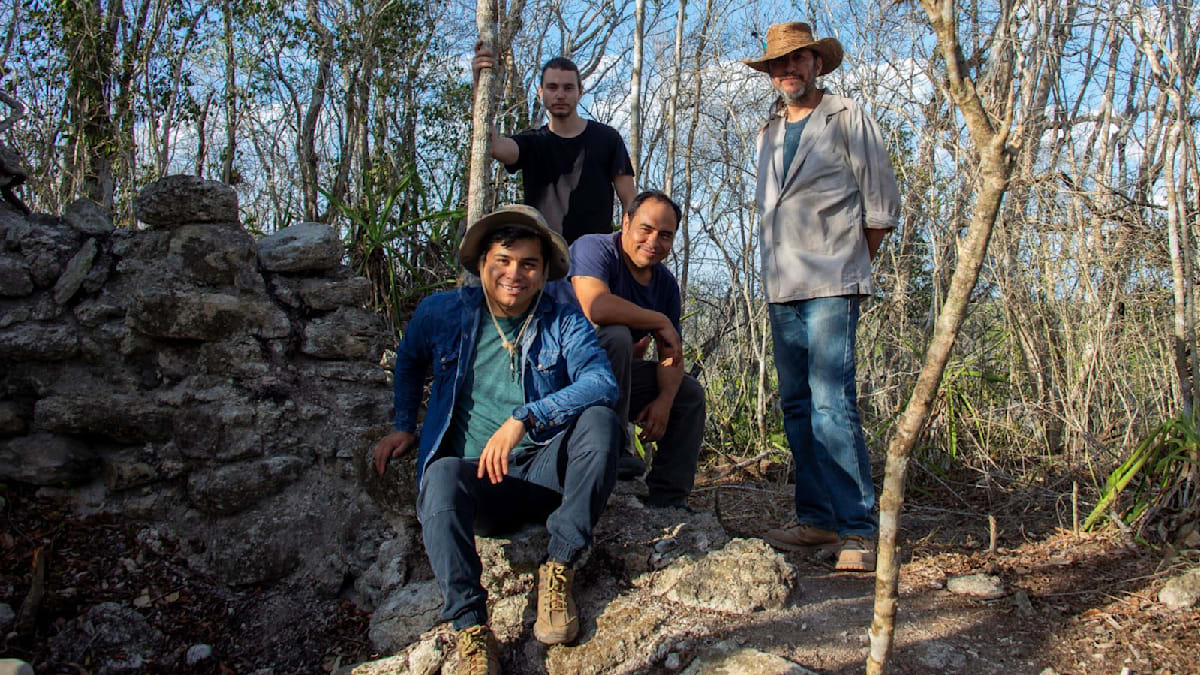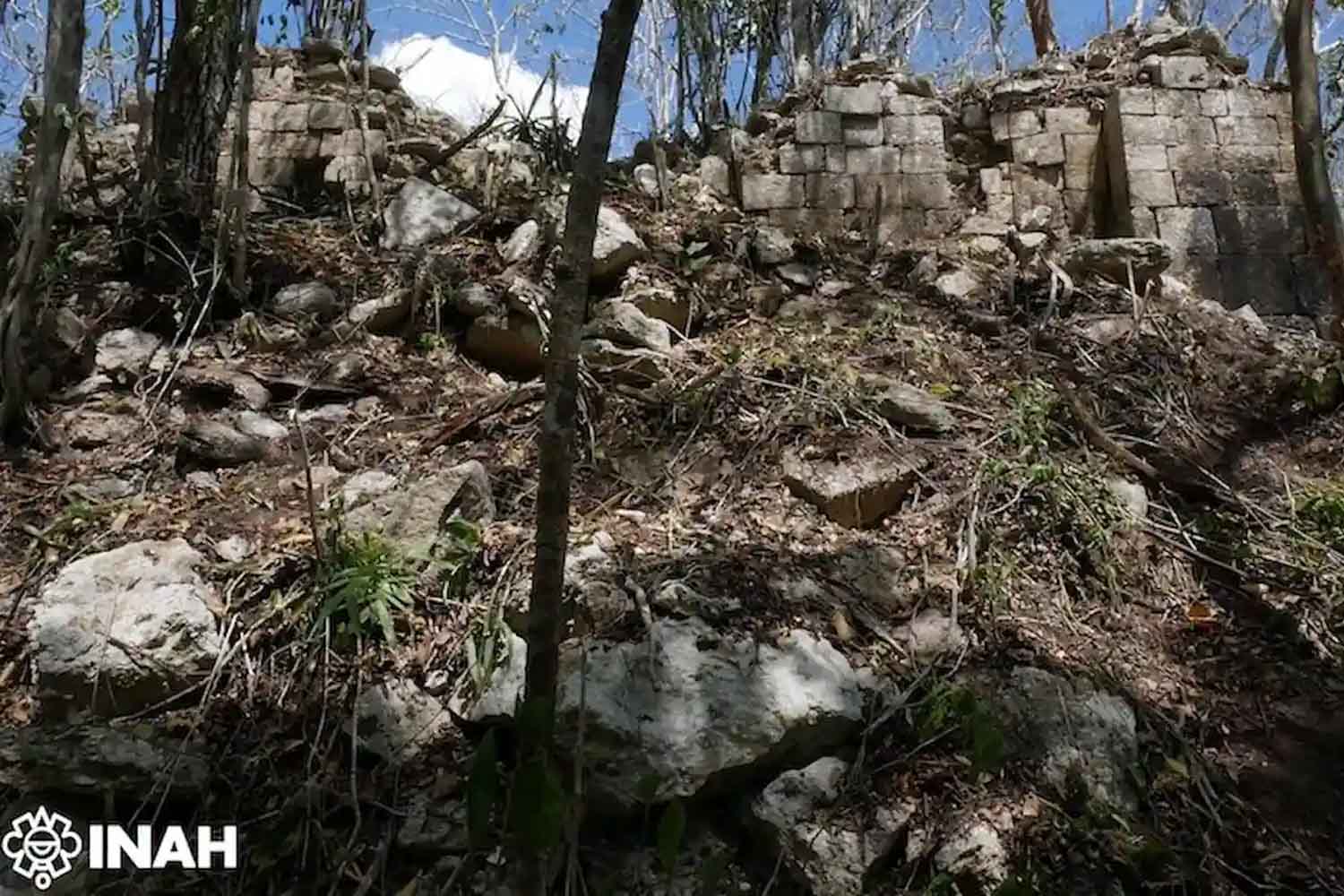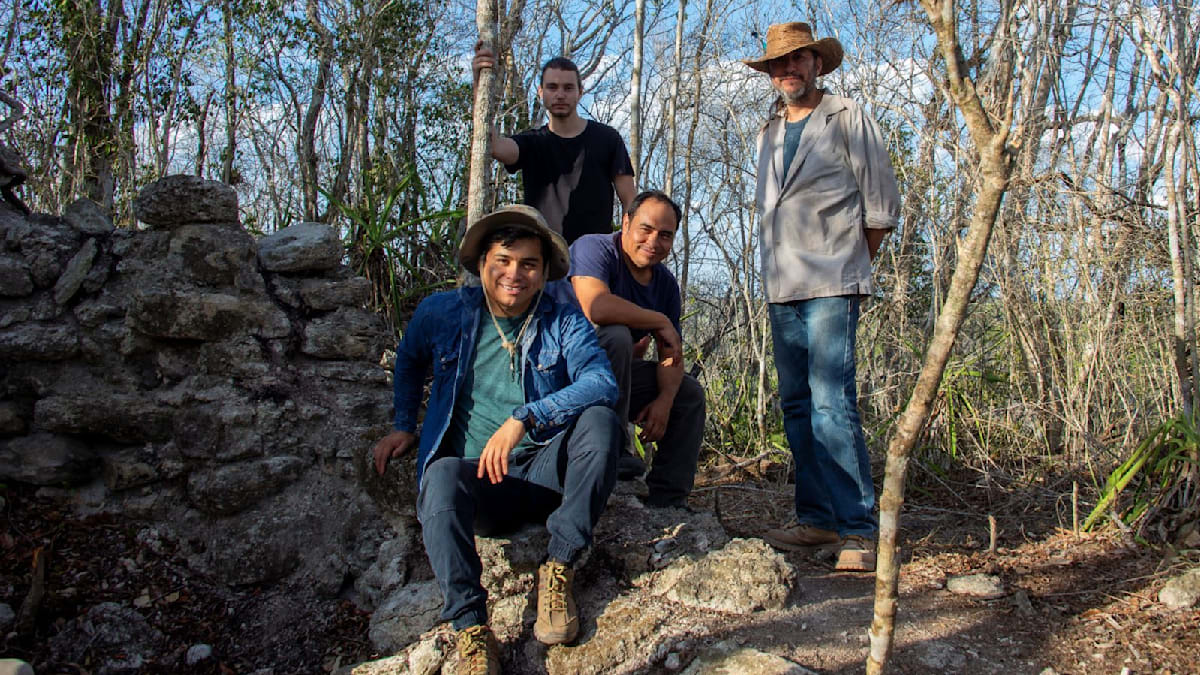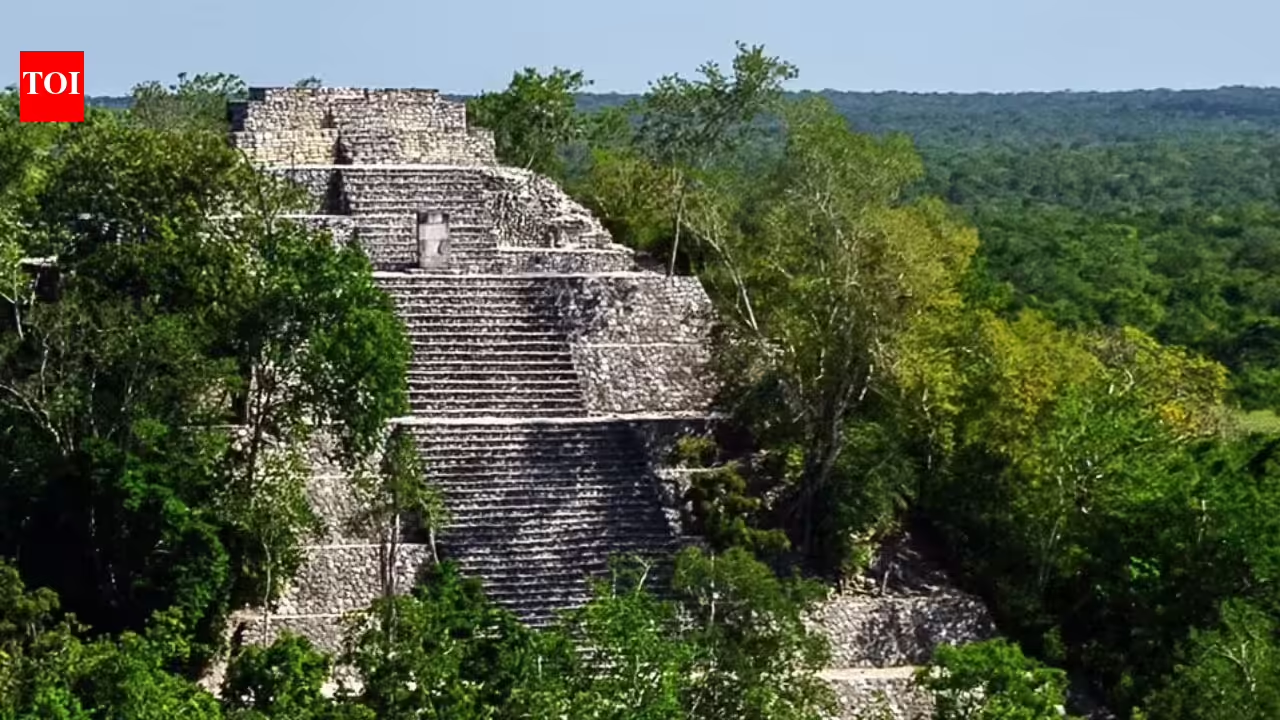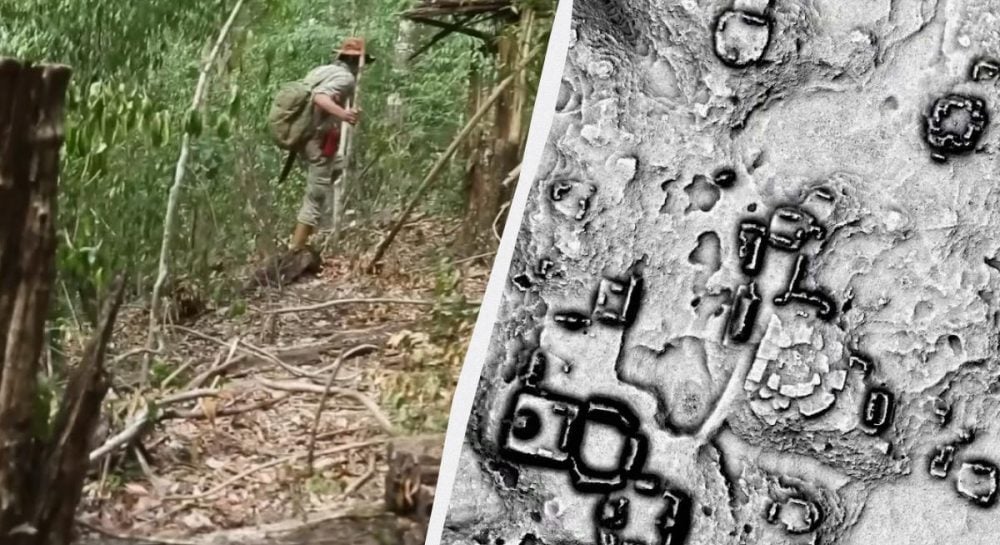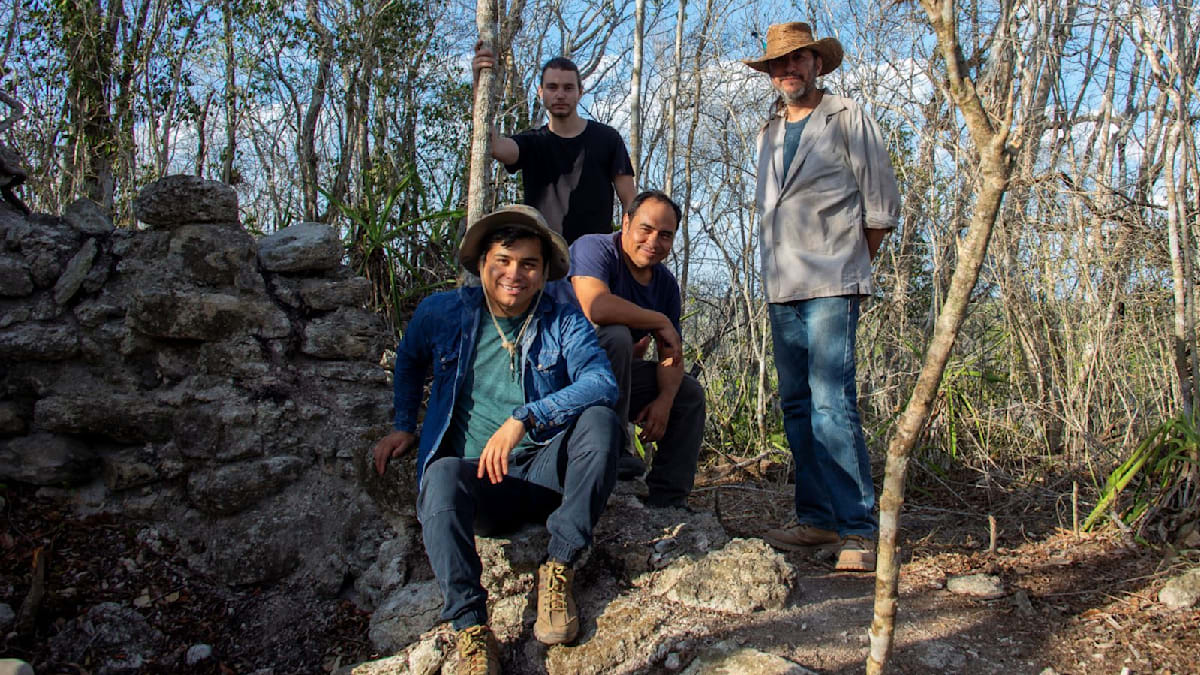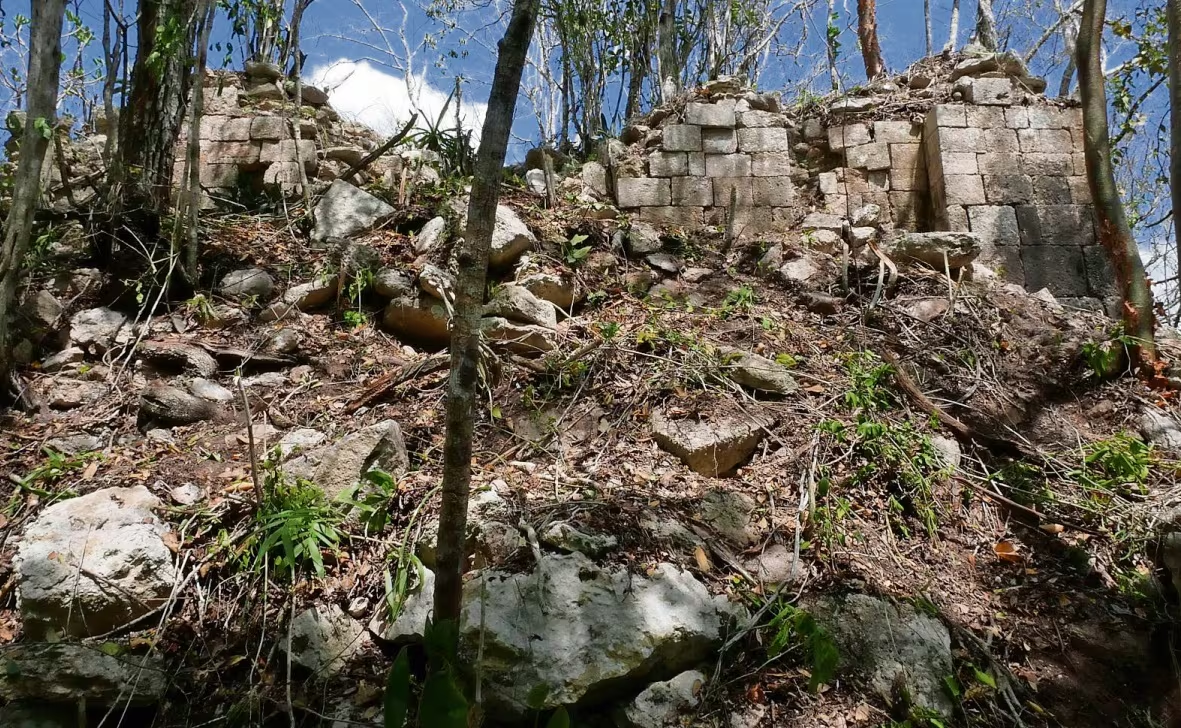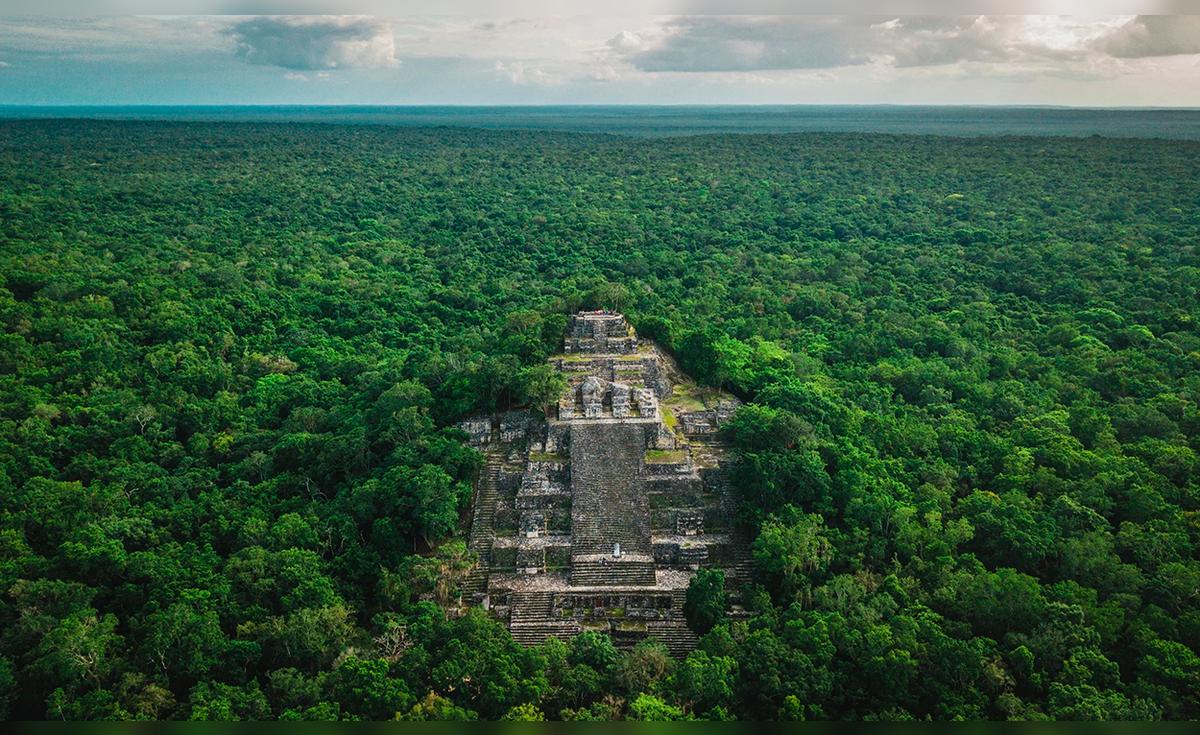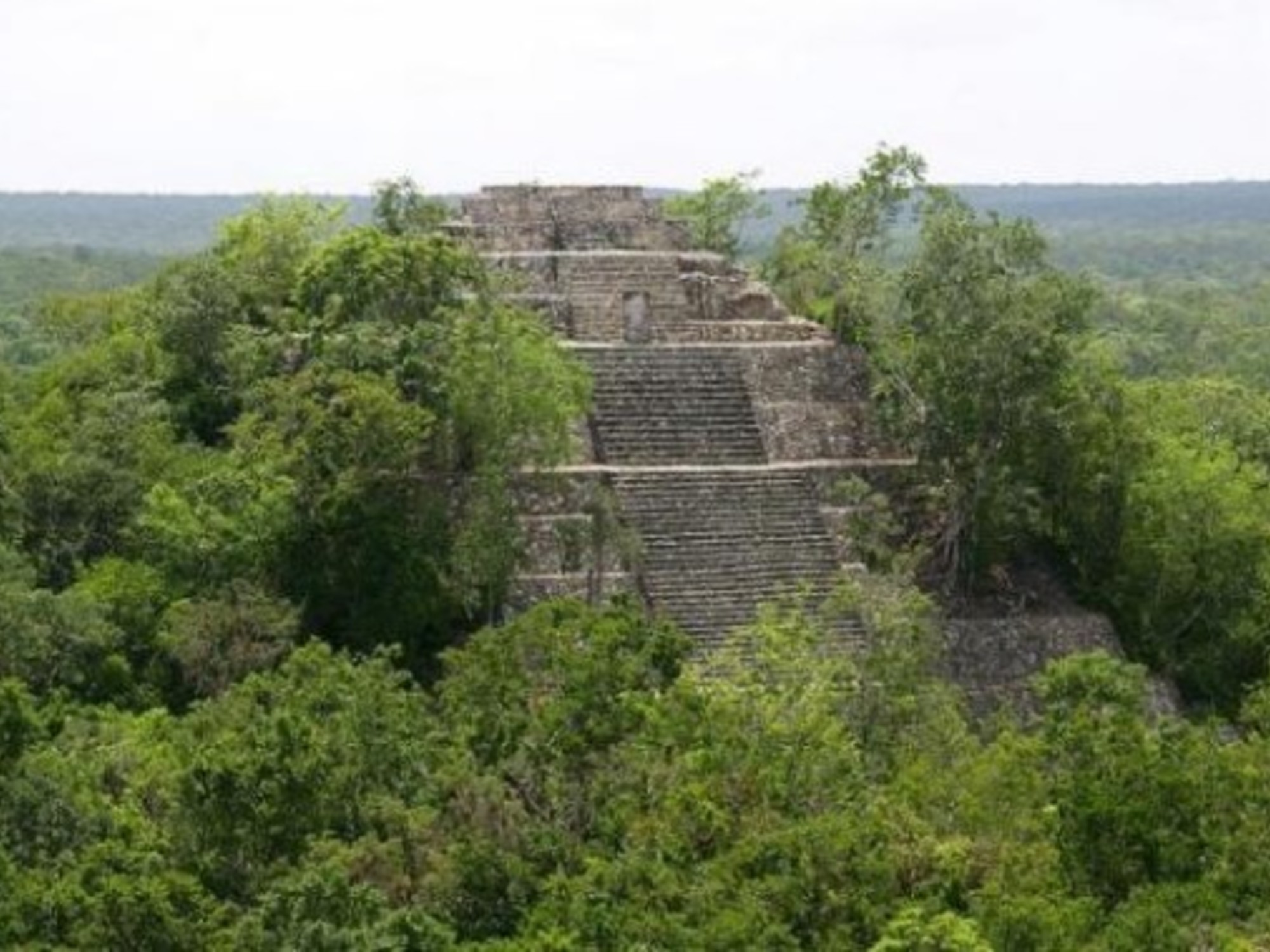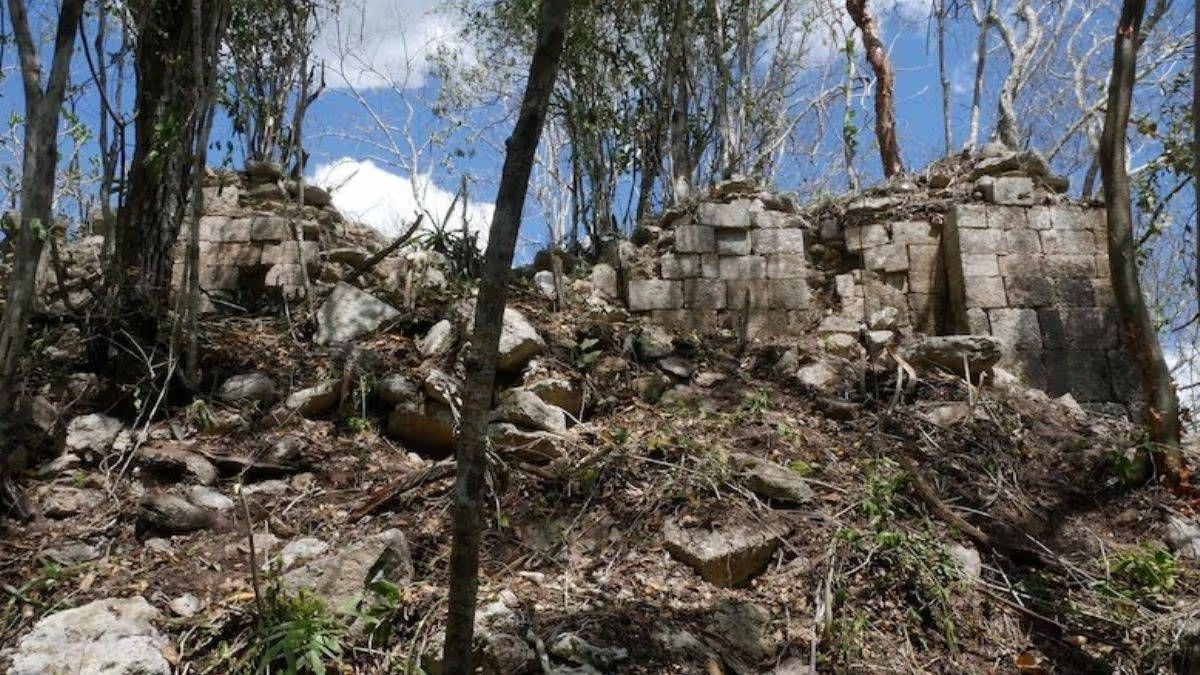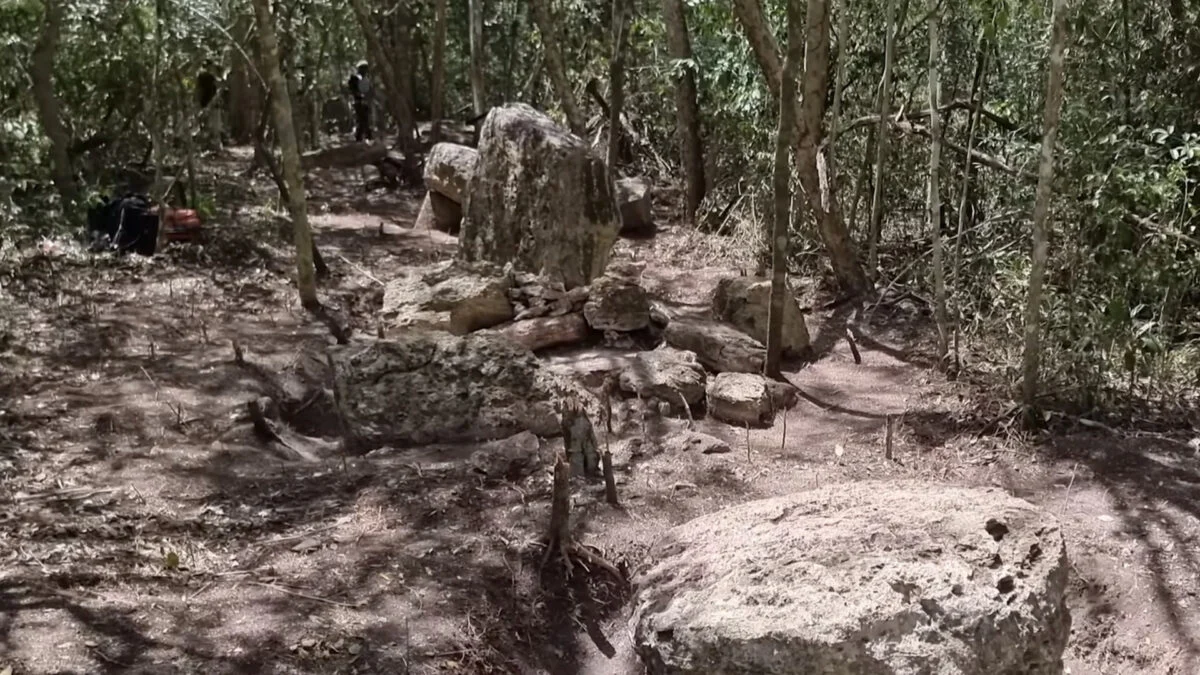
For thousands of years, the Maya civilization exerted its influence over Mesoamerica—so much so that, to this day, lost Maya cities keep turning up in unexpected places. And the latest such discovery might be among the most well-preserved sites yet. In a recent statement, Mexico’s National Institute of Anthropology and History (INAH) reported the discovery of a lost Maya city hidden deep within the Calakmul Biosphere Reserve in southern Mexico. Archaeologists behind the findings named the place “Minanbé,” which means “there is no path” in Yucatec Maya. Indeed, the team had to hack through thick vegetation to reach the site, and its remoteness kept it surprisingly intact and safe from looters. “Compared to other places where we did surface surveys, access here was much more difficult,” Ivan Šprajc, an archaeologist at the Institute of Anthropological and Spatial Studies in Slovenia, said in the statement (translated via Google Translate). “However, in the last three years, this is the first one we’ve found intact, with no signs of looting. It was a discovery, a great surprise for us.”
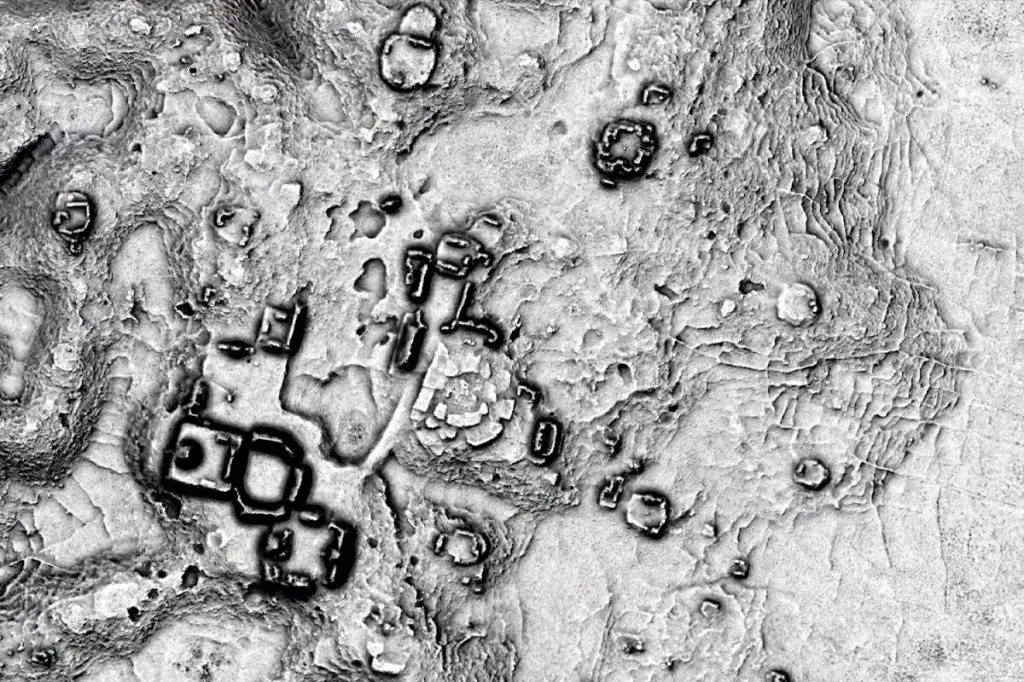
Above and down under The discovery comes from an older initiative backed by the INAH. Years before, archaeologists with the project conducted overhead LiDAR surveys of selected portions of the Yucatán Peninsula, according to an INAH video on the findings. Then, the team visited regions with promising signatures between 2023 and 2024, but to no avail.