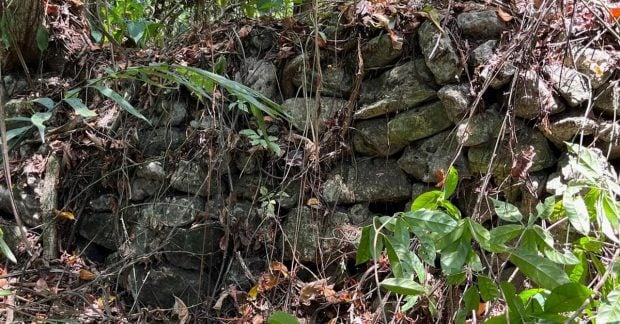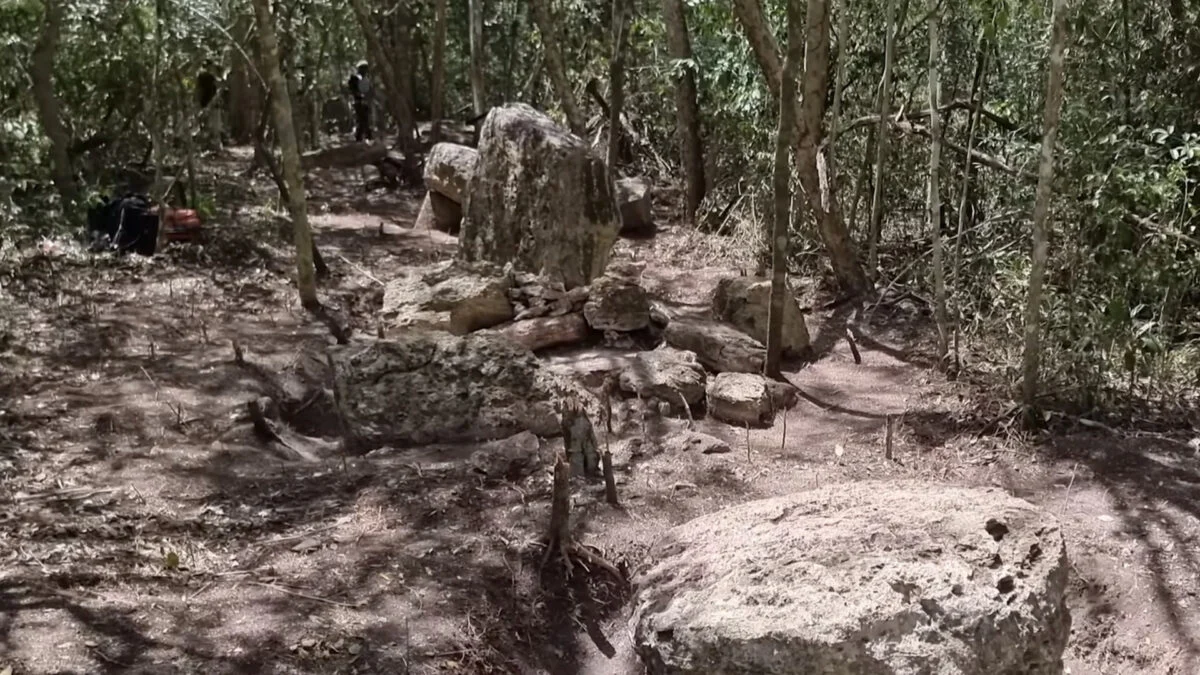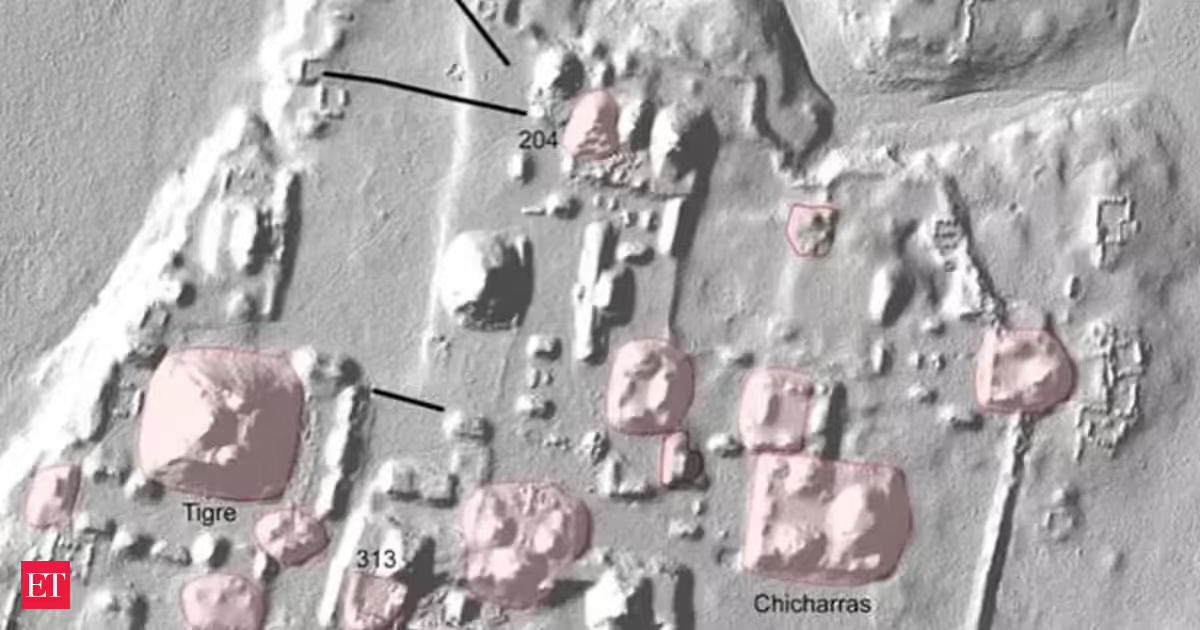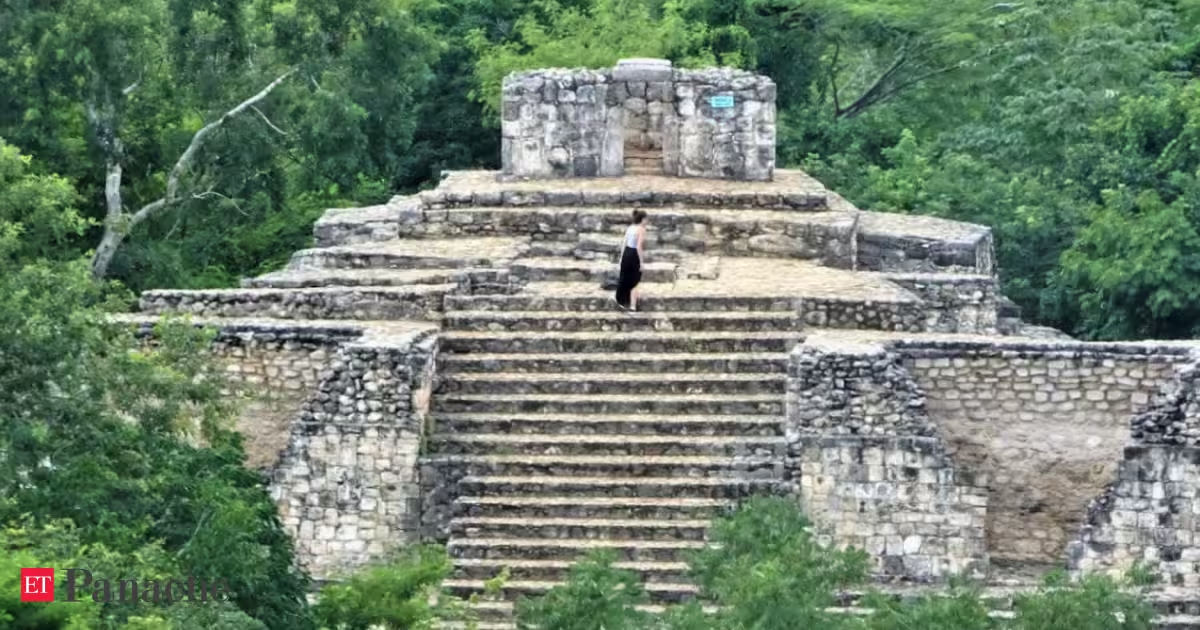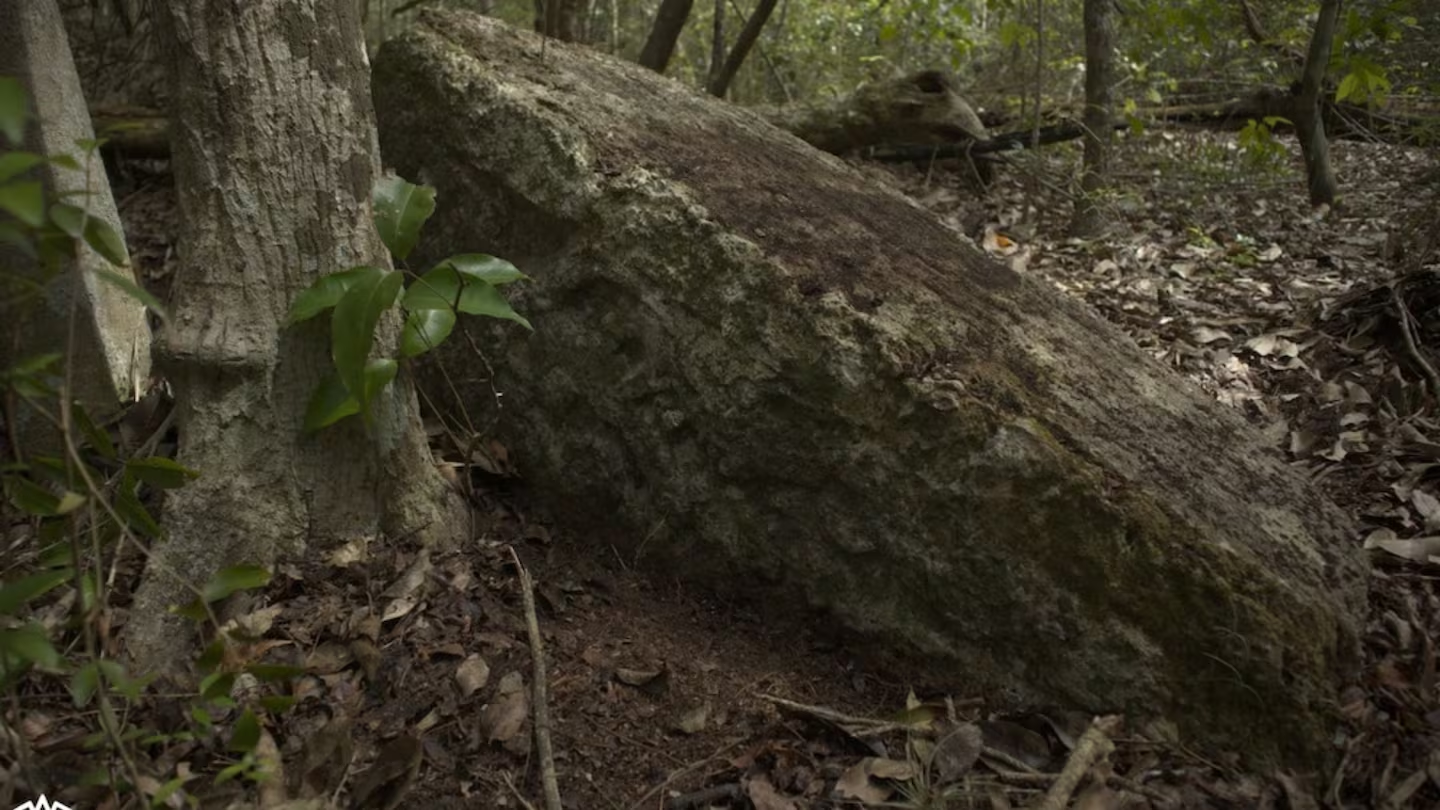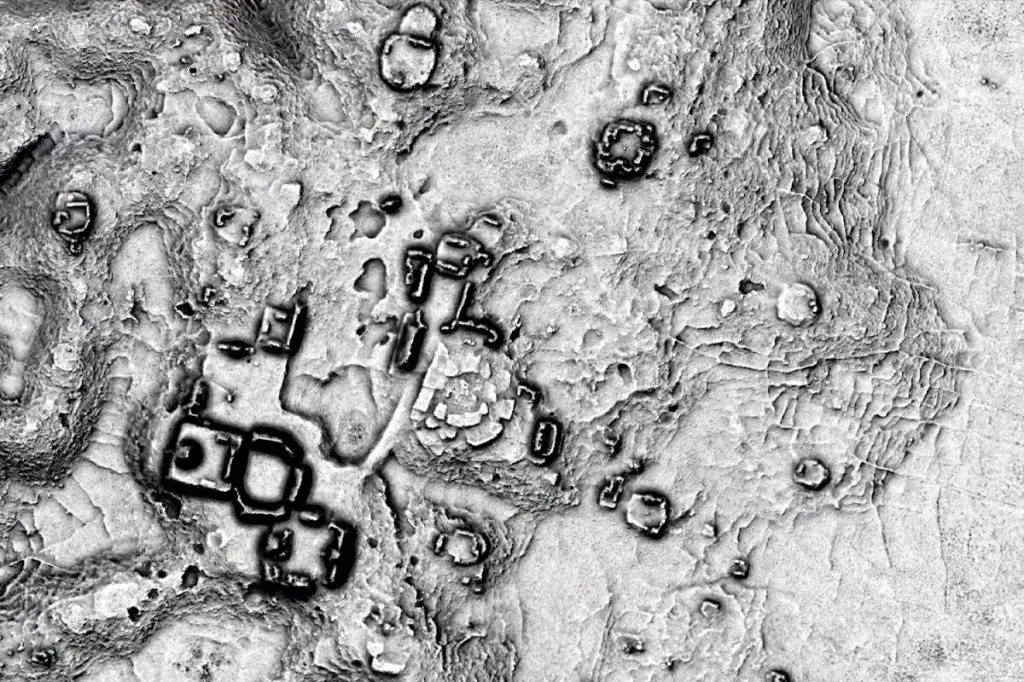
A team of archaeologists have uncovered new evidence that a site in a remote corner of the Mexican jungle may be the long-lost Maya city of Sac Balam, which served as a final stronghold following the Spanish conquest.
The discovery, presented at a recent meeting of the Society for American Archaeology, could offer a remarkable window into life during the twilight hours of Maya civilisation.
“I would imagine life in Sac Balam was not easy,” Dr Yuko Shiratori, an archaeologist at Japan’s Rissho University who led the work, told BBC Science Focus. “The documents say there were more than 100 houses in 1694.”
Sac Balam, which literally means “white jaguar” in the Mayan language, was founded in 1586 by the Lakandon Chʼol as a refuge following the sacking of their regional capital, Lakam Tun, by the Spanish.
Mayan life continued at the site for more than 100 years until it finally succumbed to the Spanish in 1695. By 1712, the city lay abandoned.