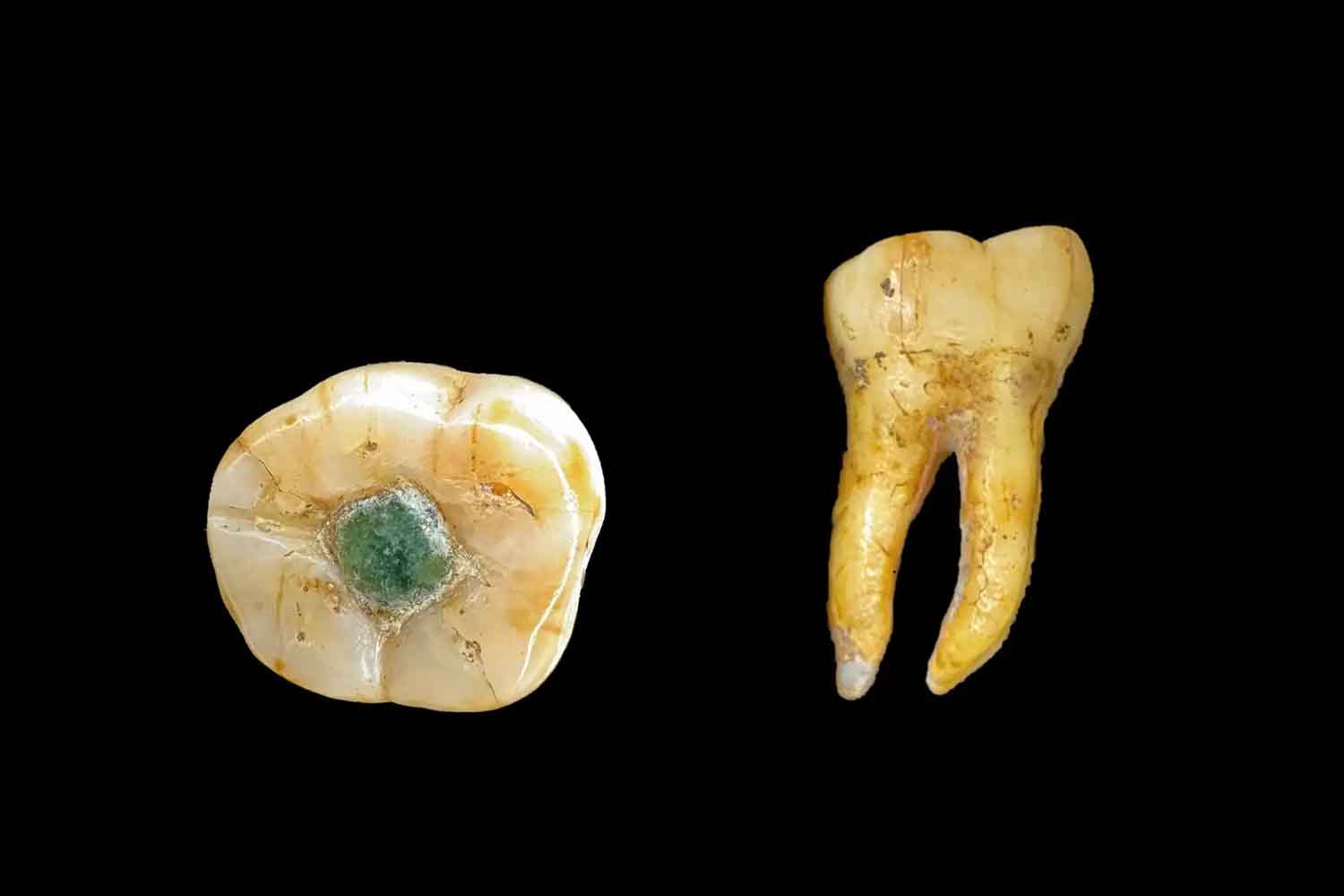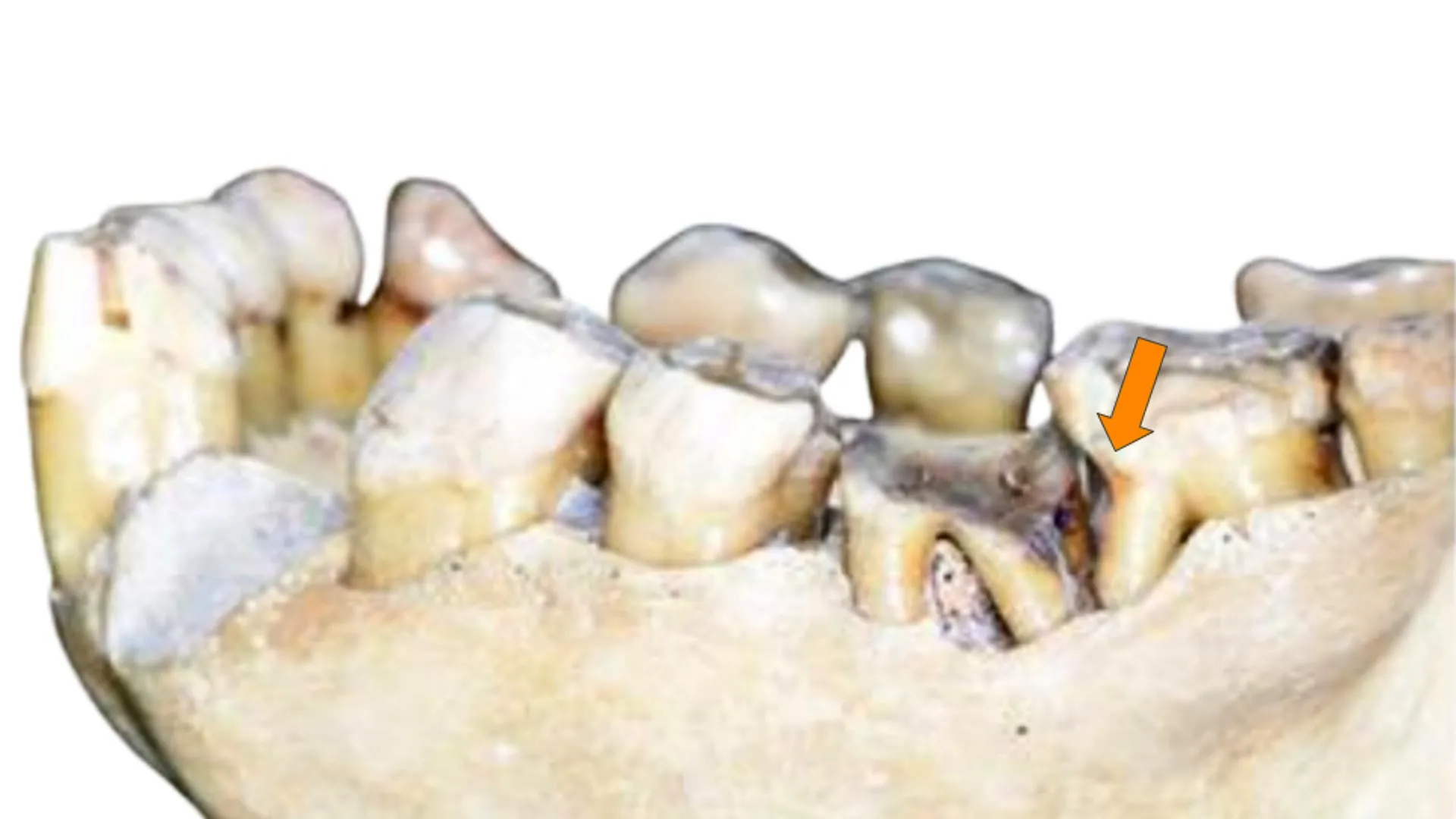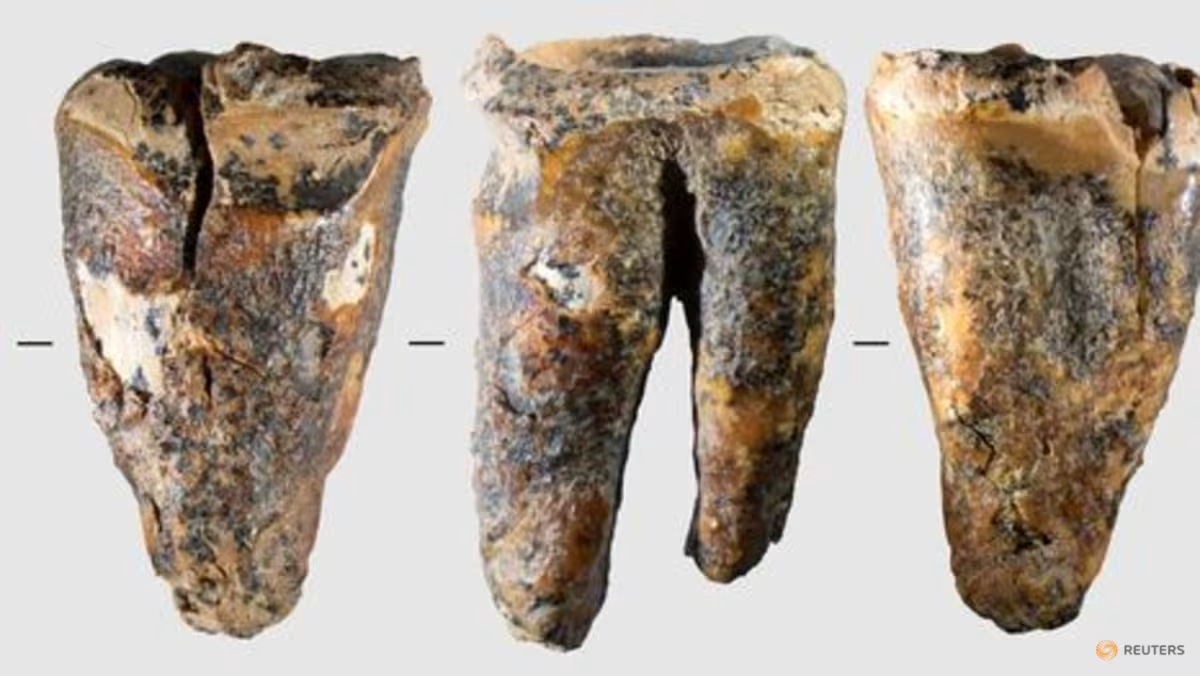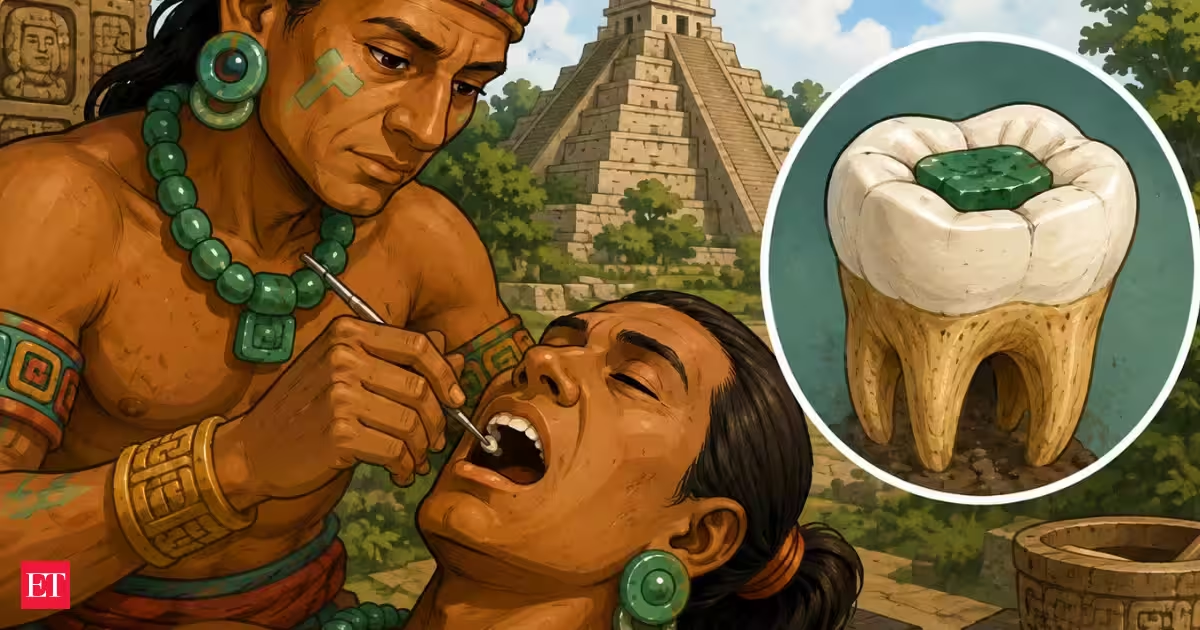
Centuries before modern dental clinics and fillings, the ancient Maya may have developed their own method of treating damaged teeth. A new study has identified a jadeite inlay embedded in a back molar, raising the possibility that the precious stone was used for a functional dental purpose rather than simply as decoration.The finding, published in the Journal of Archaeological Science: Reports, challenges the long-standing assumption that Maya dental modifications involving gemstones were primarily cosmetic or linked to social and ritual practices.Read more - That old phone in your drawer could be hiding gold: Study reveals a tonne of e-waste can contain 100 times more gold than gold ore; every handset contains tiny traces of gold, silver & copper, and millions of devices could create urban mineResearchers led by Estuardo Mata-Castillo of Francisco Marroquín University in Guatemala examined a preserved molar from a skeletal collection housed at the university's Popol Vuh Museum. The collection has been assembled since the 1970s and contains archaeological remains from different parts of Guatemala.The tooth contained an inlay made from jadeite, a green semi-precious stone. What made the discovery particularly unusual was its location. Unlike many previously documented examples of Maya dental modification, which were generally placed in visible front teeth, the jadeite was embedded in a posterior molar.Because a back molar would not normally be visible when a person smiled, the researchers suggest that the modification may have had a purpose beyond appearance.Study suggests the dental procedure may have been functionalThe researchers described the discovery as the first documented case of an occlusal incrustation in a posterior tooth among the ancient Maya.According to the study, the position of the jadeite raises the possibility that it was used to address a dental problem, potentially involving decay, pain or structural damage. However, researchers stressed that the precise purpose of the inlay cannot be established with certainty.The discovery therefore does not prove that the Maya were using jadeite in the same way as a modern dental filling, but it provides evidence that some dental modifications may have served a practical purpose.Ancient dental procedure performed while person was aliveResearchers used cone beam computed tomography (CBCT) to examine the tooth without destroying it. Imaging revealed calcification in the pulp chamber, indicating that the individual was alive when the dental modification was carried out.The biological response of the tooth suggests that the procedure occurred during the person's lifetime. Researchers believe it may have been associated with an attempt to manage pain or damage, although the exact reason remains unclear.Maya dental modifications were not always cosmeticAncient Maya teeth have previously been found decorated with materials including jade and pyrite. Such modifications have often been interpreted as forms of body adornment associated with identity, status or ritual practices.The new discovery adds another possibility. A gemstone positioned inside a back tooth, where it would not have been readily visible, suggests that at least some Maya dental interventions could have been connected to oral health.The researchers noted that ancient dental treatments involving drilling and filling materials such as bitumen have also been documented in parts of Guatemala and Belize.Jadeite discovery adds to evidence of ancient dental careDental interventions from other ancient societies have also been documented, including examples from Neolithic Pakistan, Stone Age Italy and pre-Columbian North America. However, the researchers said these examples do not provide a direct parallel to the jadeite inlay found inside a Maya posterior tooth.The finding therefore offers a new perspective on ancient Maya dentistry, suggesting that their knowledge of dental modification may have extended beyond aesthetics.While it remains uncertain whether the jadeite was specifically intended as a cavity filling, the study provides an intriguing glimpse into how ancient people may have attempted to manage dental problems long before modern dentistry existed.
Why did the Maya hide a jade stone inside their tooth? A mysterious inlay found in an ancient molar offers new clues about one of history’s most intriguing dental practices
New research indicates that the ancient Maya employed jadeite inlays to repair damaged teeth, as demonstrated by a piece found embedded in a molar. This revelation suggests a practical approach to dental care rather than merely cosmetic or ritualistic motives. Advanced imaging techniques show that this procedure was performed during the individual's lifetime, providing a fresh perspective on ancient Maya dental practices.
622 words~3 min read