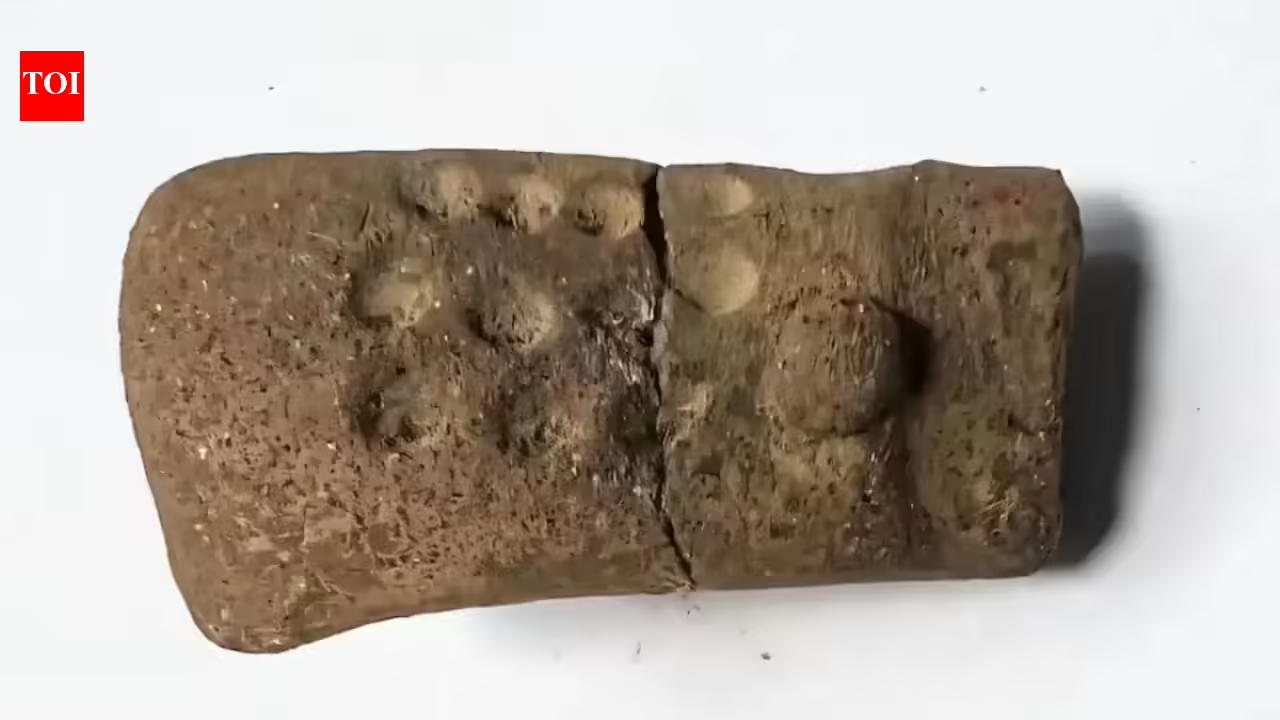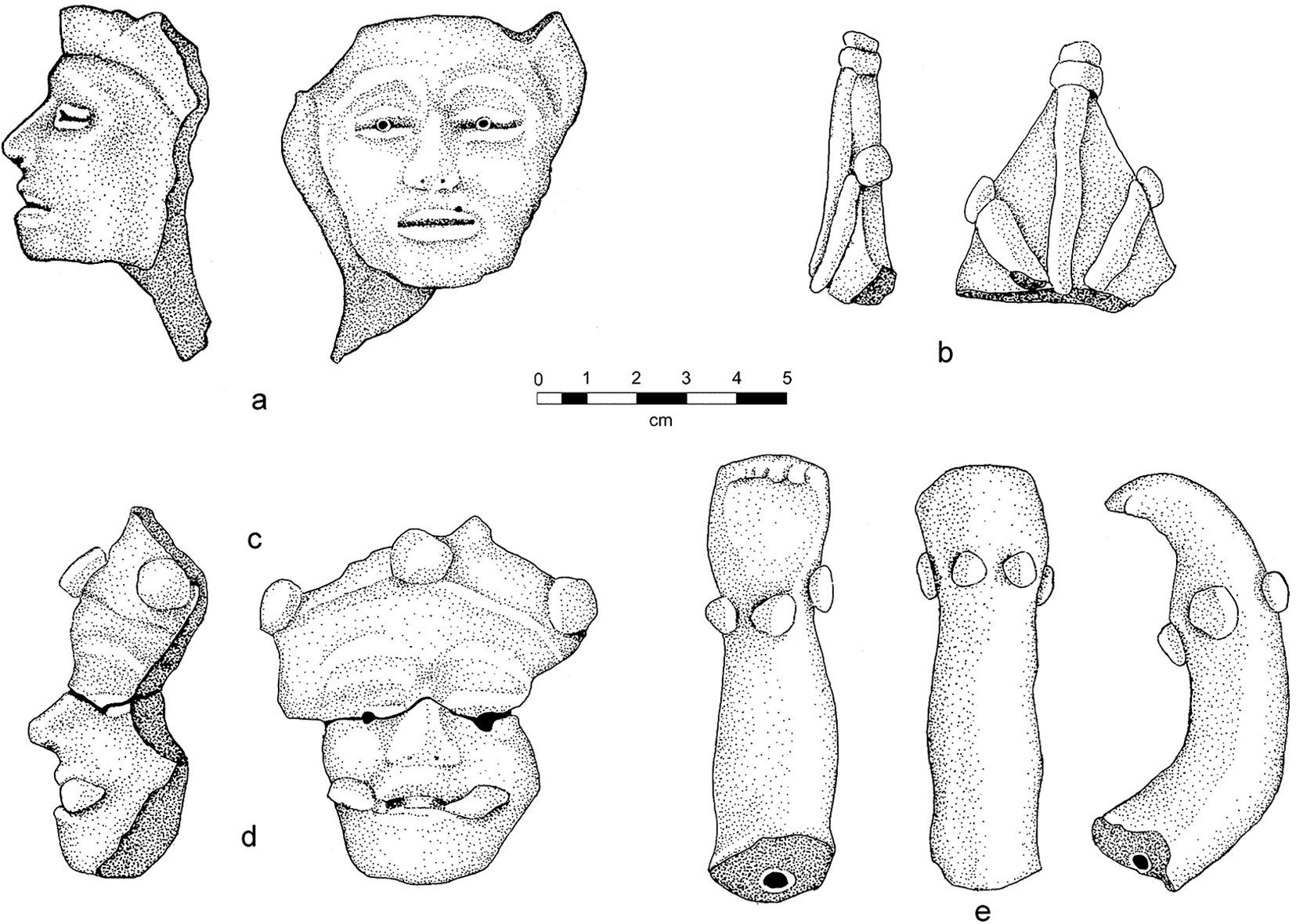
Illustrations of incensario sherds recovered from excavations around Kaxil Uinic Stela 1: (a) possible colonial incensario fragment; (b–e) Chen Mul modeled sherds. Credit: Illustration by Margaret Greco after Houk et al, from Latin American Antiquity (2026). DOI: 10.1017/laq.2026.10177
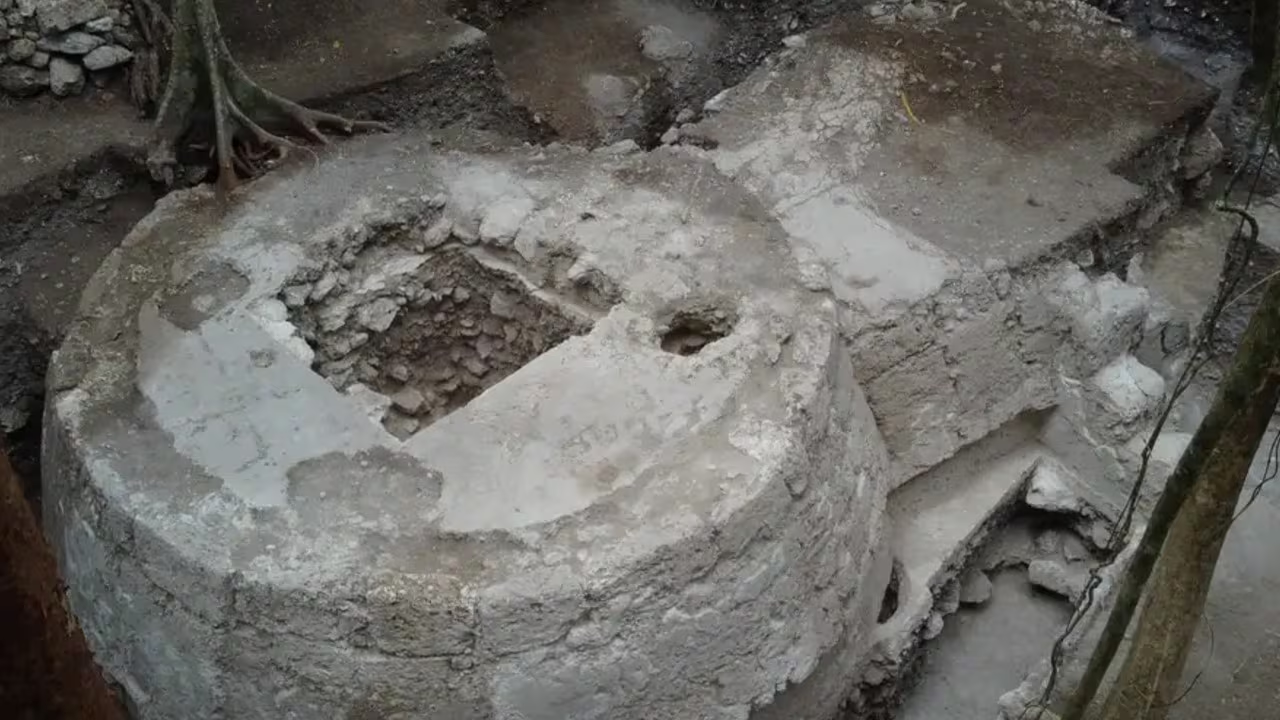
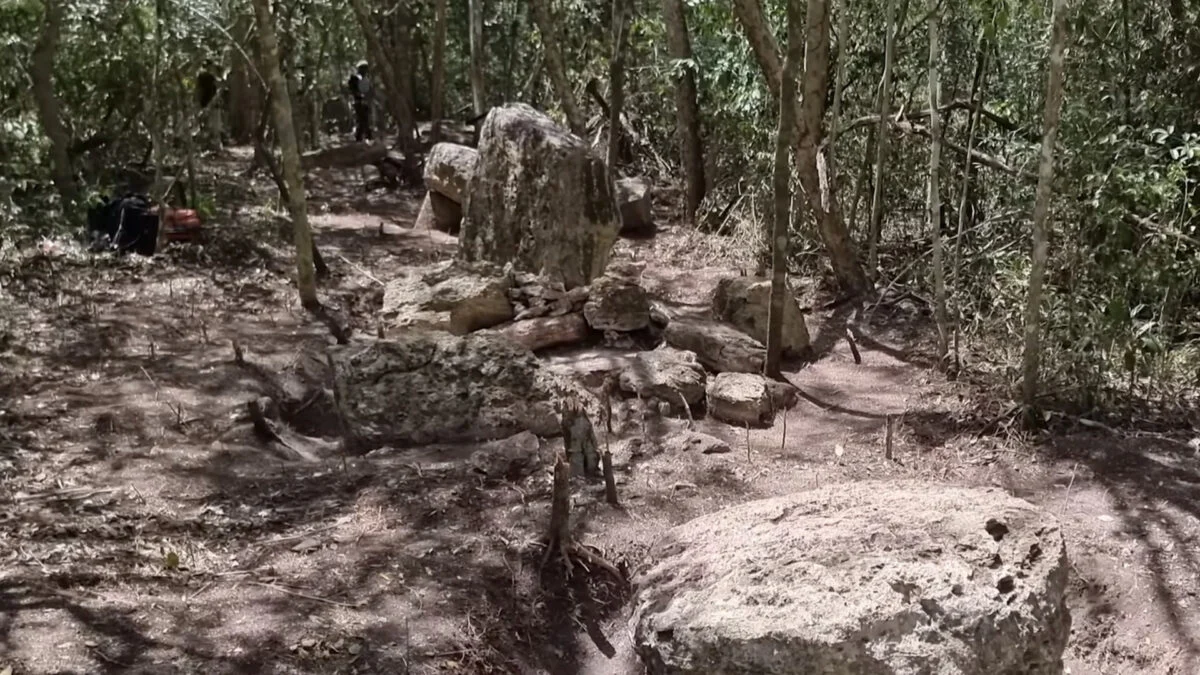
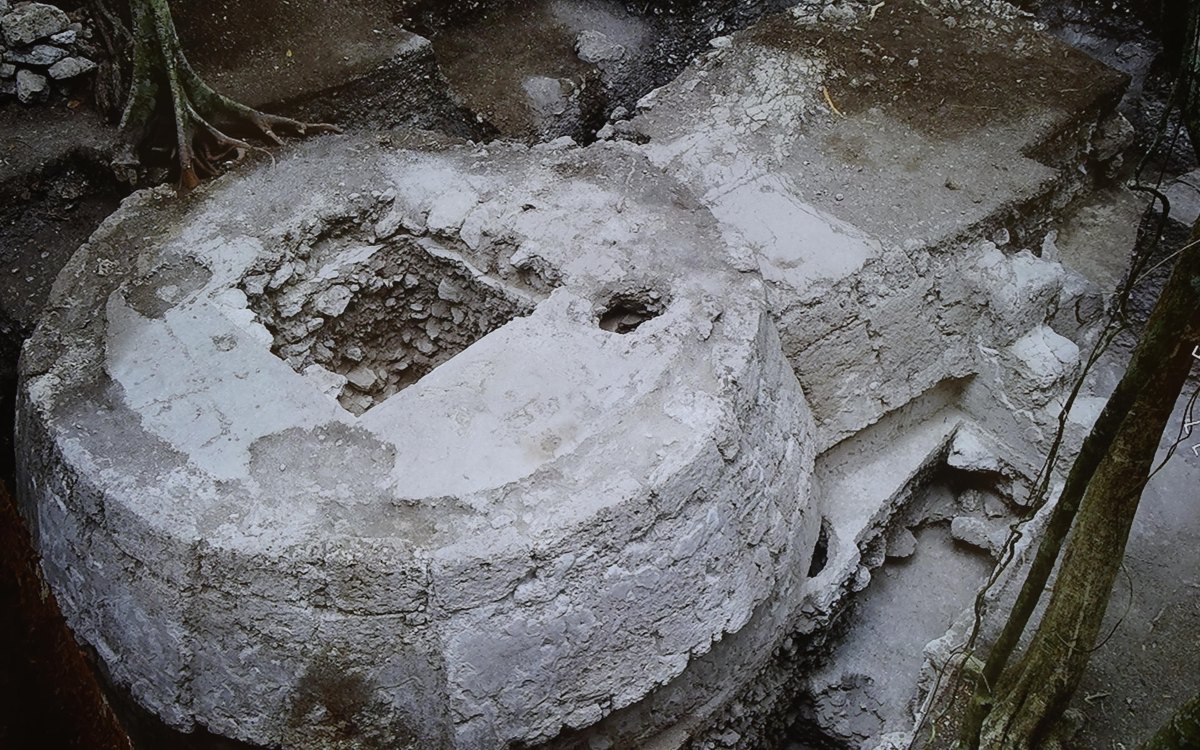
Archaeologists excavating Maya sites at Kaxil Uinik and Ayiin Winik in Belize have discovered the first reported Late Postclassic altar in the region, along with additional evidence that Postclassic Maya people continued to visit abandoned locations. The study, published in Latin American Antiquity, indicates that these activities fit into a broad pattern of Postclassic veneration of earlier Maya civilization after its decline.
Collapse and continued veneration
A major decline of the Classic Maya civilization occurred between approximately A.D. 750 and 900, with many cities abandoned by about A.D. 900 in northwestern Belize. However, evidence from various archaeological sites suggests that Postclassic Maya people continued to visit these sites for ritual purposes.
The authors of the new study write: "In northern Belize, Postclassic (A.D. 900–1542) social organization diverged from earlier systems of governance, yet long-standing religious practices continued. Postclassic pilgrims visited abandoned sacred sites where they reset and reinterpreted monuments, deposited scatters of incensarios and votive offerings, and, occasionally, created small altars—piles or stacks of rock—as part of their rituals."