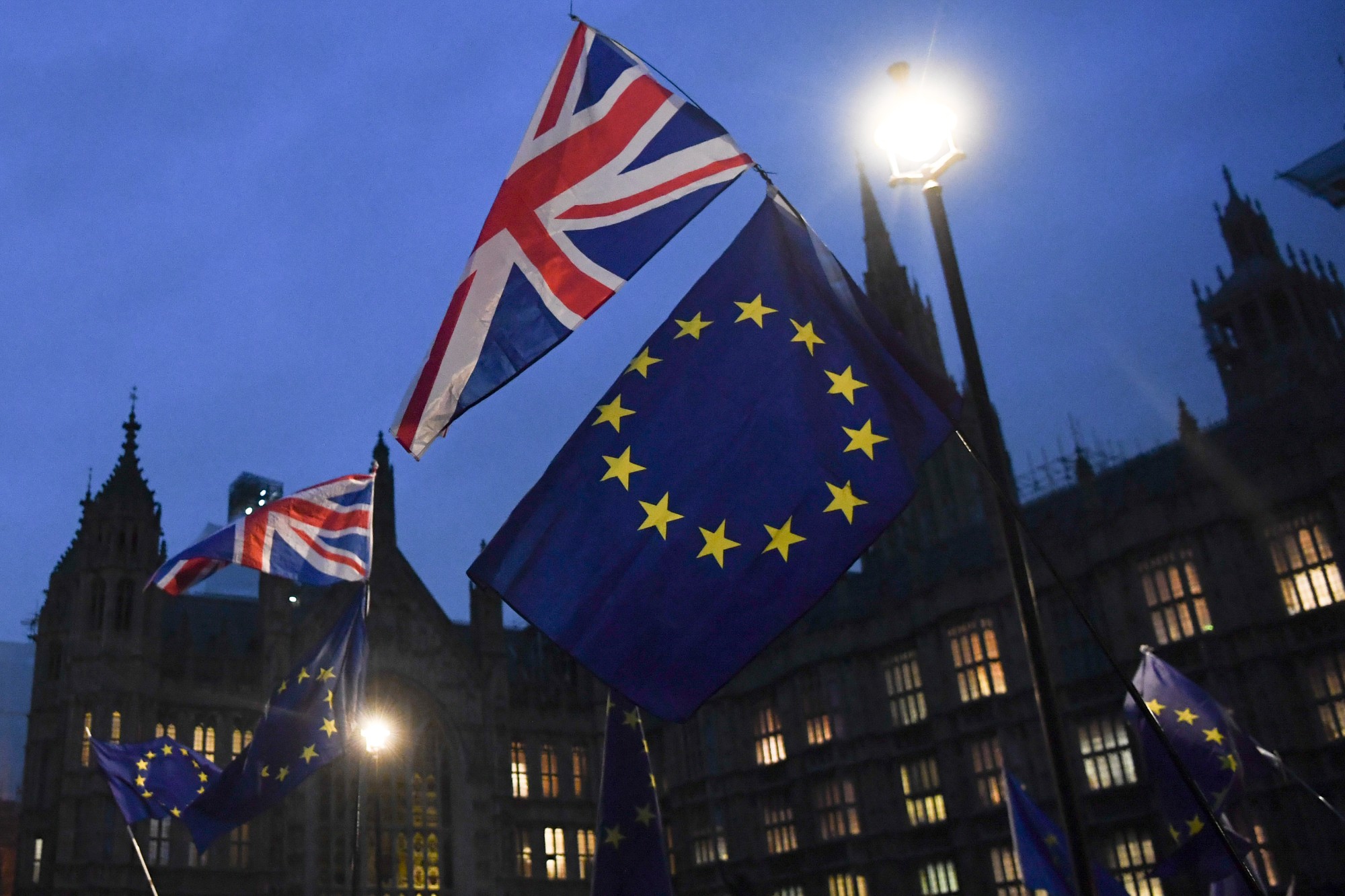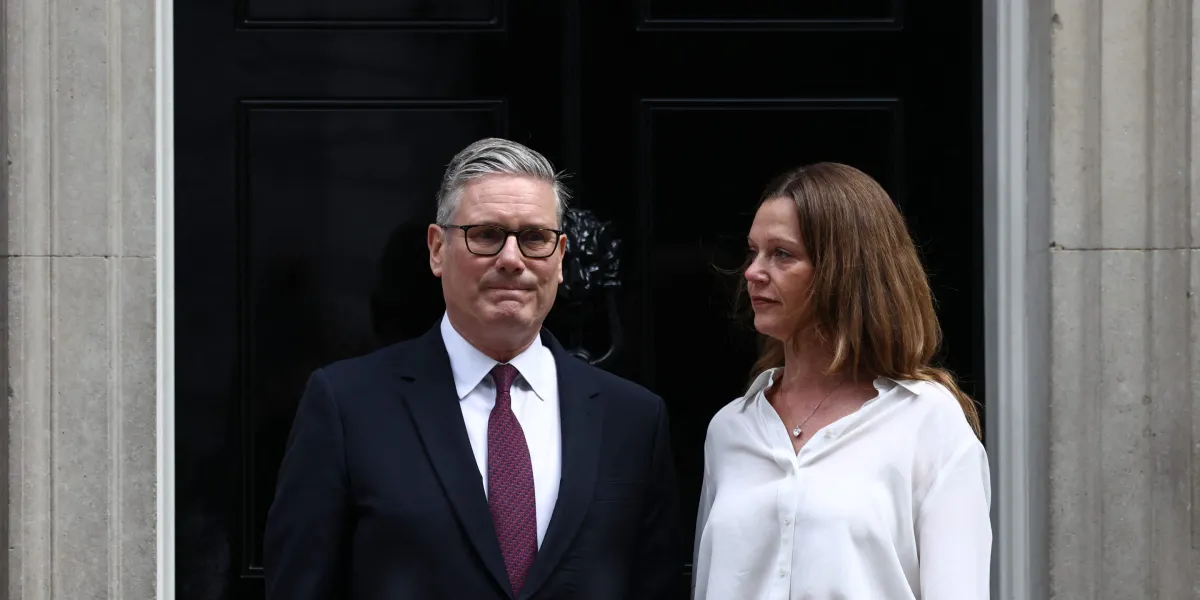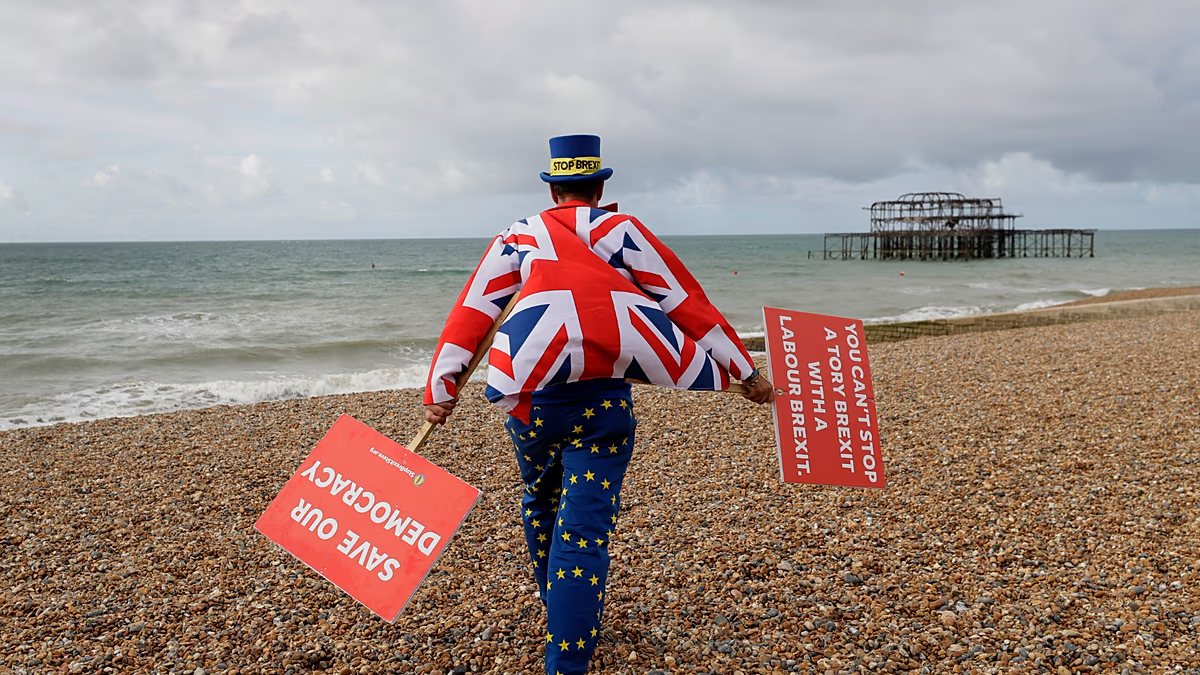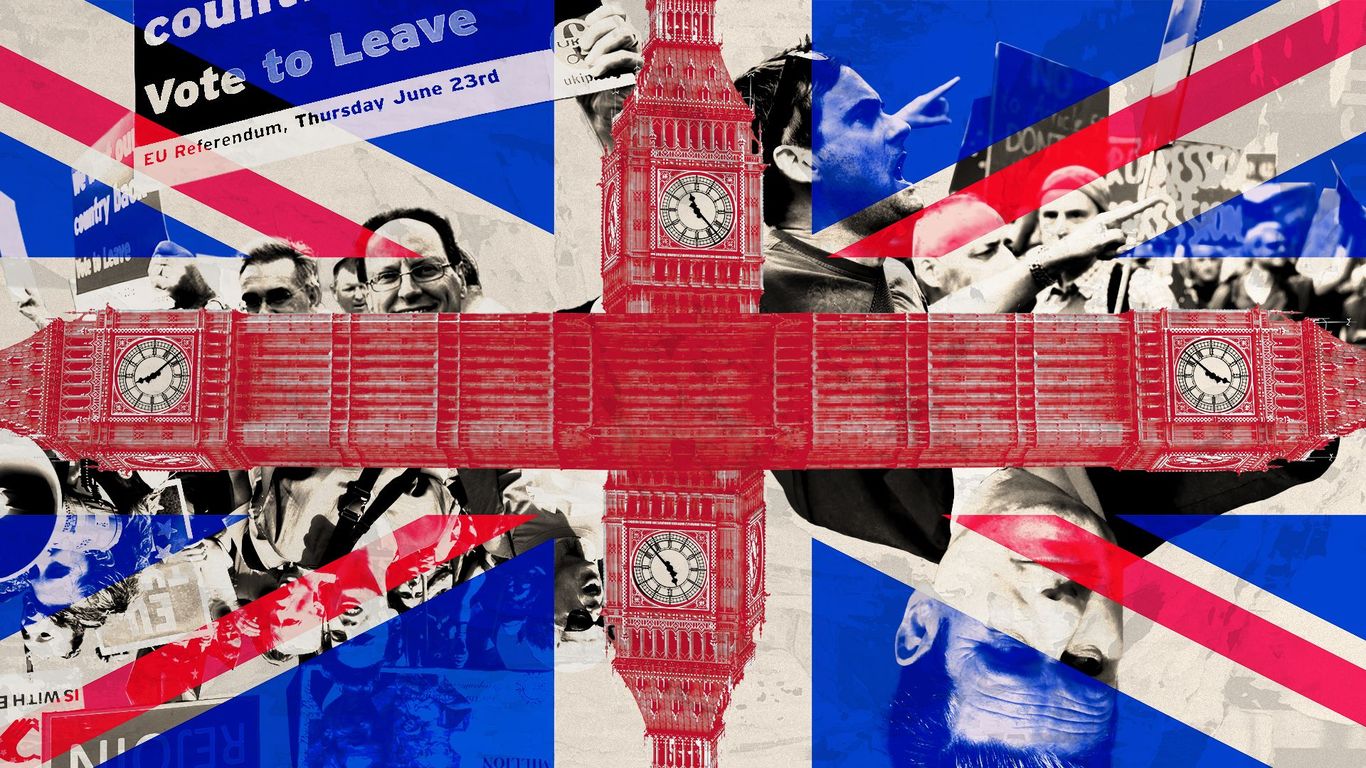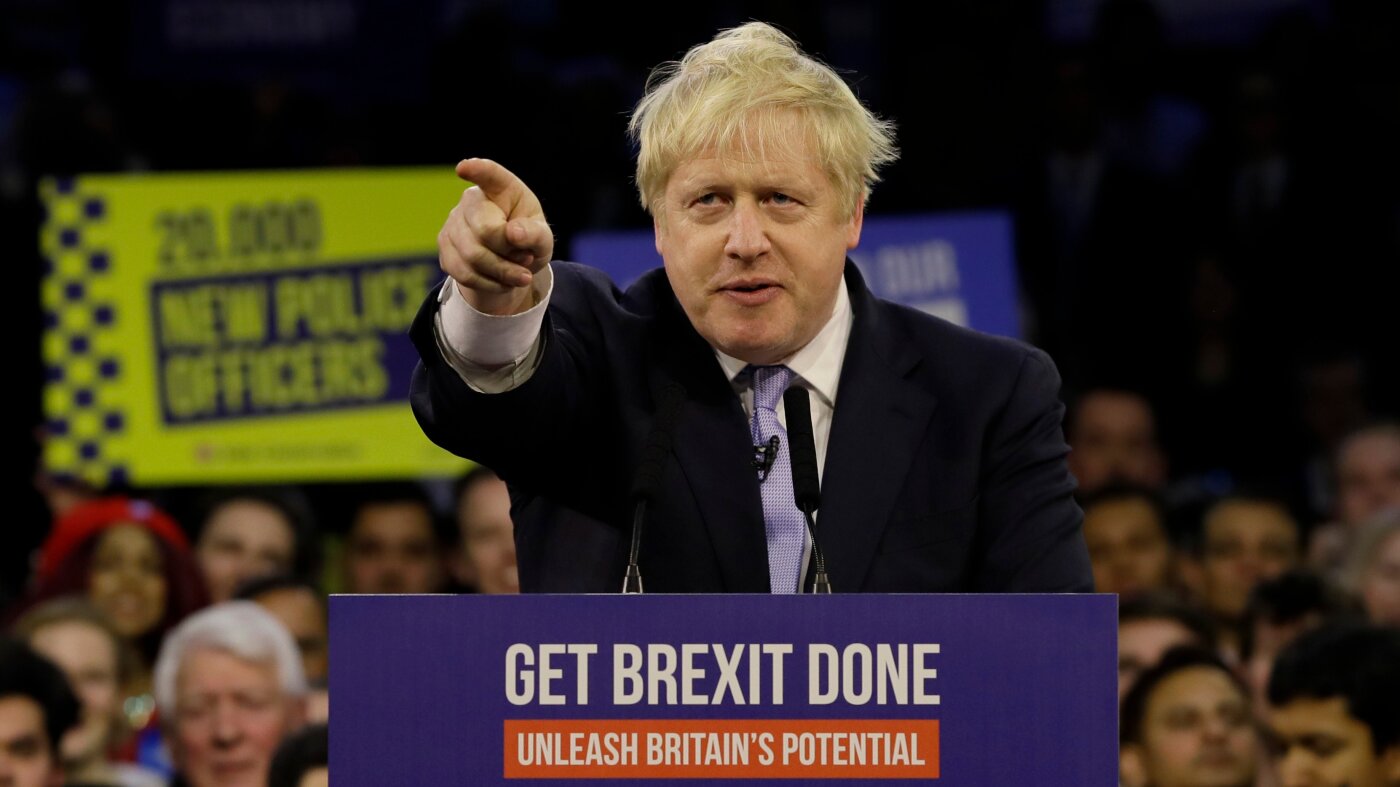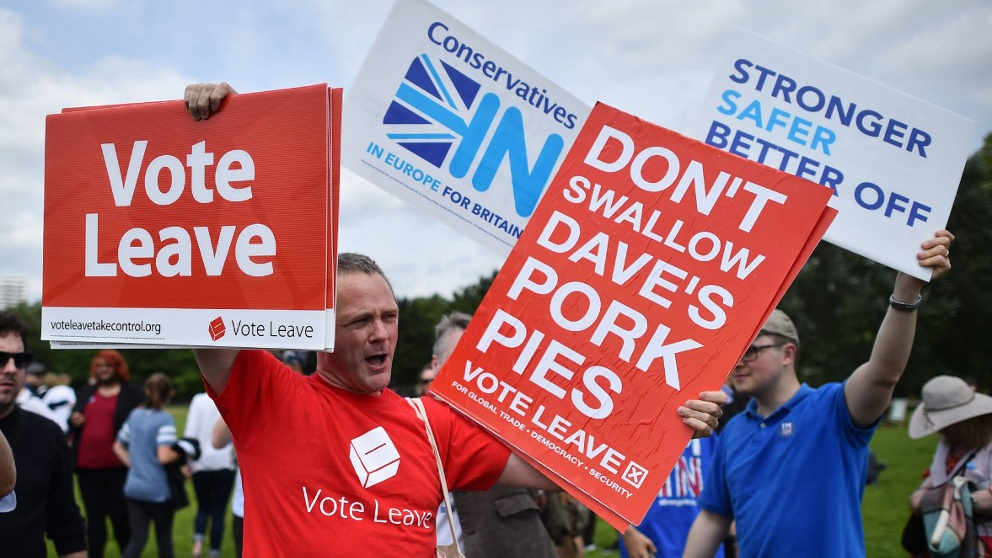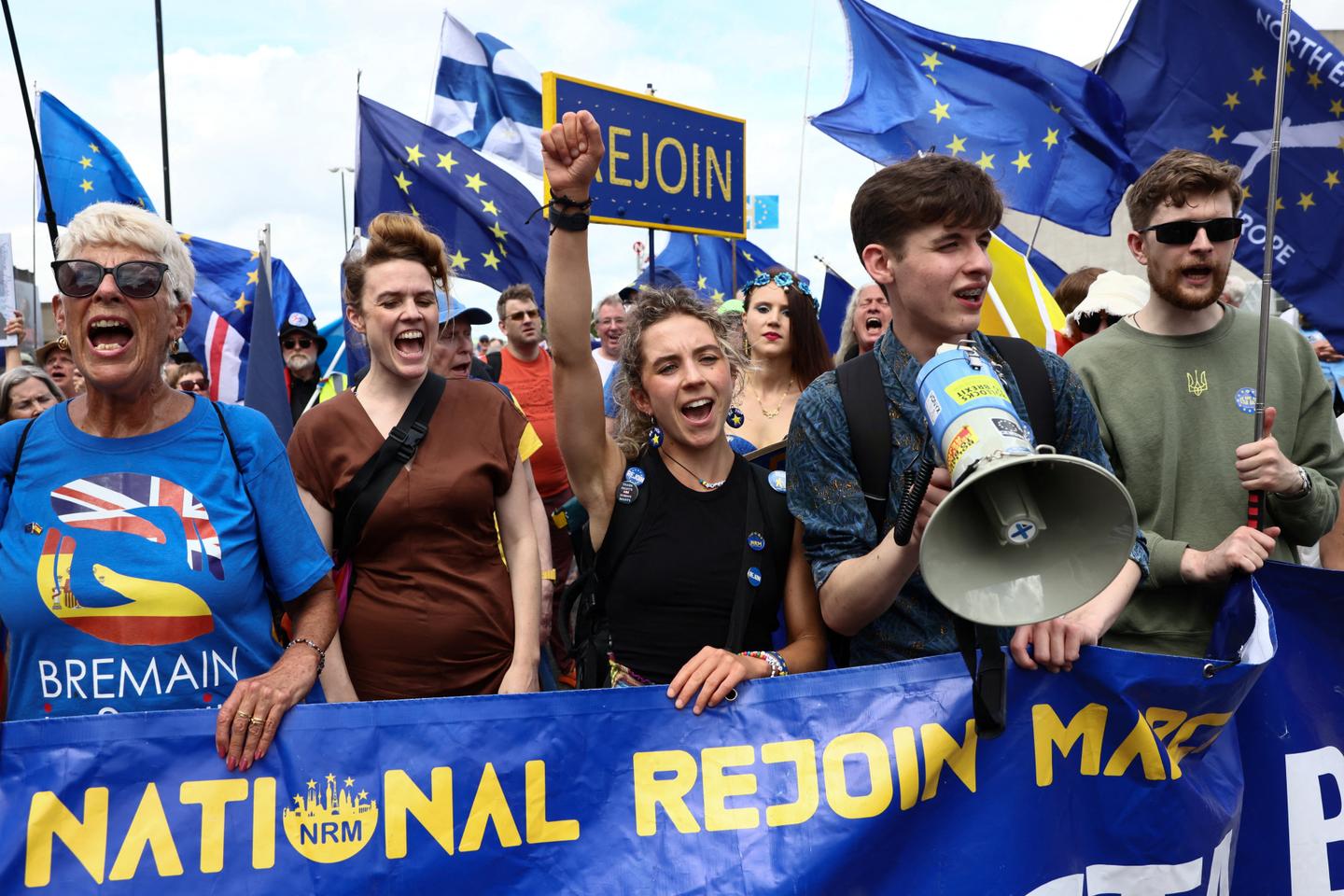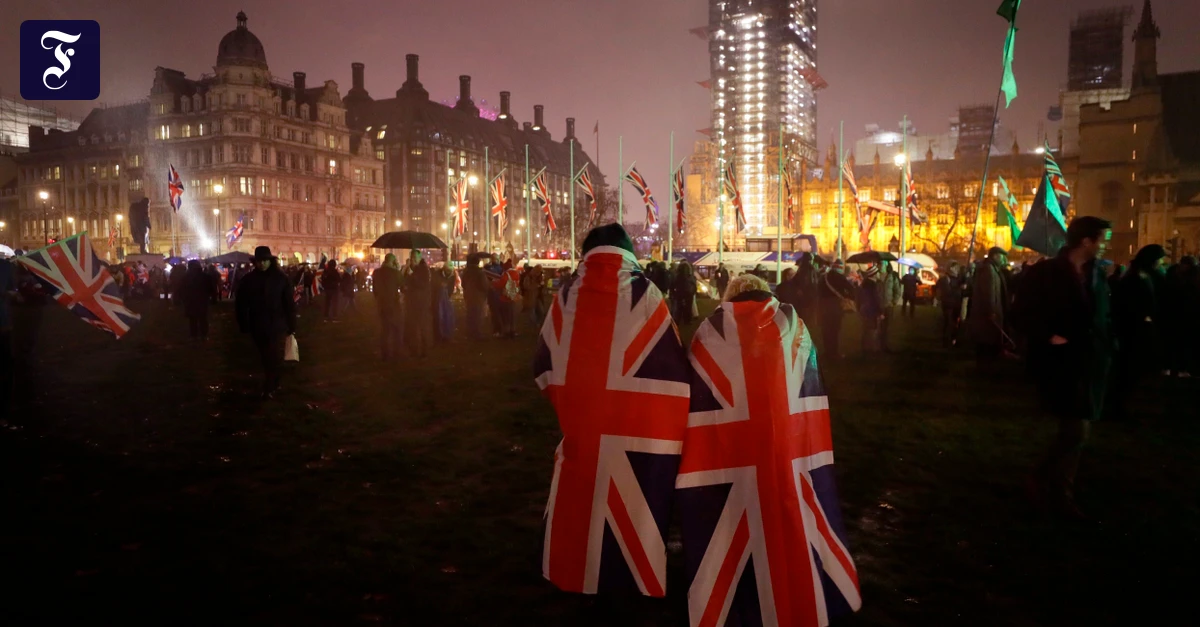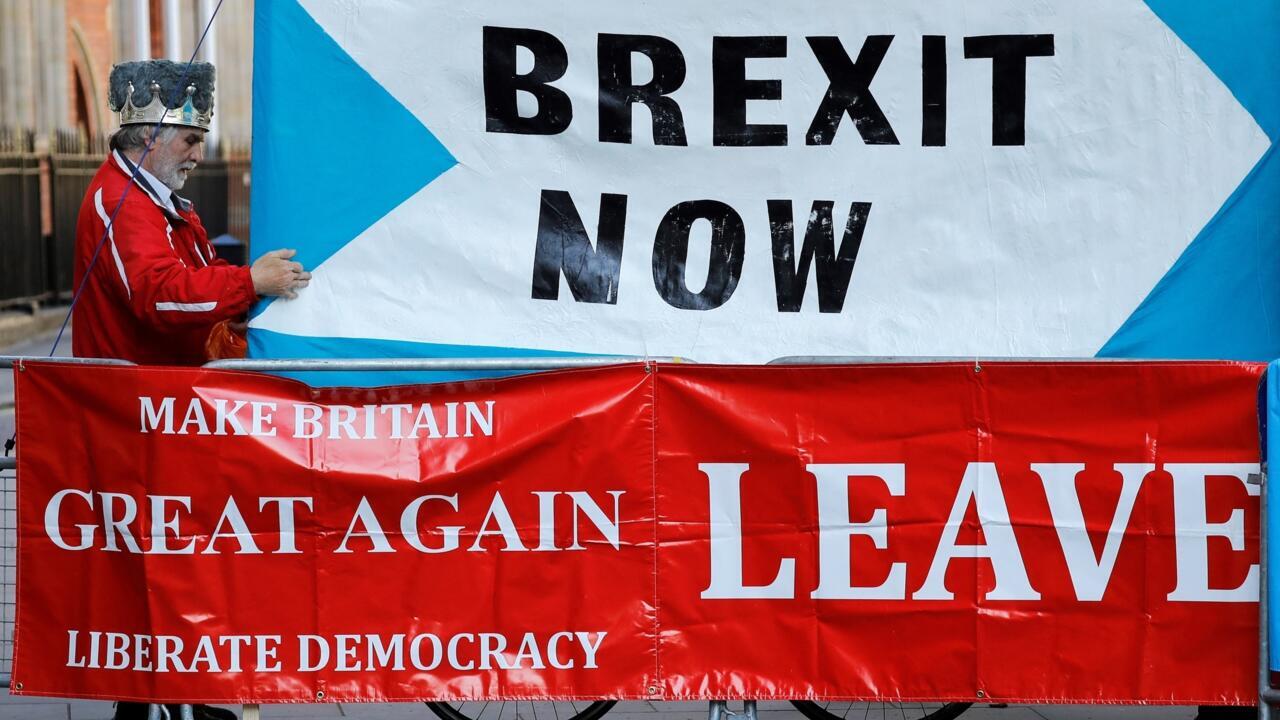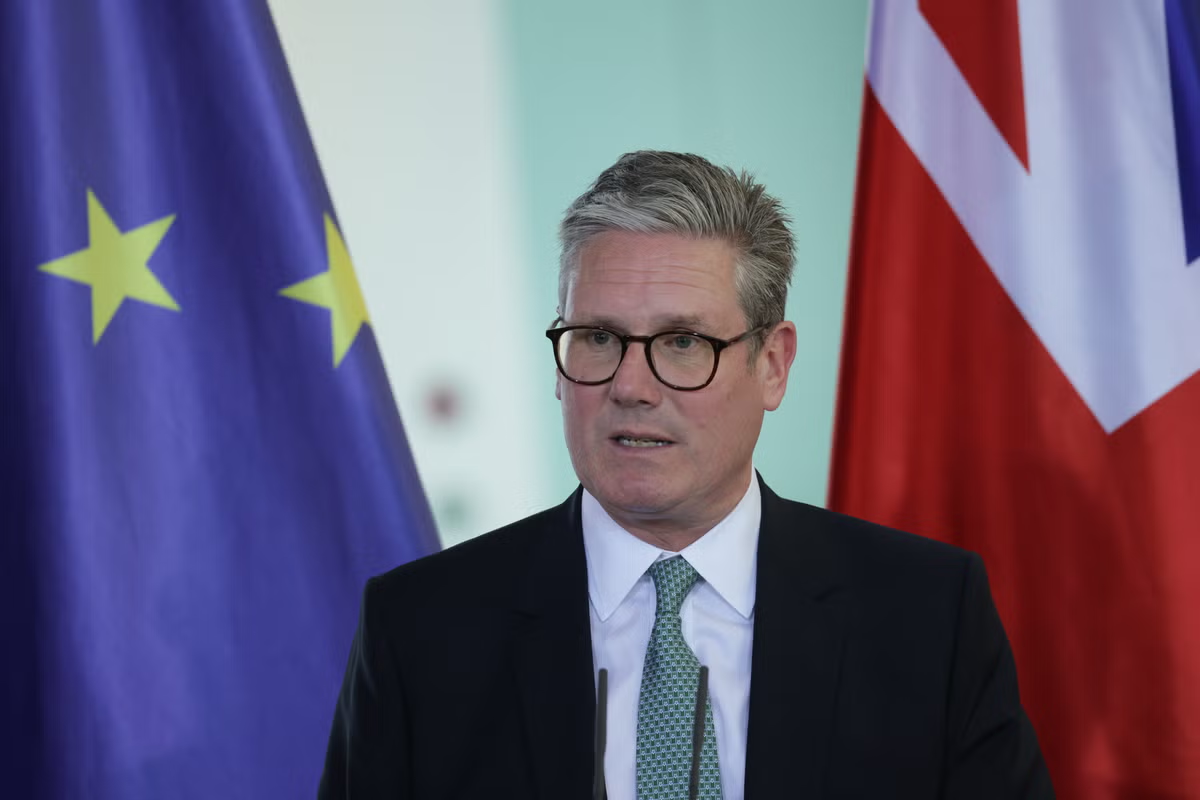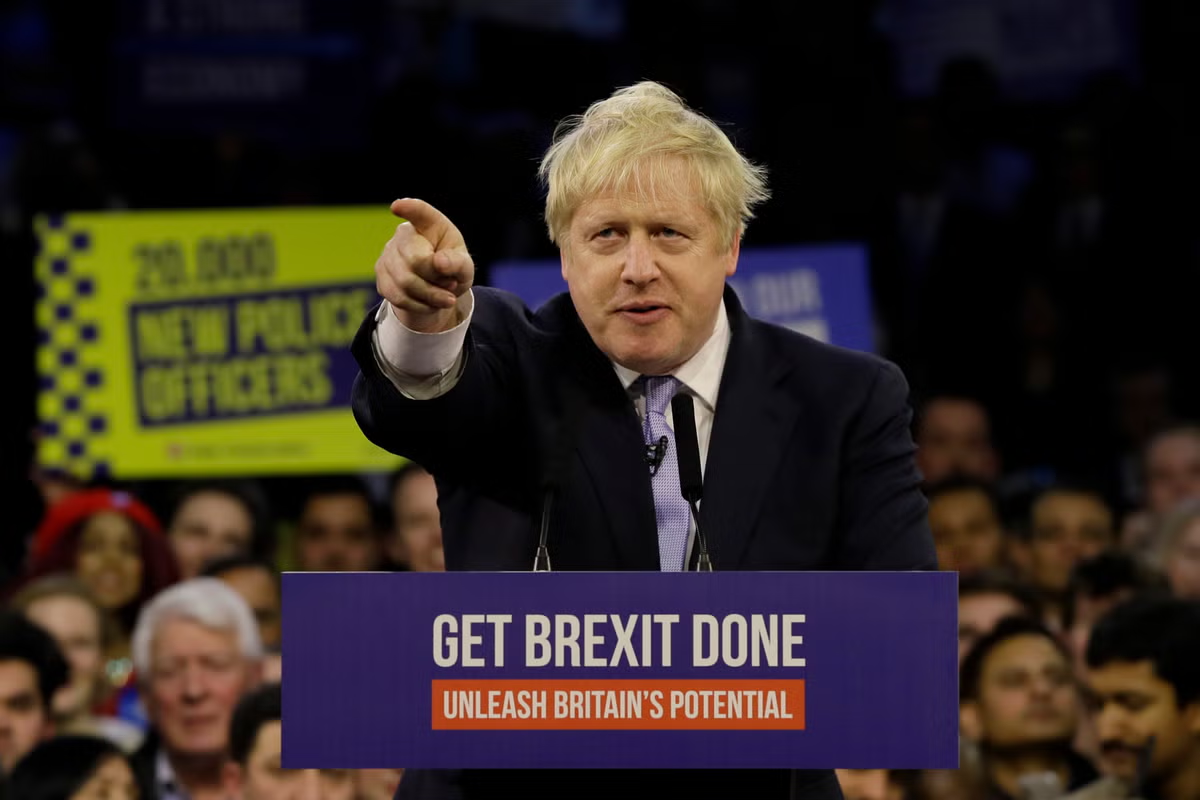
It is not coincidental that Britain is about to get its seventh prime minister precisely 10 years after the Brexit referendum. When David Dimbleby declared “we’re out”, the hard-won gains of almost half a century of economic integration were lost in that moment of madness. Social cohesion, political consensus, democracy, and the rule of law were all vandalised. The party political system barely survived the stresses and strains imposed on it by the Brexit process; even today, the issue remains deeply divisive. The referendum was supposed to settle the issue “for good”. It did no such thing – the most fundamental misjudgement of all. As a direct consequence of the Brexit blunder, David Cameron and Theresa May were both pushed out of Downing Street; the endemic instability of recent years has destabilised their successors, strained the union, and left the party system shattered. This time around, the European question has torn both the main parties apart (usually it had only disoriented one at a time), and exacerbated existing ideological faultlines. The slow impoverishment of the economy robbed successive governments of the benefits of growth.The loss of trade, investment and jobs also held back productivity gains and depressed real wages and living standards, turning groups against each other. It was no surprise that immigrants became the scapegoats for crises in housing and strains on the public services. Strikes became much more commonplace, as different groups used their muscle to win a larger share of a pie that was no longer growing. Prime ministers, unable to reconcile the hard choices that the dire economic consequences of Brexit forced upon them, were ousted, usually by charlatan rivals making impossible promises – Liz Truss being the most outrageous example, if not the most recent.As The Independent’s exclusive polling so graphically illuminates, Brexit is seen to have been a failure among a clear majority of the British people – and by a far larger margin than the notorious 52/48 per cent Leave vote. Almost two-thirds of those asked think that immigration controls have worsened since Brexit, while just 8 per cent think they have improved. The “Boriswave” that ensued after Brexit cannot be understated. Mr Johnson said Brexit would mean “taking back control” of our borders. Instead, between 2021 and 2024, some 4.2 million people entered the country, as entry barriers were lowered for workers and students. That massive surge of immigration is what will hold back Mr Johnson from ever returning to high office. But it was also the greatest betrayal to the 17 million people who voted for Brexit.Such are the painful ironies and harsh lessons of Brexit that now 55 per cent of people in our poll would like to see a return to that sort of arrangement with the EU.So what of the future? Most surveys of public opinion suggest that people judge Brexit to have been a mistake, and would gladly turn the clock back. Even in the cakeist world briefly created by Mr Johnson that’s not possible, and despite some intriguing hints dropped by the former chief EU negotiator Michel Barnier, the advantageous old arrangements are unlikely to be offered in their entirety by the EU Commission.Complex, momentous questions about the UK joining the single market, the EU customs union, the euro and whether a referendum is necessary have not yet been properly addressed. The red lines in the Labour manifesto rule out the most ambitious options, at least until the next general election.That still leaves many other options open for closer trade, security cooperation, social exchanges, freer movement of people, and now, forming a wider global coalition of like-minded nations with liberal democratic values at their core – the kind of “new order” so vividly framed by the prime minister of Canada, Mark Carney, at the Davos conference in January. Indeed, the disaffection of President Trump’s USA, a revanchist Russia and an untrustworthy China makes such an alliance essential, and adds centripetal diplomatic momentum to closer UK-EU relations. In this pro-European endeavour there are substantial opportunities and reasons for hope. Demographics, for example. As older, predominantly Leave voters pass on and younger people join the electorate, then support for closer ties inevitably tips public opinion towards a point where more radical moves will be aired. Rishi Sunak and Sir Keir Starmer began the process of warming relations and revising the flawed Trade and Cooperation Agreement signed by Mr Johnson, and there is every sign that Andy Burnham, if he enters No 10, will intensify those moves when the delayed 2026 UK-EU Summit takes place, as it will. Unlike 10 years ago, there is now a genuinely more constructive mood in Brussels and in London, and, while not tempting fate, geopolitics, demographics and the dismal cold reality of Brexit will see the UK build a new relationship, step by step, pragmatically and so consonant with public opinion that it avoids another national trauma. The next 10 years will be better.
A decade after Brexit, we need the EU back on Britain’s side
Editorial: If the country follows the public mood and resolves its fractious relationship with its most important neighbour, things can only get better over the next 10 years – especially compared to the last 10
821 words~4 min read