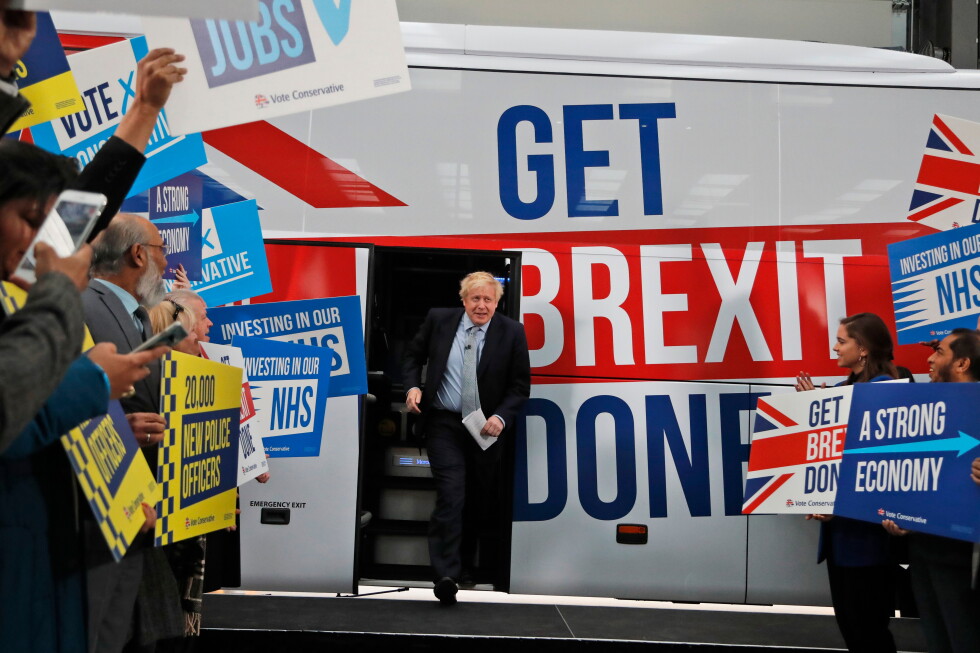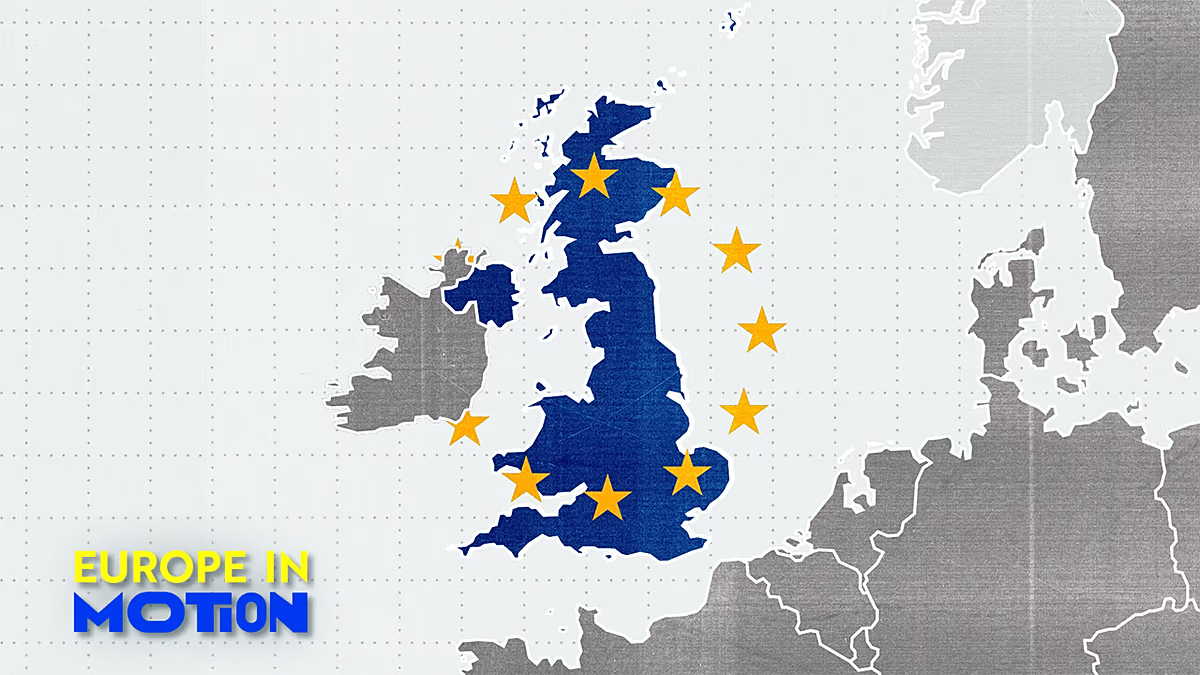
Ten years and six prime ministers after voting to quit the European Union, Britain has, to paraphrase Dean Acheson, lost a continent but not yet found a role. The referendum on June 23rd 2016, in which Britons voted for Brexit by 52% to 48%, has left them more divided, less influential and poorer than they would otherwise have been. The promise that Britain would „take back control” was a cruel joke. The country has been buffeted by global events. Brexiteers promised immigration would fall, but under Boris Johnson it soared.
The next ten years should be brighter, but first Britons must accept the big lesson from Brexit: that trying to lay all their country’s woes on a single cause is magical thinking which only makes everything worse. They must not be tempted to make the same mistake all over again by imagining that rejoining the European Union is the answer to all their problems.
De redactie van NRC selecteert de beste artikelen uit The Economist voor een breder perspectief op internationale politiek en economie.
Instead, national renewal means grappling with the many reasons why Britain is failing to live up to its potential. Policymaking is adrift, the state is inefficient and the private sector is weighed down by taxes and regulation. The country has mustered the leadership for a fresh start before, in the post-1945 invention of the welfare state and the reinvigoration under Margaret Thatcher. It must do so again.