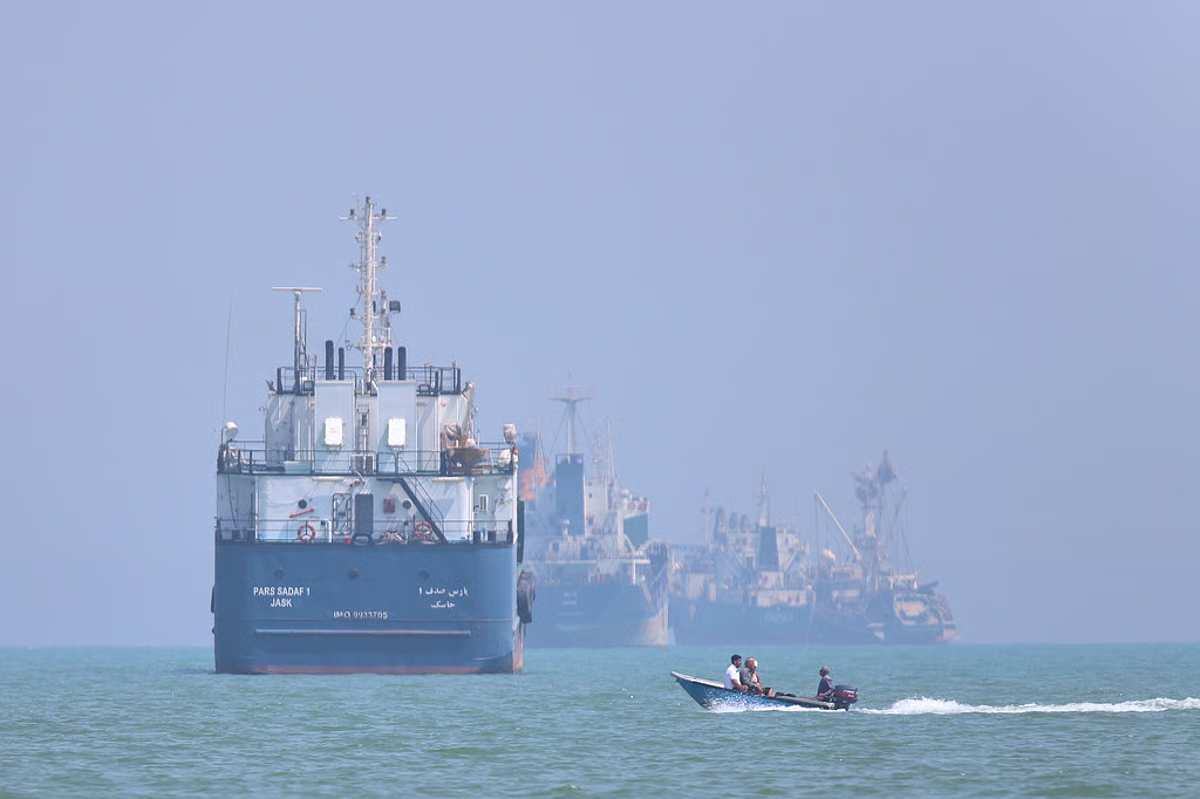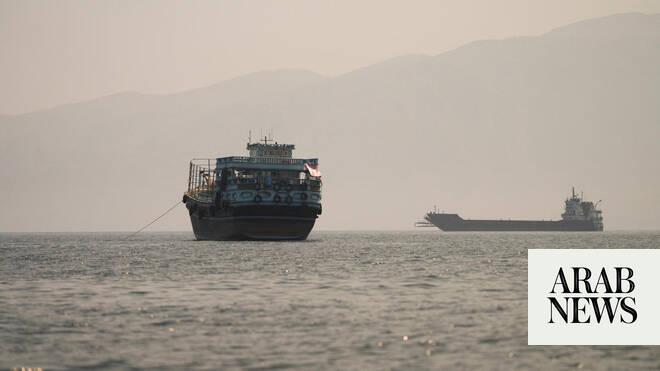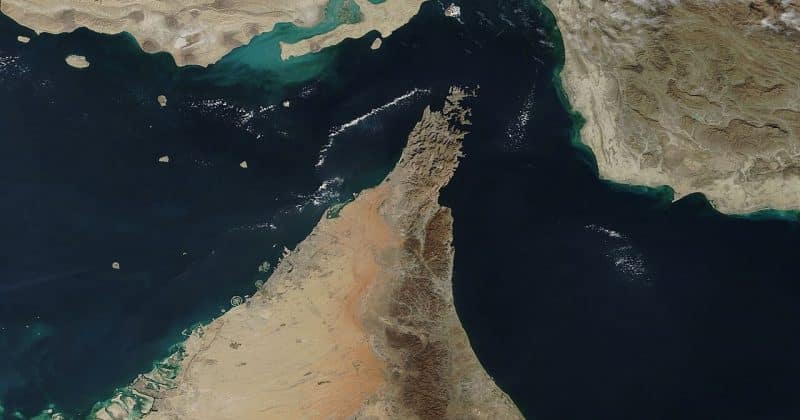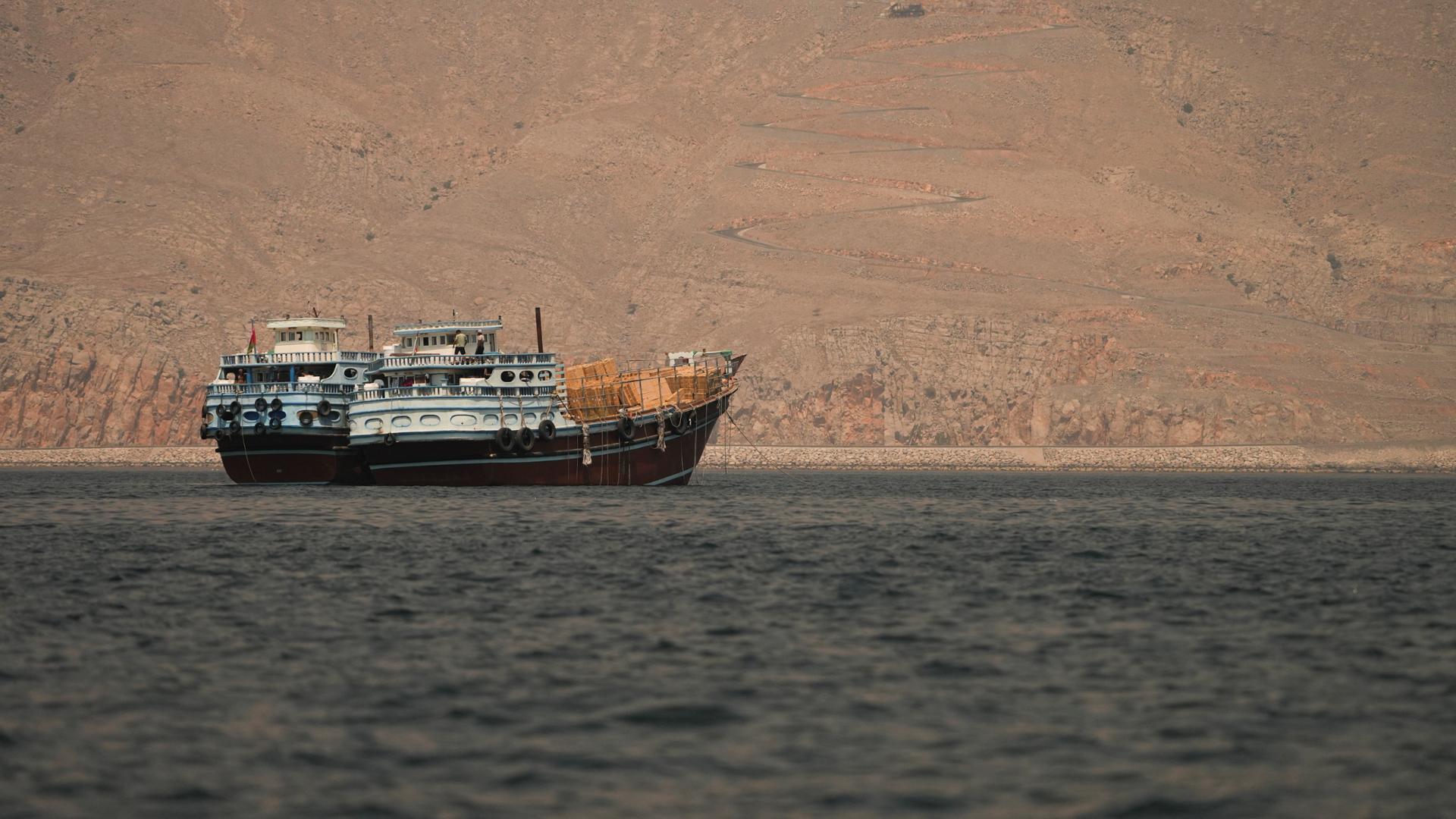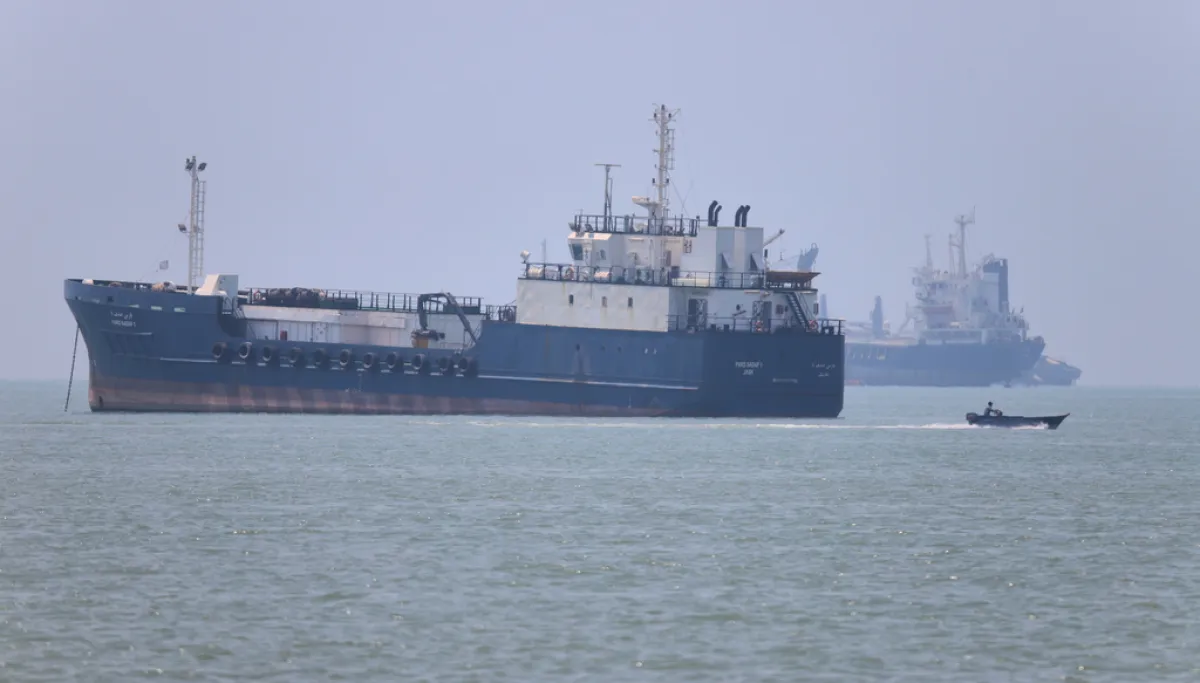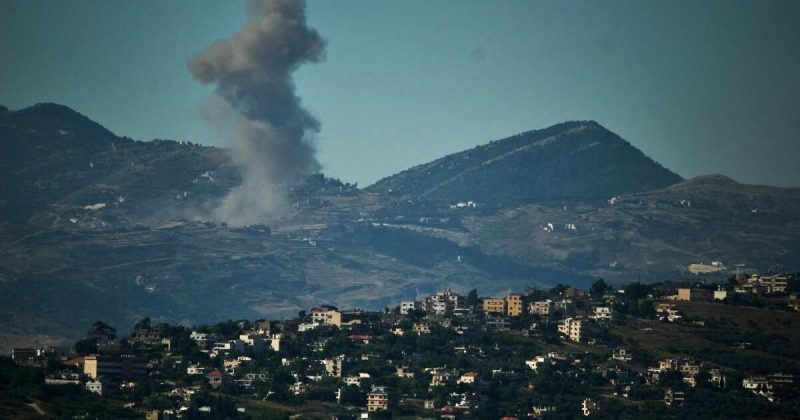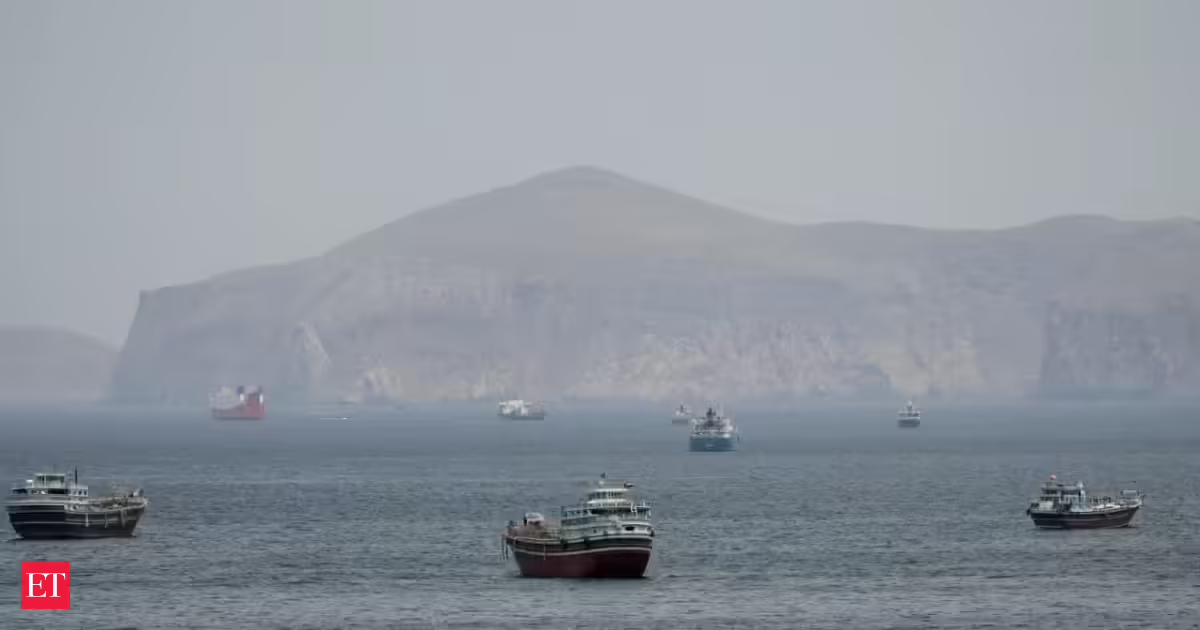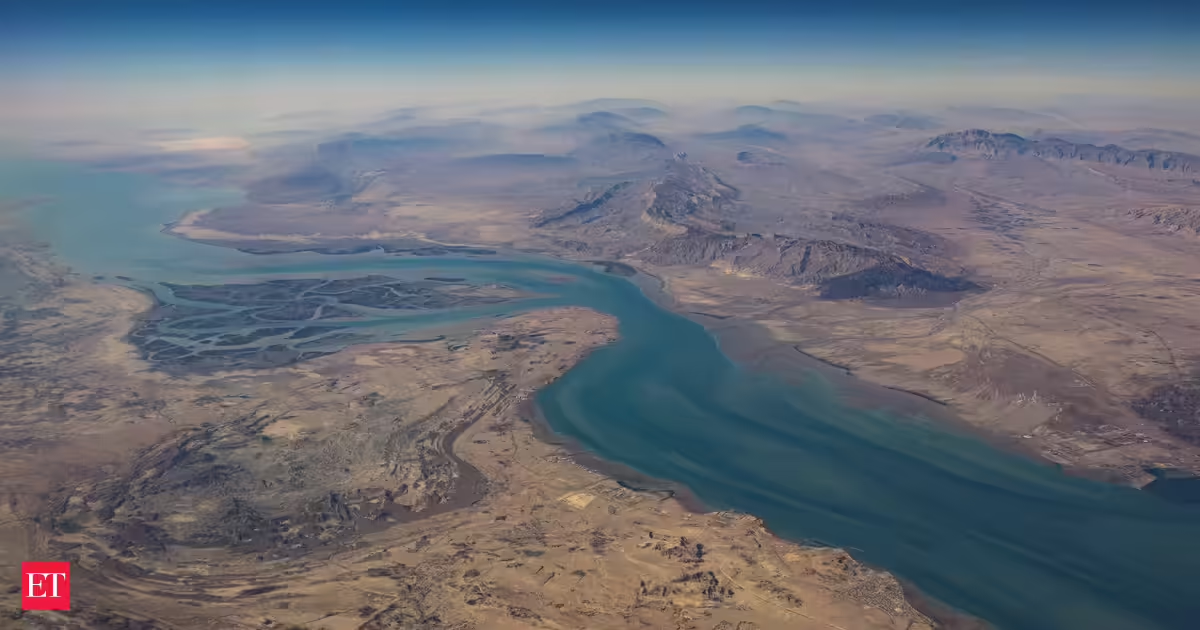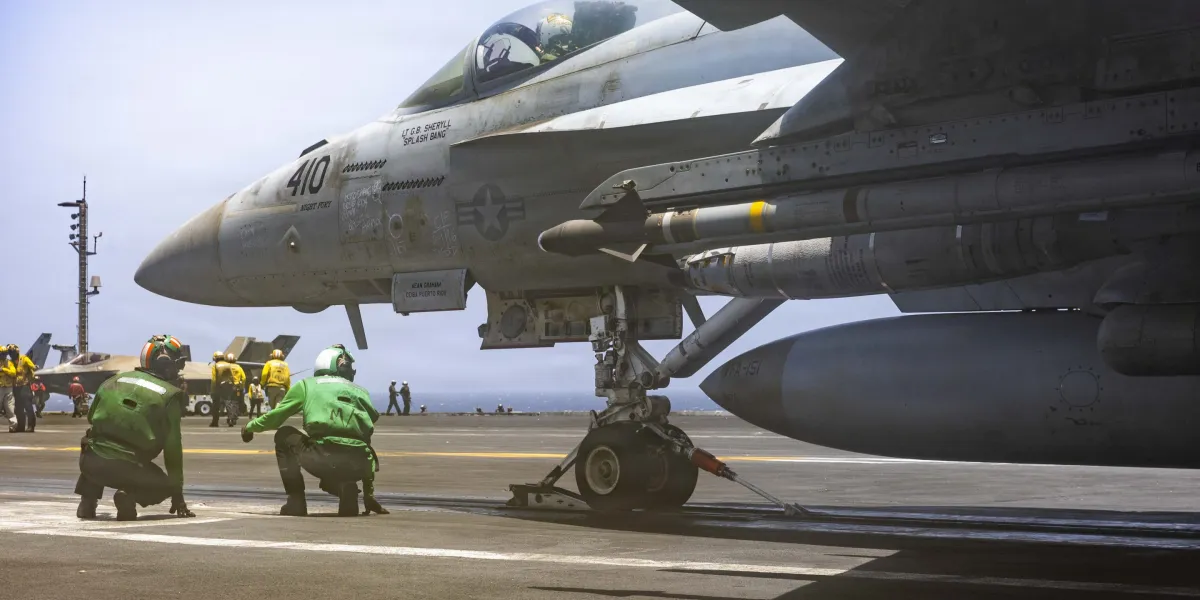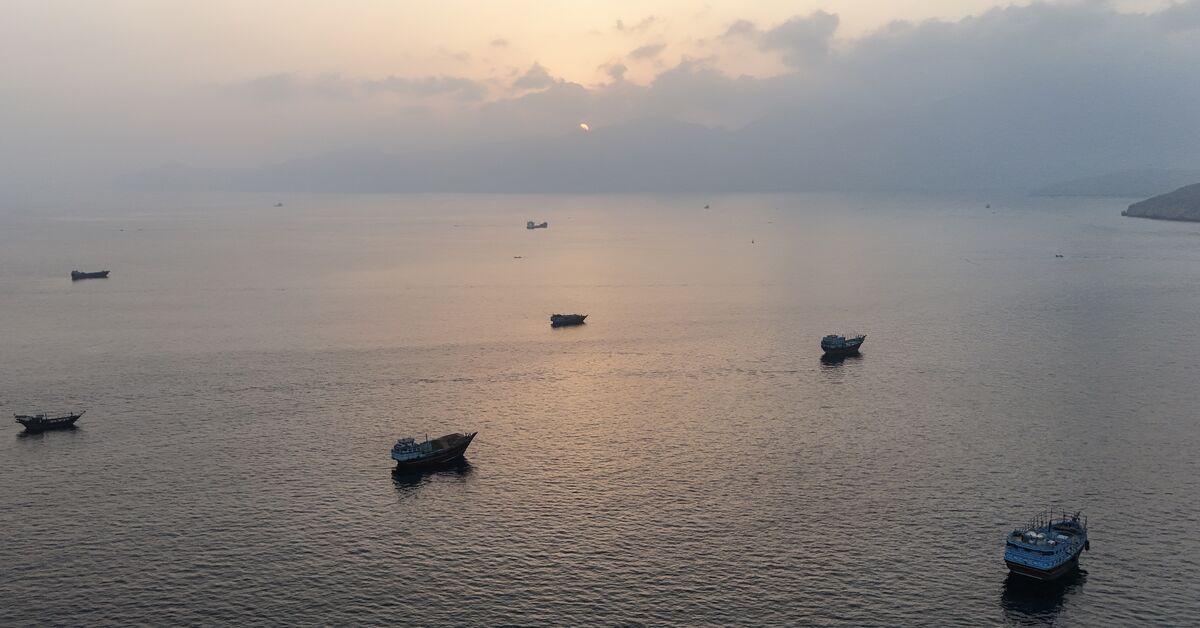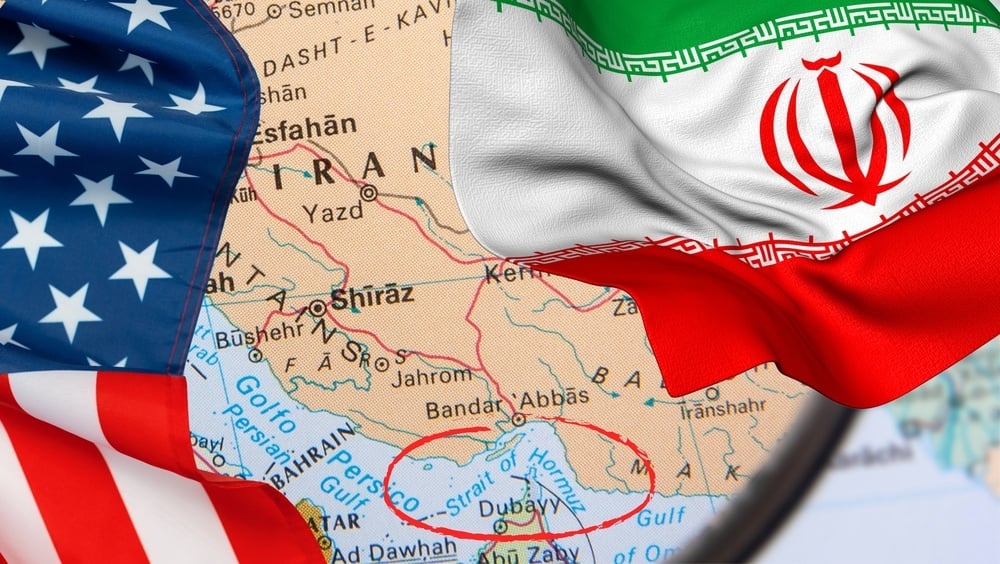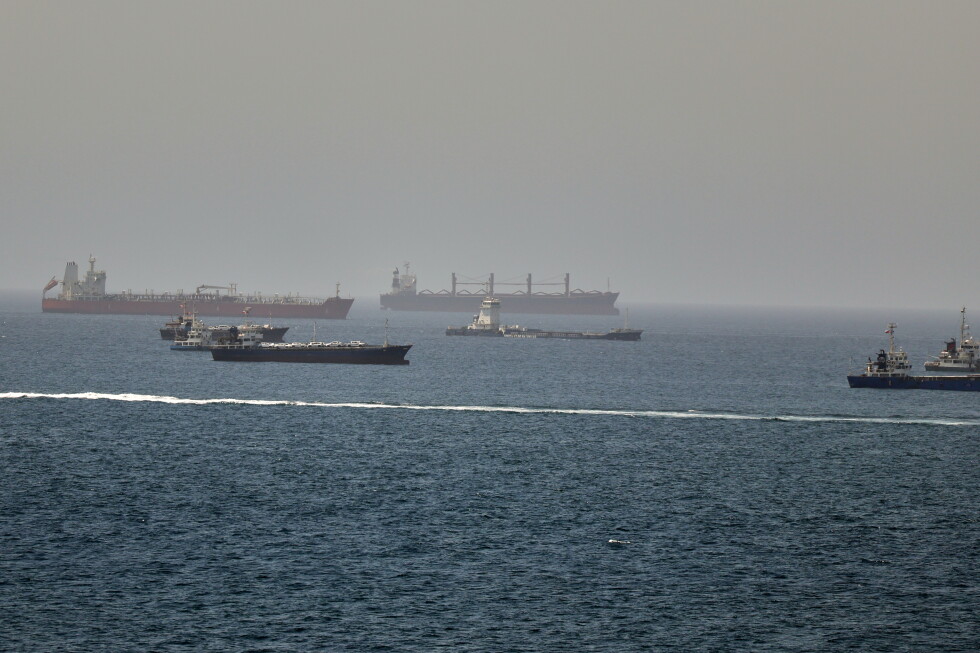
FRANKFURT, Germany (AP) — The flow of ships and oil through the Strait of Hormuz was starting to pick up. Then an Iranian drone hit a cargo ship trying to pass the strait through a route Iran doesn’t like. The U.S. responded with strikes of its own on Iranian military facilities, and more fighting erupted.That has blunted the nascent recovery of ship traffic that in normal times feeds the global economy with a fifth of its oil and gas shipments. Now, hopes for a continued rise are on hold as ship traffic cautiously continues at levels below those from before the war. Oil producers and markets were hoping to continue the rise in passages that followed a U.S.-Iranian interim deal, from less than 10% of normal to roughly half of prewar averages on the eve of the June 25 drone incident.
A second strike on Saturday hit a tanker carrying crude for the state-run energy company of Qatar, a key negotiator between Iran and the U.S. The U.S. responded with a second round of strikes on Iranian “surveillance infrastructure, communication systems, air defense sites, drone storage facilities and minelayer capabilities.” Iran launched drone and missile strikes on Kuwait and Bahrain on Sunday.
4 MIN READ