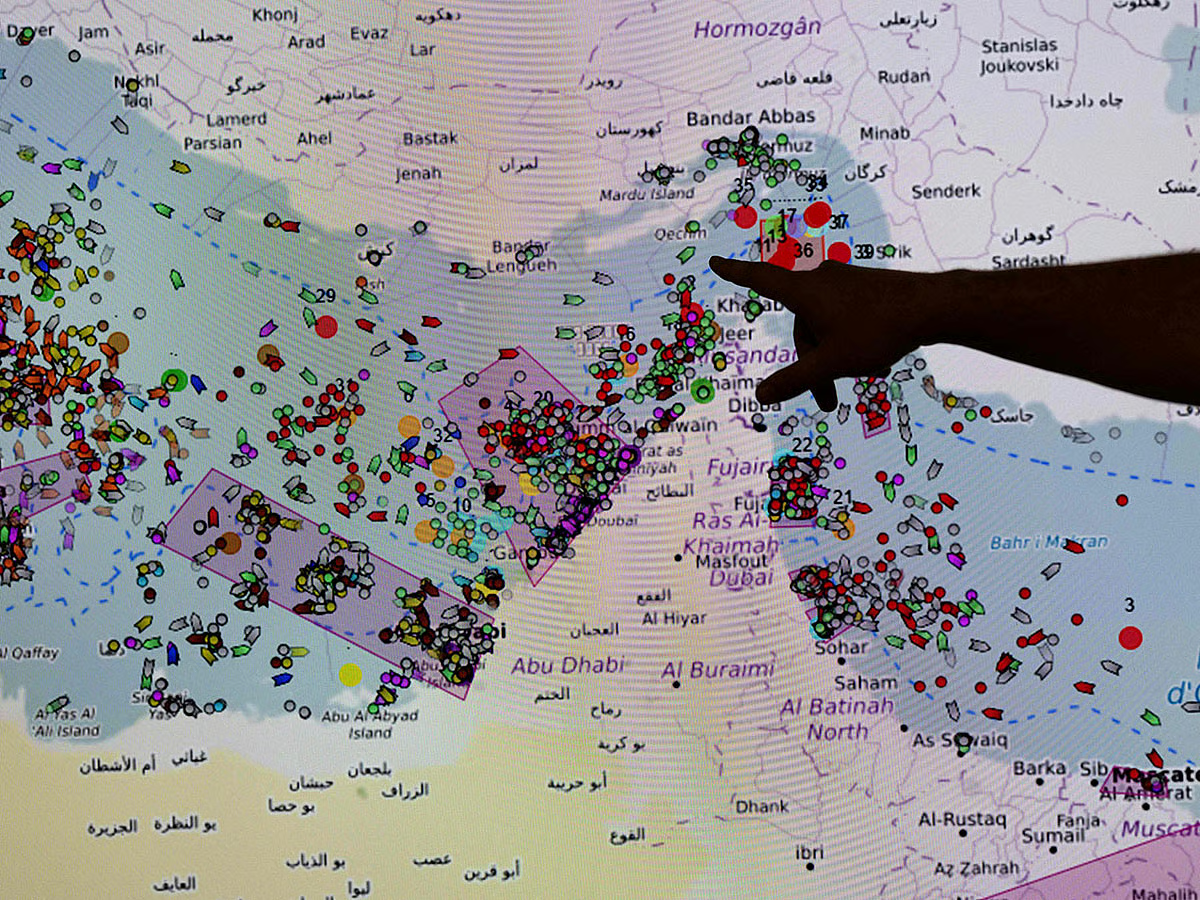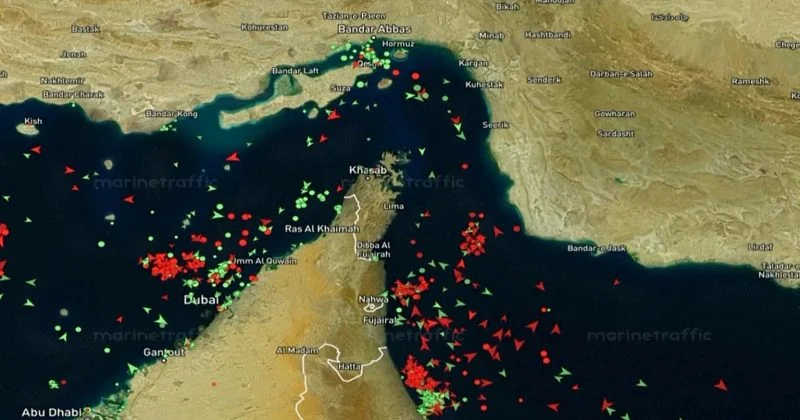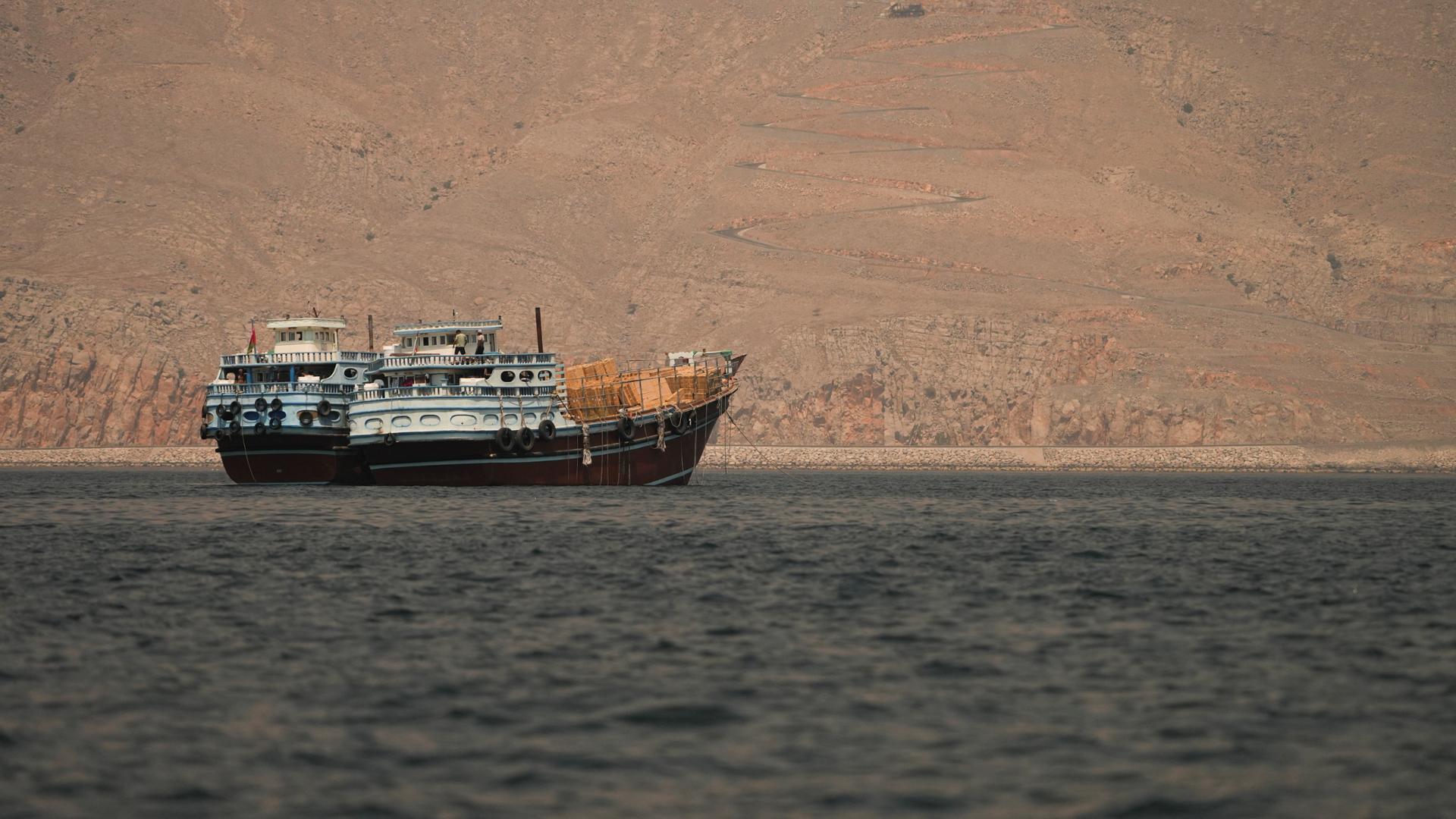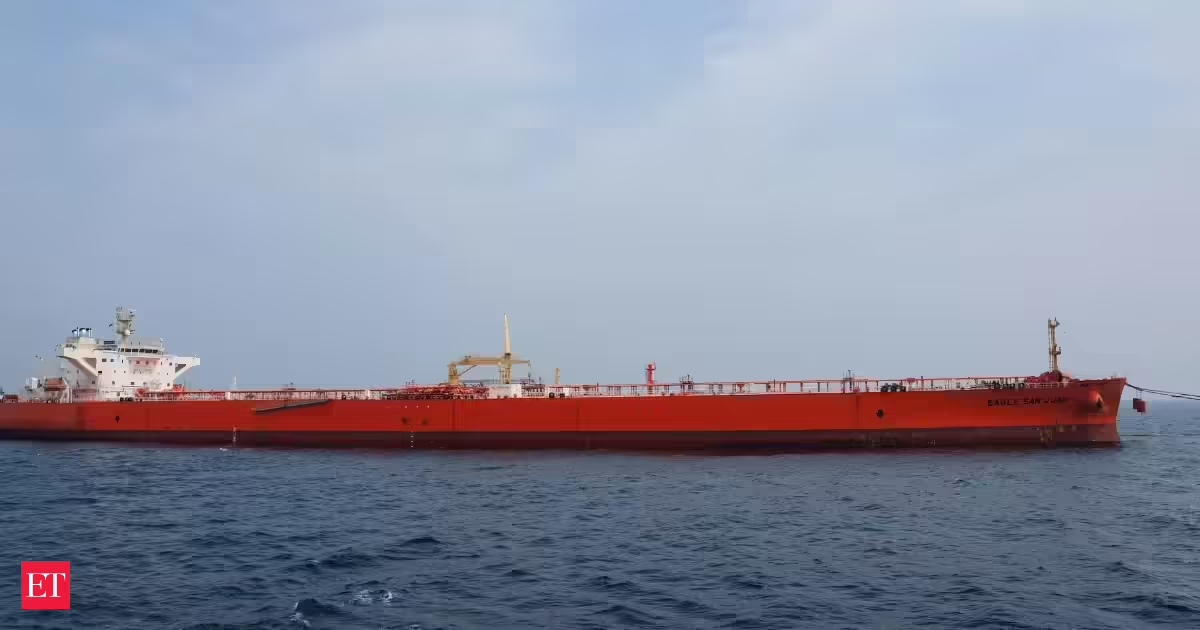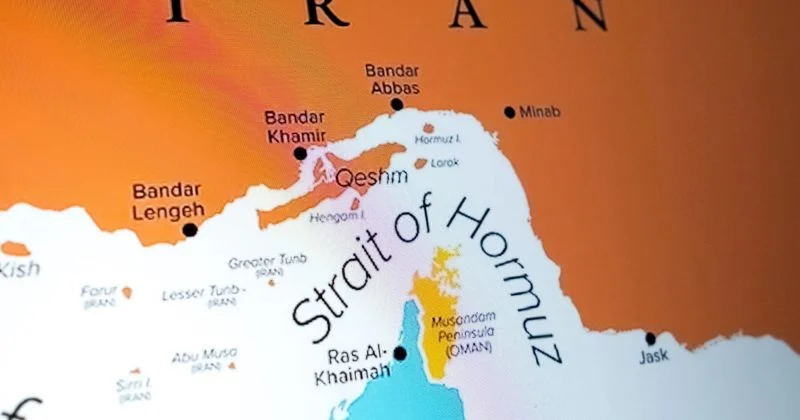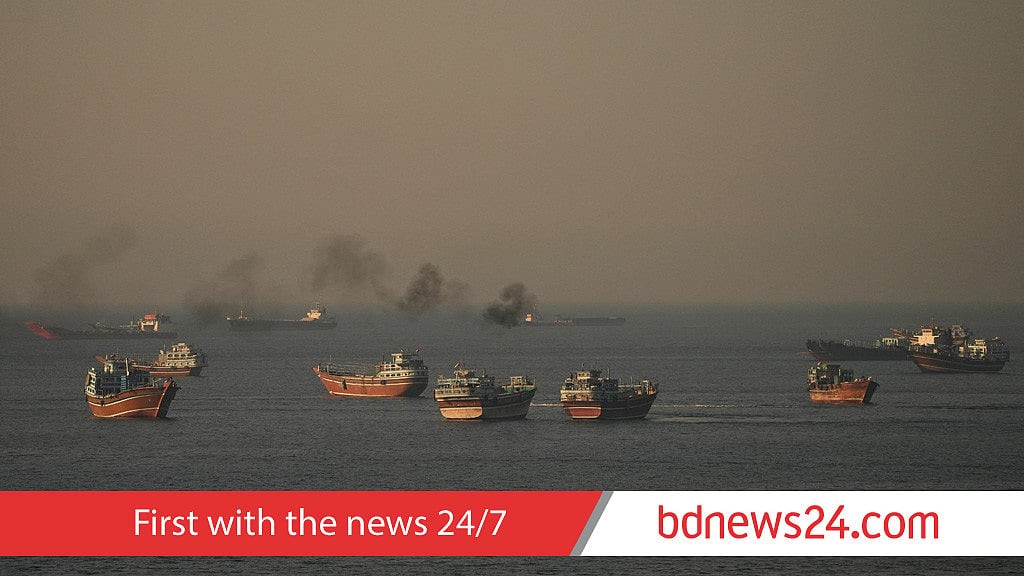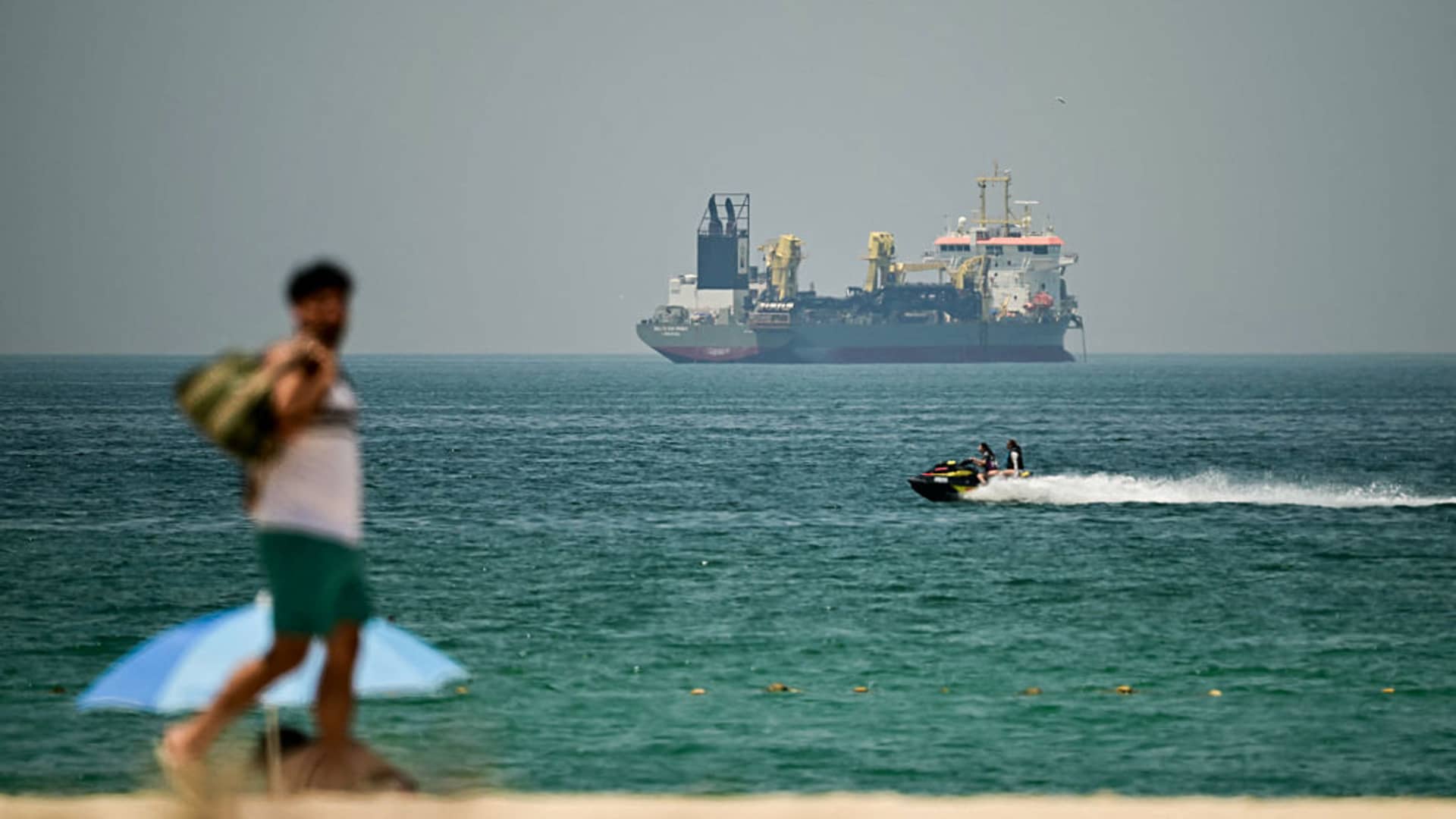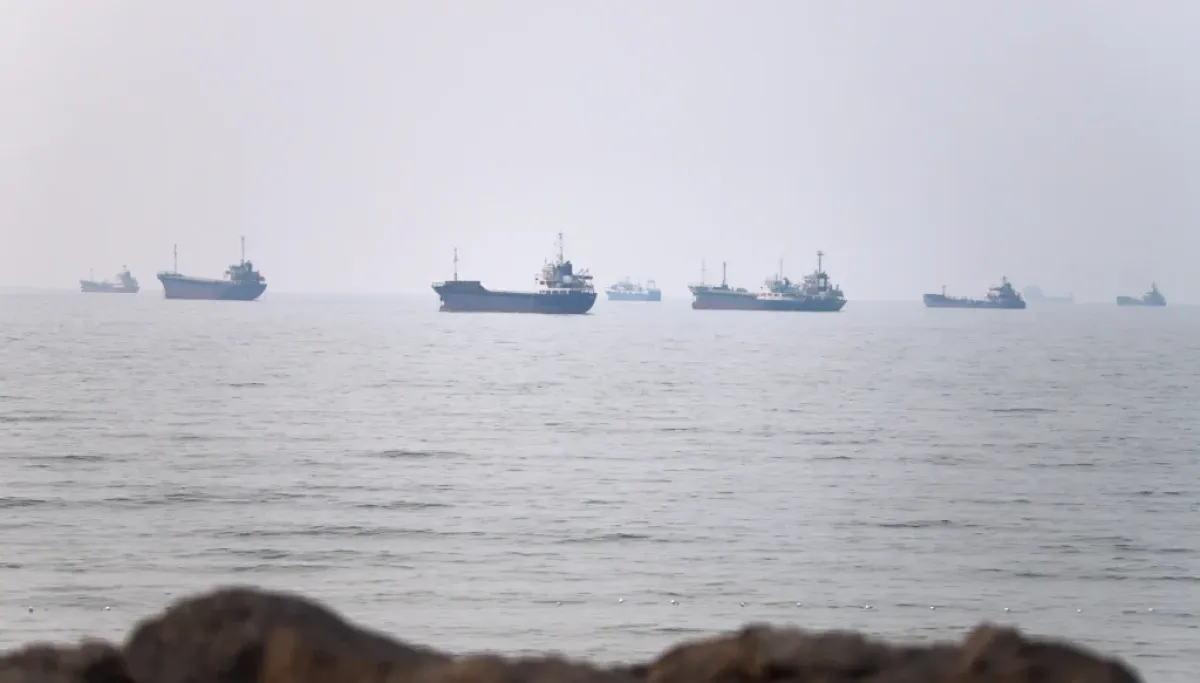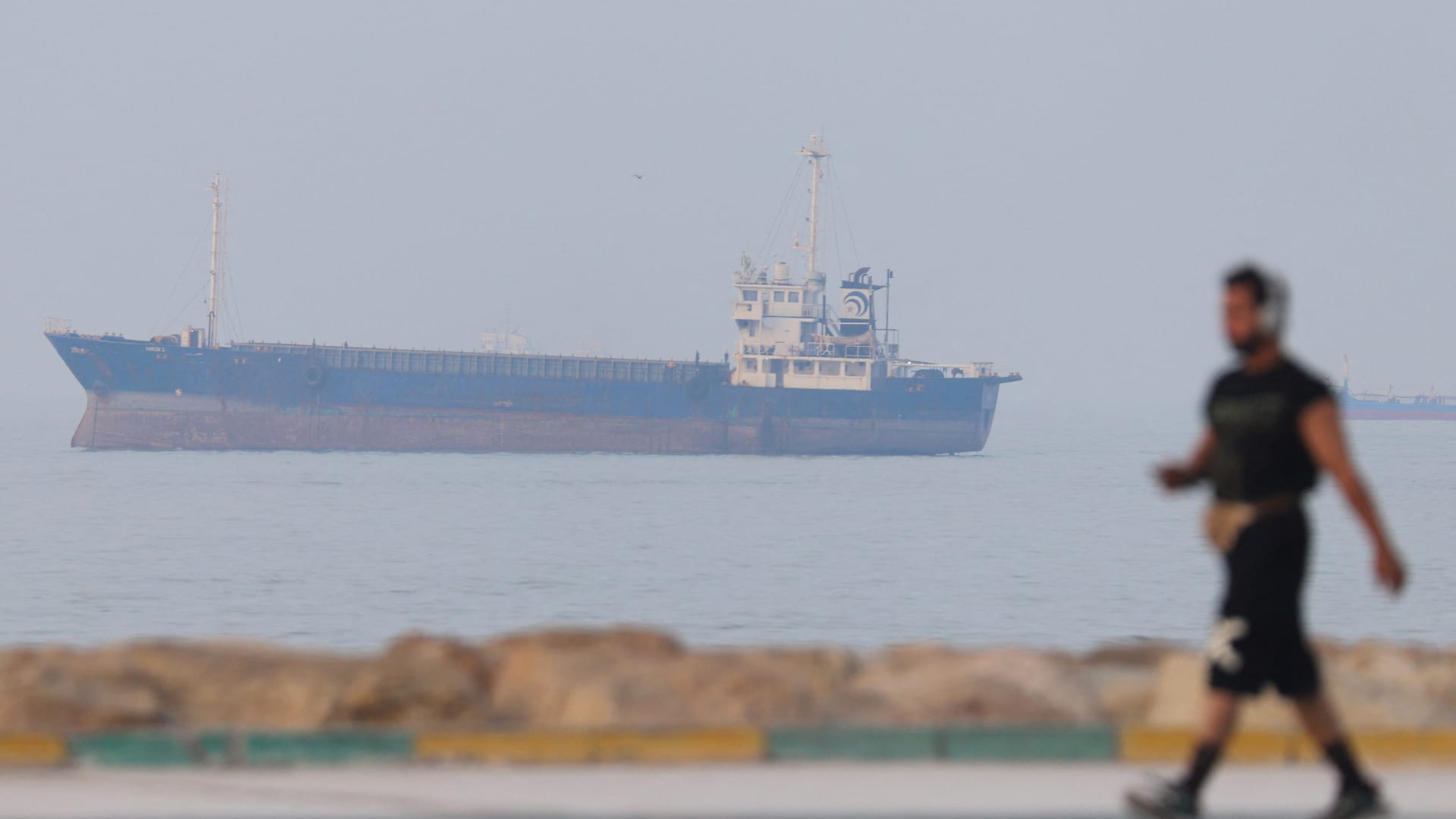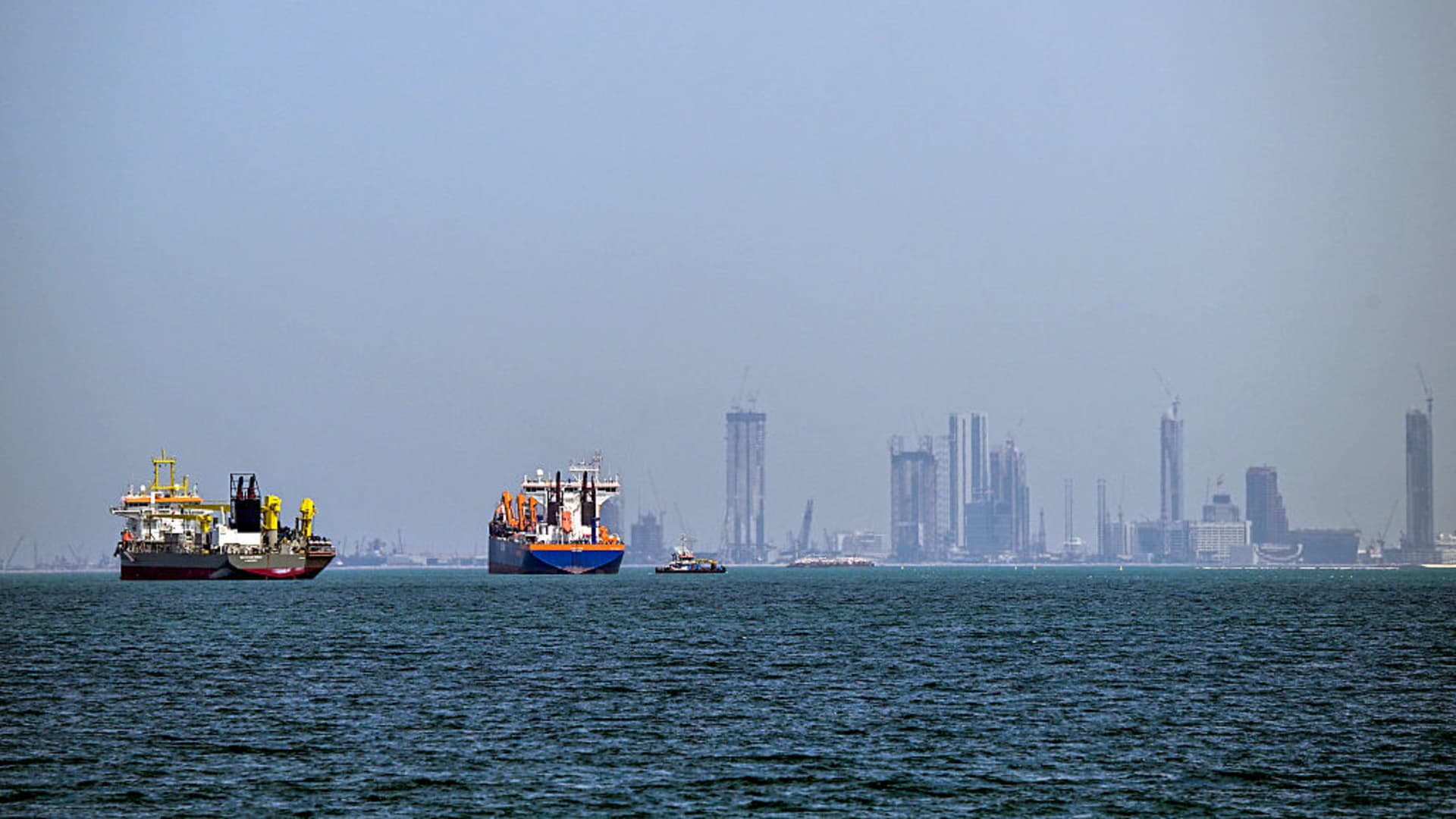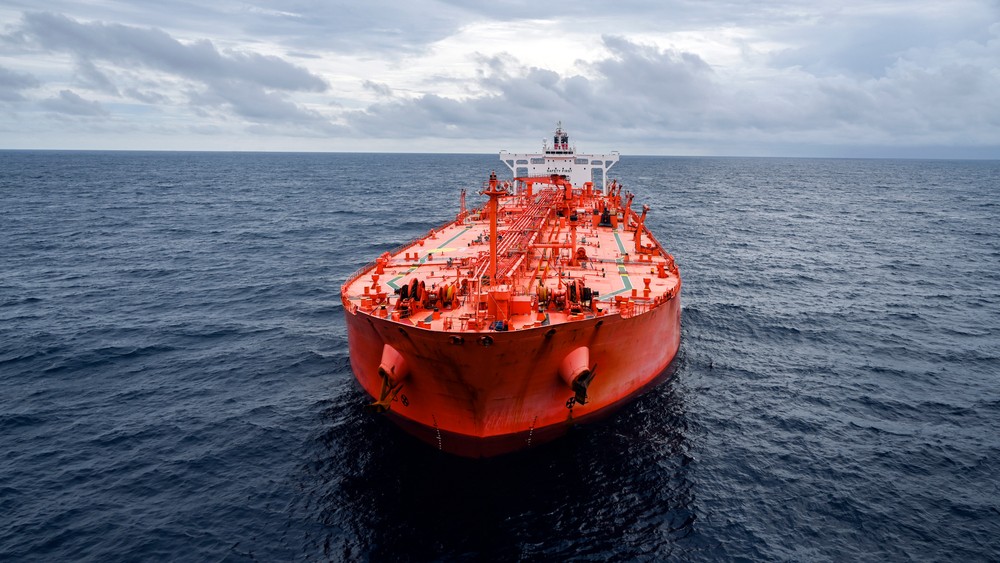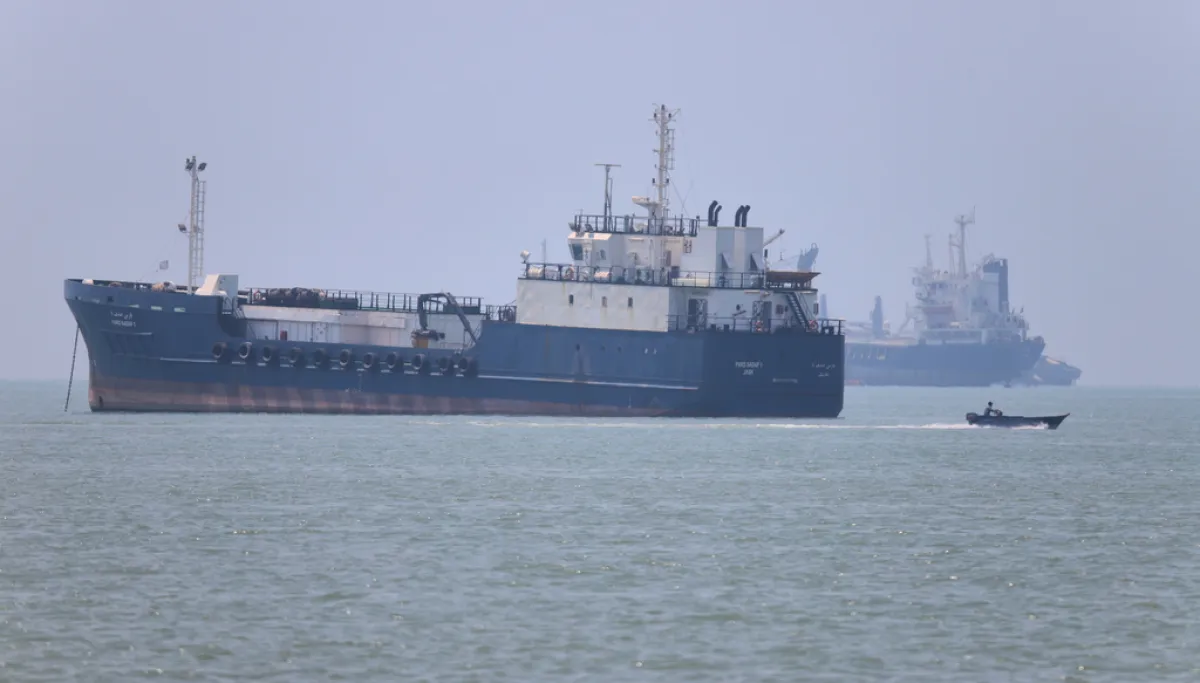
Traffic through the Strait of Hormuz picked up substantially over the weekend, even as shippers faced uncertainty about the Trump administration‘s efforts to end the war in the Middle East and the possibility of Iranian attacks.Over the weekend, oil flow through the Strait of Hormuz was moving at the fastest pace since the war started in late February. Tankers moved about 20 million barrels of crude through the waterway from Friday to Sunday, according to data compiled by Bloomberg.Crude oil prices fell Monday as investors digested news about the waterway, through which 20% of global oil demand traveled before the war. Brent crude, the international benchmark, was down more than 3% to under $78 per barrel as of midafternoon. West Texas Intermediate, the U.S. benchmark, also fell 2.5% to under $74. WTI has not closed under $75 since early March, right after the war began.
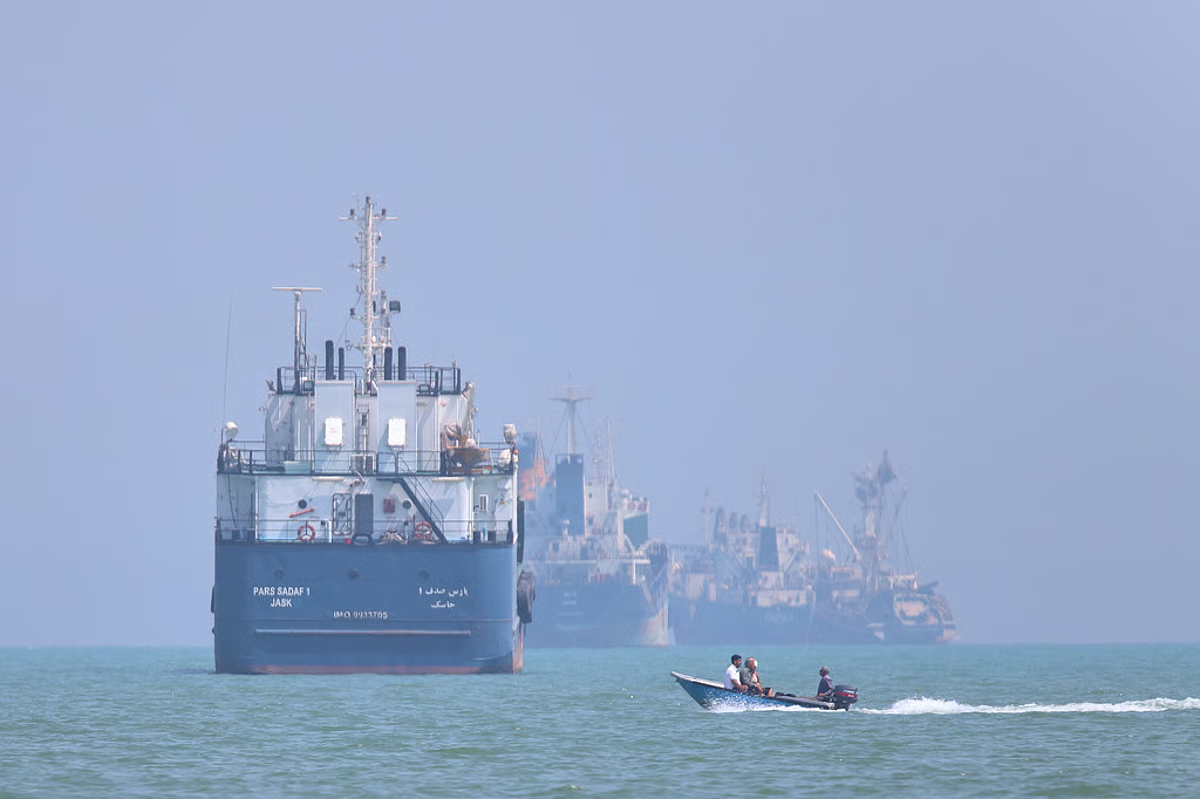
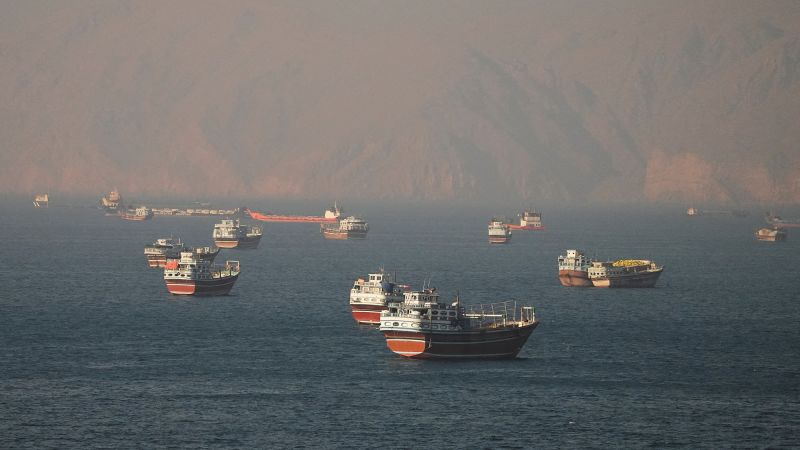
Vice President JD Vance said Monday that the Strait of Hormuz is open, adding that millions of barrels of crude and natural gas are flowing through the waterway. He added that negotiators plan to work on a mechanism to keep the strait open.Vance had traveled to Switzerland over the weekend to take part in high-level negotiations with Iranian officials and mediators on a final agreement to end the war in the Middle East. The vice president on Monday said the two sides ”made a lot of good progress” during those discussions.Still, the process has been rocky. Iran announced Saturday that strait would be closed, following Israel’s continued strikes against Lebanon.The Financial Times reported Monday that more than 400 large ships remain halted outside the strait, reflecting that it is not yet easy to pass through.Iran’s Persian Gulf Strait Authority has announced several bureaucratic measures that ships must obtain before moving through the waterway. The group is now requiring ships transiting the waterway to secure permits and obtain insurance coverage. Iranian officials have said they will not impose tolls on ships for the 60 days envisioned for talks in the memorandum of understanding signed last week, but that the insurance could involve a fee after that point.Even with traffic slowly resuming, the safety of ships crossing the strait has been a significant concern among those in the shipping and maritime industry, as Iran has reportedly placed mines throughout the route.Ian Ralby, a global maritime security expert and president of Auxilium Worldwide, told the Washington Examiner that the “open-closed narrative is kind of ridiculous” because the key question is not whether the strait is open or closed, but whether it is “safe and passable.”He added that there are three impediments to ships: Iran’s efforts to impose bureaucracy, the risk of naval mines, and obtaining insurance coverage.“All three of those are making it so that a lot of the ship owners are sitting still,” Ralby said.TREASURY DEPARTMENT WAIVERS IRANIAN OIL SANCTIONS IN A STEP FORWARD FOR TALKS“We’ve got a boy-who-cried-wolf situation, where everybody has been making these bold announcements for months, and none of them are proving to be the case,” Ralby added. “And so the shipping industry needs clarity, certainty, and consistency for more than just a few hours.”Vance noted that, as part of the negotiations, the United States also wants to ensure that there is a coordination mechanism to de-mine the strait.