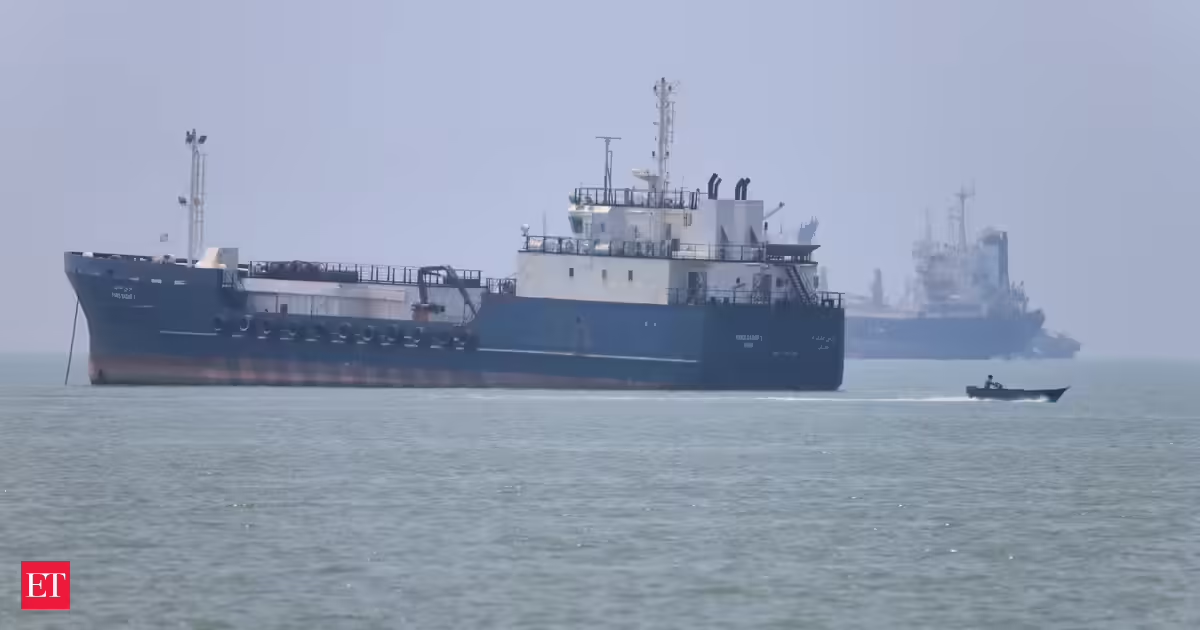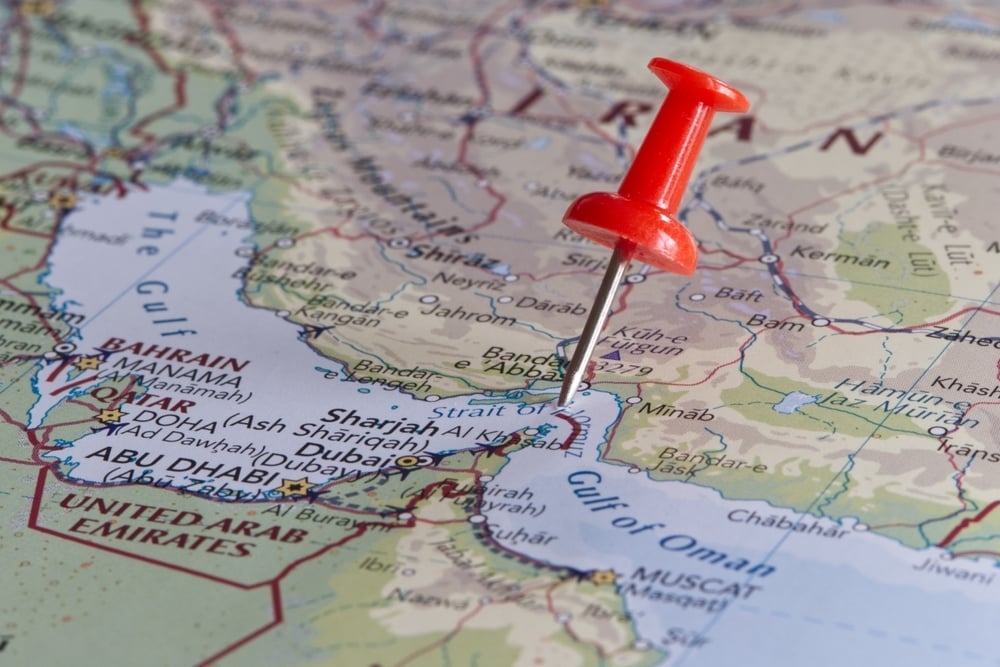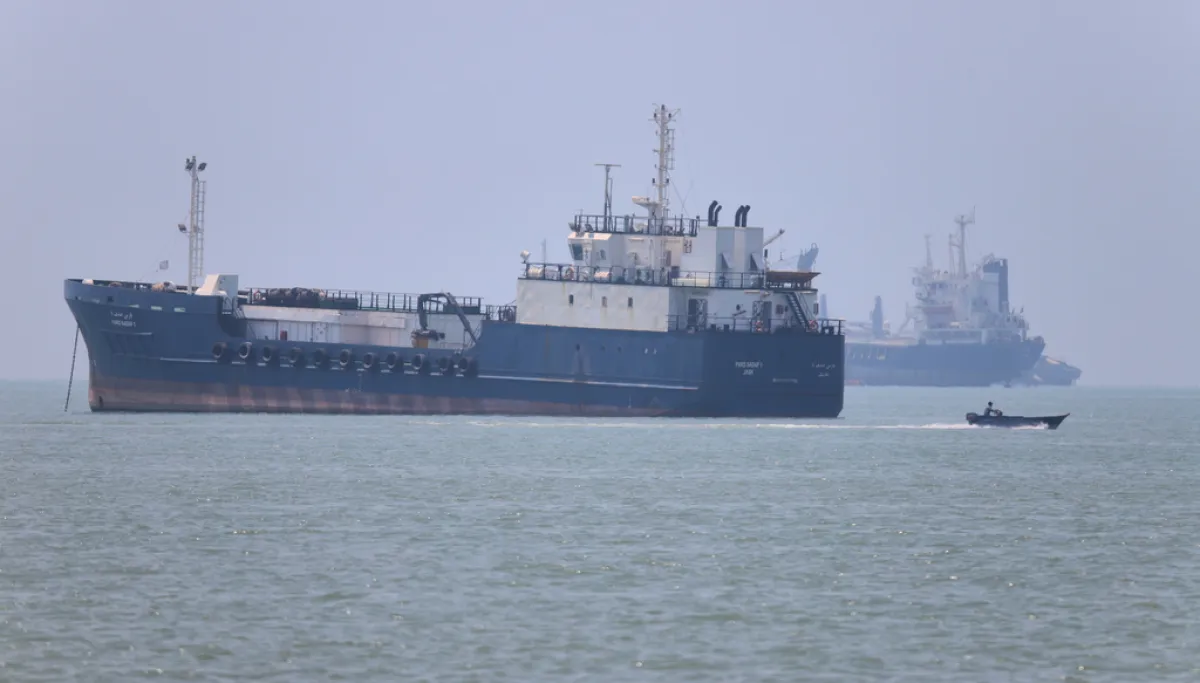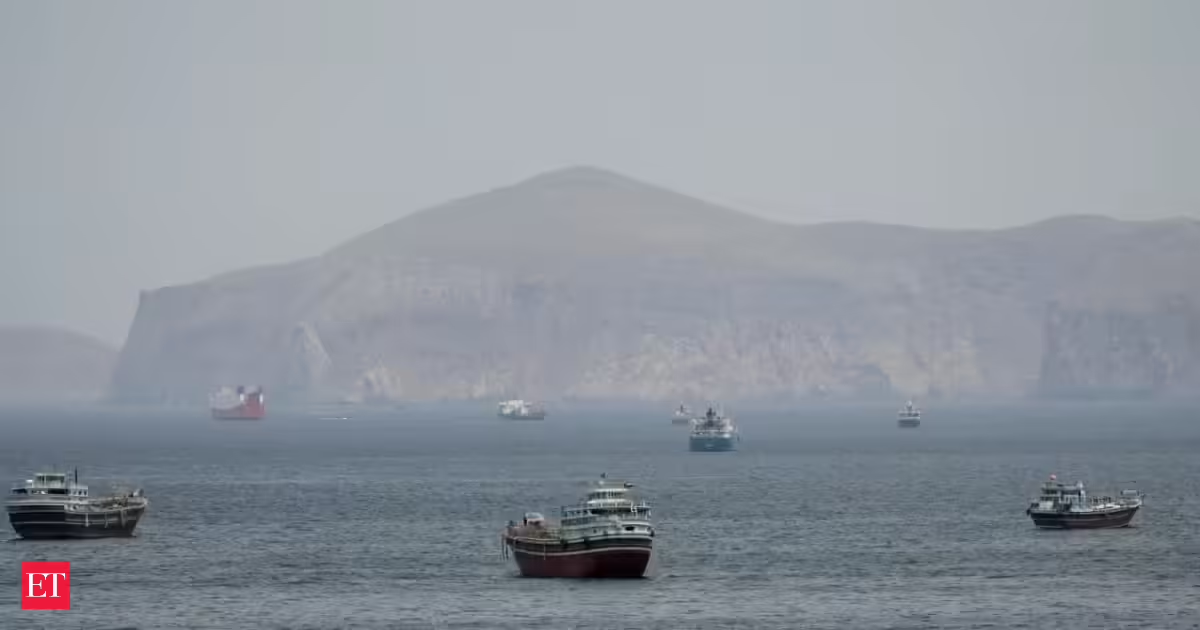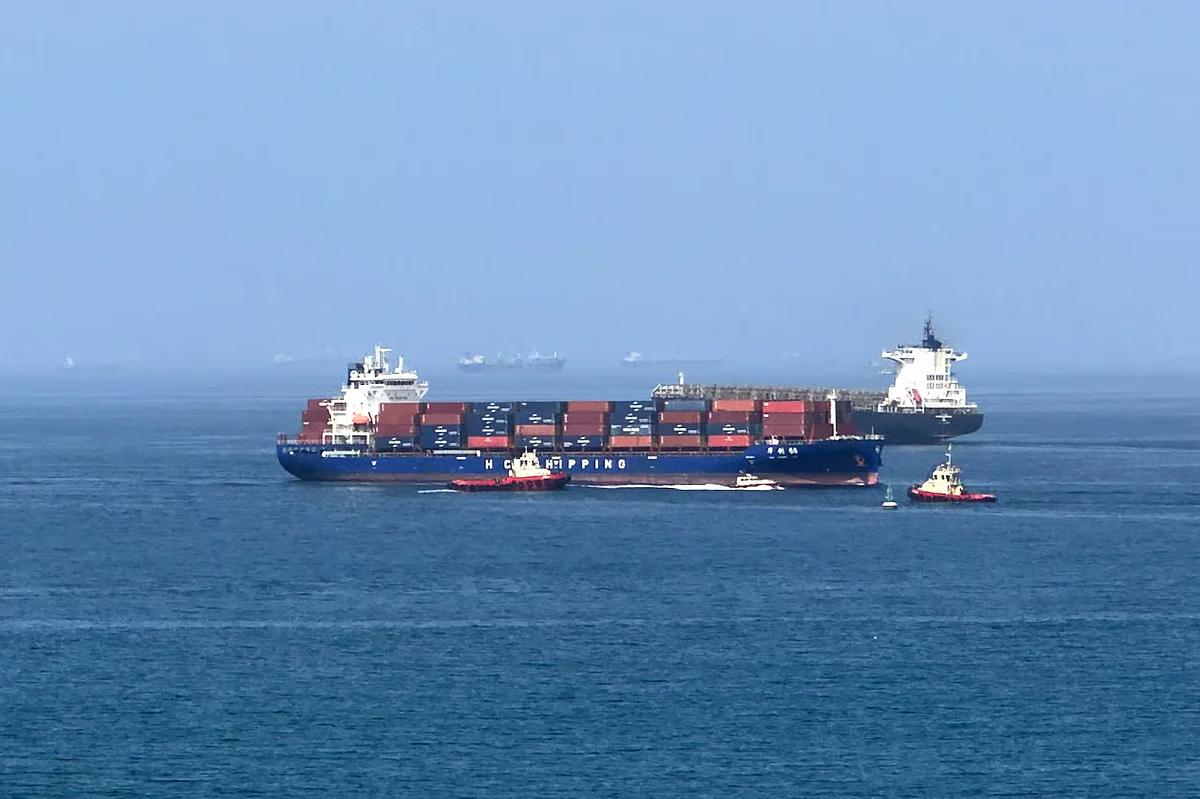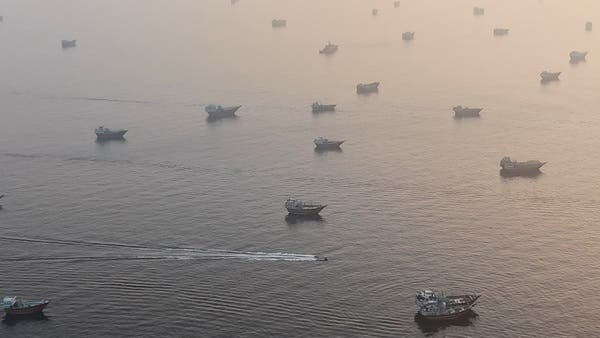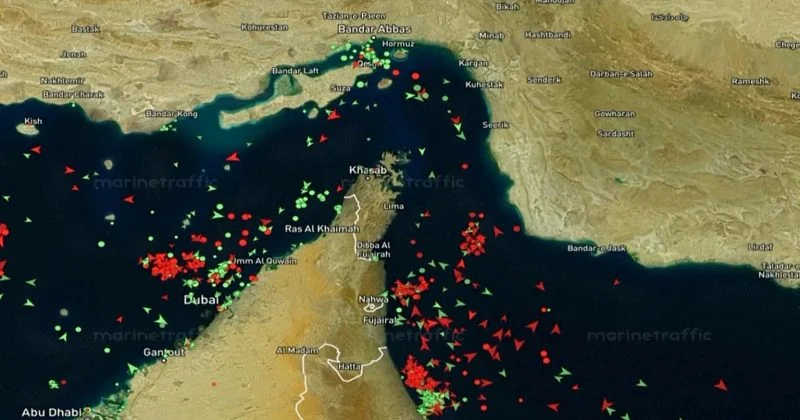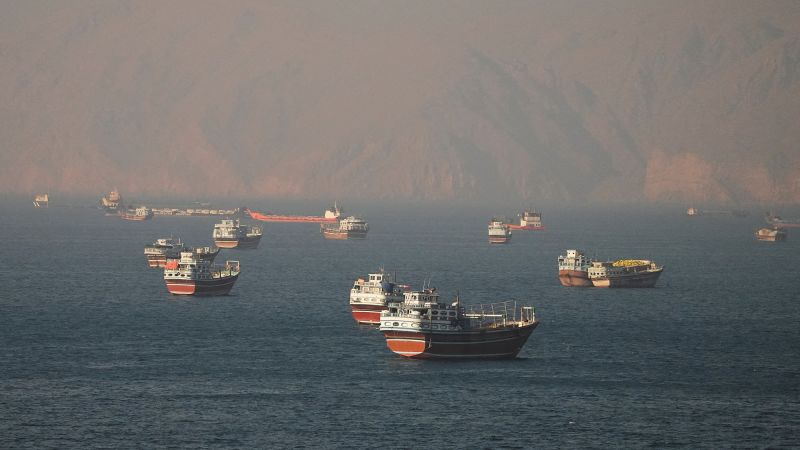
The Strait of Hormuz has seen more traffic in the last week than it has in the past three months. But that could slow down as a critical evacuation plan is put on hold.
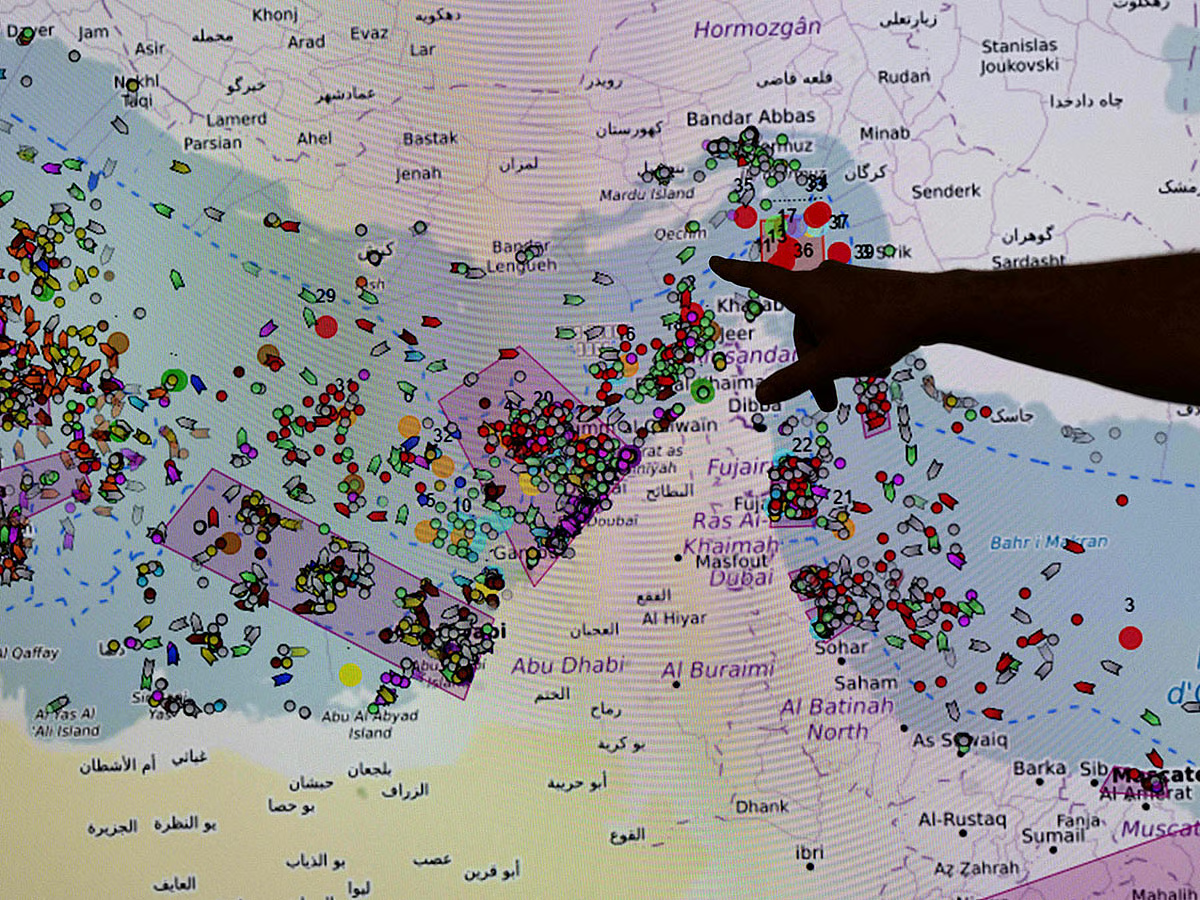
Seventy vessels transited the critical waterway on Wednesday, the highest number since the war with Iran began in late February, according to Marine Traffic. That’s a 105% increase – about double – from Tuesday.
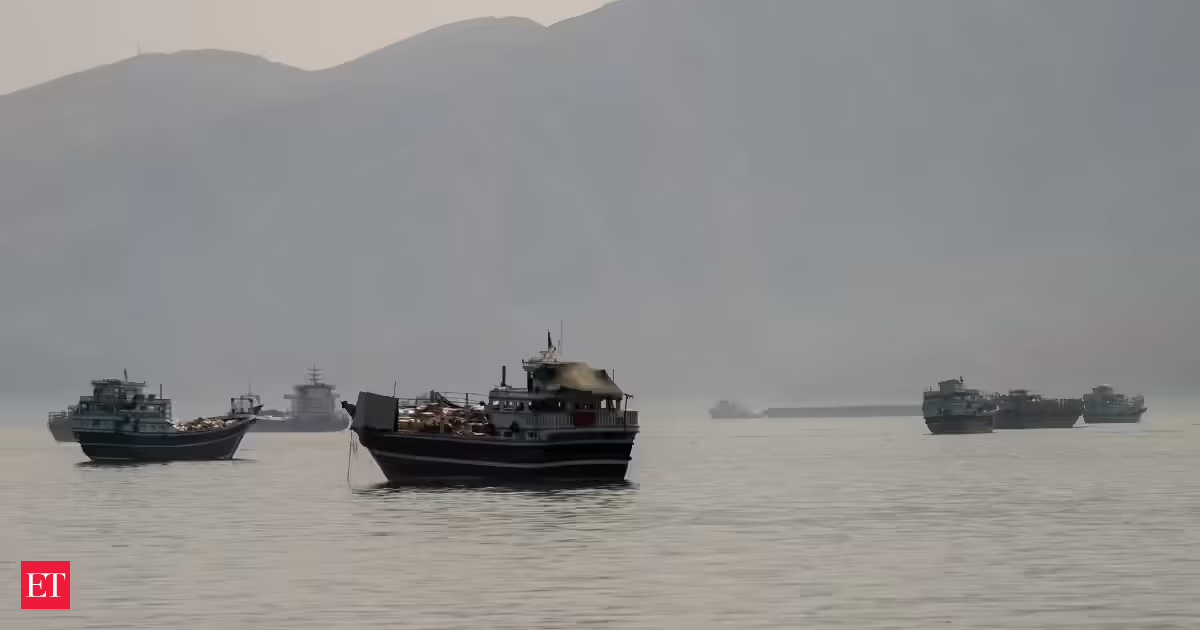
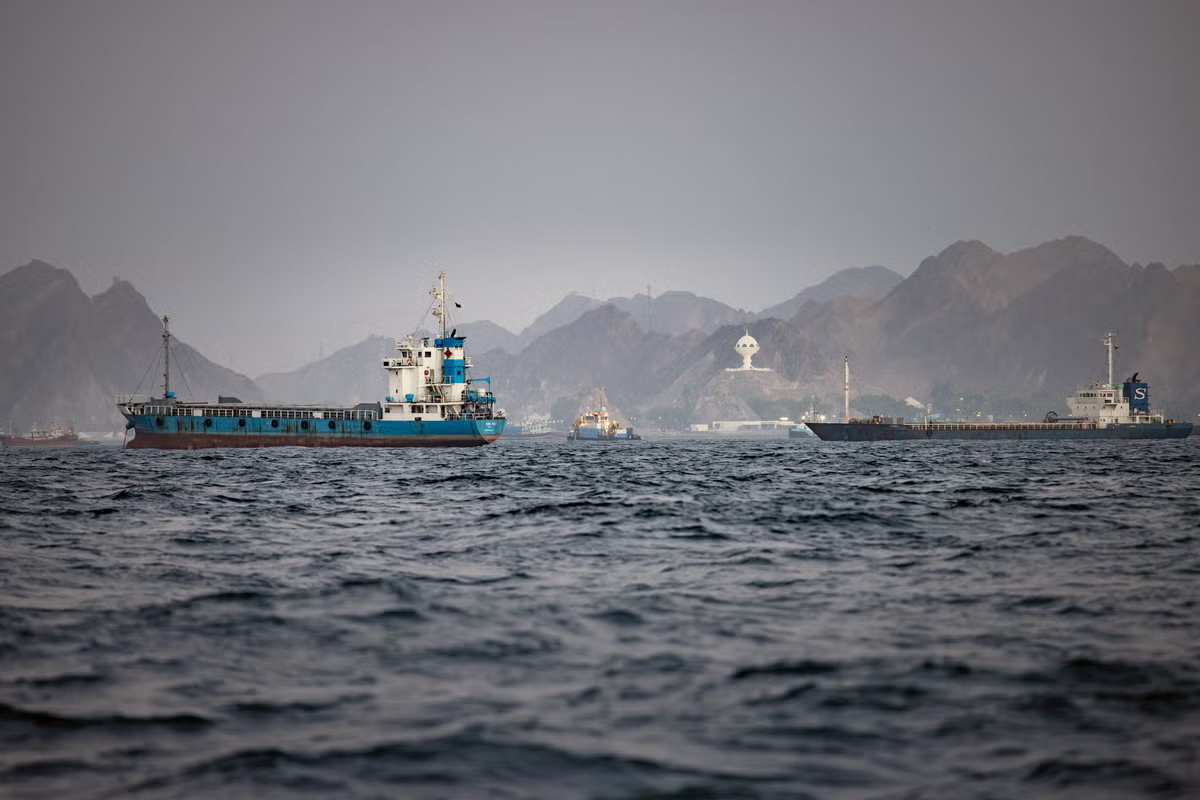
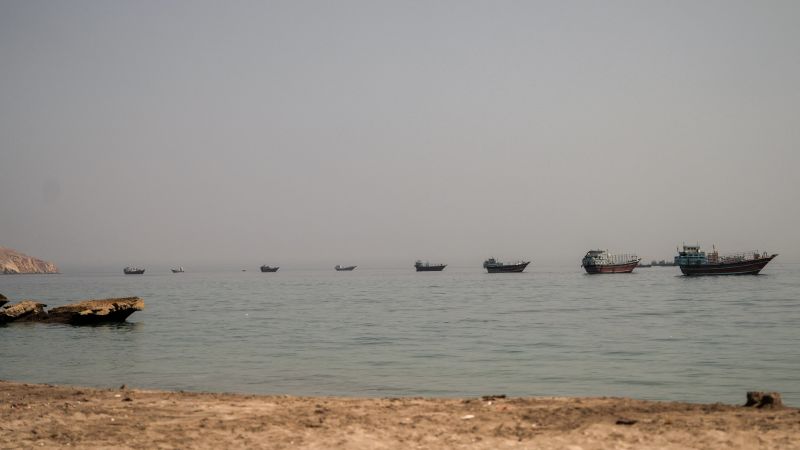
The spike in traffic comes after the United States lifted sanctions on Iranian oil earlier this week, part of the ceasefire agreement between the two countries. The United Nations and the International Maritime Organization, or IMO, also launched a humanitarian effort to get 11,000 stranded seafarers and 500 vessels out of the strait.
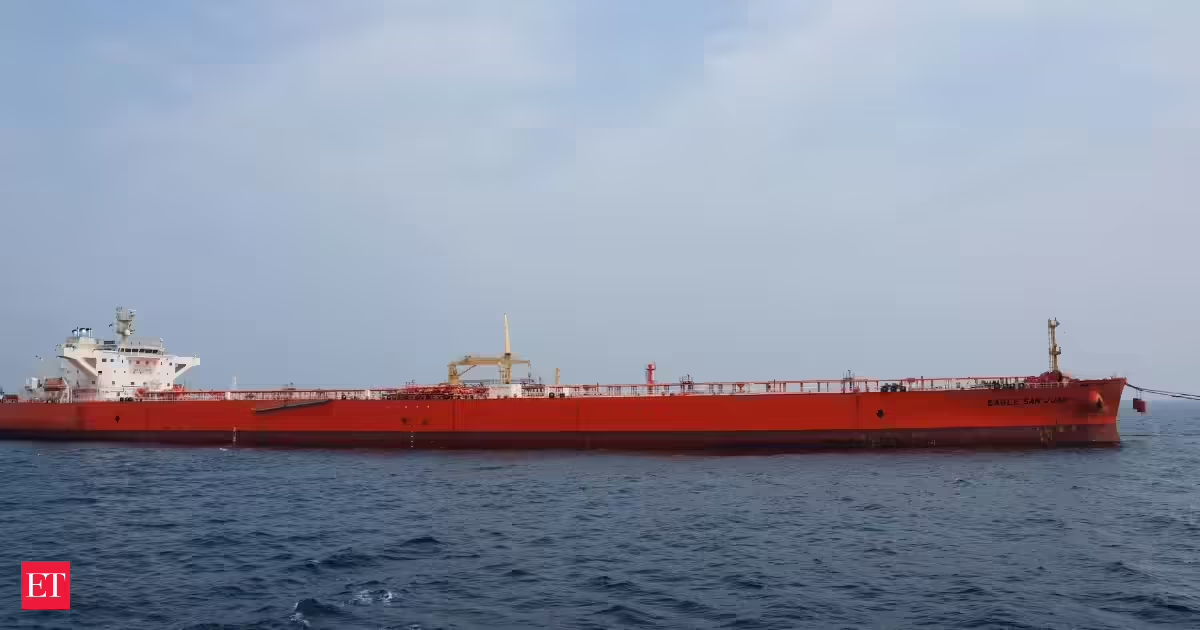
“What we’re seeing are the ships that were sitting in the Gulf for this elongated period of time starting to move out with a focus on humanitarian aid to get the seafarers out and then a couple of chosen tankers when sanctions were lifted,” said Gene Seroka, executive director of the Port of Los Angeles, who spent half a decade working for a major shipping line the Middle East. “So, this is not just a full-fledged green flag, everybody start running through the strait.”
Before the war, experts estimate 110 to 160 vessels used to sail through the passage between Iran and Oman daily. Since the fighting choked off the strait, an average of fewer than ten vessels per day have transited the 21-mile passageway.