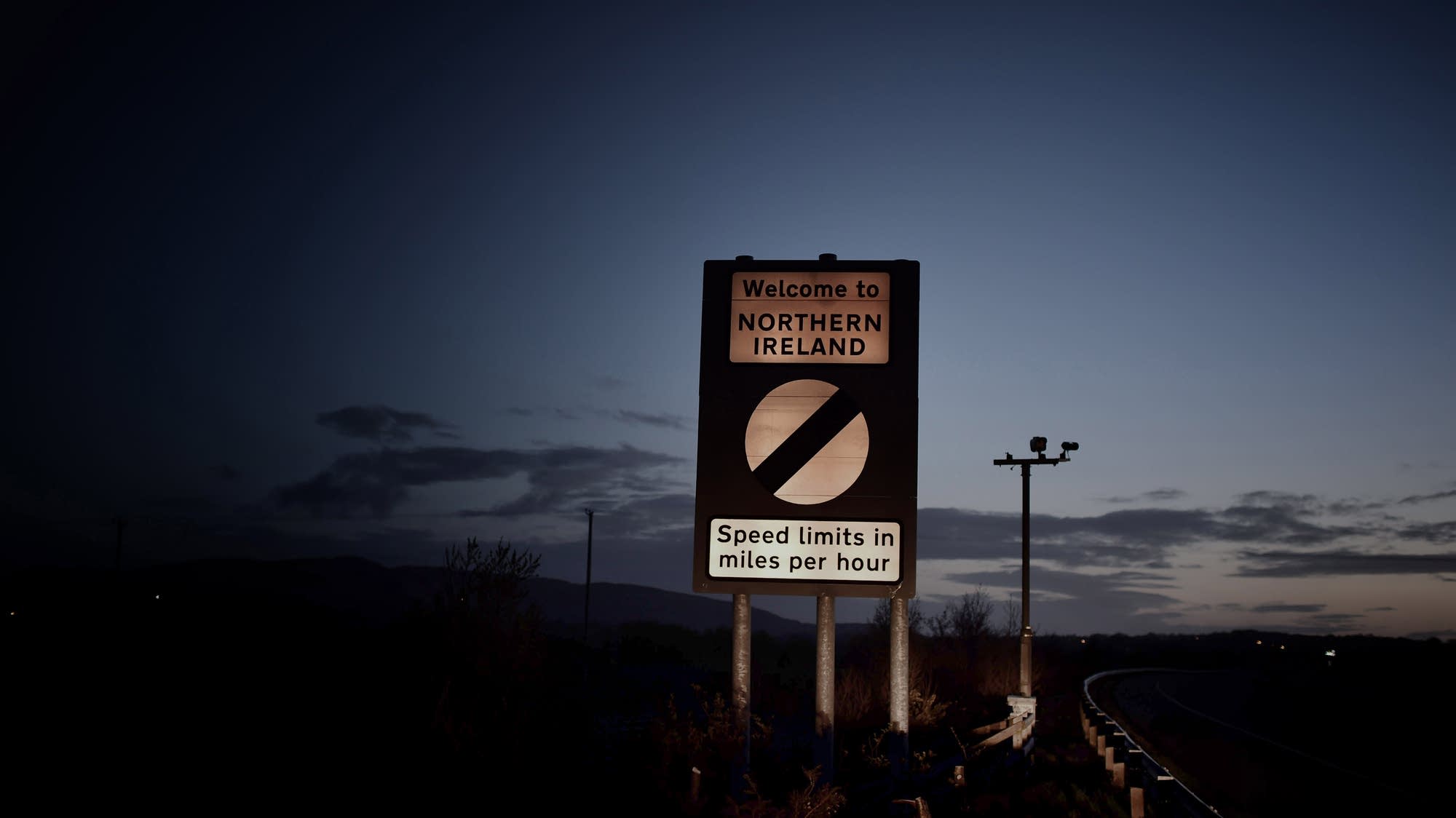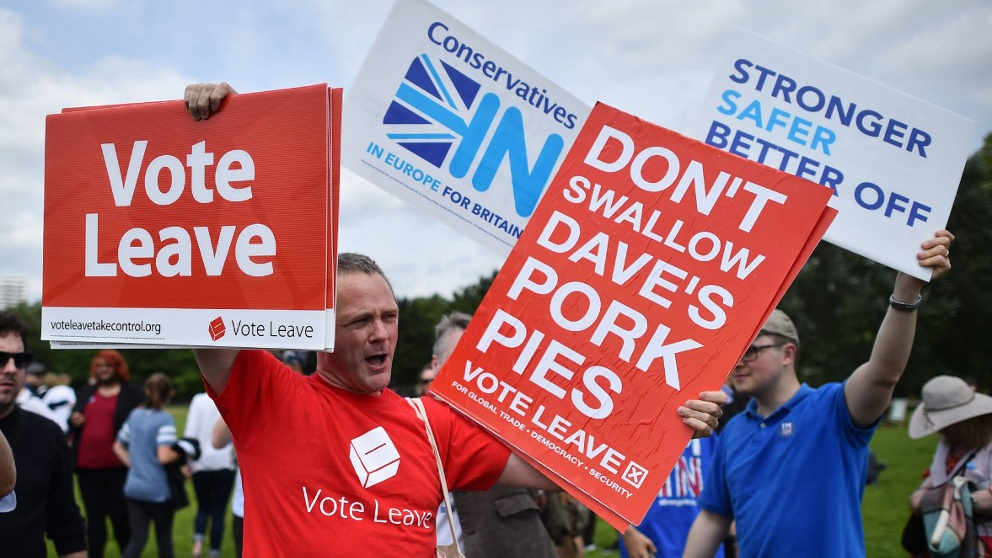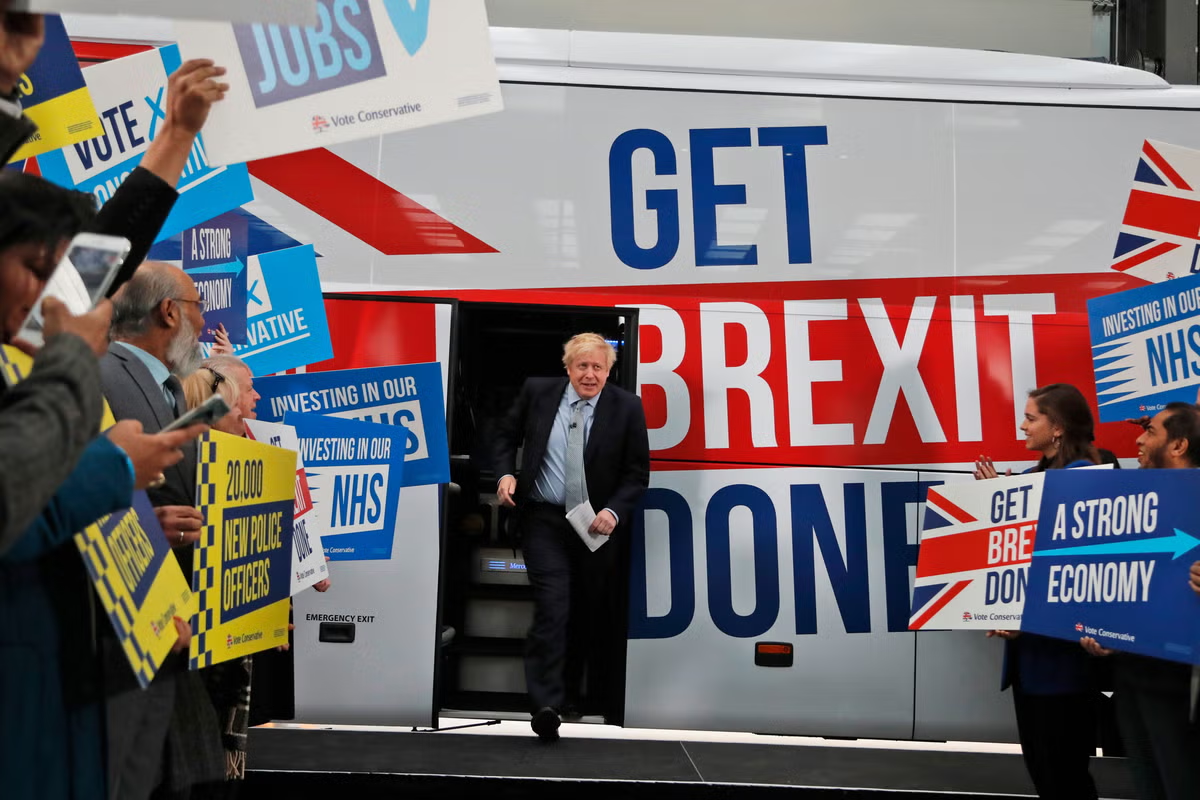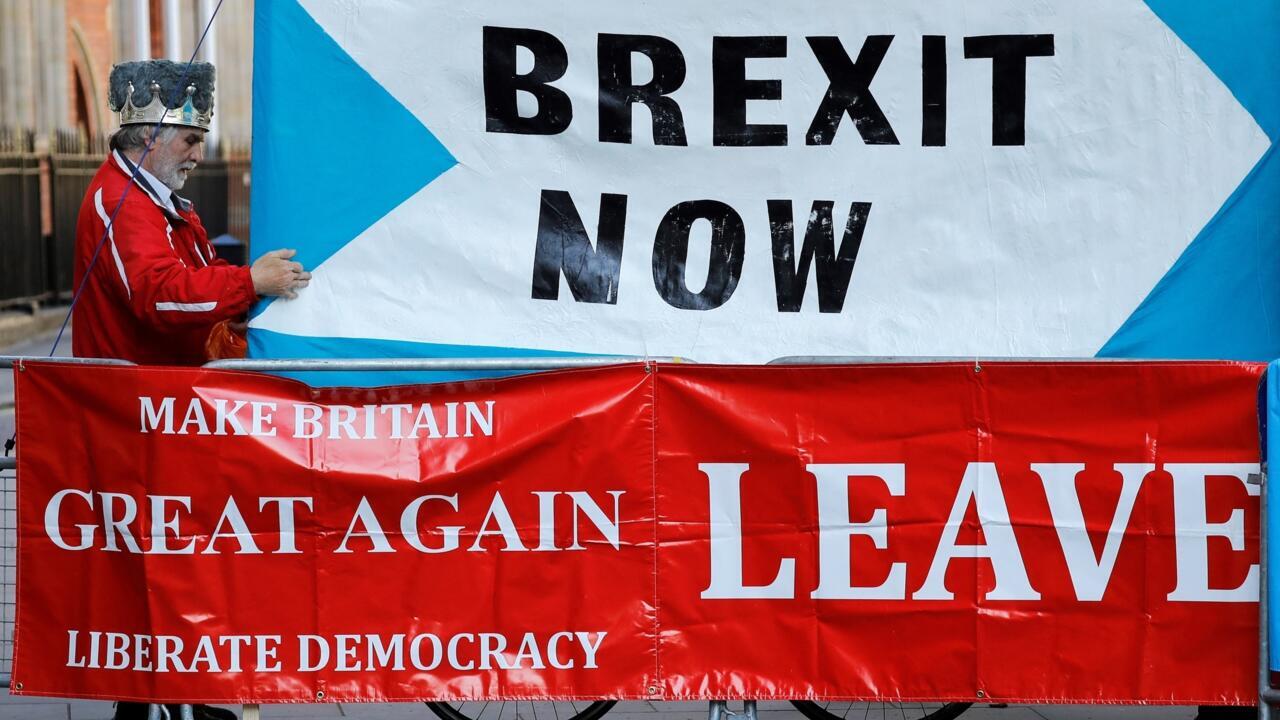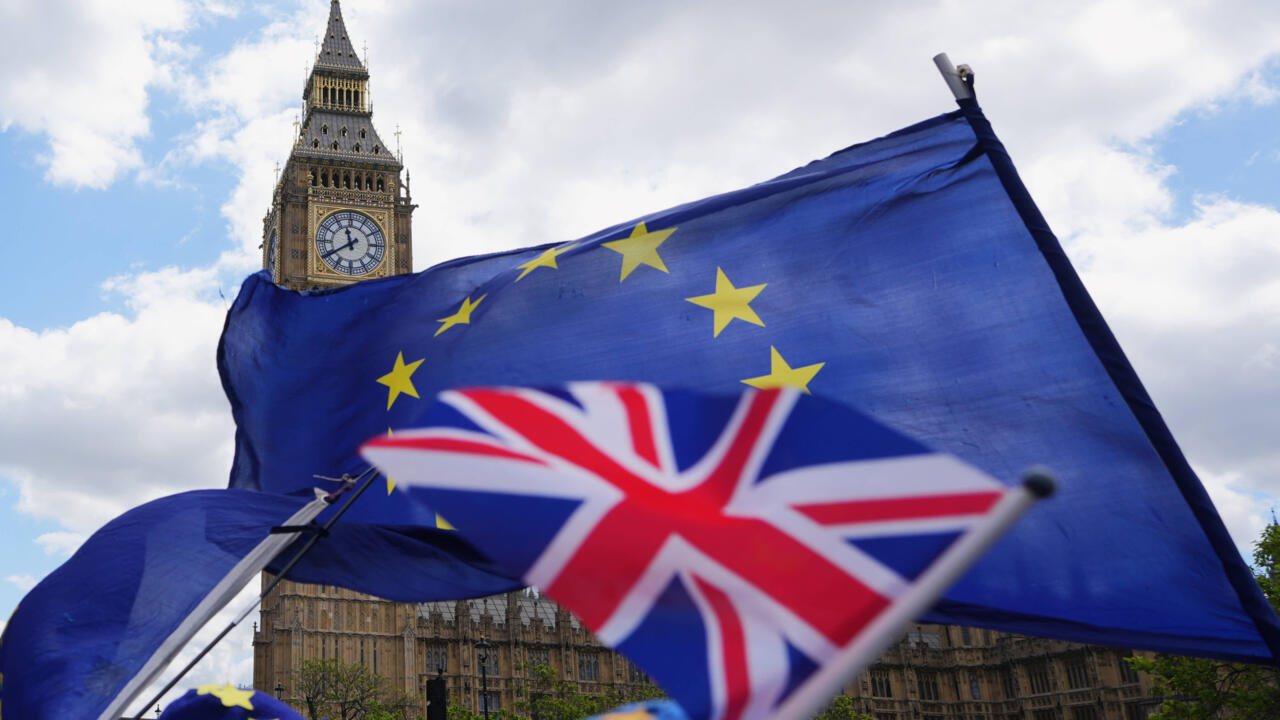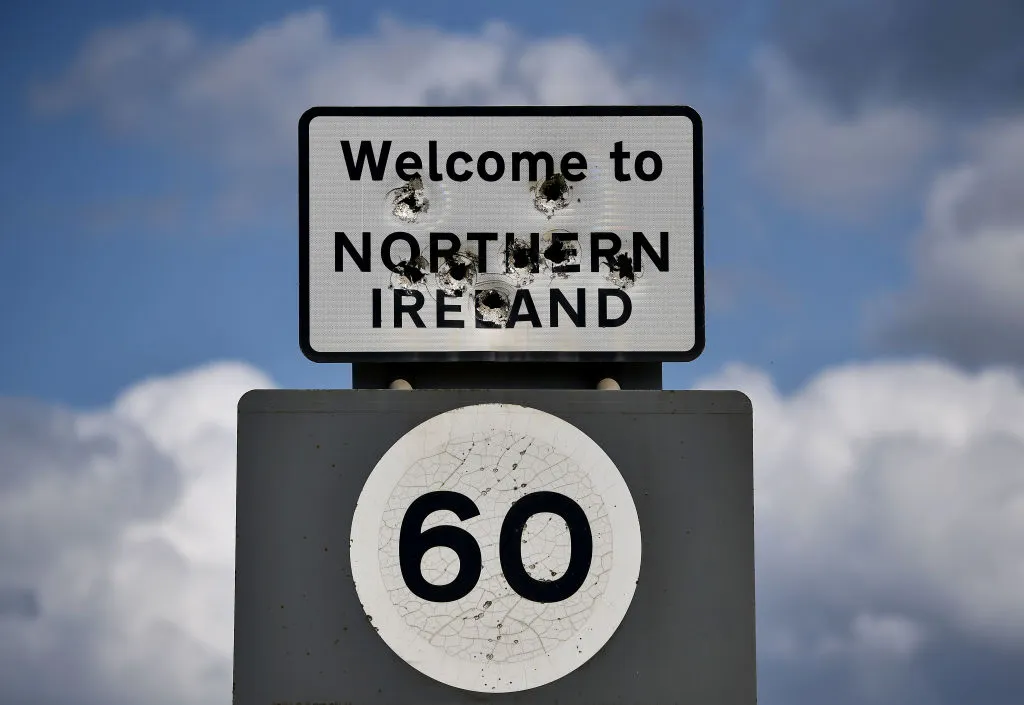
In the decade since the vote to leave the European Union, arguably no issue has consumed more energy, column inches, political capital and careers than how to solve the problem of Northern Ireland.
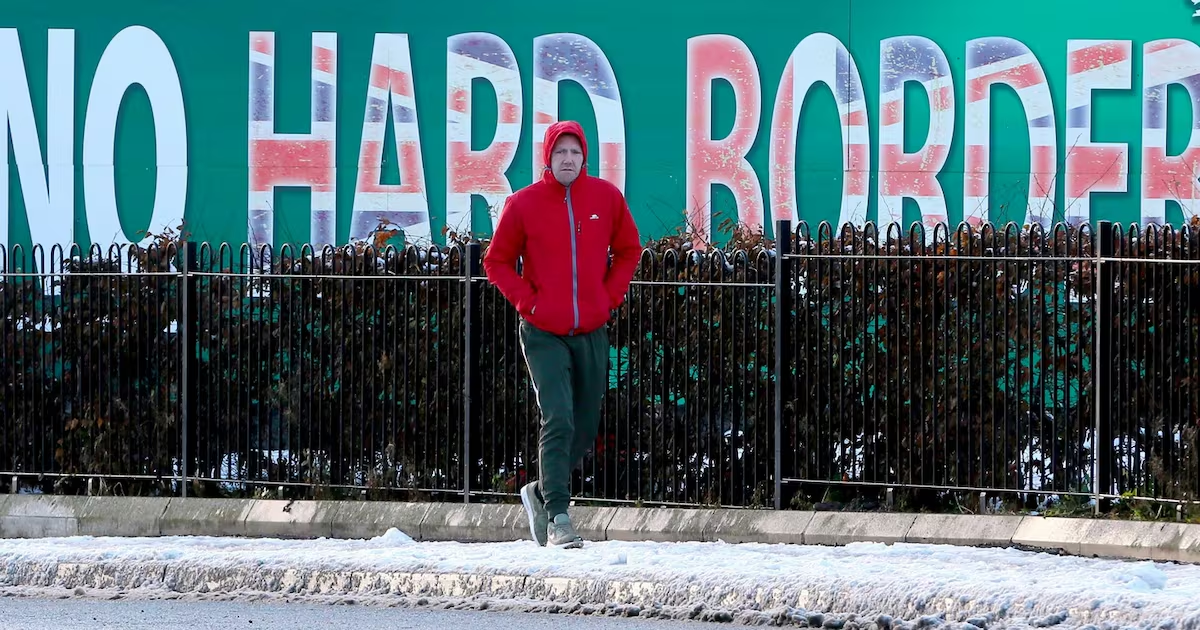
It was on that narrow, jagged border between North and South that the substantive skirmishes took place between the UK and EU on what their future relationship would look like. While Michel Barnier and Lord Frost arguing the toss over the finer points of agri-food regulation may lack the lustre of the Battle of the Boyne or the romantic connotations of 1916, it was no less significant a moment in Northern Ireland’s history.
While unionism has been a loser of Brexit, the seeds of that defeat were not sown in Belfast but in Whitehall, particularly in the Northern Ireland Office, Foreign Office and of course, Downing Street
The unequivocal losers in this affair have been those who value Northern Ireland’s status and position in the UK. This decade has seen disaster stacked upon disaster. Unionism now plays second fiddle to nationalism at Stormont and, courtesy of the Windsor Framework, a sea border segregates Northern Ireland from the rest of the UK economy.
It is very easy to blame the DUP for this. As Brexit supporters, they had their brief moment in the sun in Westminster with their confidence and supply agreement with the Conservatives following the 2017 general election. But this amounted to nothing as Theresa May and her successors traded away Northern Ireland’s equality of citizenship within the United Kingdom.