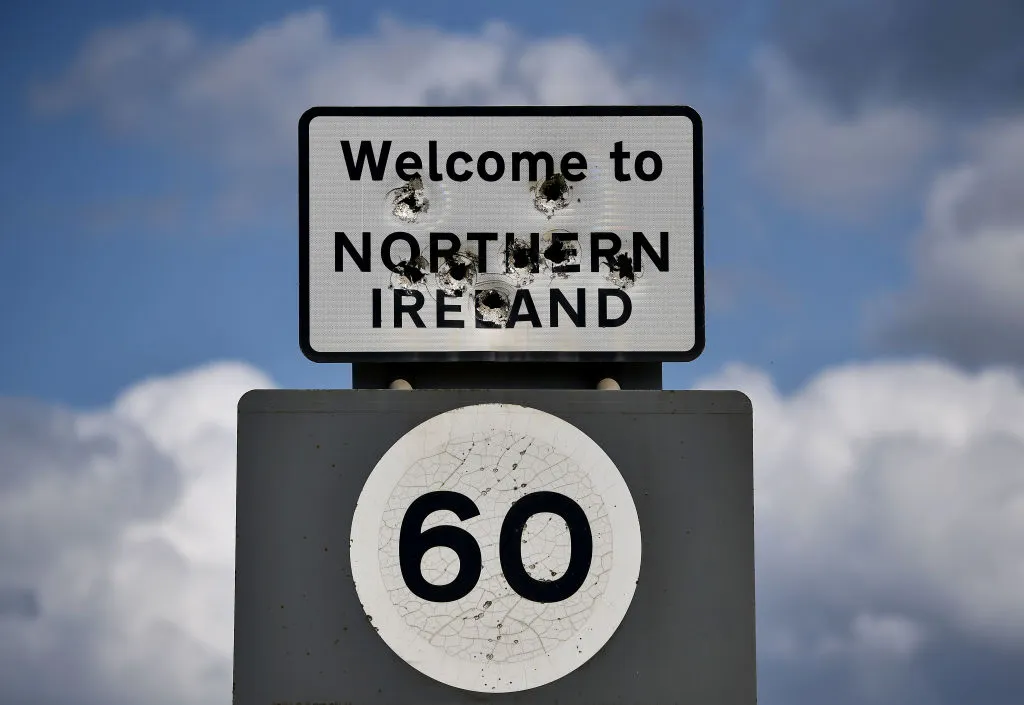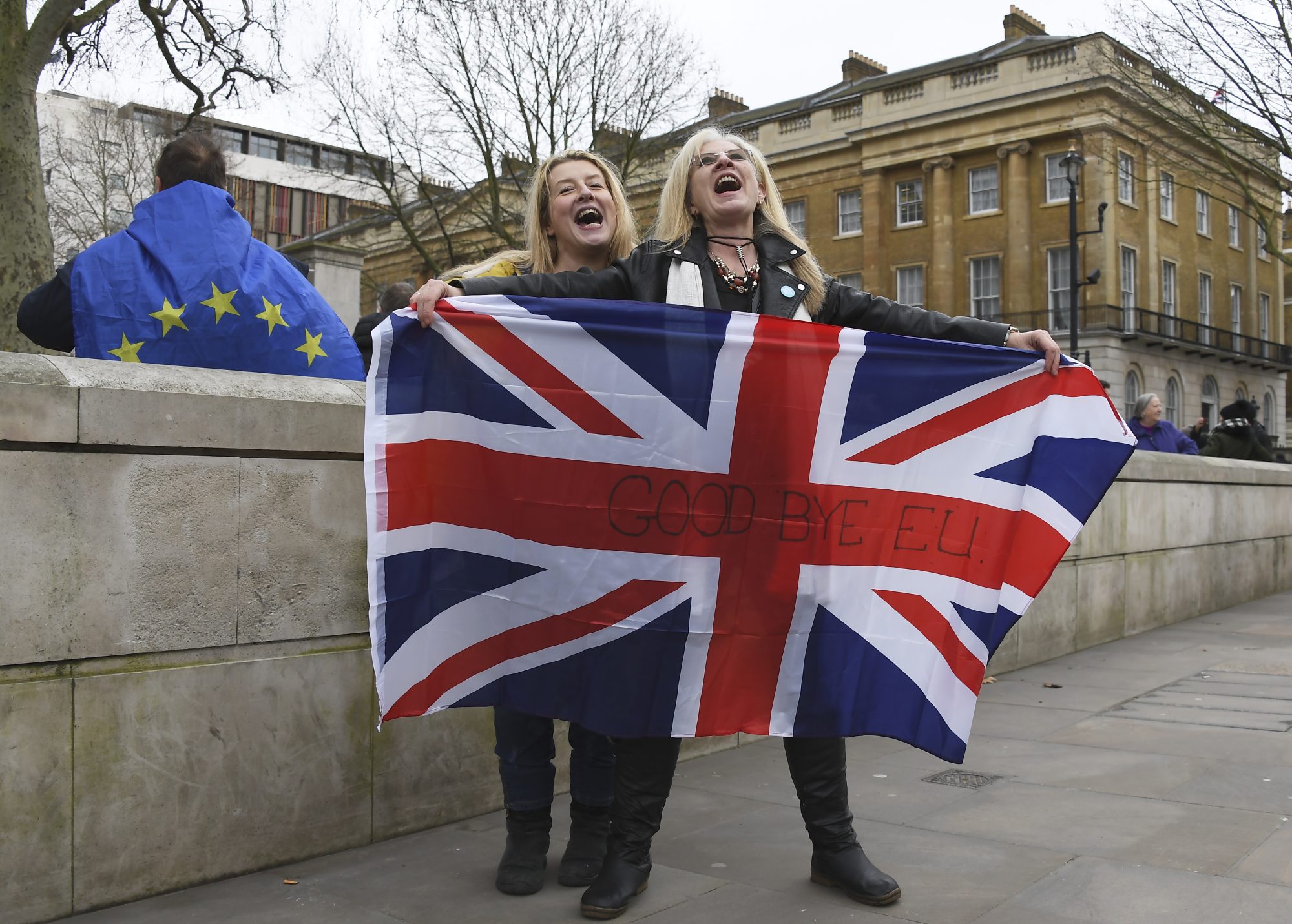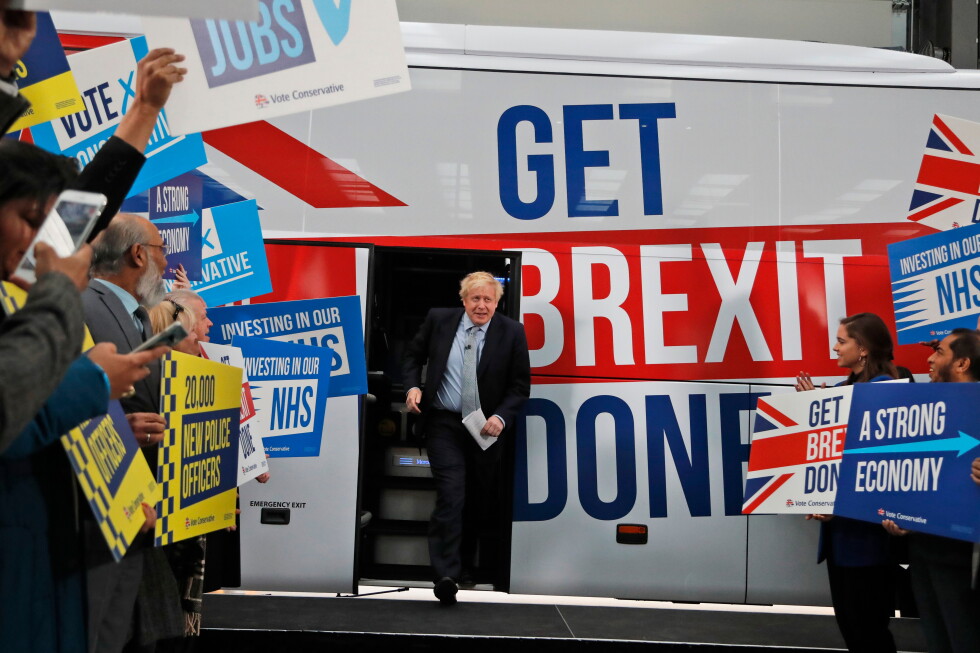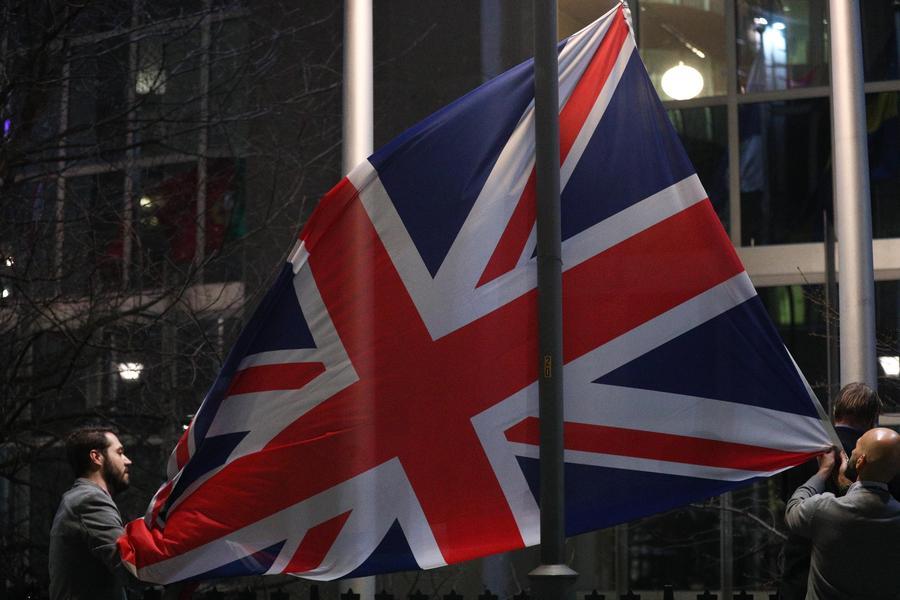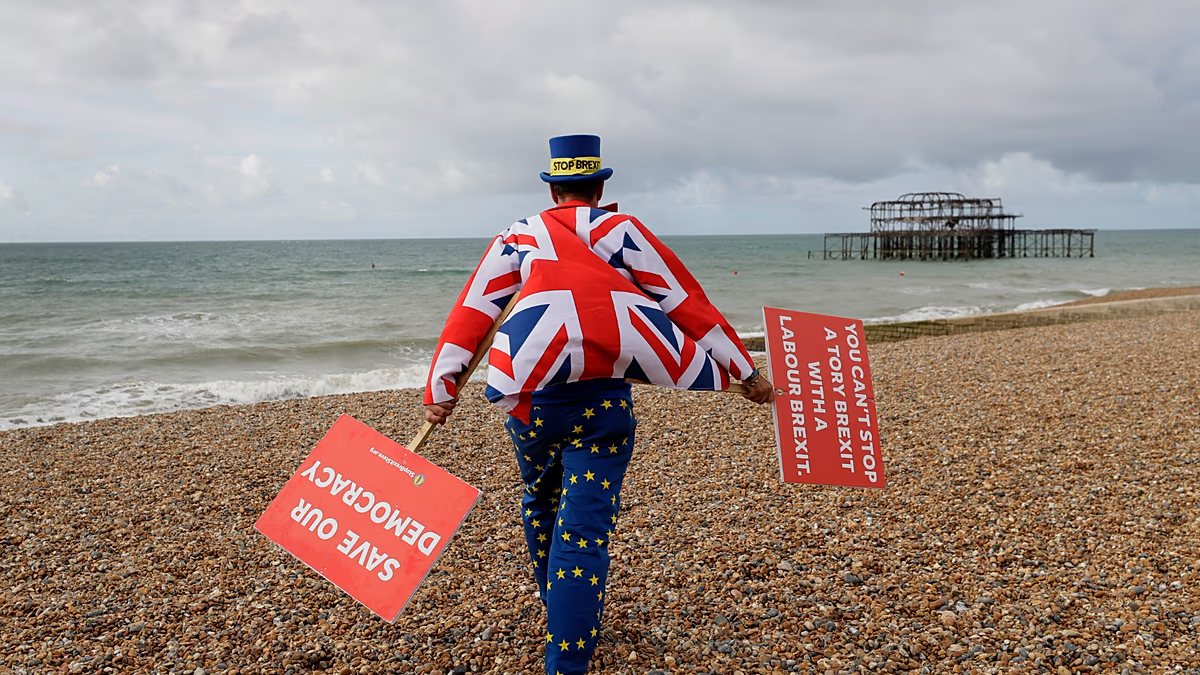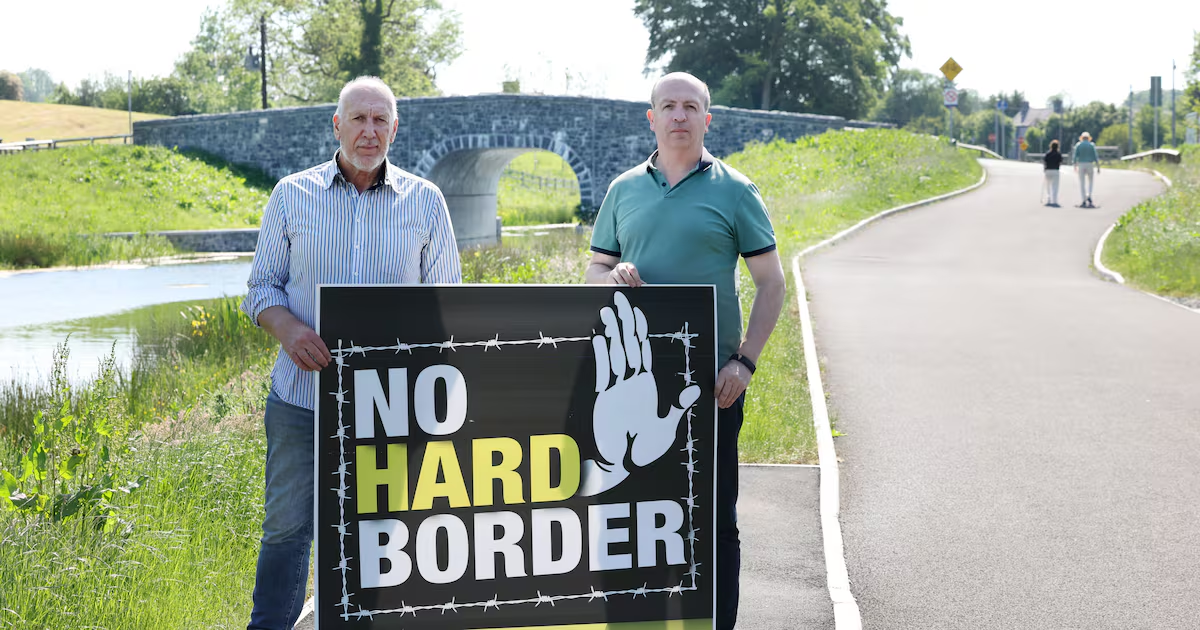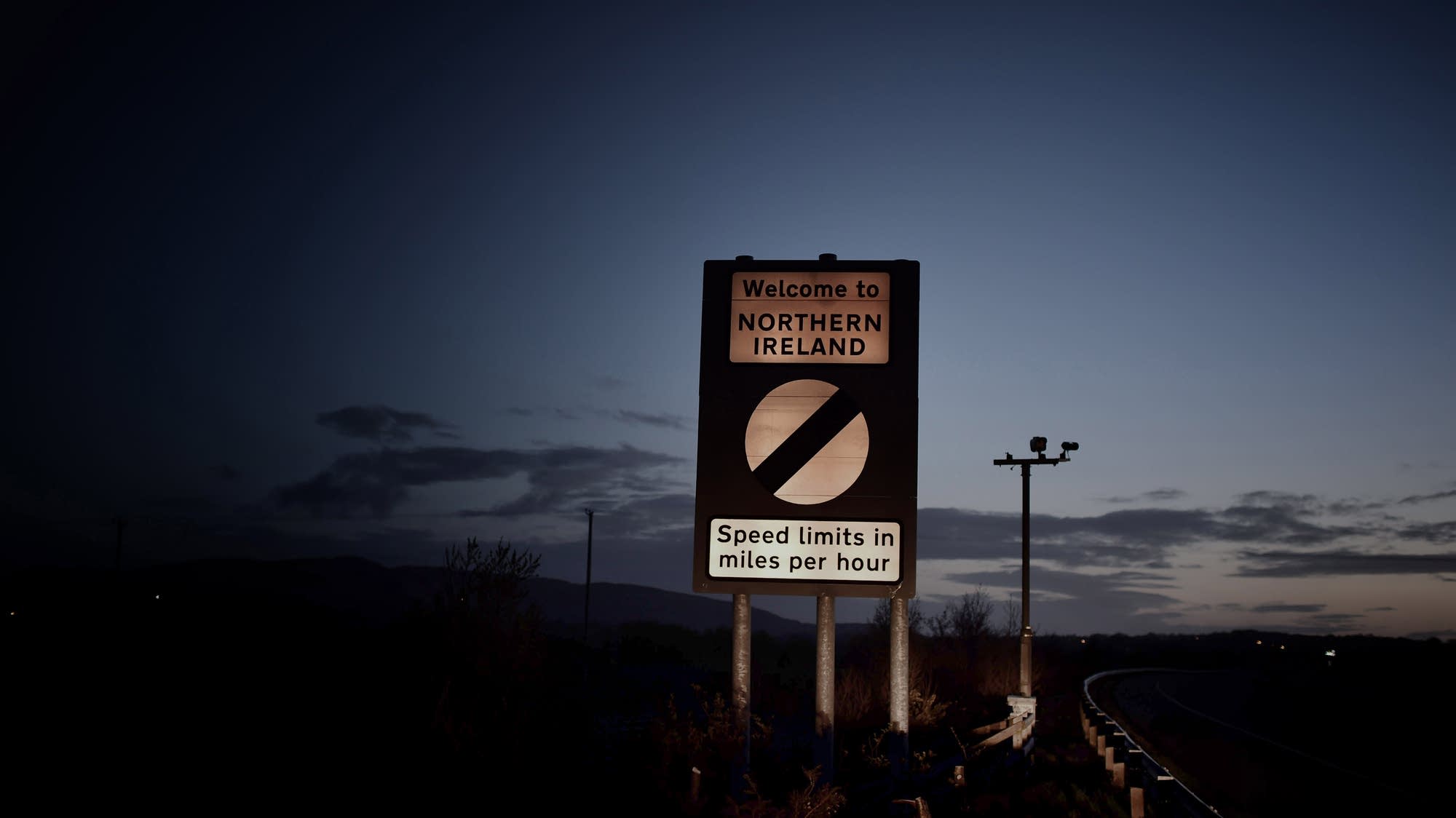
Tuesday is the 10th anniversary of the Brexit vote that led to the United Kingdom's withdrawal from the European Union. Some of the top issues behind that vote are still very front of mind in Britain today — that includes the movement of people and goods across borders, both immigration and trade.For more, “Marketplace Morning Report” host Kimberly Adams spoke with Katy Hayward, professor of political sociology at Queen’s University Belfast in Northern Ireland.Kimberly Adams: I want to start with some recent news: Where you are in Northern Ireland, earlier this month, there was a knife attack in Belfast, for which a Sudanese man has been charged with attempted murder. This led to days and nights of anti-immigrant riots and violence. What do you think drove that response?Katy Hayward: I think they were terrible scenes, I have to say, after a tragic incident. We saw violence on the streets again, and more particularly, people shut in their homes, living in great fear. So, it was a terrible few days in Northern Ireland, and quite reminiscent of what it was like to live in the Troubles and to have that sense of terror. I think the context for it isn't too surprising. We've seen sort of rumblings of anti-immigration sentiment in Northern Ireland for some time now. You might say we saw a little bit of it 10 years ago in the Brexit referendum.Adams: Can you say more about this connection between what's happening now and the motivations behind the Brexit vote a decade ago, and how that played out differently in Northern Ireland?Hayward: So, one of the themes that we saw in the Brexit referendum was taking back control. And they talked about taking back control of sovereignty in relation to money, so how much money was going to the European Union. And also — most particularly — a theme came through of taking back control of our borders. Fast forward to today, the question of immigration has changed somewhat in that we have far fewer EU citizens living and working in the U.K., because they don't have an automatic right to do so anymore. But we have had an increase in immigration from elsewhere. And, ironically, you might say, that's because it's been encouraged by the British government, because they've needed to fill those jobs that have been vacated by EU citizens.Adams: Due to a deal between the EU and the U.K., Northern Ireland has a slightly different trade relationship with the European Union compared to the rest of the country. Can you lay out that dynamic and how it's played out in terms of the economic impact of Brexit where you are?Hayward: Yes, Northern Ireland — probably unsurprisingly — is in quite an unusual position. So, geographically, of course, it has the land border with the Republic of Ireland. So that is now an external border of the European Union. And it has a sea border with the rest of the U.K., but it remains very much in the United Kingdom. The U.K. and EU came up — after a lot of negotiation and contestation — with these very unusual arrangements, which effectively keeps Northern Ireland in the U.K., but it's also de facto in a portion of the EU single market for goods, and also de facto in the EU's customs union. So, this means that goods can flow across the Irish border freely. There's no need for checks and controls on those goods. But it does mean instead that there are some checks and controls on goods coming into Northern Ireland from the rest of the U.K. It means also that it follows a portion of EU rules. Northern Ireland businesses can benefit from being effectively part of the EU single market, but they also have encountered some difficulties when it comes to trading with the rest of the U.K. And this has been unsurprisingly politically contentious, as well as, practically speaking, quite difficult to navigate.
10 years on, what Brexit has meant for Northern Ireland
While fewer people from the European Union are living and working in Northern Ireland since Brexit, overall immigration has actually gone up.
660 words~3 min read