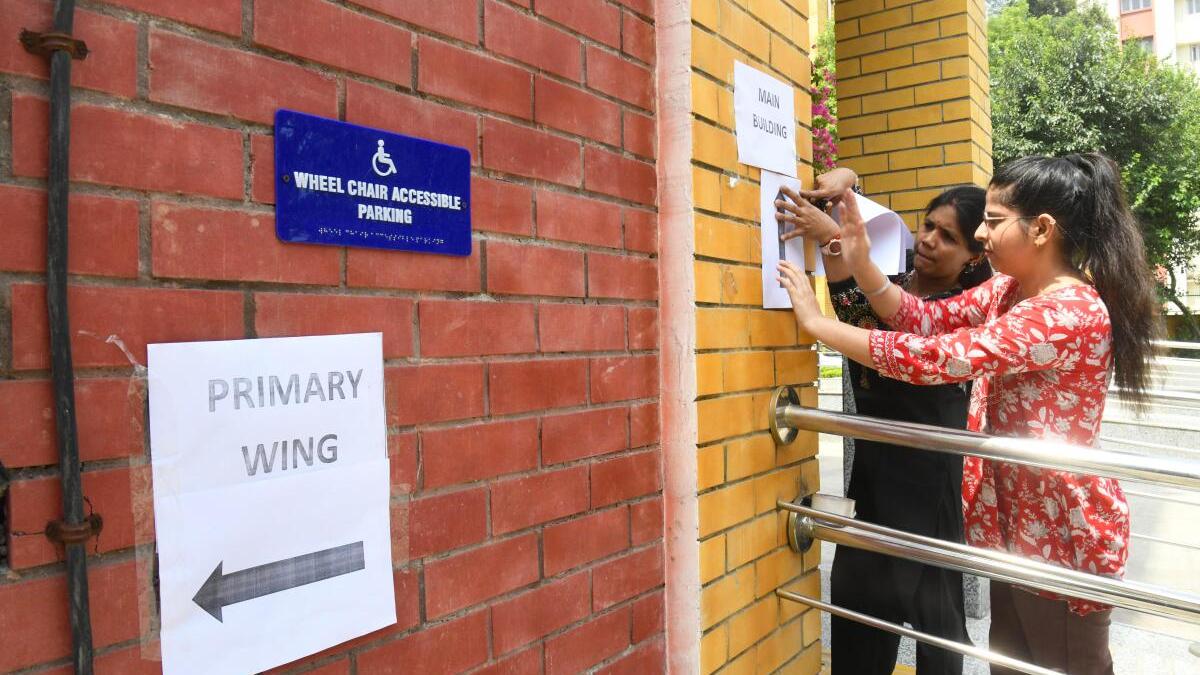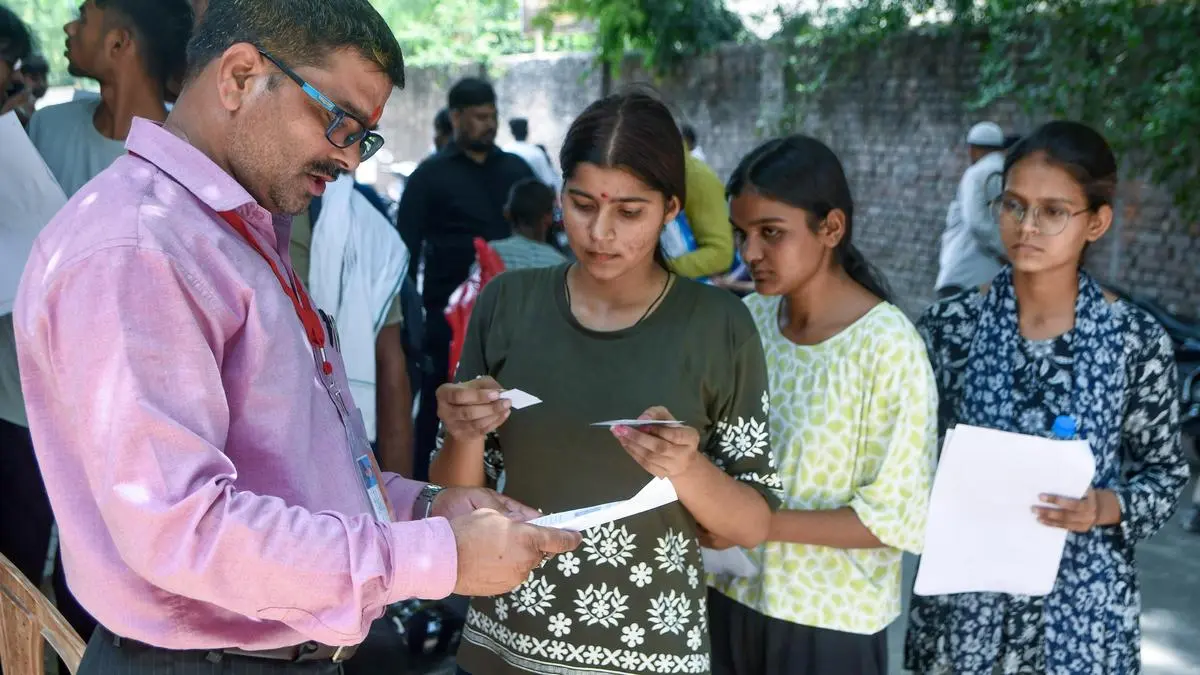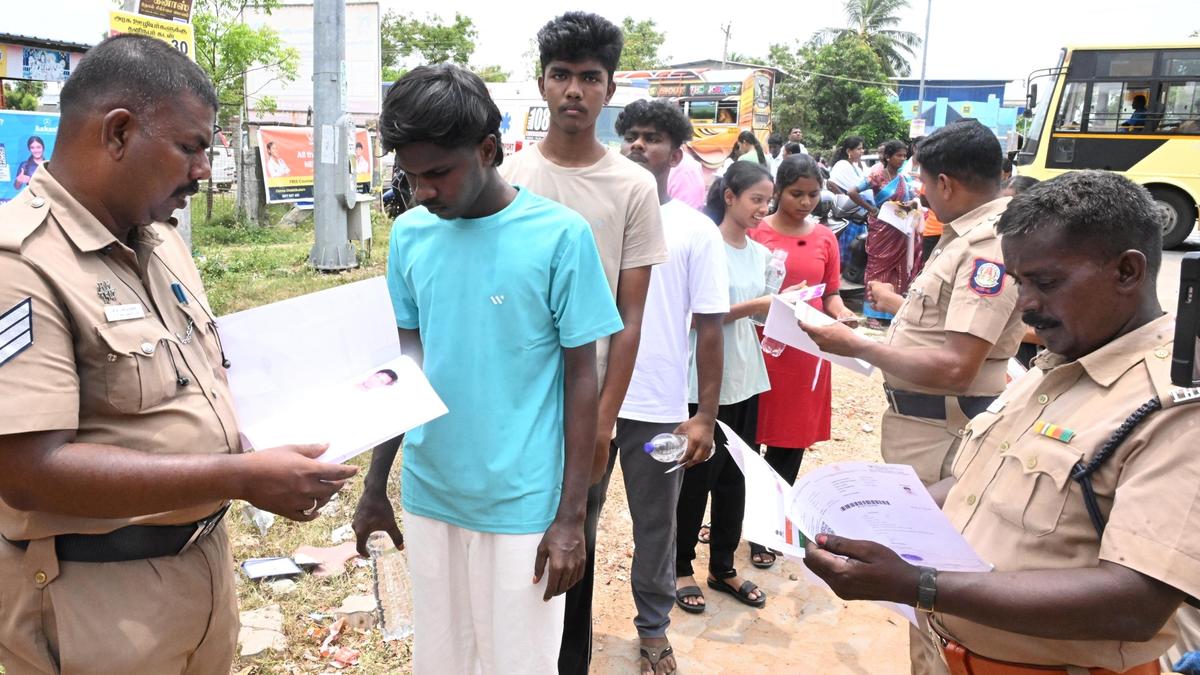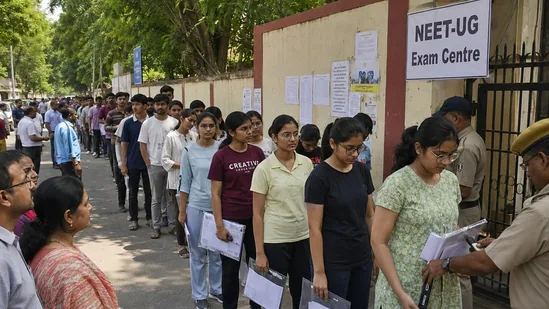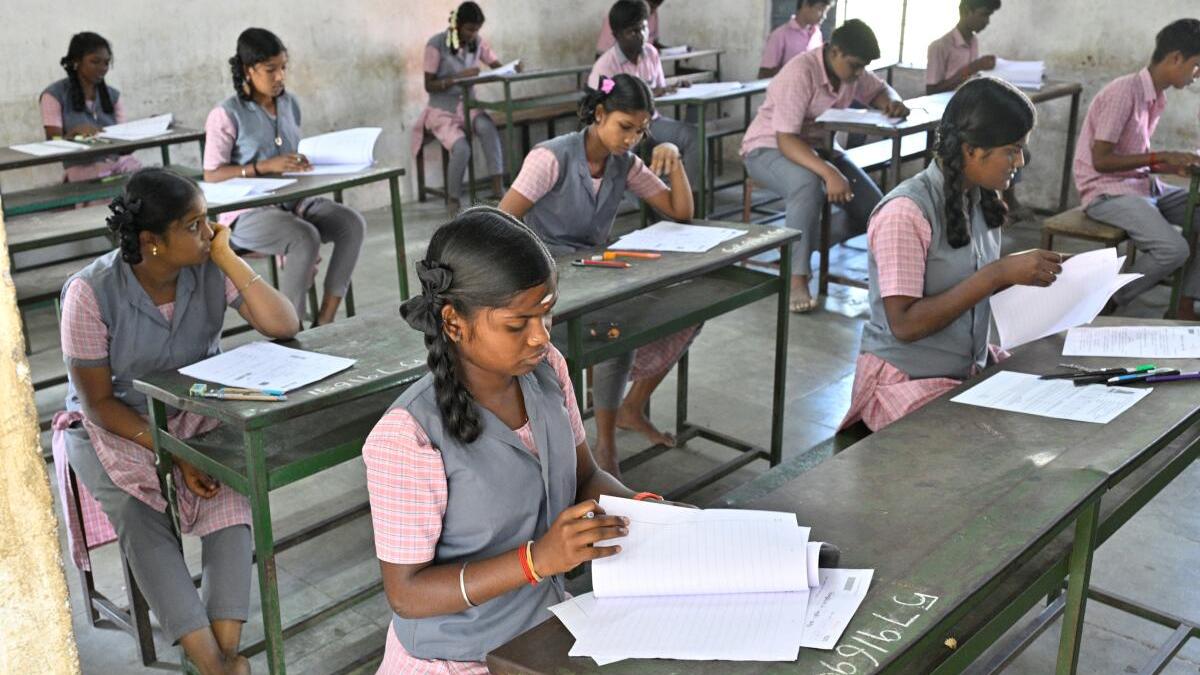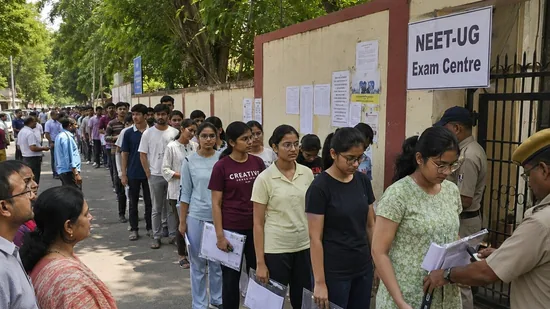
The National Eligibility-cum-Entrance Test (NEET) re-examination underlines the scale of India’s examination ecosystem — one of the world’s largest, with millions appearing for exams each year that determine access to education, employment, and opportunity. A key recommendation of the K Radhakrishnan committee — formed after the 2024 NEET irregularities surfaced — was that the National Testing Agency (NTA), which conducts NEET, should gradually replace its network of temporary exam centres (schools and colleges) with government-owned, standardised, professionally managed testing centres. This, however, will require investment of thousands of crores of rupees and will produce severely underutilised infrastructure. Also, it will transform institutions such as the NTA into infrastructure management agencies.Most controversies arise from unpreparedness of centres, paper-leaks due to cybersecurity lapses, inconsistent supervision, and operational failures, writes Abhay Jere. (Representative image) (HT_PRINT)India’s challenge is one of trust and standardisation. Most controversies arise from unpreparedness of centres, paper-leaks due to cybersecurity lapses, inconsistent supervision, and operational failures. With thousands of colleges and schools already available, India does not need more infrastructure. It needs a way to efficiently use the existing infrastructure.A decade ago, India’s hospitality industry faced a structurally identical problem. Hotels existed everywhere, but quality was unpredictable. OYO’s breakthrough was creating an operating layer that standardised the existing ones. Asset owners retained ownership, OYO just defined the standards, monitored compliance, and managed customer experience. The result? The fragmented industry transformed into a trusted national network.India’s examinations need a similar logic. The hardware is available; a standardised operating system is needed. Today, candidates in different centres can have varying experiences of the same exam, based on availability of trained personnel, reliability of connectivity, and strength of security. When experience varies, trust varies — and that is dangerous, because national examinations require a high degree of public trust.Also Read | PM Modi delays departure from Delhi airport to avoid inconvenience for NEET aspirantsA TOYO (testing-OYO) model treats examination delivery as a technology platform business built on principles of transparency, scale, consistency and standardised processes. It addresses several flaws in the current systems efficiently. TOYO’s most powerful principle is transparency. To illustrate, external display screens at exam centres can broadcast live hall footage to parents outside. Visibility changes behaviour: Invigilators meet higher standards, supervisors tolerate fewer shortcuts, and candidates perceive the process as fair.The next pain point needing attention is breaking of silos. Exam-conducting authorities operate independently, and there is no shared infrastructure, no common benchmark, and no institutional memory. Vendors migrate across agencies without accountability. TOYO replaces this fragmentation with a unified, interoperable governance layer without compromising on the independence of individual agencies.Another important area is manpower. Undertrained, unsupervised invigilators remain India’s most consistent point of failure. Under TOYO, every role is defined, certified, and accountable. Cybersecurity and reliable connectivity are key areas, especially if we move towards computer-based testing. TOYO mandates verifiable benchmarks such as defined bandwidth per candidate, encryption protocols, standardised network setups, low-latency thresholds, service-level-agreement-backed uptime, dual-network redundancy, and hardened cybersecurity with ethical hacking audits.The TOYO network rests on a publicly accessible, real-time database of certified centres with tier ratings and performance history. It involves annual, independent, and unannounced audits covering security, technology, personnel, connectivity, and power resilience, with integrated exam preparedness parameters having regulators/exam authorities’ approval and accreditation frameworks. A centralised, live dashboard that receives real-time feeds from all centres using AI-based remote proctoring, automated anomaly detection, and escalation protocols is also a TOYO essential, as is a public transparency portal for real-time anonymised visibility during exams; post-exam publication of incident rates, authentication success, and grievance volumes per centre. All of this is topped up by a real-time grievance mechanism for swift response during examination hours, defined escalation pathways, and mandatory resolution timelines.TOYO cannot be implemented by a single agency. It requires central policy intervention. This approach offers one critical lesson: 500 rigorously certified centres will outperform 5,000 non-standardised ones. Every under-performing centre is a gamble with students’ future.Abhay Jere is MD and CEO, Dexit Global and former vice chairman AICTE. The views expressed are personal
OYO-like standardisation needed for exam ecosystem
Exam-conducting authorities operate independently, and there is no shared infrastructure, no common benchmark, and no institutional memory, writes Abhay Jere
668 words~3 min read