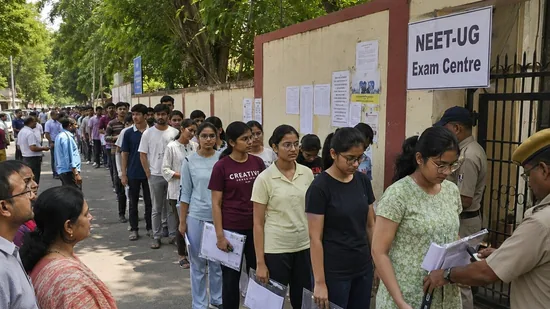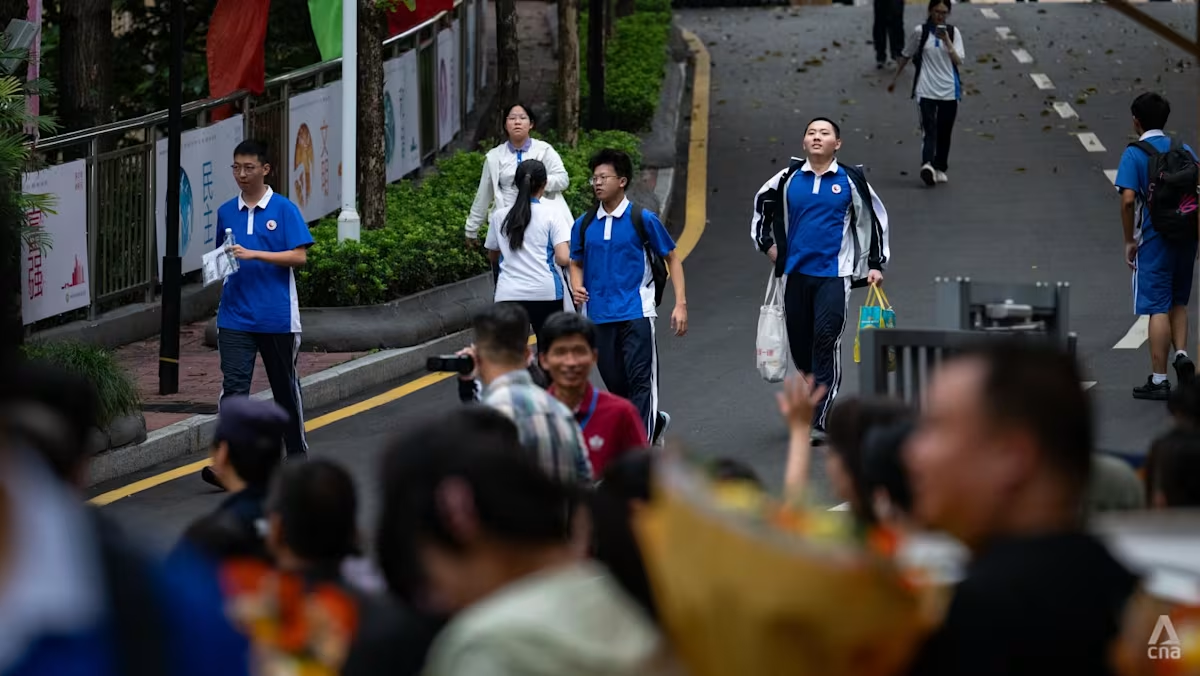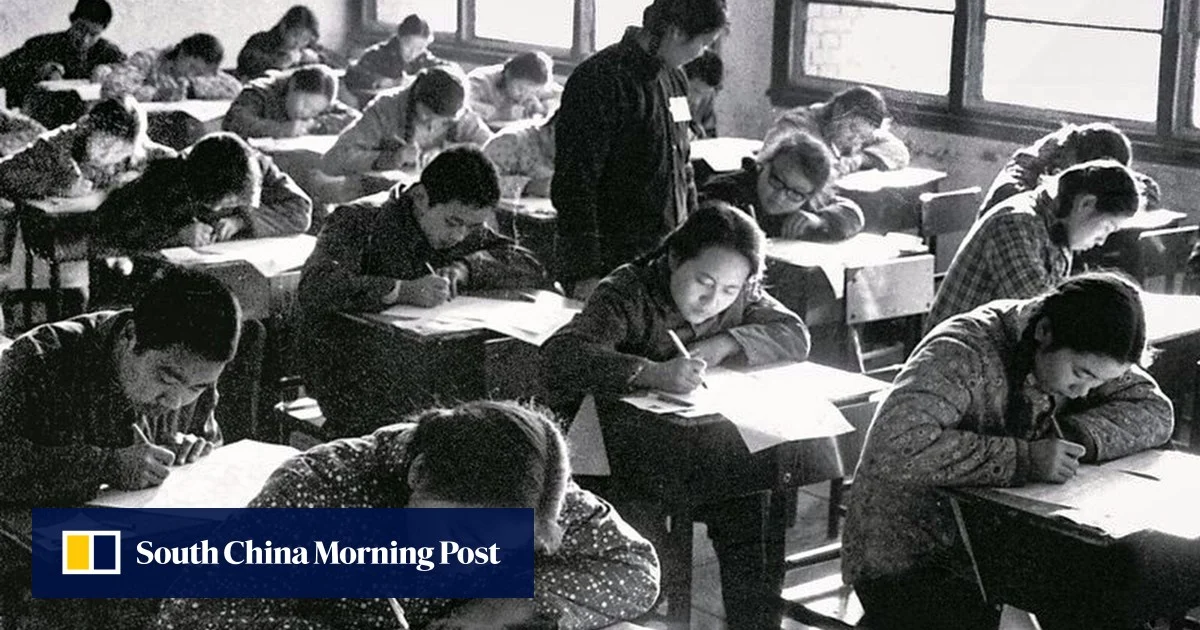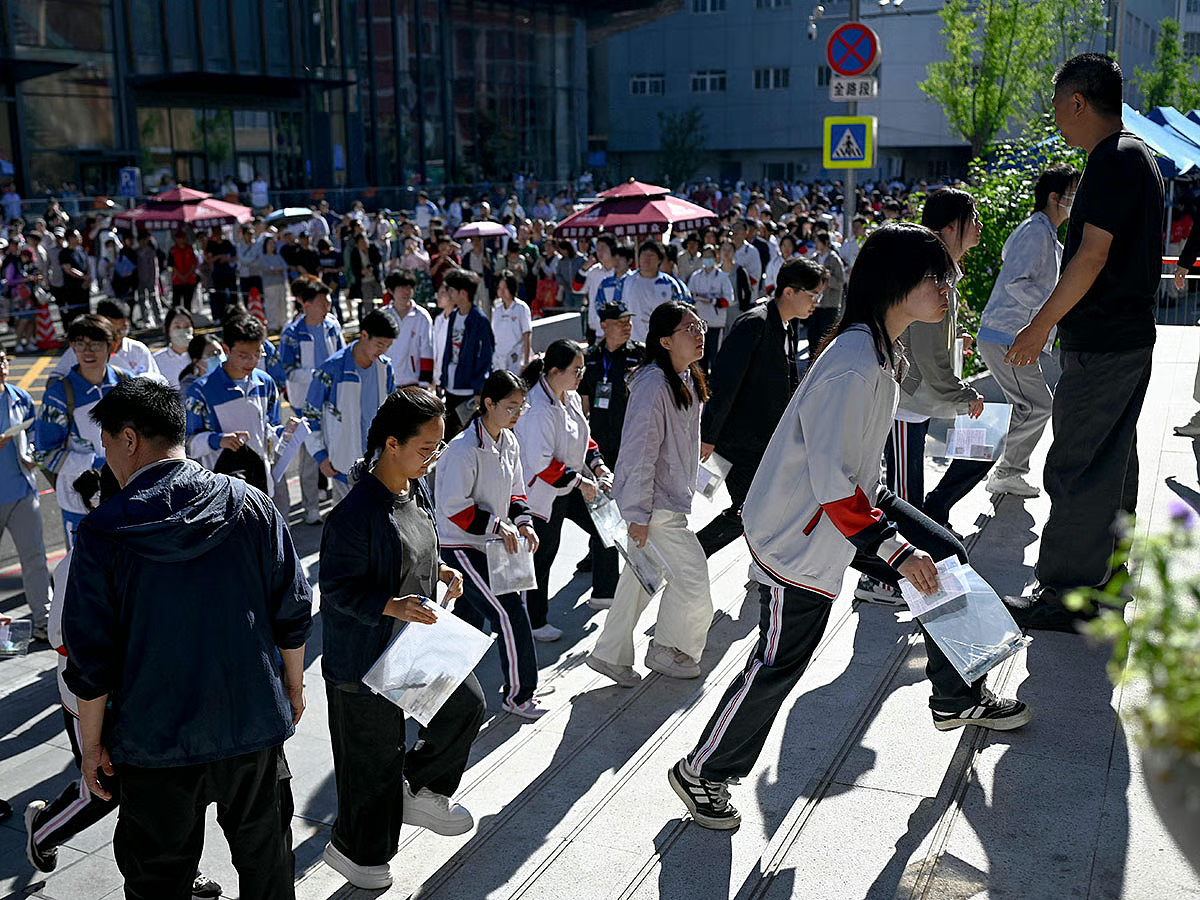
No country on earth stops itself as completely, as deliberately, and as tenderly for its children as China does for the Gaokao. The more closely I study it, the more I think India should look at it not with envy, but with hard, uncomfortable honesty about its own examinations.(Sign up for THEdge, The Hindu’s weekly education newsletter.)For a few days every June, the world’s second-largest economy effectively pauses. Construction sites fall silent. Traffic is rerouted and horns are banned near test centres. In 2024 a record 13.42 million candidates sat the National College Entrance Examination; in 2025, more than 13.3 million did. Each one walked into a hall while an entire state apparatus arranged itself around their concentration.This is the part that should give us pause. India runs examinations of comparable stakes for comparable millions — and yet our two systems could scarcely be more different in how they are executed, how far they are trusted, and what they finally produce.
Also Read: NEET UG re-exam: Nagpur student gets Abu Dhabi centre; NTA to correct ‘allotment error’The logistics of an incorruptible examChina treats the integrity of the Gaokao as a matter of national security, and it means this literally. Cheating is not merely an academic offence; since 2015 it has been a crime, and organised cheating can carry a prison term of up to seven years.Question papers are printed in high-security facilities, some of them inside prisons, under closed-circuit cameras and guard. They travel under escort in tracked vehicles, monitored in real time by the BeiDou satellite system, so that any unauthorised detour is flagged at once. At the test centres, candidates pass through security gates and biometric checks — facial recognition, fingerprints, iris scans — that make impersonation almost impossible. Inside the halls, signal jammers smother stray frequencies, and AI-assisted surveillance catches the excessive head-turning or whispering a human invigilator might miss.