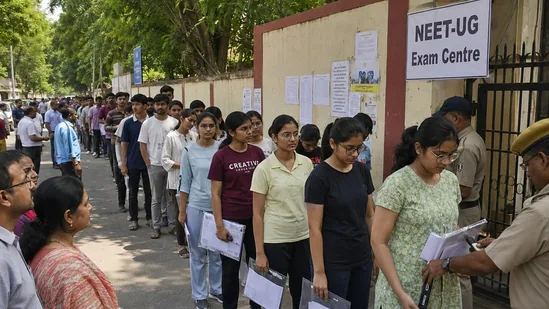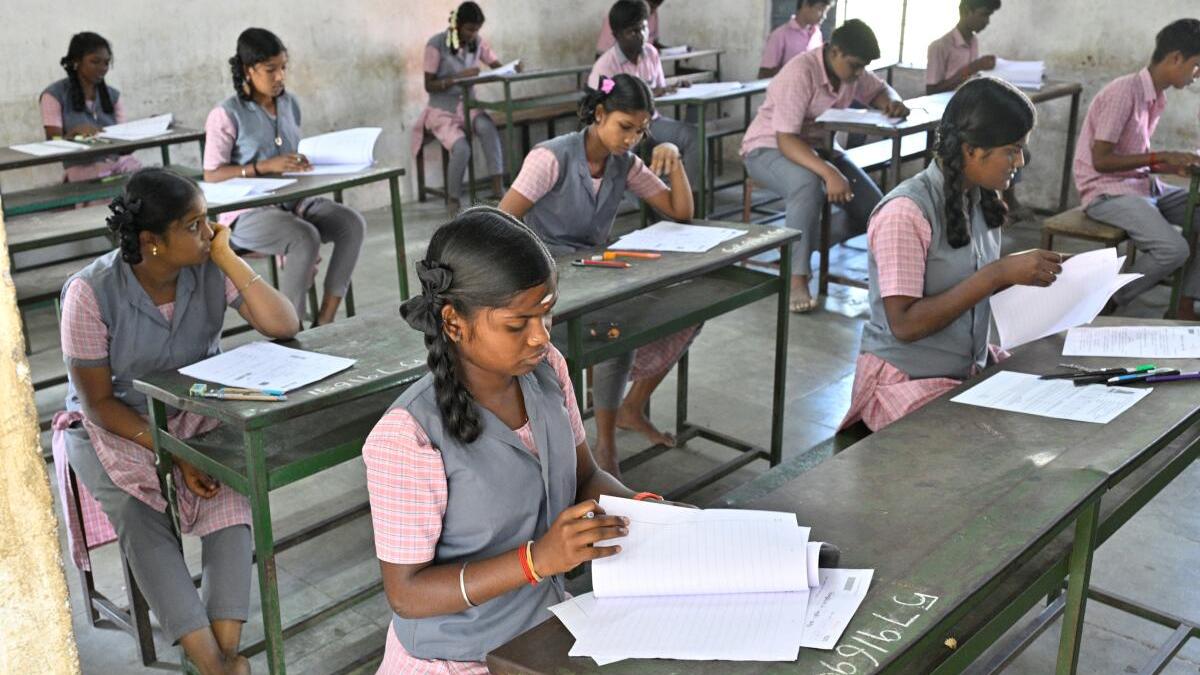
The NEET and CBSE fiascos represent the biggest opportunity to completely overhaul India's examination ecosystem. Computer-based tests have been running for years, yet organised 'solver gangs' continue to exploit every loophole. Most examination bodies remain in reactive mode - a fact visible in their tender documents for empanelling vendors to conduct critical exams.Read more: Teen hacker who exposed CBSE portal flaws joins IIT Kanpur's cybersecurity hubIndia's L1 ParadoxExamination systems are expected to operate with the precision of an aircraft cockpit. Yet, vendors are selected through frameworks that reward lowest cost over highest capability. The T1L1 philosophy - technically best, commercially lowest - appears sound on paper, but evaluation criteria are vague, obsolete, and easy to game. The consequences never appear in procurement reports; they become glaringly evident in examination halls.Recently, a state-level recruitment exam was contracted via L1 bidding at rates roughly 30% below the nearest competitor. On exam day, three of 17 centres reported biometric failures with no backup equipment on-site. Candidates waited over four hours; many were turned away untested. The inquiry found the vendor's support infrastructure inadequate - something proper capability evaluation would have revealed before contract award.Read more: What’s on-screen marking, and where did CBSE go wrong?Hardly any tender specifies the quality or training of invigilators. It is not uncommon to find an invigilator who is a paan-shop owner, a jobless youth, or a daily-wage labourer recruited the night before. Security personnel deployed for frisking are of the same grade as those found in shopping malls. CCTV cameras are of the lowest quality, with neither angles nor coverage standards specified. The L1 framework makes such failures inevitable. These incidents appear isolated, but together they reveal something far deeper: a trust deficit. Trust, not technology, is the true currency of any examination system. If a tender rewards only cost, the market will compete on cost. If it rewards resilience, accountability, and demonstrated capability, the market will compete on those.Four Layers of TenderExamination quality rests on four interdependent layers. Current procurement frameworks assess none of them properly.Physical Security is not just a checklist - it is a layered architecture. It requires multiple checkpoints, biometric false-rejection benchmarks, standardised frisking by trained personnel, metal detection with override restrictions, real-time security logs, and third-party compliance audits during live examinations. A broken scanner at one centre and a rigorous one at another creates invisible inequality between candidates.Cybersecurity and Load Validation demand that a demonstration is not a test, and a test is not a simulation. Tenders must define encryption and decryption protocols for CBT paper delivery, specify measures preventing remote access by solver gangs, document fallback protocols for device failure, and mandate hardware standards for network capacity, isolation, switches, PCs, and UPS. Vendor self-certification is insufficient; independent load testing under real conditions is rare. Institutions learn whether systems work on examination day - when the cost of failure is borne entirely by candidates.Personnel Quality requires that becoming an invigilator demands competence, not convenience. Tenders must mandate proof of certification, minimum educational qualifications, and verification across states. An aviation co-pilot requires hundreds of documented hours. A surgeon requires licensure and peer review. An invigilator with authority over a student's future requires - nothing.Real-Time Monitoring - must shift from retrospective reporting to live control: real-time command centres, AI-based remote proctoring, automated anomaly detection, and defined response timelines. Under standard L1 selection, most of these parameters do not survive bid evaluation.Reform That MattersThe future of examination reform is decided by the reformation of the tender document itself. Future examination RFPs must move beyond turnover declarations, infrastructure counts, and commercial pricing. They must evaluate technology resilience, cybersecurity preparedness, invigilator certification, disaster recovery, and accountability mechanisms with the same rigour applied to cost.Examinations are not technology projects. They are trust architectures. History rarely remembers what a nation saved through procurement. It remembers the quality of the institutions it built. When the dreams of students are at stake, should procurement be driven by the lowest bid or secured by the highest capability?(The author is Ex-Chief Innovation Officer, Ministry of Education)(Disclaimer: The opinions expressed in this column are that of the writer. The facts and opinions expressed here do not reflect the views of www.economictimes.com.)
Examination system in crisis: The urgent need to shift focus from cost to capability
Recent examination fiascos highlight a critical need to reform India's testing system. Current procurement practices favor low costs over essential capabilities. This approach compromises physical security, cybersecurity, personnel quality, and real-time monitoring. A shift towards evaluating demonstrated capability, resilience, and accountability is crucial. This will rebuild trust in the examination ecosystem and ensure fairness for students.
TL;DRAI
India's NEET/CBSE system crumbles under L1 bidding (lowest cost): solver gangs breach security, infrastructure fails on exam day. For tech leaders: cost-driven procurement of critical systems fails without capability and resilience benchmarks in vendor selection.
696 words~3 min read