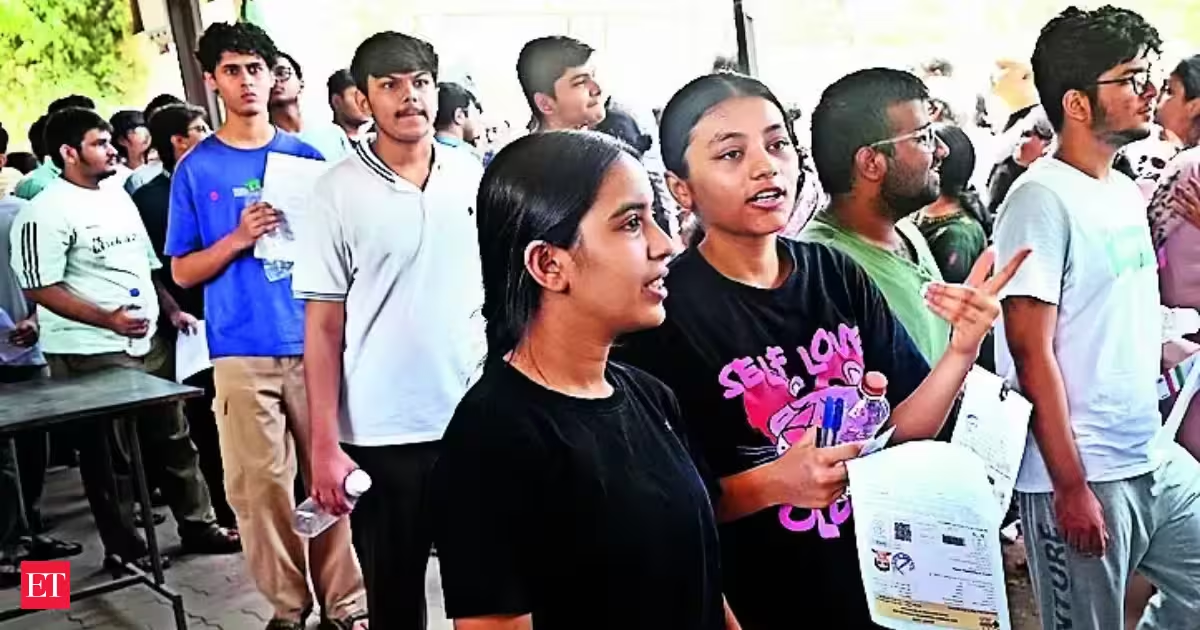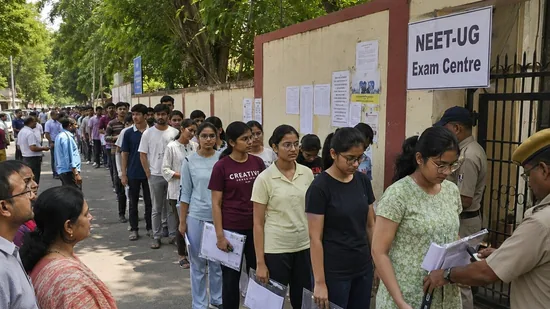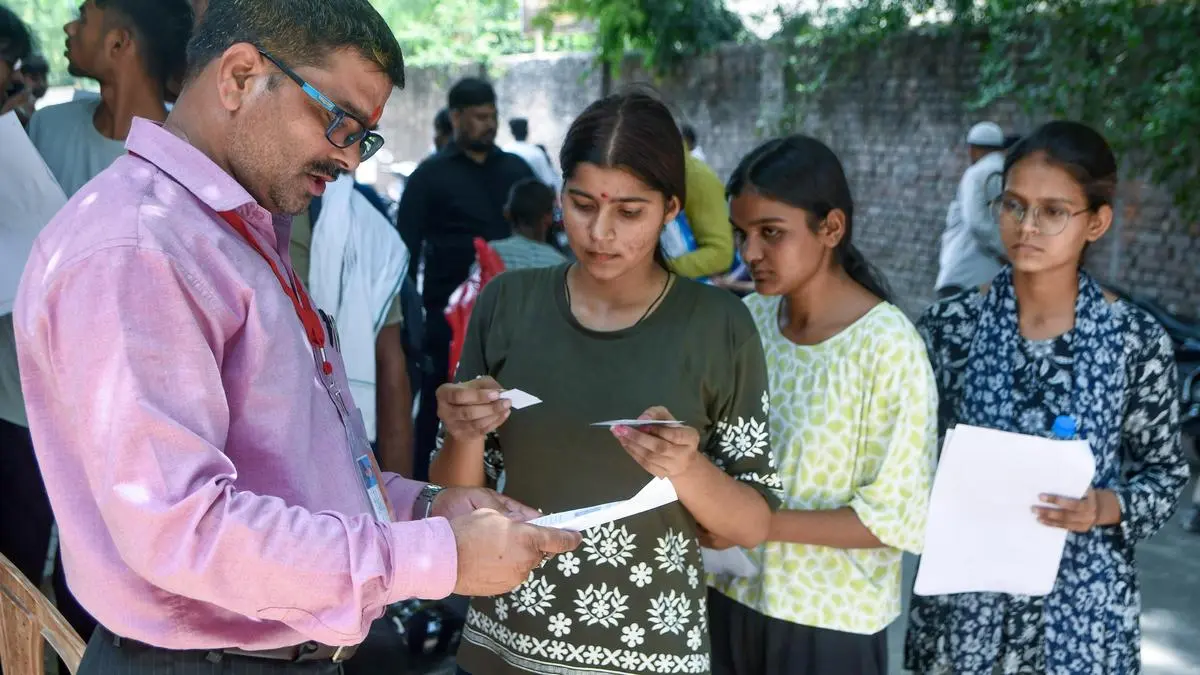
Students appearing for the NEET retest (file photo)
| Photo Credit:
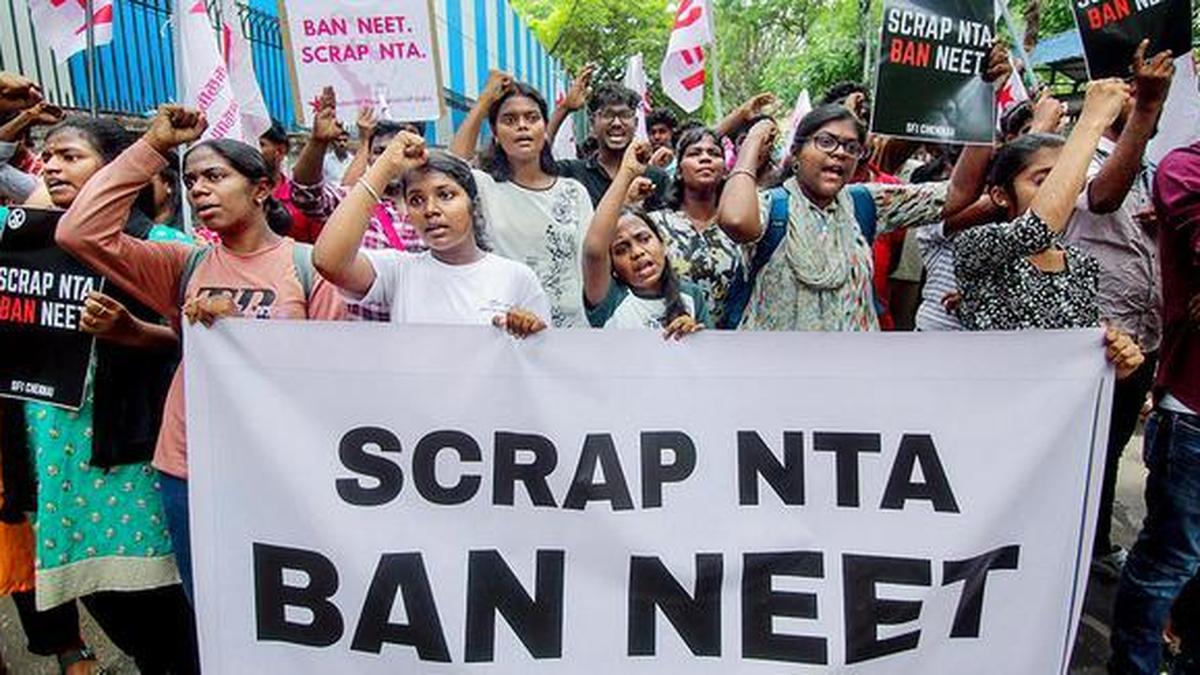
India’s examination system is currently experiencing an unprecedented crisis as a result of extensive protests, paper leaks, and significant political ramifications. The NEET-UG medical entrance exam was canceled and retested in a disorganized manner, and there were serious technical and marking problems in the CBSE assessments.One of the biggest competitive testing systems in the world is run in India. Tens of millions of applicants vie each year for government jobs as well as admittance to universities and medical schools. One of the most potent desires in modern India is the conviction that education and competitive exams offer a route to social and economic mobility, which is what made the current movement distinctive.The National Eligibility cum Entrance Test (Undergraduate), or NEET-UG, administered by India’s National Testing Agency (NTA), was the subject of a paper leak and other exam irregularities in the 2026 NEET controversy.More than 2.27 million applicants for admission to undergraduate medical and dental programs were scheduled to take the exam on May 3, 2026, but it was canceled on May 12 after investigators discovered significant overlap between the official test and a study guide distributed prior to the exam. Several people, including National Testing Agency officials, were arrested as a result.The examination system has come under unprecedented scrutiny as a result of the NEET-UG paper leak, which has triggered demonstrations, legal disputes, and a Central Bureau of Investigation (CBI). Consequently, some intriguing developments for potential course correction included the resignation of Union Education Minister Dharmendra Pradhan, PM Narendra Modi’s declaration of fast-track courts, and the formation of a task force headed by Nandan Nilekani.Structural flawsThis major exam paper leak case exposes serious structural flaws, underscoring the pressing need for institutional accountability, strong technology security, and systemic educational reform.To address above concerns, an alternative approach to administering the NEET exam could be based on the lines of the Graduate Record Examinations (GRE), a globally recognized, standardized test. The Educational Testing Service (ETS) is the owner and operator of the GRE. The Carnegie Foundation for the Advancement of Teaching created the exam in 1936. Every year, a large number of students take the GRE, which is administered by ETS via POWERPREP Online, which offers timed simulations, realistic question formats, and official score conversion.All we need to do, assuming we choose to use the ETS-GRE approach, is compile a large database of biology questions ranging in difficulty. After the database of questions is developed, AI can select questions at random and present a unique set of exam questions to the students. This score can be used to apply for admission to medical schools. One benefit of this kind of system is that, similar to the GRE exams, students can retake the test after a time gap if they are unhappy with their results. The Standard Operating Procedure, which will be applied to all Indian students, can be written by a group of specialists.Nilekani panelStudents across the country are looking at the powerful task force that has been constituted under the chairmanship of Nandan Nilekani with a hope that it will develop an examination infrastructure for India that is transparent, technology-driven, and impervious to leaks. I am of the belief that restoring student trust, utilizing digital infrastructure, and revamping National Testing Agency (NTA) processes would be some of the key parameters that shall be debated during the series meetings and discussions of the taskforce.Lastly, I would like to commend the Prime Minister for responding to the student protest in a favorable manner, even though it took some time, and for highlighting how sensitive it is to the hopes and concerns of young people. I have no doubt that the Nandan committee will produce workable suggestions for reforming the present National Testing Agency. However, one of the best choices for a technology-driven, leak-proof system with enough cyber security and protections can be the GRE system described above.The writer is a public policy and strategy expert and has been a member of several high profile committees, Government of India. Views are personalPublished on August 2, 2026