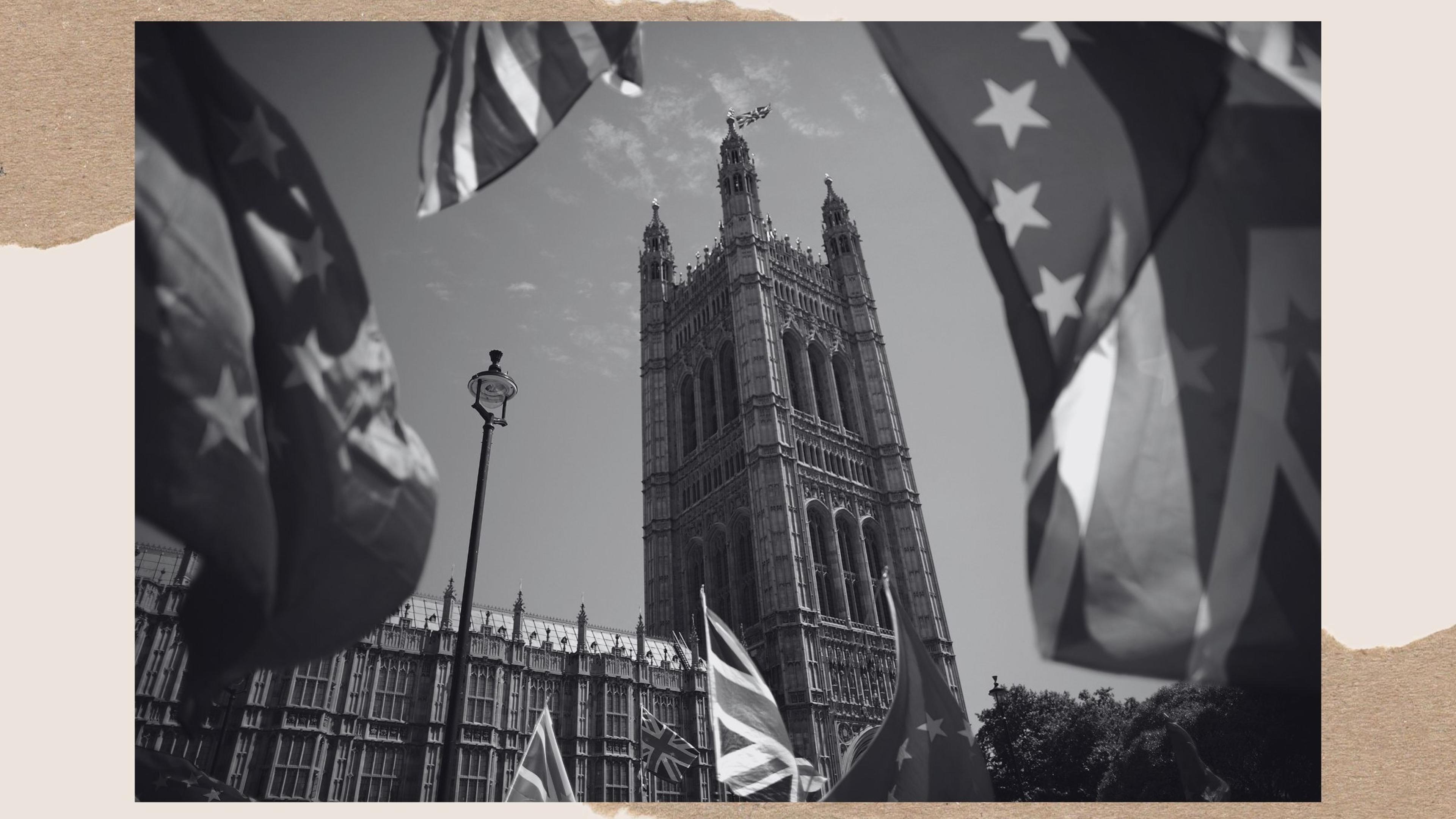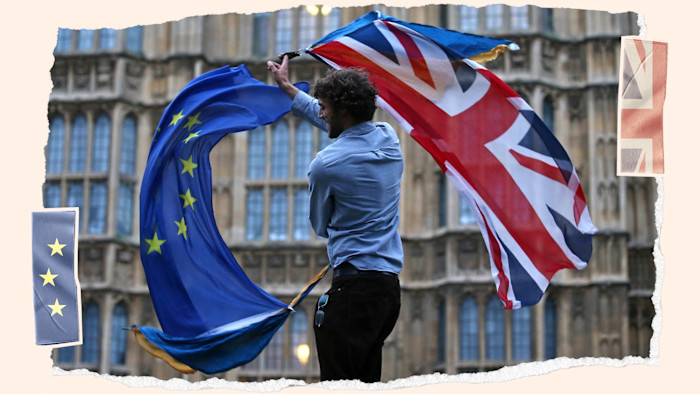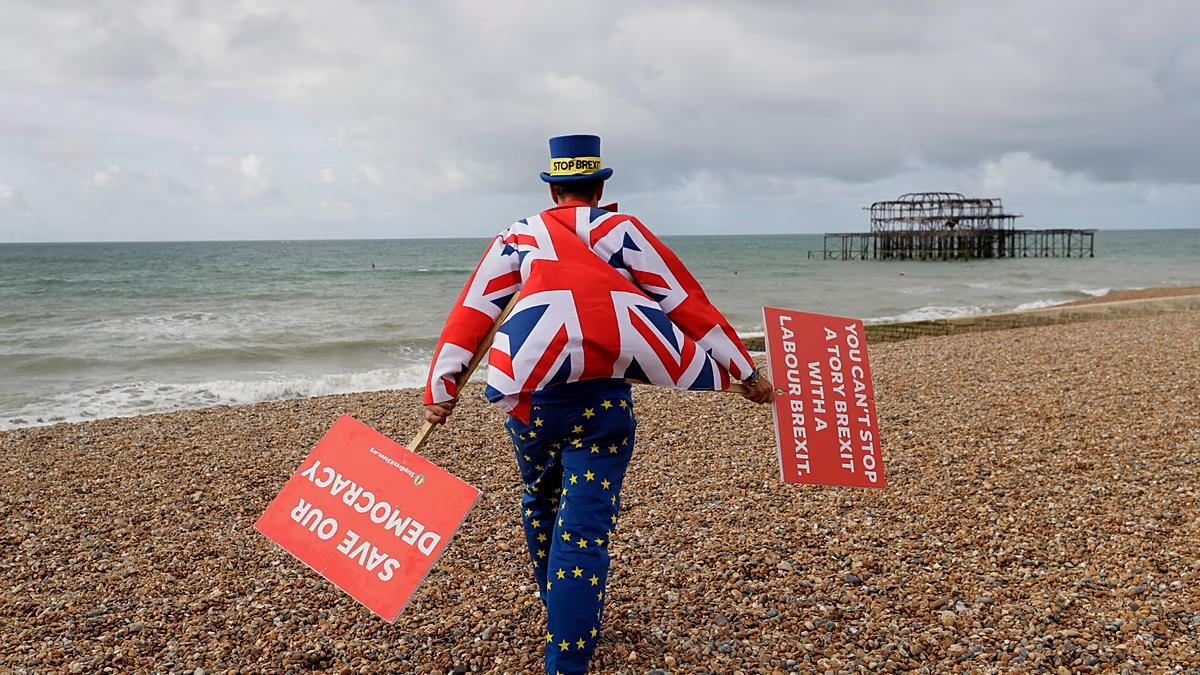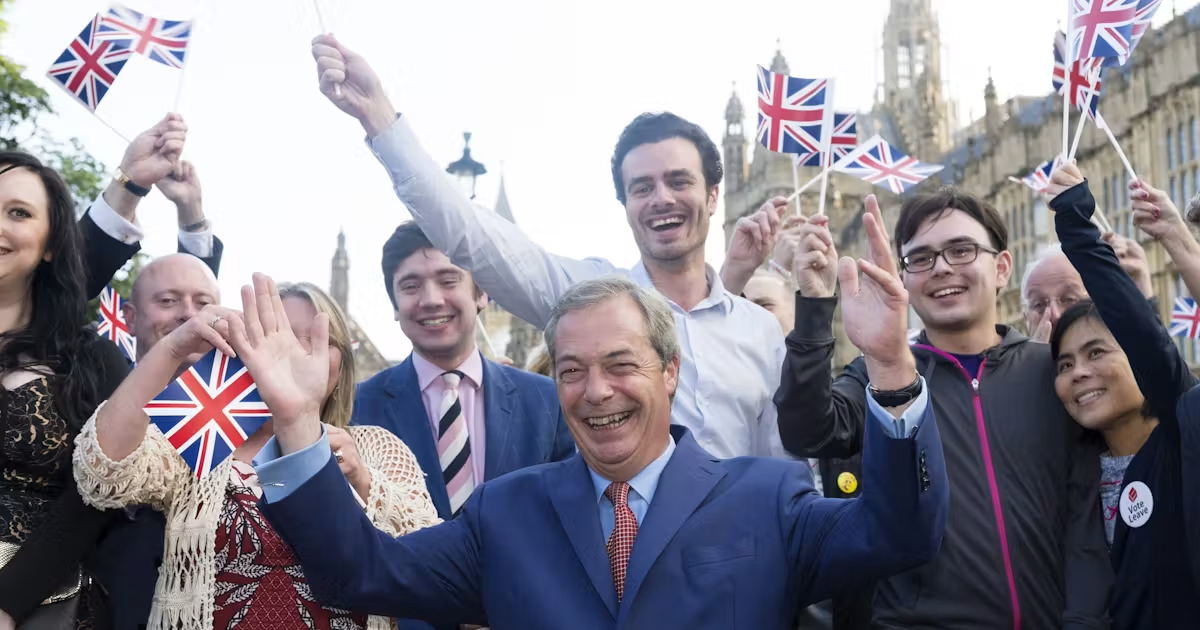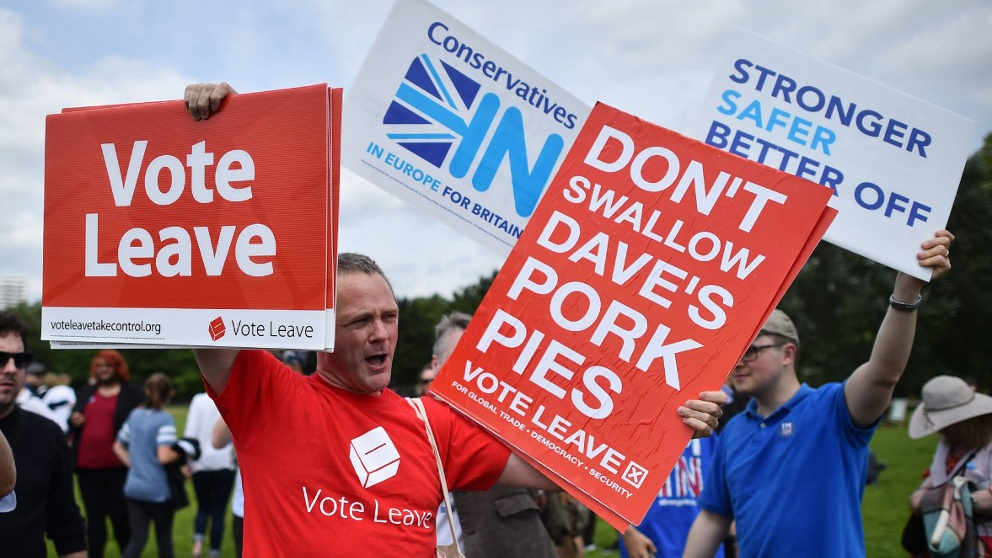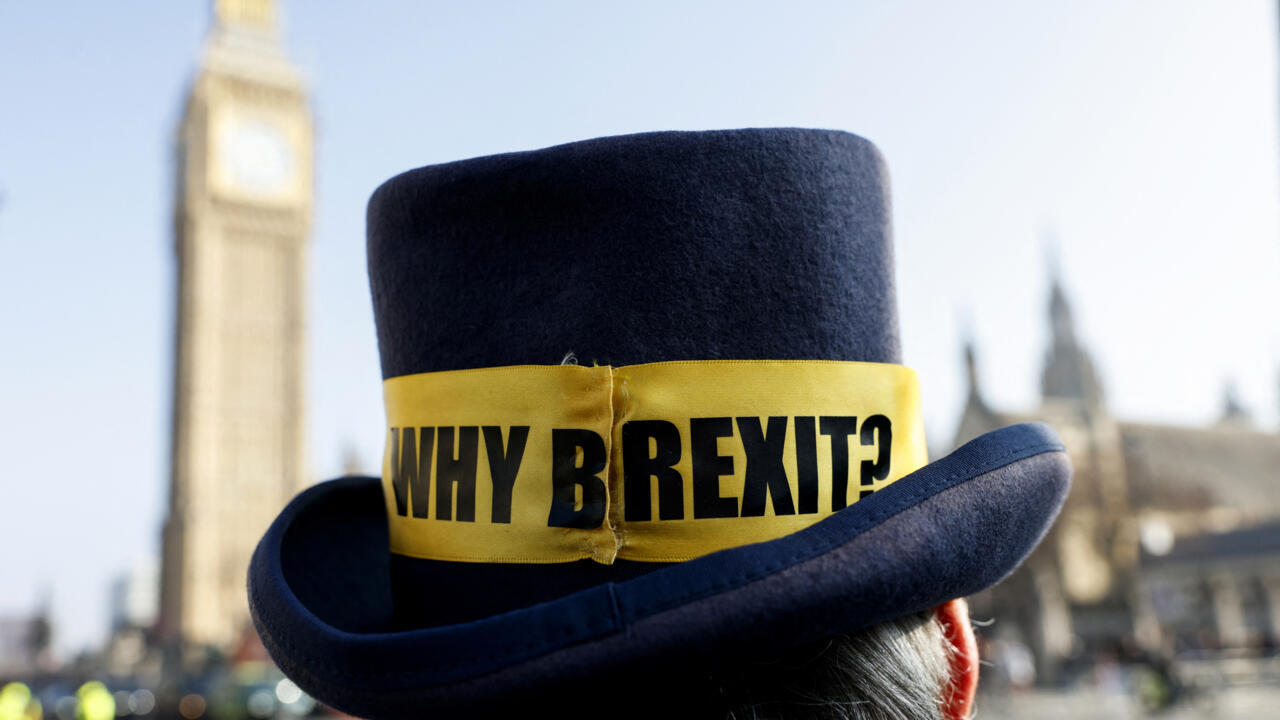
Ten years after the Brexit referendum, its long-term impact on our politics is evident. Not so evident is why this is the case. Every general election sees comparable debates. So too did the 1975 referendum on membership called by Harold Wilson. But none of these other elections has ever produced such an extreme and long-lasting reaction, or a concerted attempt to use both informal and formal methods – constitutional and legal – to block the result.
The conflict of Leave and Remain persisted and deepened after 2016 because the Remain tribe would not allow the Leave tribe to pursue the logical consequences of Brexit and ‘take back control’
Imagine after a general election, MPs, the Speaker of the Commons, the Supreme Court, the BBC and well-funded lobby organisations coming up with a series of expedients to prevent the new prime minister from governing. Before 2016 that would have seemed a banana republic fantasy. In future, it is all too easy to imagine. Since 2016, our politics has become more extreme, more tribal, and in peril of losing the very foundation of constitutional democracy: willingness to accept the result of elections, however unpalatable.
If I try to come up with an analogy, I can only think of the 1832 Great Reform Act, which the political class was forced to accept by popular unrest, but which it deliberately framed to thwart the democratic impulse, causing a generation of political unrest.